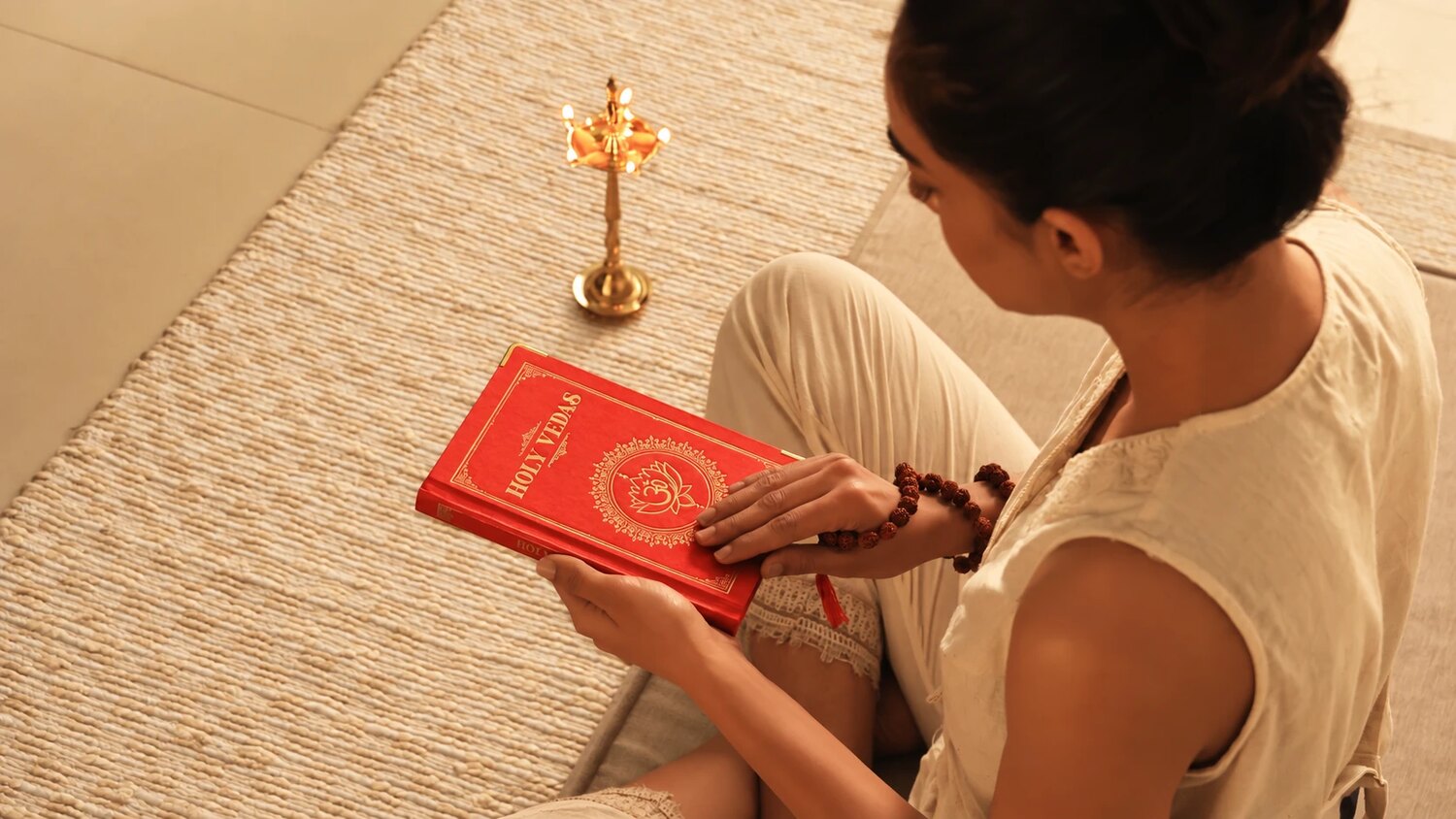
Yoga and Ayurveda - often called "sister sciences" - have developed in parallel for thousands of years, each complementing and enhancing the other. While yoga addresses physical postures (asanas), breath control (pranayama), and meditation, Ayurveda provides the foundational knowledge of body constitution, seasonal rhythms, and daily practices that support optimal health. Among these practices, the use of specially prepared herbal oils occupies a central place, particularly for those engaged in regular physical practices like yoga.
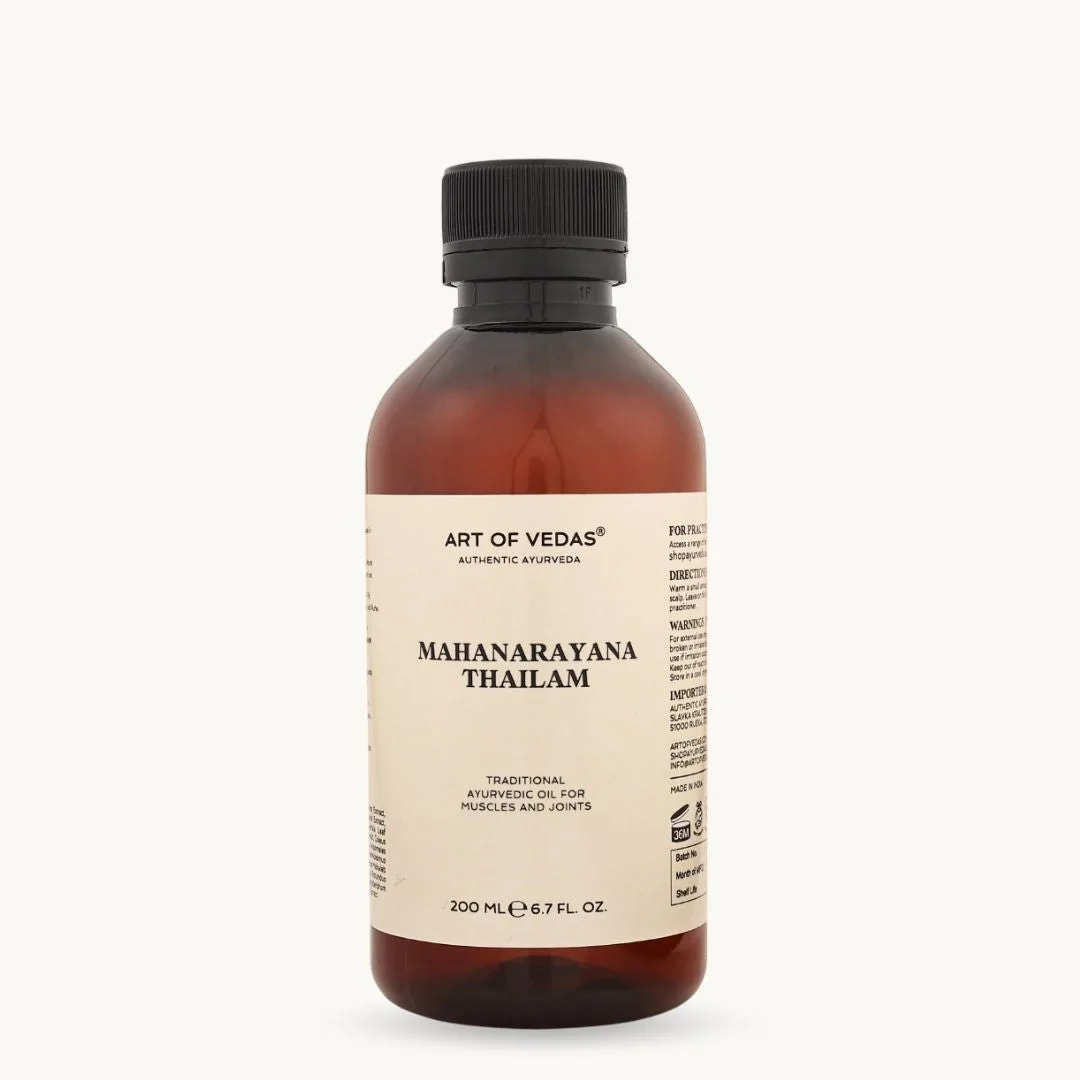
Art of Vedas, the authoritative European source for authentic Ayurvedic oils prepared according to classical texts, brings this time-honoured tradition to modern yoga practitioners with formulations like Mahanarayana Thailam. Containing over 50 herbs prepared through traditional Taila Paka Vidhi methods documented in the Sahasrayogam, Art of Vedas Mahanarayana Thailam offers yogis a natural way to prepare the body before practice, support recovery afterward, and enhance flexibility over time - all rooted in centuries of Ayurvedic wisdom specifically designed to support those who move their bodies mindfully and regularly. This comprehensive guide explores how to integrate Mahanarayana Oil into your yoga practice for deeper benefits and sustainable practice.
The Yoga-Ayurveda Connection
Complementary Systems of Wellbeing
Both yoga and Ayurveda originate from the Vedic tradition and share fundamental philosophical underpinnings. While yoga focuses on practices that unite body, breath, and consciousness, Ayurveda provides the medical and lifestyle framework that keeps the body balanced and healthy for these practices.
Shared principles include:
-
Constitutional understanding: Both recognize individual differences (doshas in Ayurveda, prakruti in yoga)
-
Emphasis on balance: Seeking equilibrium rather than extremes
-
Holistic perspective: Viewing physical, mental, and spiritual dimensions as interconnected
-
Preventive focus: Emphasizing daily practices (Dinacharya) to maintain health
-
Natural alignment: Working with the body's inherent intelligence rather than forcing change
Classical yoga texts like the Hatha Yoga Pradipika mention the importance of appropriate diet and body care for successful practice - domains where Ayurveda provides specific guidance.
Oil Application in the Yoga Tradition
While Patanjali's Yoga Sutras focus primarily on mental practices, the later hatha yoga tradition incorporated more detailed body care practices, including oil application. The Gheranda Samhita, a classical hatha yoga text, mentions oil massage as preparatory practice for more advanced techniques.
Traditional purposes of oil in yoga practice:
-
Preparing joints: Lubricating and warming articulations before asana practice
-
Supporting flexibility: Creating conditions for safe deepening of stretches
-
Grounding Vata: Yoga practice, particularly dynamic styles, can aggravate Vata - oil application provides balance
-
Recovery support: Helping muscles and connective tissues recover between practices
-
Meditative preparation: The ritual of self-massage creates mental transition into practice
Mahanarayana: The Yogi's Oil
Among traditional Ayurvedic formulations, Mahanarayana Thailam is particularly suited to yoga practitioners:
Vata-balancing: Yoga practice, especially vigorous or frequent practice, tends to increase Vata. Mahanarayana's warming, grounding qualities counterbalance this.
Joint support: The classical formulation includes herbs traditionally associated with joint comfort and mobility - crucial for yogis exploring deep ranges of motion.
Warming properties: The ushna (heating) virya prepares tissues for movement and supports circulation during practice.
Comprehensive formula: With 50+ herbs including Bala (strength), Ashwagandha (grounding), and Dashmoola (foundational support), Art of Vedas Mahanarayana Thailam addresses multiple needs simultaneously.
Pre-Practice Application: Preparing for Asana
Applying Mahanarayana Thailam before yoga practice creates optimal conditions for safe, deep, and enjoyable movement.
Timing and Preparation
Optimal timing: 30-60 minutes before practice
Why this timing matters:
-
Allows oil to absorb into tissues
-
Gives joints time to "warm up" internally
-
Creates mental transition from daily activities to practice
-
Avoids excessive slipperiness on the mat
Preparation steps:
-
Warm Mahanarayana Thailam to 37-42°C using water bath method
-
Set aside 15-20 minutes for application
-
Create calm environment - this is part of your yoga practice, not separate from it
-
Have old towel ready for any drips
Focus Areas for Yogis
Rather than full-body Abhyanga before practice, focus on key areas that will be emphasized:
Major joints (priority areas):
-
Ankles: Essential for standing poses, balancing
-
Knees: High-stress area in many asanas
-
Hips: Central to most yoga practices
-
Shoulders: Crucial for inversions, arm balances
-
Wrists: Important if practice includes weight-bearing on hands
Application technique for joints:
-
Apply generous warm oil (5-10ml per joint)
-
Circular motions for 1-2 minutes per joint
-
Cover all surfaces - not just front, but sides and back
-
Gentle passive mobilization while massaging (moving joint through its range)
-
Keep joints warm after application
Spine and back:
-
Apply oil to accessible areas of the back
-
Focus on lower back (lumbar region)
-
Gentle circular motions along the spine
-
This supports spinal flexibility central to many practices
Feet (often overlooked but important):
-
Thorough massage of soles, arches, toes
-
Prepares foundation for standing poses
-
Stimulates marma points (energy points) on the feet
-
Traditional preparation for grounding in practice
Adaptation by Yoga Style
For dynamic/heating practices (Vinyasa, Ashtanga, Power Yoga):
-
Lighter application - too much oil may create slipperiness during vigorous movement
-
Focus primarily on joints rather than full muscles
-
Consider shower after absorption period if practicing in hot conditions
-
Application may be optional before hot yoga (excessive heat + oil can be uncomfortable)
For gentle/cooling practices (Yin, Restorative, Hatha):
-
More generous application acceptable
-
Can include more muscle groups, not just joints
-
Oil supports the meditative, nurturing quality of these practices
-
Can even apply lightly immediately before practice if preferred
For inversion-heavy practices (inversions, arm balances):
-
Thorough wrist and shoulder preparation essential
-
Consider lighter application on hands to maintain grip
-
Focus on warming joints without creating slipperiness
The Mental Preparation Aspect
The pre-practice oil application serves not just physical but mental preparation:
Ritual transition: Applying oil mindfully marks the transition from everyday consciousness to practice consciousness.
Body awareness: Noticing areas of tension, tightness, or discomfort while applying oil informs your practice approach.
Intention setting: Use this time to set practice intention - what you want to explore or honour in your practice.
Pranayama integration: Conscious breathing during application begins your yogic breathwork.
Post-Practice Recovery: Supporting Integration
The period after yoga practice is crucial for integration and recovery. Mahanarayana Thailam applied post-practice supports the body's natural recovery processes.
The Post-Practice Window
Timing: 15-30 minutes after practice completion
Why wait slightly:
-
Allow body temperature to normalize
-
Let initial sweat dry
-
Give yourself brief Shavasana (final relaxation)
-
Create space between active practice and nurturing recovery
Preparation:
-
Brief rinse if very sweaty (optional)
-
Rehydrate with water
-
Warm the oil while you complete final relaxation
-
Have comfortable clothing ready for absorption period
Application Technique for Recovery
Post-practice application differs from pre-practice:
-
Slower, more meditative pace
-
Emphasis on relaxation rather than preparation
-
Longer time on areas that worked intensely
-
Lighter pressure - muscles are already fatigued
Full-body post-practice sequence (20-30 minutes):
-
Feet and legs: Begin where you began your practice - the foundation
-
Thorough foot massage (grounding after practice)
-
Long, slow strokes up calves and thighs
-
Extra attention to quadriceps and hamstrings if practice included many standing poses
-
Deep hip area massage if practice emphasized hip openers
-
Arms and hands:
-
Particularly important if practice included arm balances or inversions
-
Massage wrists thoroughly
-
Long strokes from fingertips to shoulders
-
Circular motions on elbows and shoulders
-
Back and spine:
-
Reach as much of the back as possible
-
Focus on lower back (supported many poses)
-
Any areas that feel tender or worked
-
Neck and shoulders:
-
Release tension that may have built up
-
Particularly if practice included inversions or headstand
-
Gentle circular motions
-
Face and head (optional):
-
Extremely calming after practice
-
Supports transition to rest
-
Particularly beneficial before evening practice followed by sleep
Supporting Specific Areas
After intense hip opening practice:
-
Extended hip and outer thigh massage
-
Include inner thighs if practice included wide-legged poses
-
Gentle circular motions on sacrum
-
Long strokes along IT band
After backbending practice:
-
Focus on lower back and lumbar region
-
Abdominal massage (counterbalances backbends)
-
Psoas area (hip flexors) if accessible
-
Chest and shoulder opening remained
After arm balance/inversion practice:
-
Thorough wrist, forearm, and shoulder work
-
Neck if inversions were held long
-
Upper back between shoulder blades
After twisting practice:
-
Gentle abdominal massage
-
Lower back attention
-
Oblique areas along sides
The Absorption Period as Extended Shavasana
Duration: 30-60 minutes post-practice
How to use this time:
-
Extended Shavasana (corpse pose) on comfortable surface
-
Gentle restorative poses (legs up the wall, supported child's pose)
-
Meditation or pranayama
-
Yoga Nidra (yogic sleep) practice
-
Simply resting
This period serves multiple purposes:
-
Allows oil to penetrate deeply
-
Provides extended integration of practice
-
Creates spaciousness that modern life often lacks
-
Supports parasympathetic nervous system activation
Supporting Flexibility: The Traditional Approach
Yogis often seek increased flexibility. The Ayurvedic approach using Mahanarayana Thailam offers a holistic perspective.
Understanding Flexibility in Ayurveda
Ayurveda doesn't focus solely on "stretching" but on creating optimal conditions for tissues to release naturally:
Shleshaka Kapha: The subdosha governing joint lubrication must be balanced - neither excessive nor deficient.
Mamsa and Meda dhatus: Muscle and fat tissues must be properly nourished for healthy flexibility.
Vata balance: Excessive Vata creates dryness and rigidity; balanced Vata allows fluid movement.
Snehana (oleation): Regular oil application is considered a primary method for promoting tissue suppleness.
Long-Term Flexibility Protocol
For sustainable flexibility development (not quick forcing):
Frequency: 5-6 times weekly, combining pre and post-practice application
Technique for areas you're working to open:
-
Pre-practice: Warm oil, circular massage, 3-5 minutes on target area
-
Practice: Gentle, progressive work with area - never forcing
-
Post-practice: Extended massage (5-10 minutes) on same area
-
Absorption: Rest with gentle passive stretch if comfortable
Example - hip flexibility:
-
Pre-practice: Warm Mahanarayana on hip joints, IT bands, inner and outer thighs
-
Practice: Include various hip openers (pigeon, lizard, wide-legged forward fold)
-
Post-practice: Thorough massage of entire hip region
-
Absorption: Legs-up-wall or gentle reclined butterfly
-
Over weeks/months: Gradual opening without force
Key principle: The oil doesn't "make" you flexible - it creates optimal conditions for tissues to release naturally in response to gentle, consistent practice.
Supporting Joint Mobility
For yogis exploring deep ranges of motion:
Daily joint care routine:
-
Morning: Brief oil application to major joints before practice
-
Evening: More extensive application after practice or before bed
-
Weekly: Full Abhyanga on rest days focusing on joint nourishment
Specific attention to high-stress joints:
-
Knees: Circular massage all around joint, include area above and below
-
Shoulders: Full coverage including rotator cuff area
-
Ankles: Often neglected but crucial for balance poses
-
Wrists: Essential if regular arm balance or inversion practice
Traditional understanding: Regular oil application supports the "slipperiness" (snigdha guna) that allows healthy joint movement - not instability, but fluid articulation.
Seasonal Considerations: Adapting Throughout the Year
Traditional yoga practice adapted to seasons (Ritucharya). Oil application follows similar seasonal wisdom.
Autumn/Winter: Vata Season
Challenges for yogis:
-
Cold, dry weather increases Vata
-
Joints may feel stiffer
-
Muscles take longer to warm up
-
Skin becomes drier with heating systems
Mahanarayana adaptations:
-
Increase frequency: Daily or twice daily if practicing regularly
-
More generous application: Don't skimp on quantity
-
Warmer oil: 40-42°C rather than just body temperature
-
Longer absorption: 45-60 minutes before bathing
-
Pre-practice essential: Cold weather makes warming preparation crucial
Practice adaptations:
-
Longer warm-ups before deep stretches
-
More warming practices (sun salutations, dynamic flow)
-
Extra blankets in Shavasana
-
Keep practice space warm
Spring: Kapha Season
Challenges for yogis:
-
Heaviness, congestion
-
Body may feel sluggish
-
Excess mucus production
-
Tendency toward stagnation
Mahanarayana adaptations:
-
Moderate frequency: 3-5 times weekly
-
Vigorous application: More stimulating massage technique
-
Focus on lymphatic areas: Armpits, groin, neck
-
Shorter absorption: 20-30 minutes sufficient
-
Morning application ideal: Supports energizing rather than sedating
Practice adaptations:
-
More vigorous, heating practices
-
Twists and inversions (detoxifying)
-
Backbends (opening chest and lungs)
-
Kapalabhati pranayama (cleansing breath)
Summer: Pitta Season
Challenges for yogis:
-
Heat can create intensity, irritation
-
Risk of overheating in practice
-
Inflammation potential increases
-
Intensity may lead to pushing too hard
Mahanarayana adaptations:
-
Reduced frequency: 2-3 times weekly or as needed
-
Cooler oil: Warm but not very hot (37-38°C)
-
Lighter application: Less quantity, focus on joints
-
Evening application: Allows day heat to dissipate
-
Consider complementary cooler oils: Coconut oil for some applications
Practice adaptations:
-
Cooling practices (moon salutations, yin yoga)
-
Avoid excessive heating pranayama
-
Practice in cooler times of day
-
Include forward folds (cooling)
-
Shitali/Sitkari pranayama (cooling breaths)
Integration with Different Yoga Styles
Different styles of yoga create different needs for oil support.
Vinyasa/Flow Yoga
Characteristics: Dynamic, continuous movement, heat-building, cardiovascular
Oil application approach:
-
Pre-practice: Light to moderate, focus on joints (ankles, knees, hips, shoulders, wrists)
-
During practice: May shower after absorption if concerned about mat slip
-
Post-practice: Essential - muscles and joints have worked intensely
-
Frequency: After every practice for recovery
Special considerations:
-
Hot/sweaty practice means post-practice application more important than pre
-
Wrist and shoulder care crucial if many arm balances or Chaturangas
-
Hip flexors often tight from jump-throughs - extra attention needed
Ashtanga Yoga
Characteristics: Set sequence, vigorous, discipline-focused, six days weekly practice traditional
Oil application approach:
-
Pre-practice: Moderate application, particularly before Mysore-style self-practice
-
Moon days: Full Abhyanga on traditional rest days (new and full moon)
-
Post-practice: Daily recommended due to intensity
-
Frequency: Daily (6 days practice + full massage on moon days)
Special considerations:
-
Repetitive sequence means same joints stressed regularly - need consistent care
-
Hip openers in Primary Series need support
-
Backbends in Intermediate need lower back attention
-
Advanced series require extraordinary joint care
Yin Yoga
Characteristics: Long-held passive poses, deep tissue work, meditative, cooling
Oil application approach:
-
Pre-practice: Light application can be beneficial
-
During practice: Can even apply to target areas during practice (not slippery risk in passive poses)
-
Post-practice: Moderate - practice is less depleting but deep
-
Frequency: 3-4 times weekly
Special considerations:
-
Yin works deep into connective tissue - post-practice care supports this
-
Hip and hamstring attention (common Yin focus areas)
-
Practice is already nurturing - oil complements this quality
-
Can integrate oil application into the meditative quality of practice
Restorative Yoga
Characteristics: Fully supported poses, long holds, parasympathetic activation, deeply relaxing
Oil application approach:
-
Pre-practice: Generous application enhances restorative quality
-
During practice: Oil beforehand supports deep relaxation
-
Post-practice: Light or optional - practice itself is recovery
-
Frequency: Whenever practicing restorative (often evening)
Special considerations:
-
Oil application and restorative yoga both support parasympathetic nervous system
-
Perfect combination for evening ritual
-
Can be part of self-care on rest days from more active practice
-
Particularly beneficial during stressful periods
Power/Hot Yoga
Characteristics: Intense, heated room, vigorous, cardiovascular
Oil application approach:
-
Pre-practice: Minimal or skip - heat + oil can be uncomfortable
-
Post-practice: Essential - intense practice demands recovery support
-
Frequency: After every hot practice
-
Special timing: Shower after practice, then apply oil to clean, slightly damp skin
Special considerations:
-
Hot environment already creates heat - may not need warming pre-practice preparation
-
Post-practice when body has cooled slightly but skin still warm ideal
-
Joint care crucial - heat can make joints feel more mobile than they are, risking overextension
-
Hydration alongside oil application important