

Vati and Gulika
Vati and Gulika are classical Ayurvedic compound formulations in tablet form, described in texts such as the Sharangadhara Samhita and prepared by traditional methods including Bhavana trituration. This collection brings together Guggulu-based compounds, the broad-spectrum Chandraprabha in both forms, and specialised preparations such as Dooshivishari.
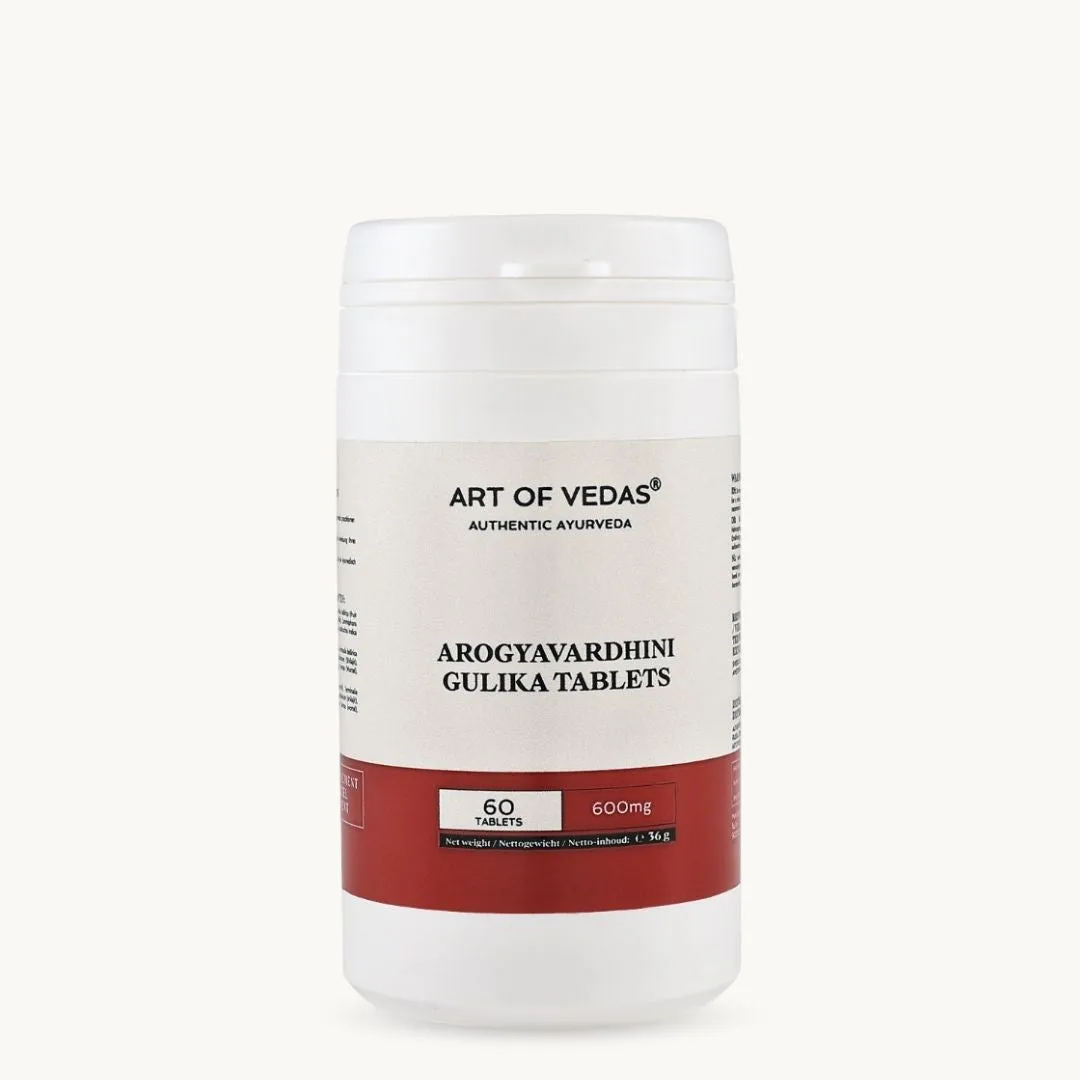
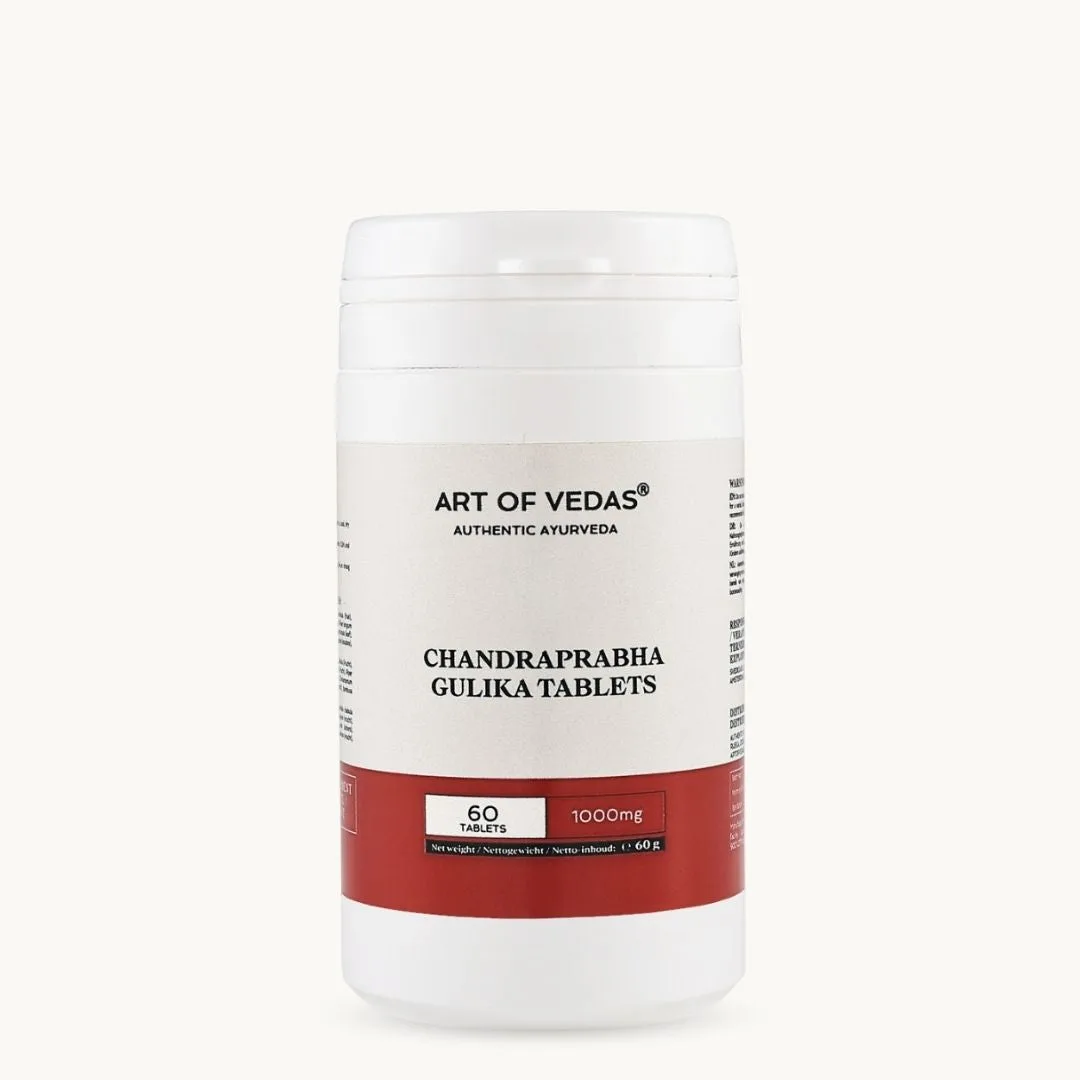
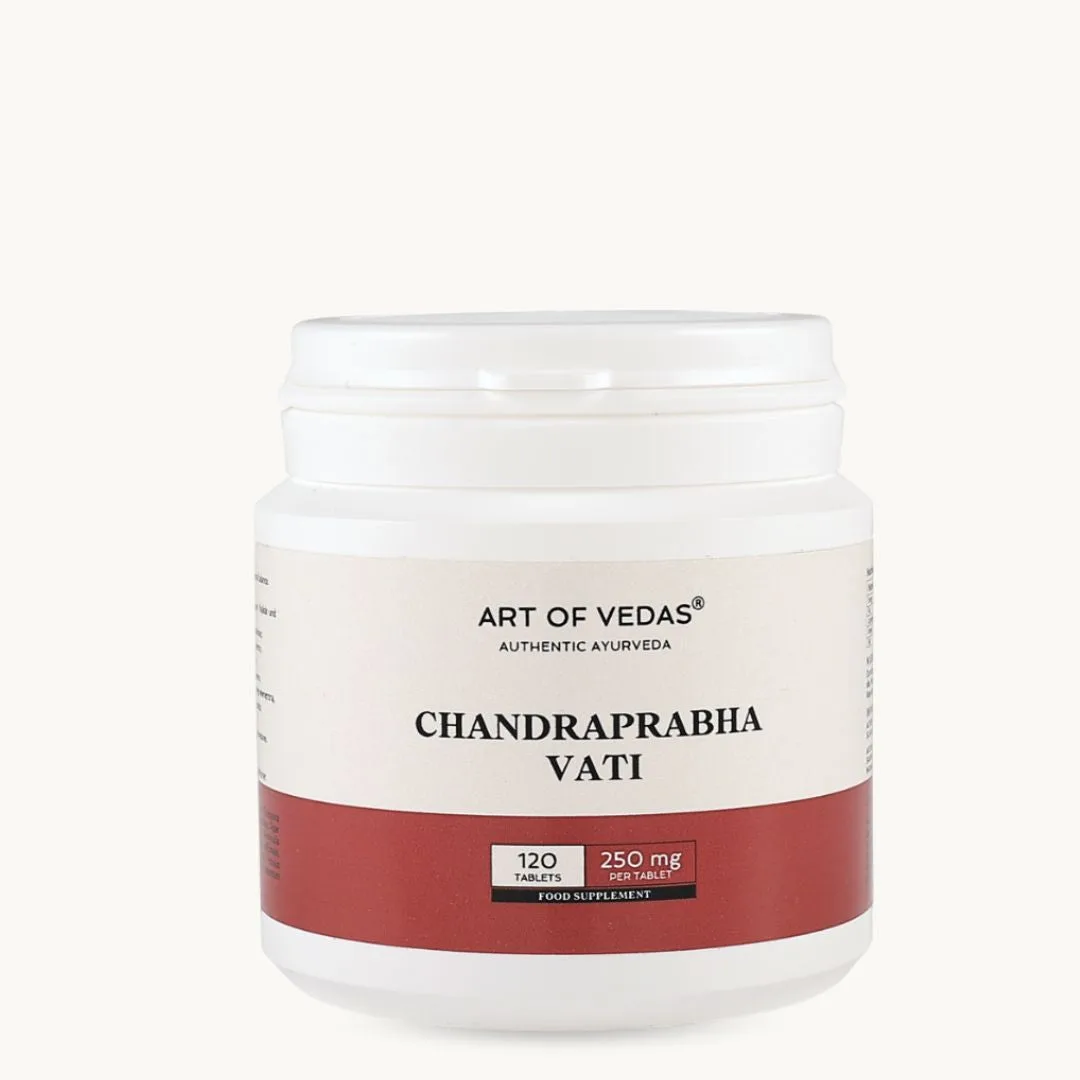
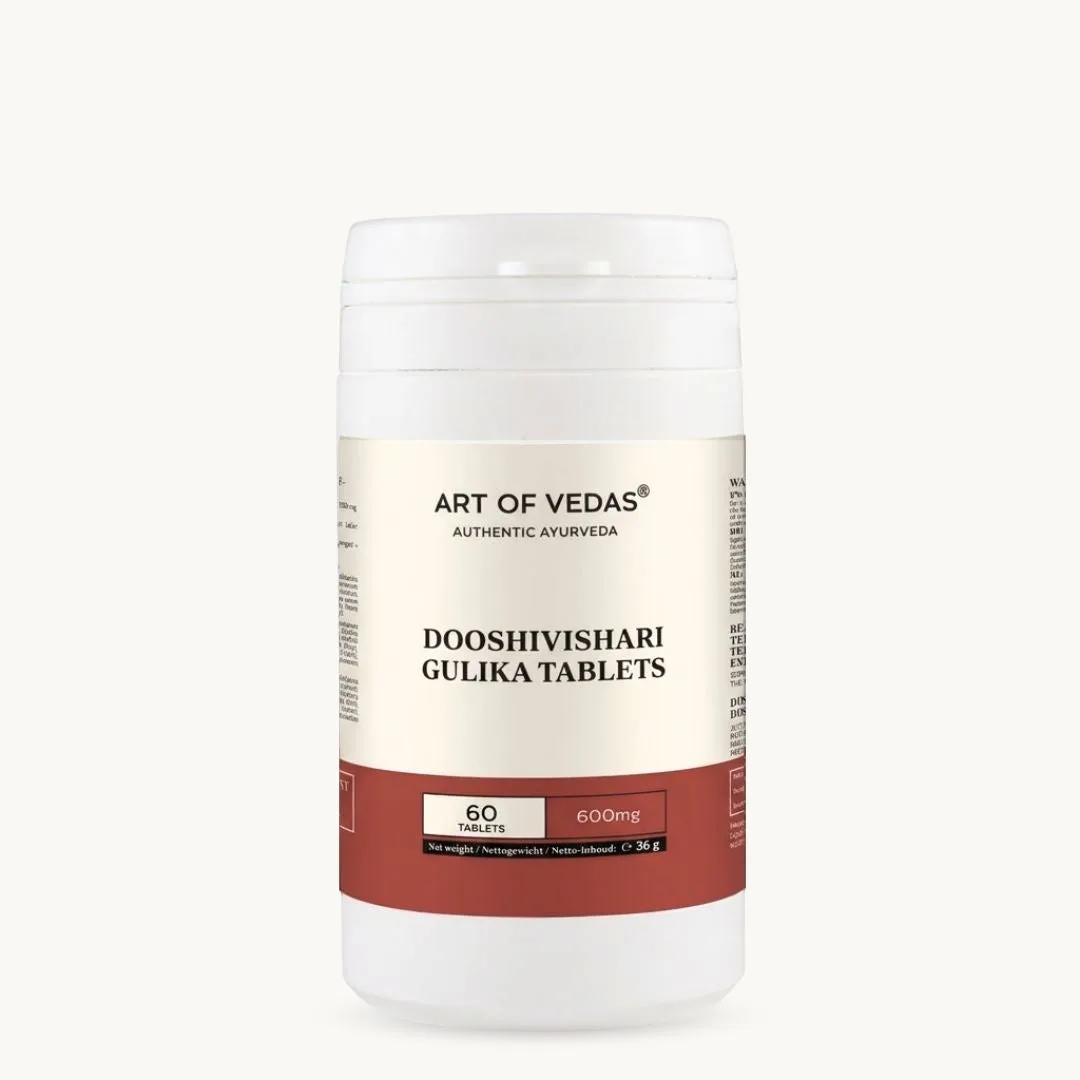
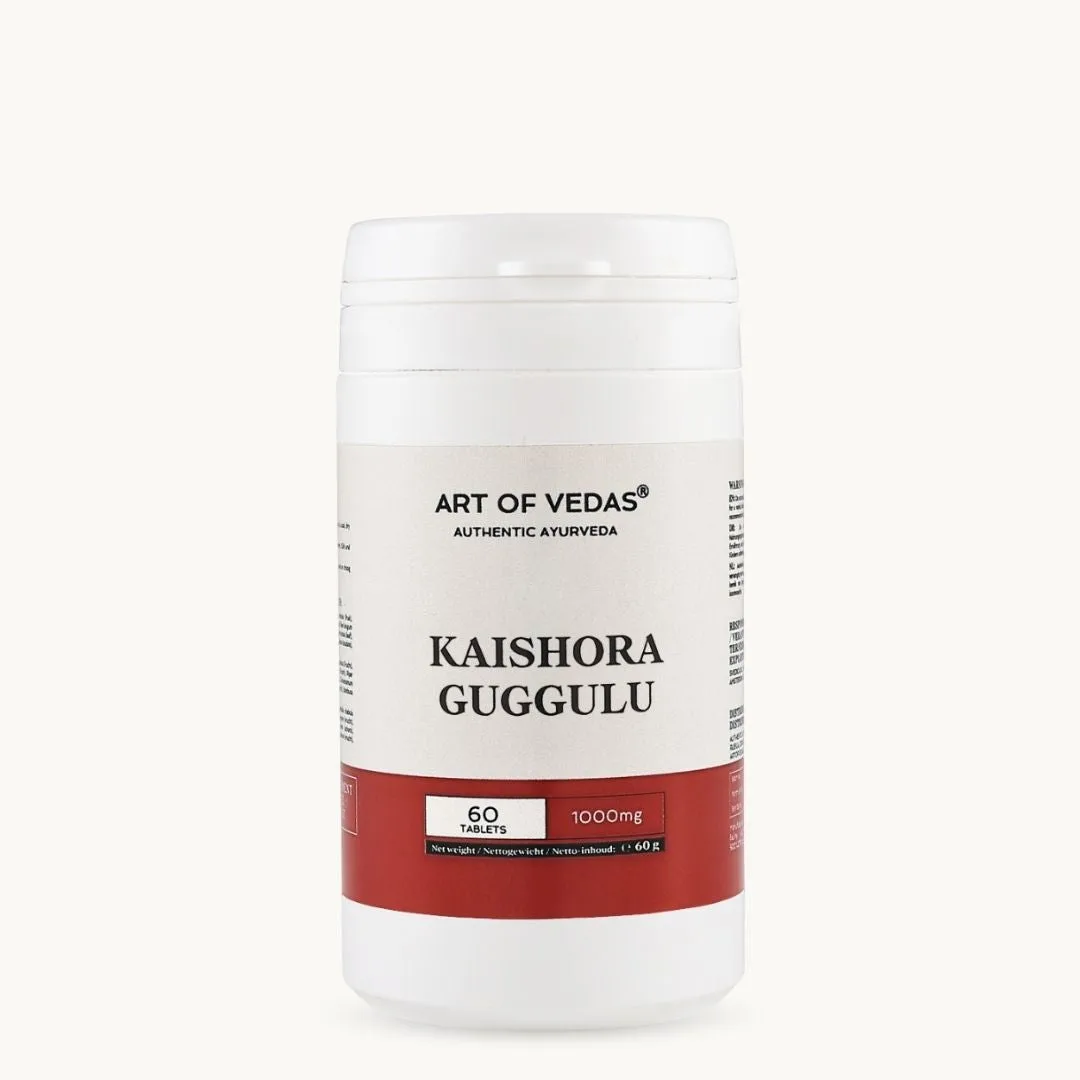
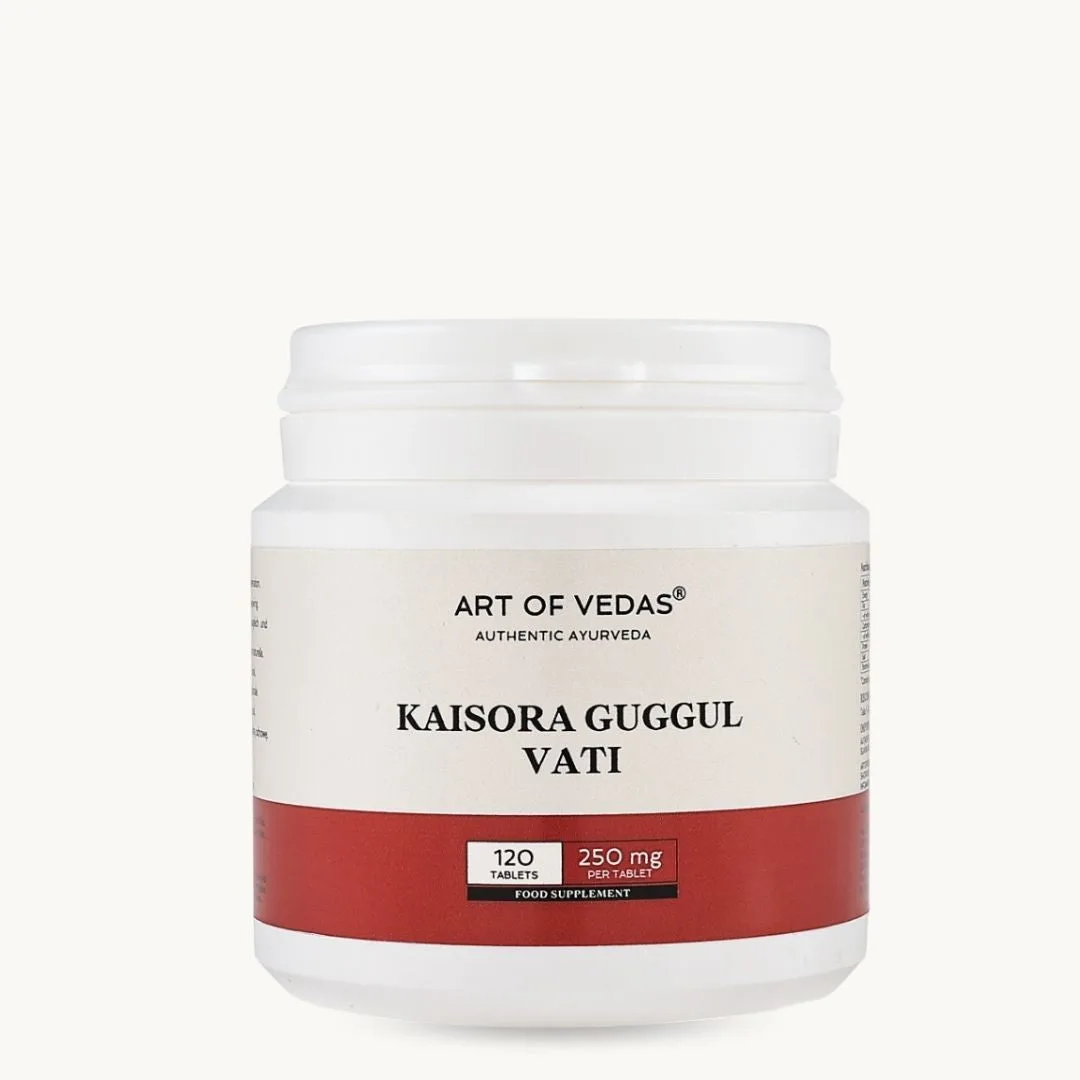
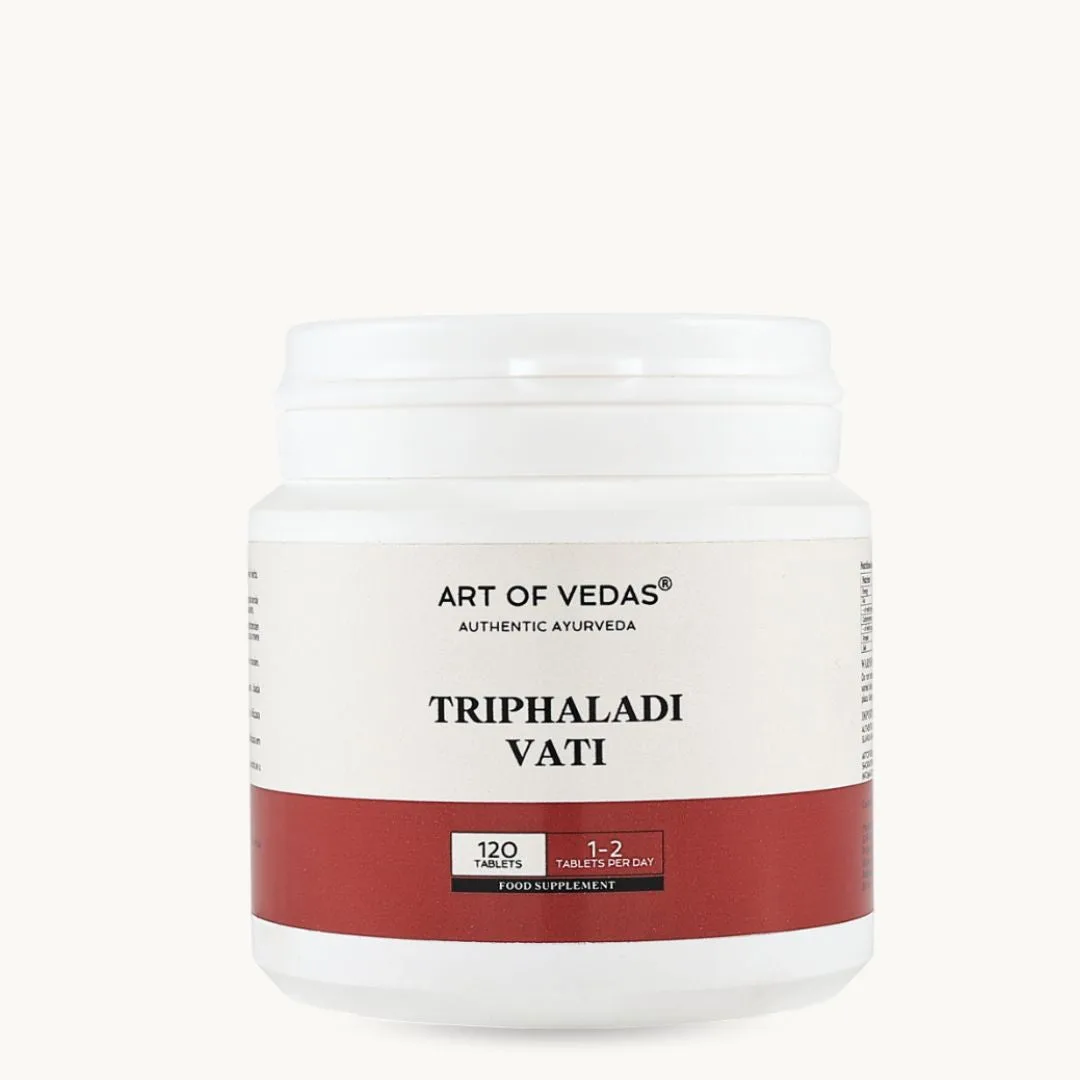


Classical formulas, pressed into a single measured tablet
Vati and Gulika are among the oldest compound preparations in Ayurveda, where many herbs are brought together and shaped into firm tablets so that each one carries the same considered dose. A Vati is typically a multi-herb powder bound and rolled into form, as recorded in the Bhaishajya Ratnavali, while a Gulika follows the classical method of Bhavana, the patient trituration of the powders with herbal juices until the preparation is concentrated and even. Within this collection you will find Guggulu-based compounds such as Kaisora Guggulu and Yogaraj Guggulu, the broad Chandraprabha formula offered in both Vati and Gulika forms, and more specialised tablets drawn from the older pharmaceutical traditions. To choose well, look less at the name and more at the qualities a formula is traditionally valued for and your own Prakriti (constitution), and if these preparations are new to you it is always wise to speak with a qualified Ayurvedic practitioner before beginning.
Questions about Vati and Gulika
What is the difference between a Vati and a Gulika?
Both are classical Ayurvedic tablets made from compounded herbs, and in everyday use the two words are often interchangeable. The distinction lies mainly in the method: a Vati is generally a blend of herbal powders bound and shaped into a tablet, as described in texts such as the Bhaishajya Ratnavali, while a Gulika often follows the process of Bhavana, in which the powders are triturated repeatedly with herbal juices before being formed. You will notice that a few formulas in this collection, such as Chandraprabha, appear in both forms.
How are these tablets traditionally taken?
In classical Ayurveda these compounds are taken by mouth, usually with a suitable Anupana (carrier) such as warm water, honey or another liquid chosen to suit the formula and the person. Dose, timing and carrier are not fixed by the tablet alone but by the practitioner who recommends it. For this reason we ask you to follow the guidance of a qualified Ayurvedic practitioner rather than a general rule.
How do I choose the right formula for me?
Begin with your Prakriti (your individual constitution) and the qualities a given formula is traditionally valued for, rather than the longest ingredient list. Broad compounds such as Chandraprabha are described in the classical texts as wide-ranging, while preparations like the Guggulu-based formulas are valued for their warming, mobilising character. If you are uncertain, a practitioner can read your constitution and point you to the one compound that suits you, which is far more reliable than choosing on name alone.
What are the Guggulu formulas in this collection?
Guggulu is the purified oleo-resin of the Commiphora plant, used in Ayurveda for centuries as the base of many compound tablets. In this collection you will find Kaisora Guggulu and Yogaraj Guggulu, each a classical formula in which the resin is combined with a set group of supporting herbs. They are traditionally valued in Ayurveda for their warming and grounding qualities and are among the most established preparations in the Guggulu family.
Are these suitable for every Dosha?
Not every formula suits every constitution, which is precisely why Ayurveda treats these as considered preparations rather than general tablets. Warming, mobilising compounds such as the Guggulu formulas are often turned to where there is excess Kapha or Vata, while cooling preparations are read differently. Because the right match depends on your Dosha balance at a given time, this is the kind of choice best made with a practitioner who can see your whole picture.
How should I store these tablets?
Keep your Vati and Gulika in their closed container, away from direct light, heat and damp, much as you would any dry herbal preparation. Moisture is the main thing to guard against, since these tablets are made from herbal powders and can soften if left open in a humid room. Stored sensibly in a cool, dry cupboard and used within the date on the pack, they will hold their character well.