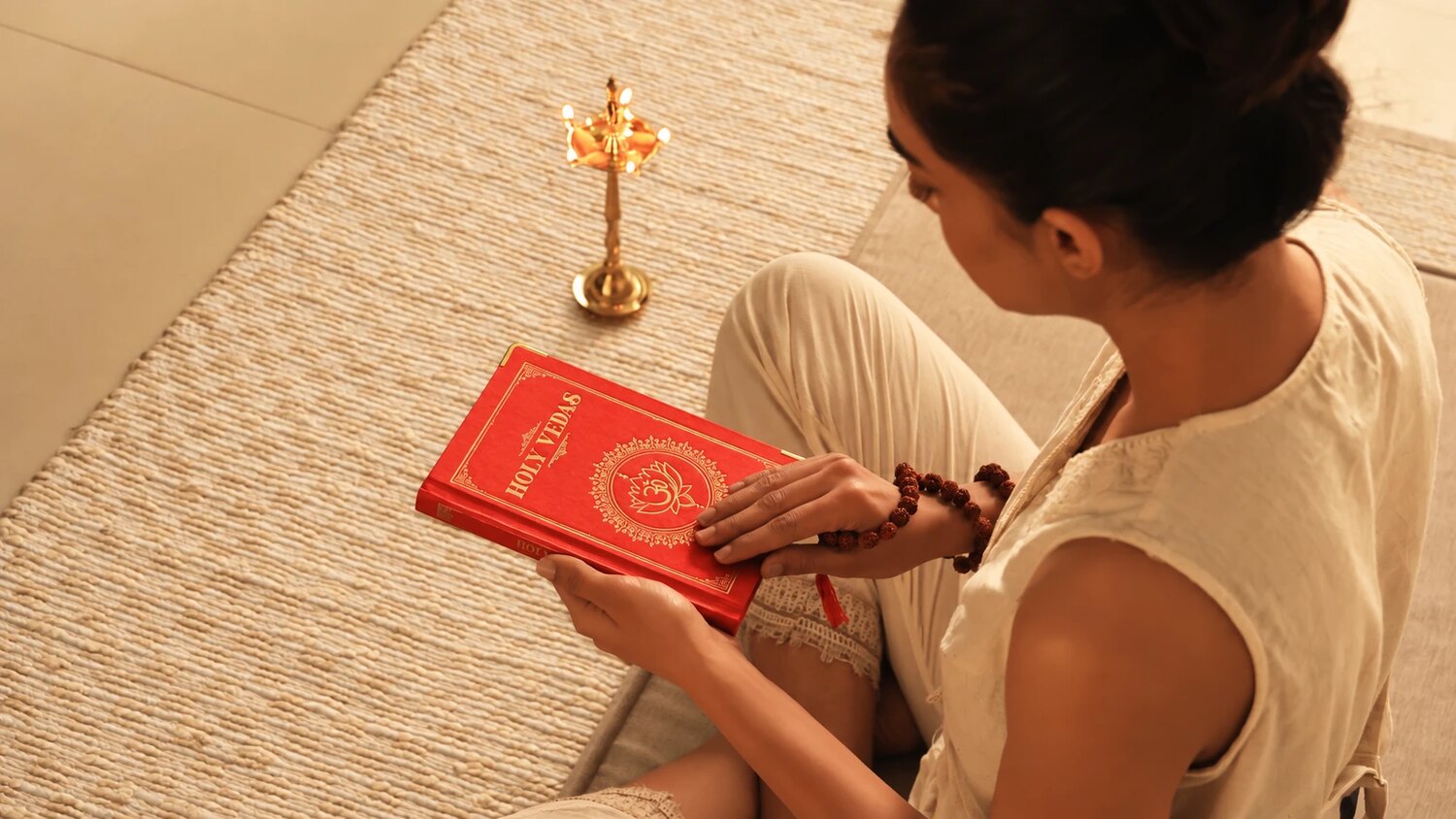

Kansa Tools for Marma Point Massage
Ayurveda maps 107 marma points where muscle, bone and nerve meet, and Kansa bronze has long been the chosen material for marma Abhyanga thanks to its naturally cooling quality associated with Pitta balance. These tools are shaped for precise, sustained pressure on face, scalp, feet, hands and body, used with a Thailam for smooth glide in clinic and daily ritual alike.

Kansa Tools for Marma Point Work
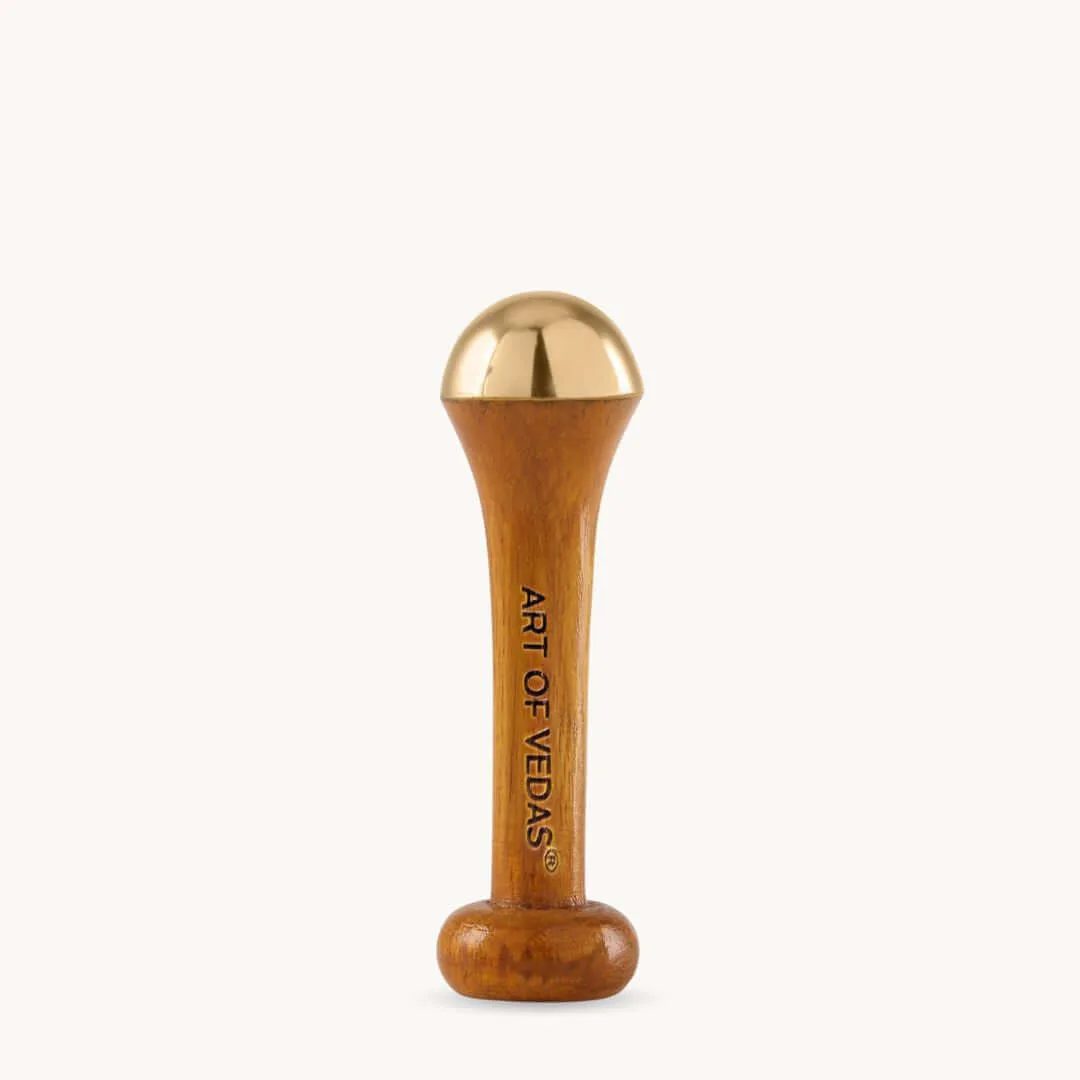
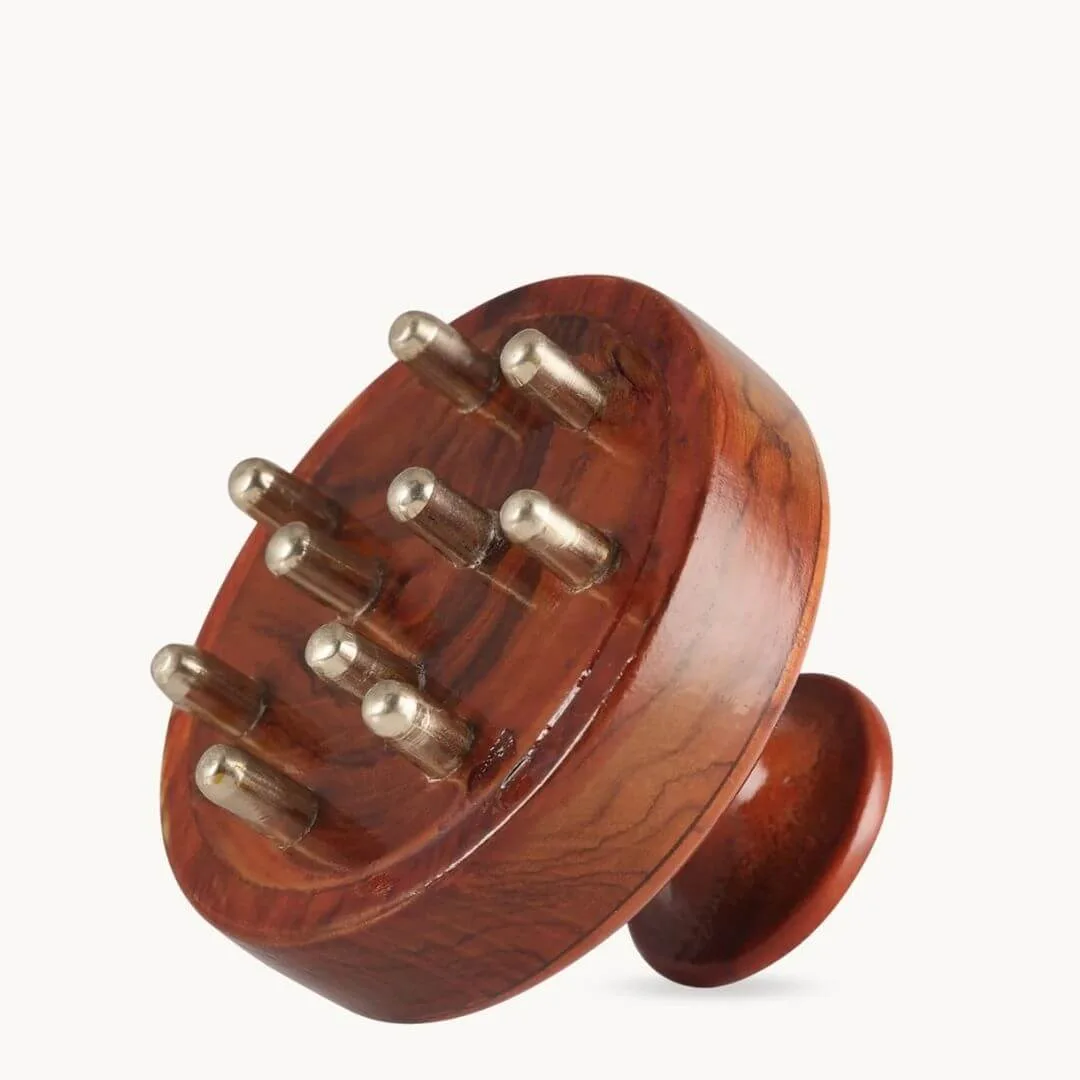
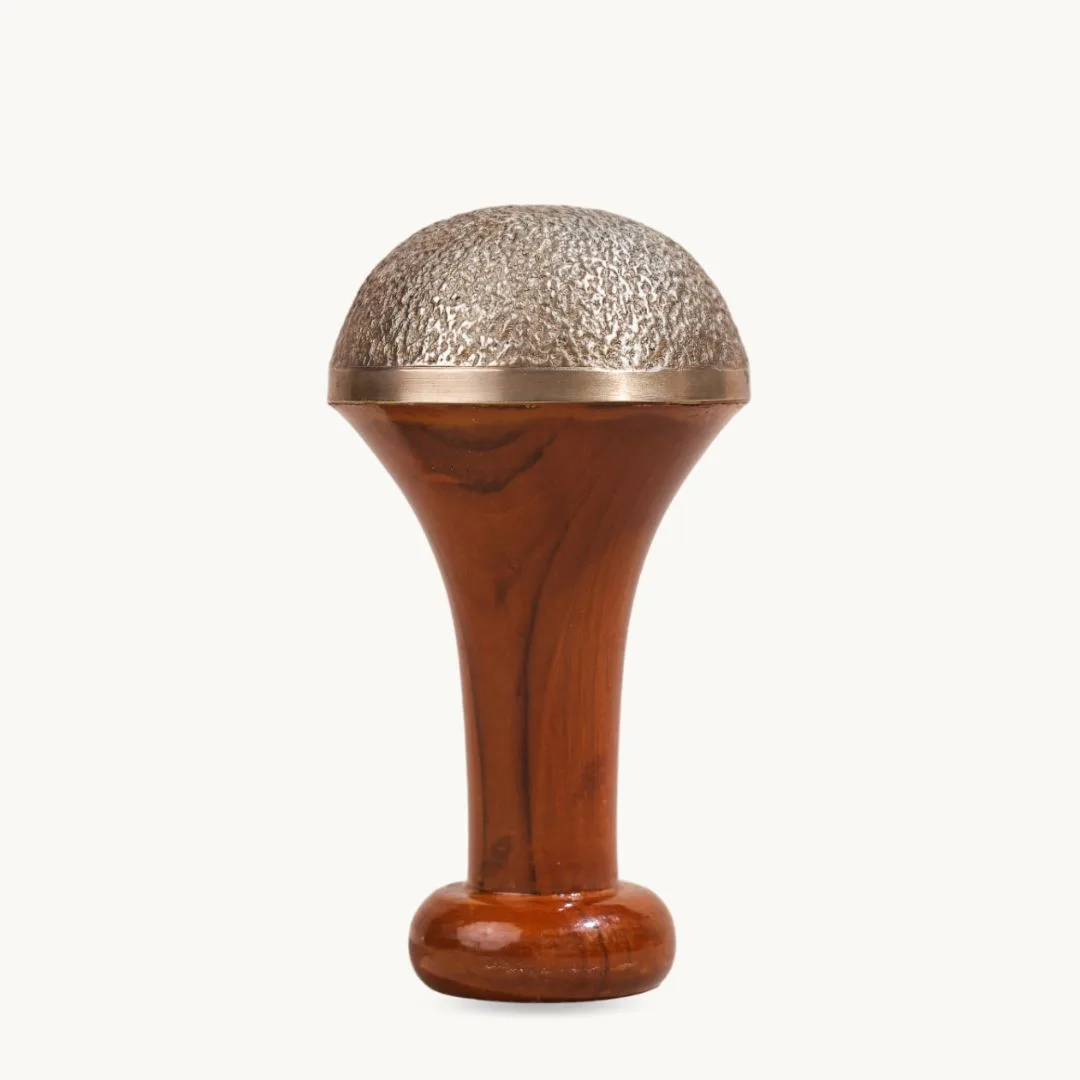
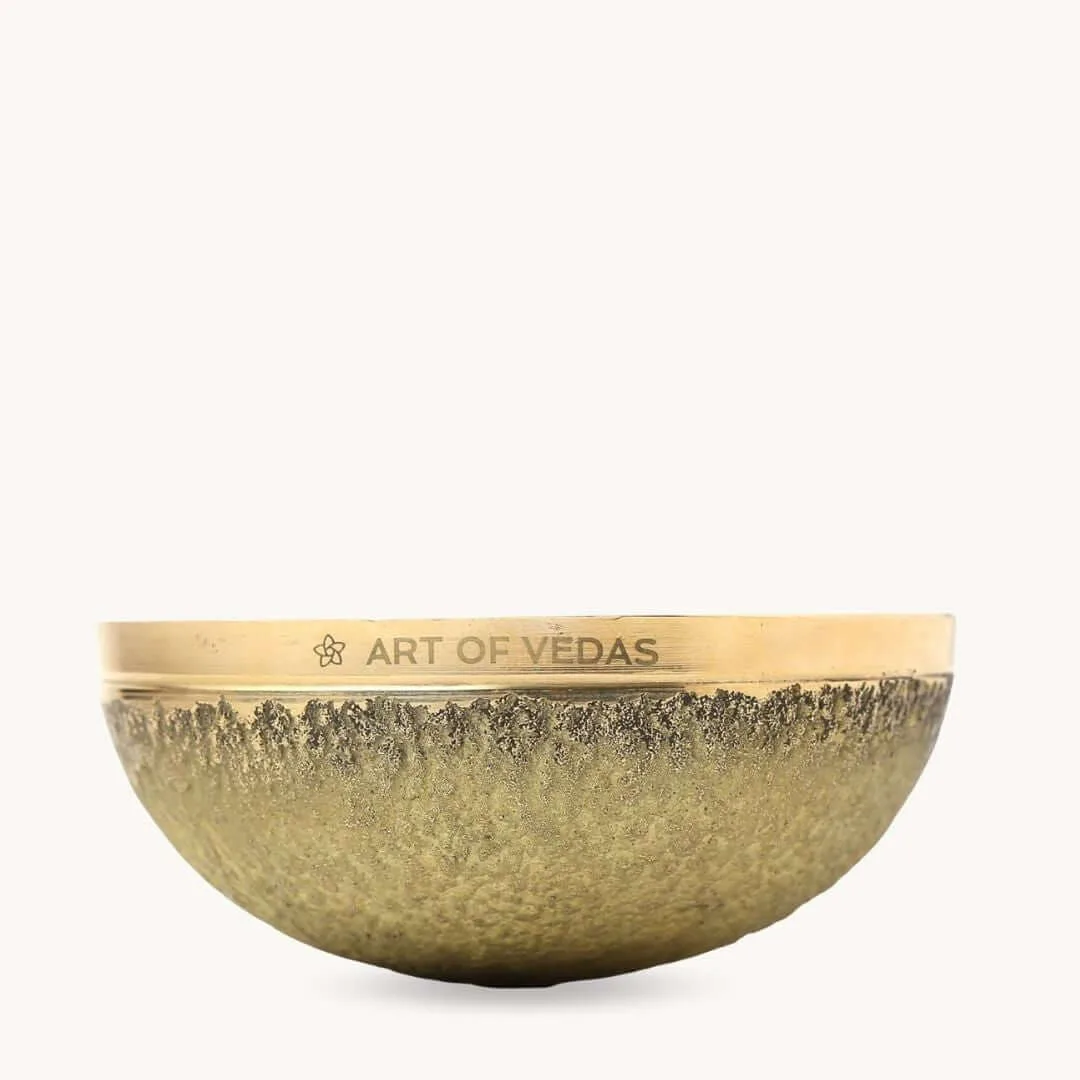
Kansa is a bronze alloy that Ayurveda has long valued for self-massage, and the tools gathered here are shaped for one purpose: steady, precise contact with Marma (the vital points where muscle, bone, nerve and subtle energy meet). Classical practice counts 107 such points across the face, scalp, hands, feet and body, and working them by hand can be tiring, so a weighted wand or a domed Vatki lets you hold sustained pressure without strain. You will find slim wands suited to the smaller points of the face, larger heads for the scalp and broad muscles, and the rounded Vatki traditionally drawn across the soles of the feet. Choose by where you intend to work: a fine tip for facial Marma and Mukha Abhyanga (facial self-massage with oil), a fuller head for scalp and limbs, the Vatki for grounding foot massage. Always apply with a Thailam (a medicated oil) or a plain facial oil first, since the metal needs that film of oil to glide and to do its quiet work.
Questions about Kansa and Marma point work
What exactly is a Kansa tool and why bronze?
Kansa is a traditional Ayurvedic alloy of copper and tin, a warm-toned bronze that has been used for massage utensils for generations. Ayurveda values the metal for the particular feel it brings to the skin when paired with oil, which is why these tools are made from it rather than steel or plastic. The weight of the bronze head is also part of the design, letting you apply even pressure to a Marma point without tensing your own hand.
What are Marma points, and do I need training to work them?
Marma are the vital points described in classical Ayurveda, junctions where muscle, bone, nerve and subtle energy meet, and the texts count 107 of them across the body. Practitioners study their precise locations, but you do not need formal training to begin: gentle, attentive work on the face, scalp and feet is part of everyday self-care in Ayurveda. If you are drawn to deeper clinical Marma therapy, that is best learned from a qualified teacher, while these tools serve both the home ritual and the practitioner's table.
How do I choose between a wand and a Kansa Vatki?
It comes down to where you want to work. A slim Marma wand suits the smaller points of the face and the contours around the eyes and jaw, while a larger scalp and body wand covers the head, shoulders and limbs with broader strokes. The Kansa Vatki is a rounded, domed bowl-shape traditionally moved across the soles of the feet for a grounding evening massage, so many people keep one alongside a wand to cover face and feet alike.
How do I actually use these tools?
Begin by applying a Thailam (a medicated Ayurvedic oil) or a plain facial oil to the area, since the bronze needs that film of oil to glide rather than drag. Work slowly in small circles or gentle sweeps over the chosen points, letting the weight of the head do the pressing for you, and stop if anything feels tender. A few minutes on the face before bed, or on the feet at the end of the day, is enough to fold the practice into your Dinacharya (daily routine).
Will the bronze darken, and how should I care for it?
Yes, Kansa naturally develops a darker patina over time, and oil from massage will leave the surface looking deeper in tone; this is normal for the alloy and not a fault. Wipe the tool clean and dry after each use, and if you prefer the original lustre you can polish it occasionally with a paste of lemon and salt, then rinse and dry it well. Keep it in a dry place rather than a damp bathroom shelf, and it will serve you for many years.
Is Kansa massage suited to my Dosha?
Self-massage with oil, known as Abhyanga, is traditionally valued in Ayurveda as grounding and settling for Vata, while the choice of oil lets you tailor the practice to your own Prakriti (constitution). A warming Thailam pairs naturally with the bronze for Vata and Kapha tendencies, and a lighter, cooler facial oil suits Pitta sensitivity. The tool itself is gentle enough for all constitutions; it is the oil you select and the pressure you use that you adjust to suit yourself.