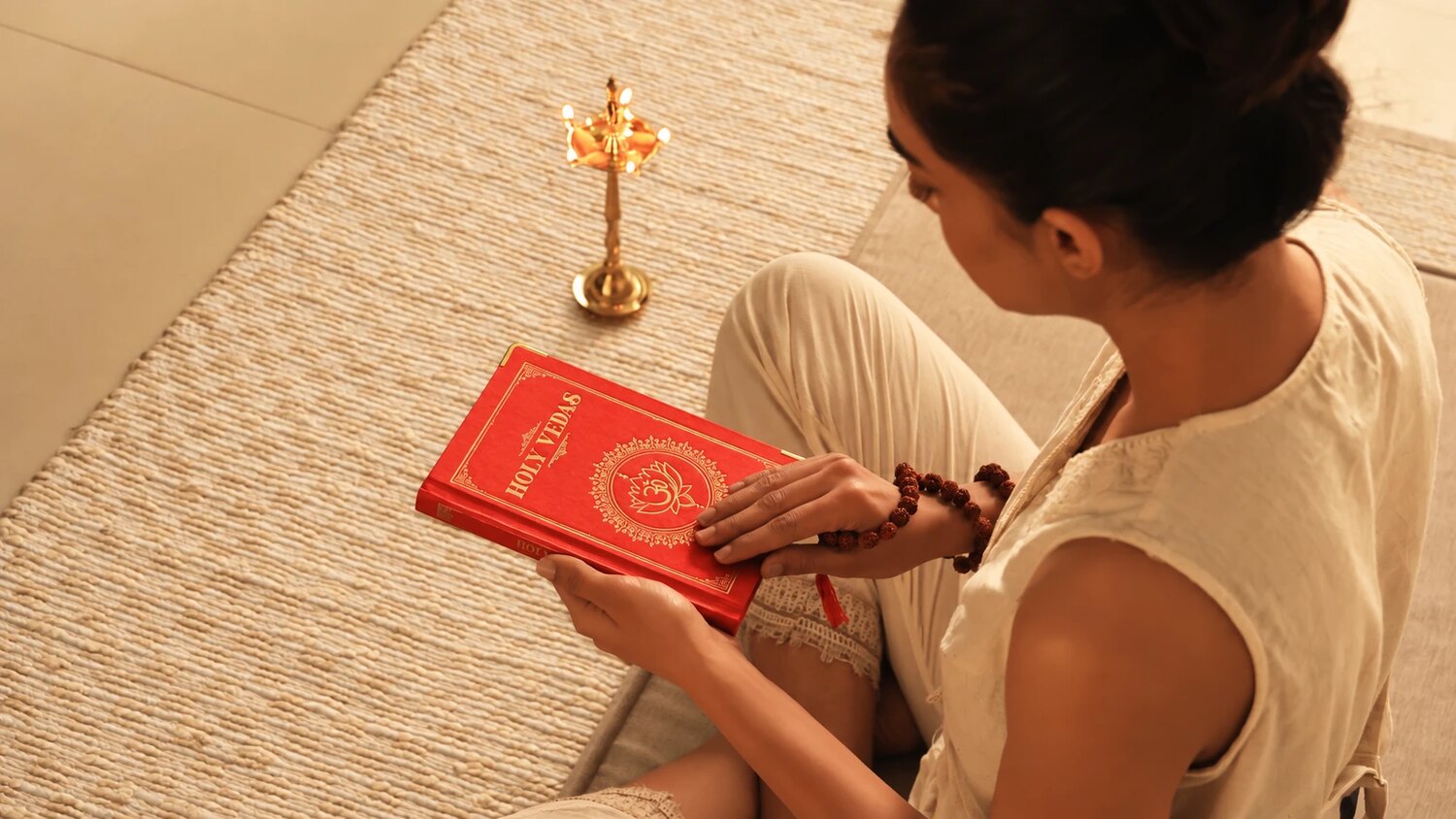

Body Rituals (Abhyanga)
Abhyanga is the Ayurvedic practice of warm oil self-massage, one of the oldest daily rituals described in the classical texts. Warm the oil, apply it to your body, and work it into the skin with long, steady strokes. It is simple, deeply nourishing, and one of the most grounding Ayurvedic rituals for self care.


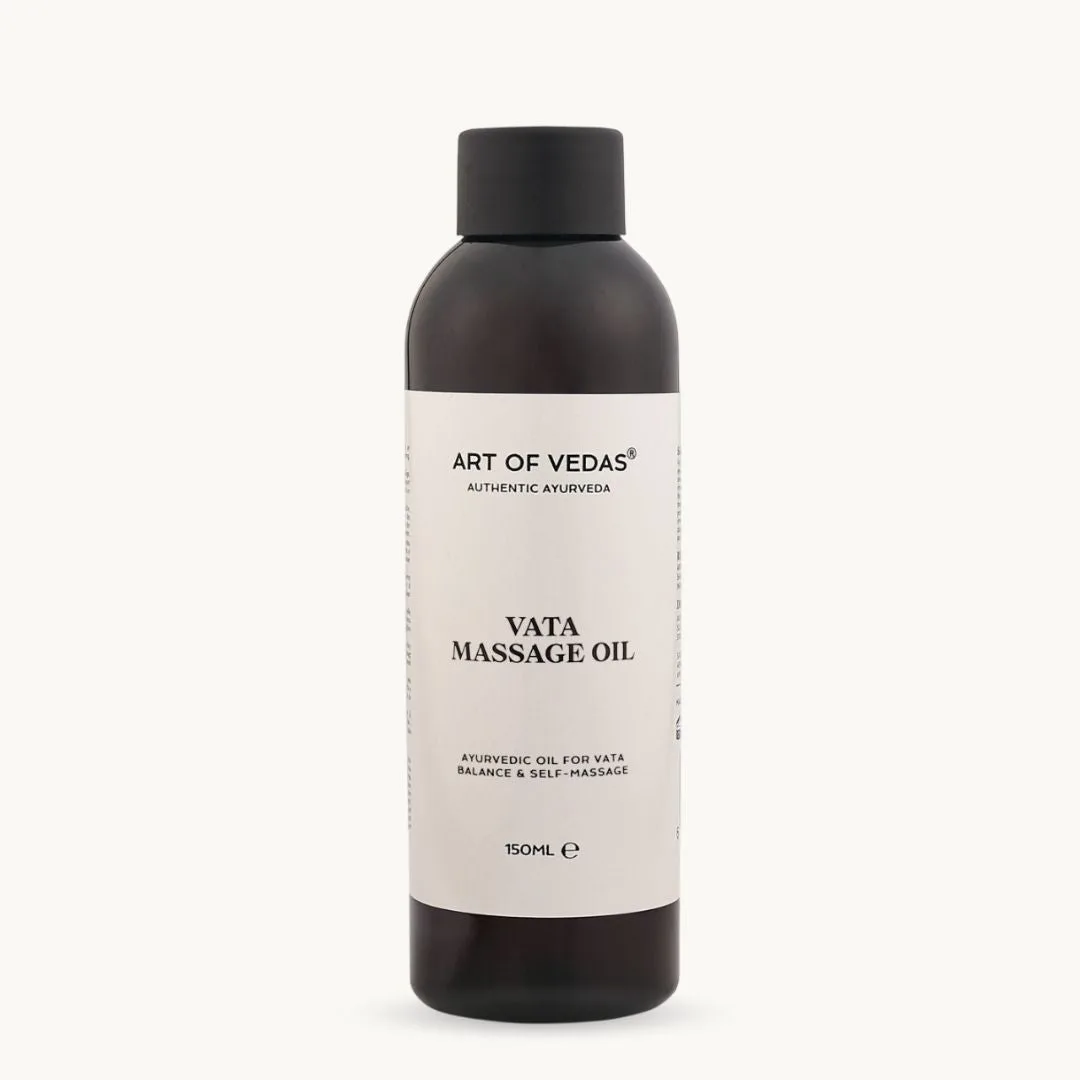

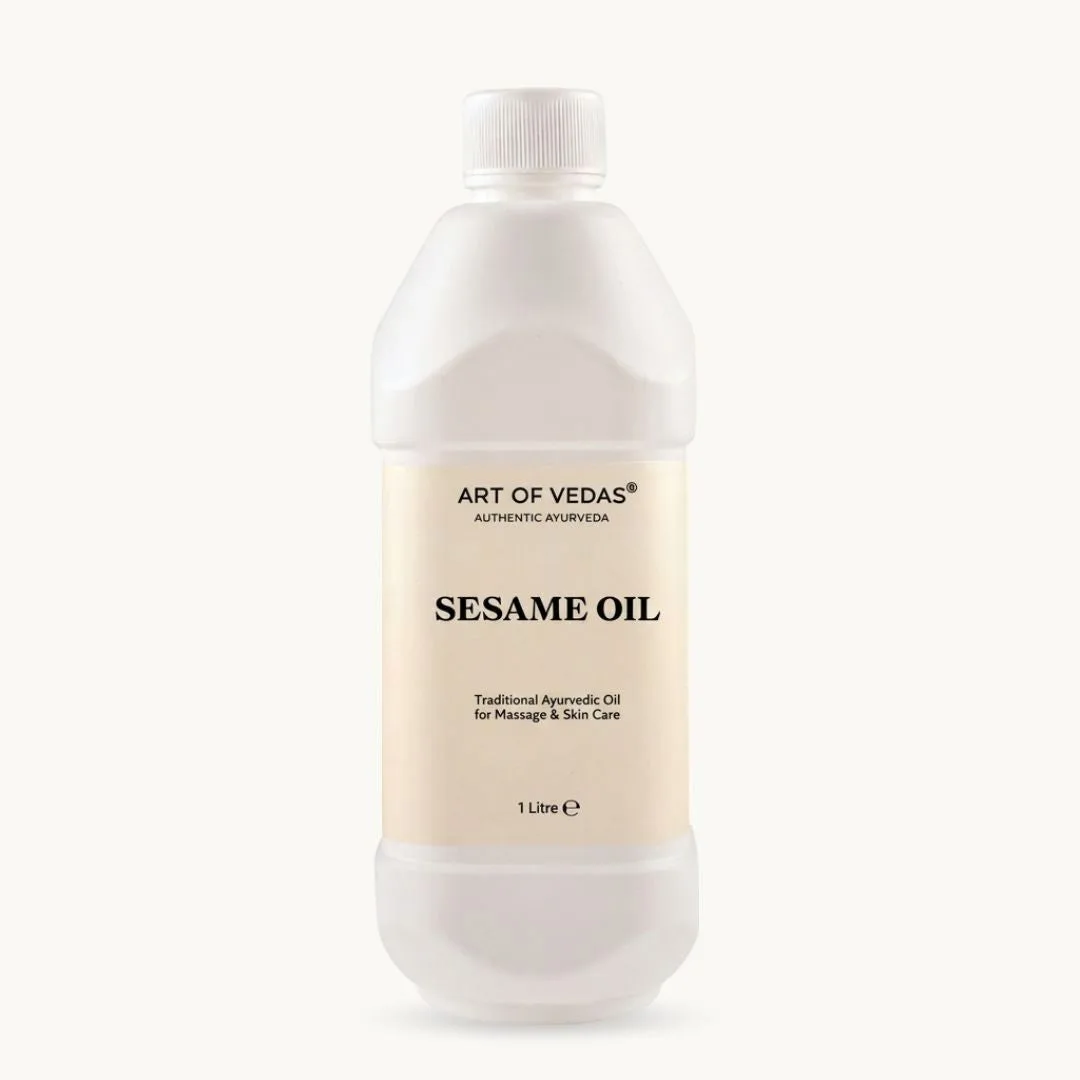

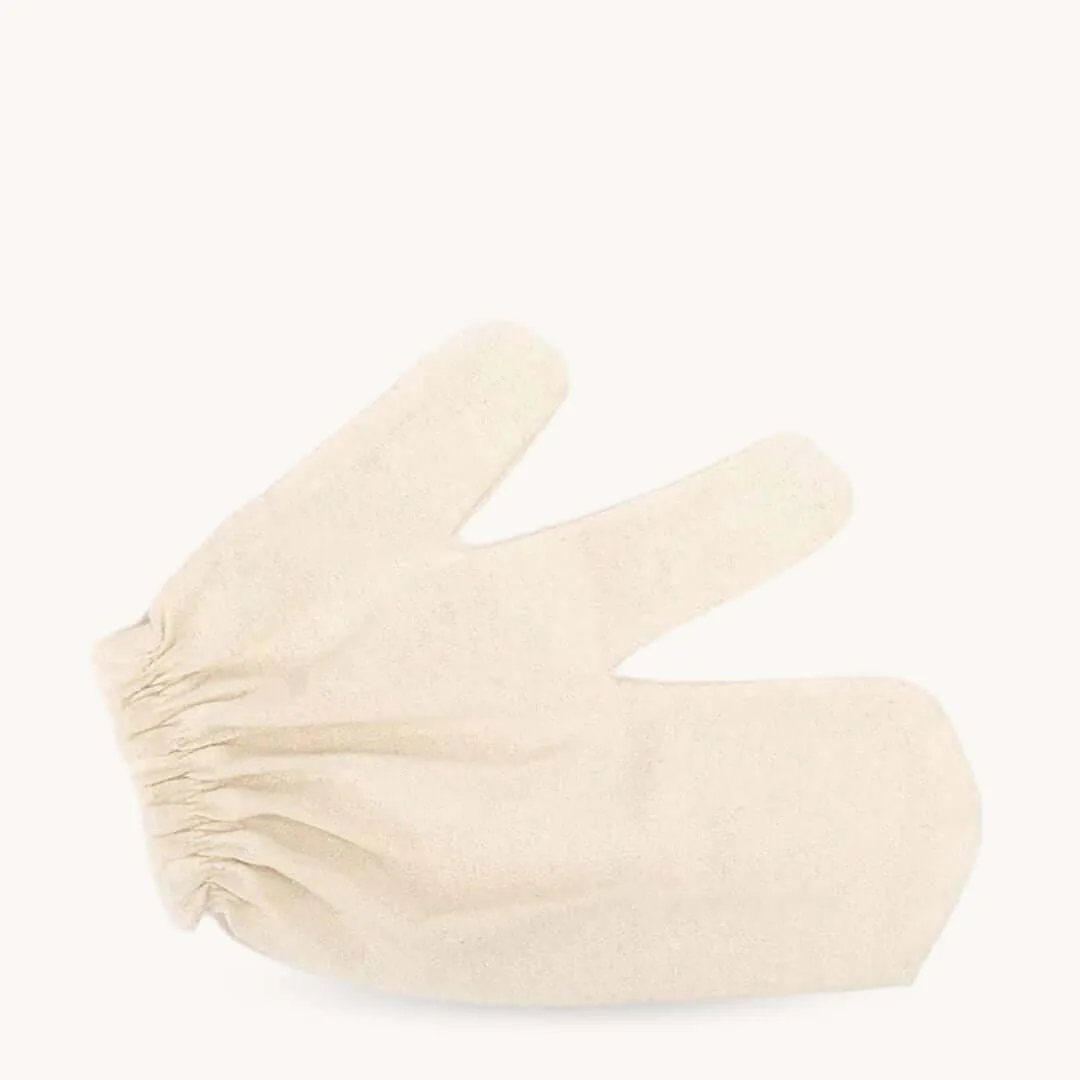
Abhyanga, the daily oiling of the body
Self-massage in Ayurveda is the practice of Abhyanga (warm oil applied to the whole body with slow, steady strokes), counted among the oldest daily rituals of Dinacharya (the daily routine) and described across the classical texts. It is a quiet way to begin or close the day, traditionally valued in Ayurveda to settle a restless Vata, warm cool skin, and bring you back into your own body before the world asks anything of you. Within this category you will find pure Sesame Oil as a classical base, blends composed for a particular Dosha (Vata, Pitta, or a balanced Tri-Dosha oil), and Garshana gloves for the dry, oil-free massage that suits a heavier Kapha morning. Choose by your Prakriti or by how you feel that week: a warming oil when you are dry and ungrounded, a cooling Pitta blend when you run hot, and dry Garshana when the body feels sluggish or heavy. There is no wrong way to begin; even a few minutes given to the skin is enough to make the ritual yours.
Questions about Ayurvedic self-massage
What is Abhyanga and how is it different from an ordinary massage?
Abhyanga is the Ayurvedic practice of massaging the whole body with warm oil, usually performed on yourself as part of Dinacharya (the daily routine). Unlike a treatment you book and receive, it is meant to be a simple, repeatable ritual you do at home, often in the morning before bathing. The oil is worked into the skin with long strokes along the limbs and circular strokes over the joints, so the value lies as much in the steady rhythm as in the oil itself.
How do I actually do a self-massage at home?
Warm the oil gently by standing the bottle in a bowl of hot water until it feels comfortable on the skin, never hot. Apply it from the feet upward, using long strokes along the arms and legs and slow circles around the shoulders, knees, and belly, and give a little extra time to the soles of the feet and the crown of the head if you wish. Let the oil rest on the skin for ten to twenty minutes if you can, then bathe in warm water; what your skin has not absorbed will rinse away and leave it soft rather than greasy.
Which oil should I choose for my Dosha?
Sesame Oil is the classical all-round base and suits most people, particularly when Vata is high and the skin feels dry or you feel scattered and cold. The Vata Massage Oil is composed to be warming and grounding, the Pitta Massage Oil leans cooling for those who run hot or are easily irritated, and the Tri-Dosha Massage Oil is a balanced blend if you are unsure of your Prakriti or want one oil for the whole household. If you know your constitution, choose by Dosha; if not, the Tri-Dosha oil or plain Sesame Oil is a reliable place to start.
What are Garshana gloves and when would I use them instead of oil?
Garshana is the dry, oil-free massage of Ayurveda, performed here with raw silk gloves brushed briskly over the skin toward the heart. It is traditionally valued in Ayurveda to invigorate a heavy, sluggish Kapha morning and to ready the skin before an oil Abhyanga. You might reach for the gloves on days when an oil massage feels too rich, or use them first and follow with oil for a fuller ritual.
How often should I practise self-massage?
In the classical routine, Abhyanga is described as a daily practice, ideally in the morning before bathing, though many people find two or three times a week realistic and still rewarding. Listen to the season and to yourself: warming oil massage suits the cooler, drier months and times when you feel ungrounded, while dry Garshana suits damp, heavy mornings. Even a short massage given regularly does more than a long one done rarely.
How should I store the oils and care for the gloves?
Keep the massage oils closed and away from direct sunlight and heat, somewhere cool and dry such as a bathroom cabinet rather than a sunny windowsill, and use them within the period stated on the label once opened. Warm only the small amount you need rather than heating the whole bottle each time. The Garshana gloves are washable: rinse them by hand in lukewarm water now and then and let them air-dry flat, which keeps the silk fresh between uses.