

Abhyanga Oils: Dosha Massage Oils
Dosha-specific Abhyanga oils for the traditional warm oil self-massage ritual. Choose Vata for grounding warmth, Pitta for a cooling touch, Tri Dosha for a balanced daily oil, or explore the full massage oil collection for body, scalp and seasonal rituals.







Warm oil for the daily self-massage
Abhyanga is the practice of anointing the body with warmed oil, a quiet part of Dinacharya (the daily routine) that classical Ayurveda values for its grounding, settling qualities. The oils gathered here are made for that ritual: a base of sesame or castor carrier oil, and ready-to-use blends keyed to your constitution, so you can match the oil to how you feel rather than to a single recipe. If you tend to feel dry, light or restless, the warming Vata oil suits you; if heat and intensity build easily, the cooling Pitta oil is the gentler choice; and the Tri Dosha oil gives you one balanced option for everyday use across the seasons. Begin with whichever speaks to your Prakriti (your natural constitution), warm a little oil between your hands, and work it slowly into the skin before you bathe.
Questions about Abhyanga oils
What is Abhyanga, and what makes these oils suited to it?
Abhyanga is the traditional practice of massaging the whole body with warmed oil, described in classical Ayurveda as part of Dinacharya, the daily routine. The oils in this collection are chosen for that ritual: carrier oils like sesame that the body absorbs slowly, and blends prepared to sit comfortably on the skin during a longer self-massage. You apply them generously and unhurriedly, which is rather different from a quick dab of moisturiser.
How do I actually perform the self-massage?
Warm a small amount of oil by standing the bottle in hot water or rubbing it between your palms, then apply it to dry skin before you shower or bathe. Work with long strokes along the limbs and circular movements over the joints and belly, giving the soles of the feet and the scalp a little extra attention if you have time. Let the oil settle for ten to fifteen minutes, then rinse with warm water; the warmth of the bath helps the skin take in what it needs.
Which oil should I choose for my Dosha?
Choose the Vata oil if you often feel dry, cold, light or scattered, as it is blended for its warming, grounding qualities. Reach for the Pitta oil if heat, sharpness or intensity build up easily in you, since it is made for a cooler, calmer touch. If you would rather keep one oil for everyday use, or you are unsure of your constitution, the Tri Dosha oil is a balanced choice suited to most people through the year.
Can I use plain sesame or castor oil instead of a Dosha blend?
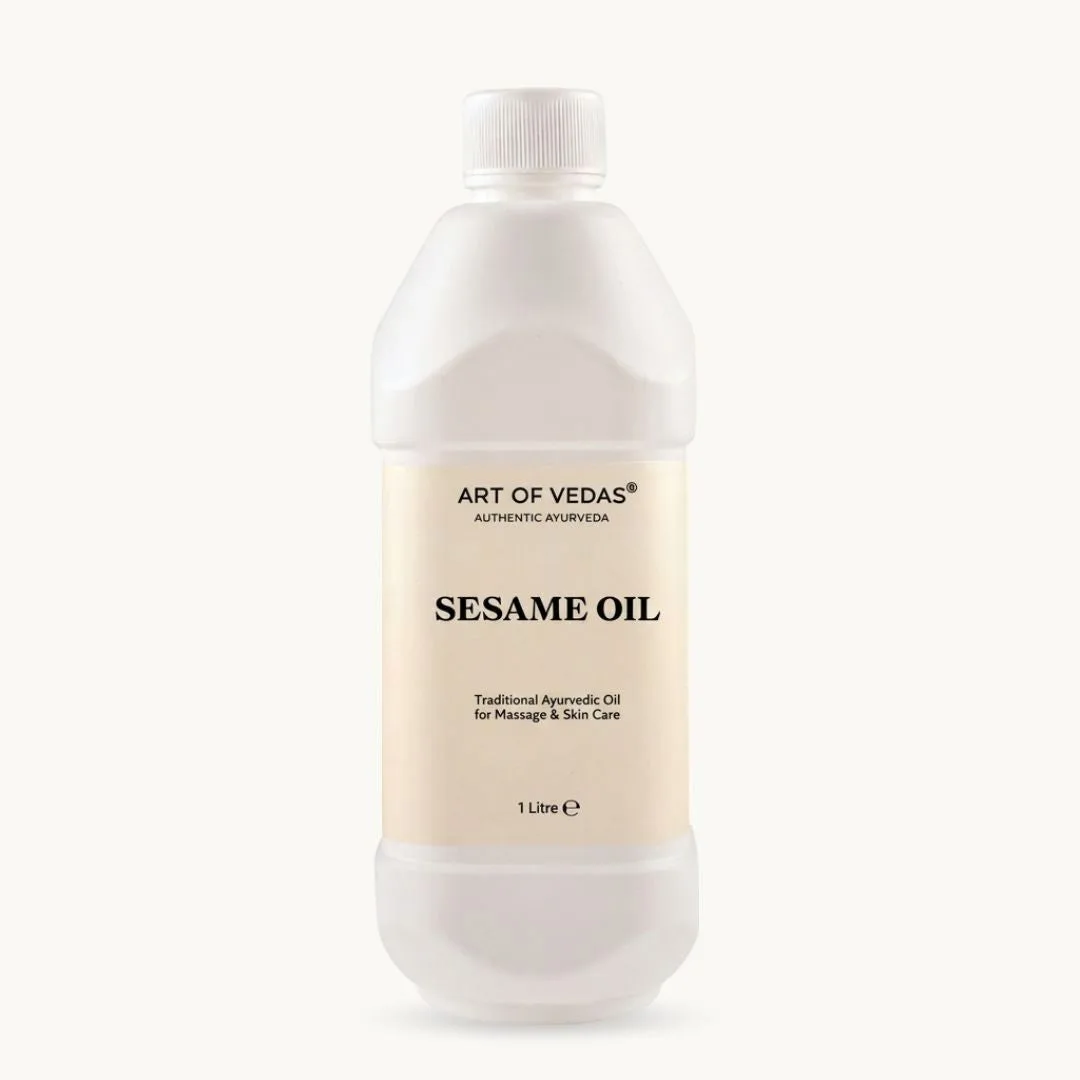
Yes. Sesame oil is the classical base for Abhyanga and is traditionally valued in Ayurveda for its warming quality, which makes it a natural everyday choice, particularly in cooler weather. Castor oil is heavier and is often used in smaller amounts or combined with a lighter oil. The Dosha-specific blends simply build on these carrier oils with a constitution in mind, so a single-ingredient oil is a perfectly good starting point.
How often should I do Abhyanga, and how much oil is right?
Many people practise Abhyanga daily as part of their morning routine, though two or three times a week is a gentle way to begin. A tablespoon or two is usually enough for the whole body once you become comfortable with the strokes. Listen to your skin: dry, cooler seasons tend to call for a little more oil, while in warmer months you may prefer a lighter application.
How should I store these oils, and how long do they keep?
Keep the bottles closed, away from direct sunlight and heat, and your oils will stay in good condition for the period shown on the label. There is no need to refrigerate them; a cool cupboard is ideal, and warming only the portion you intend to use helps preserve the rest. If an oil ever smells noticeably different from when you opened it, it is best to set it aside.