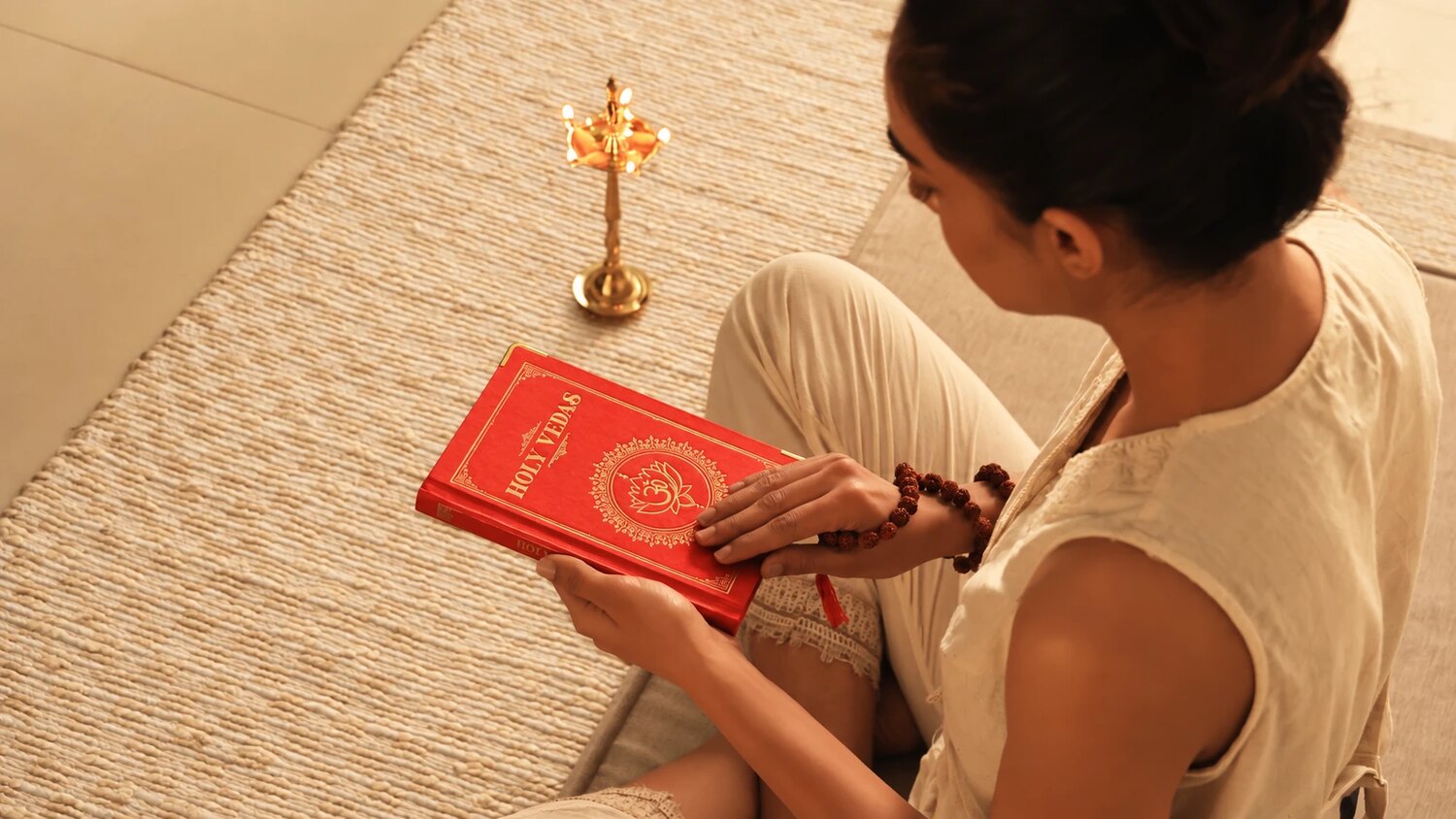

Ubtan: Ayurvedic Cleansing (Shodhana)
In Ayurveda, clear skin begins with Shodhana, the classical first step of any Mukha ritual that lifts away the subtle impurities dulling the complexion over time. Choose from a gentle daily Ubtan for all skin types, a deep-cleansing mask for oily skin, or a single Varnya rose petal Churnam to blend your own.
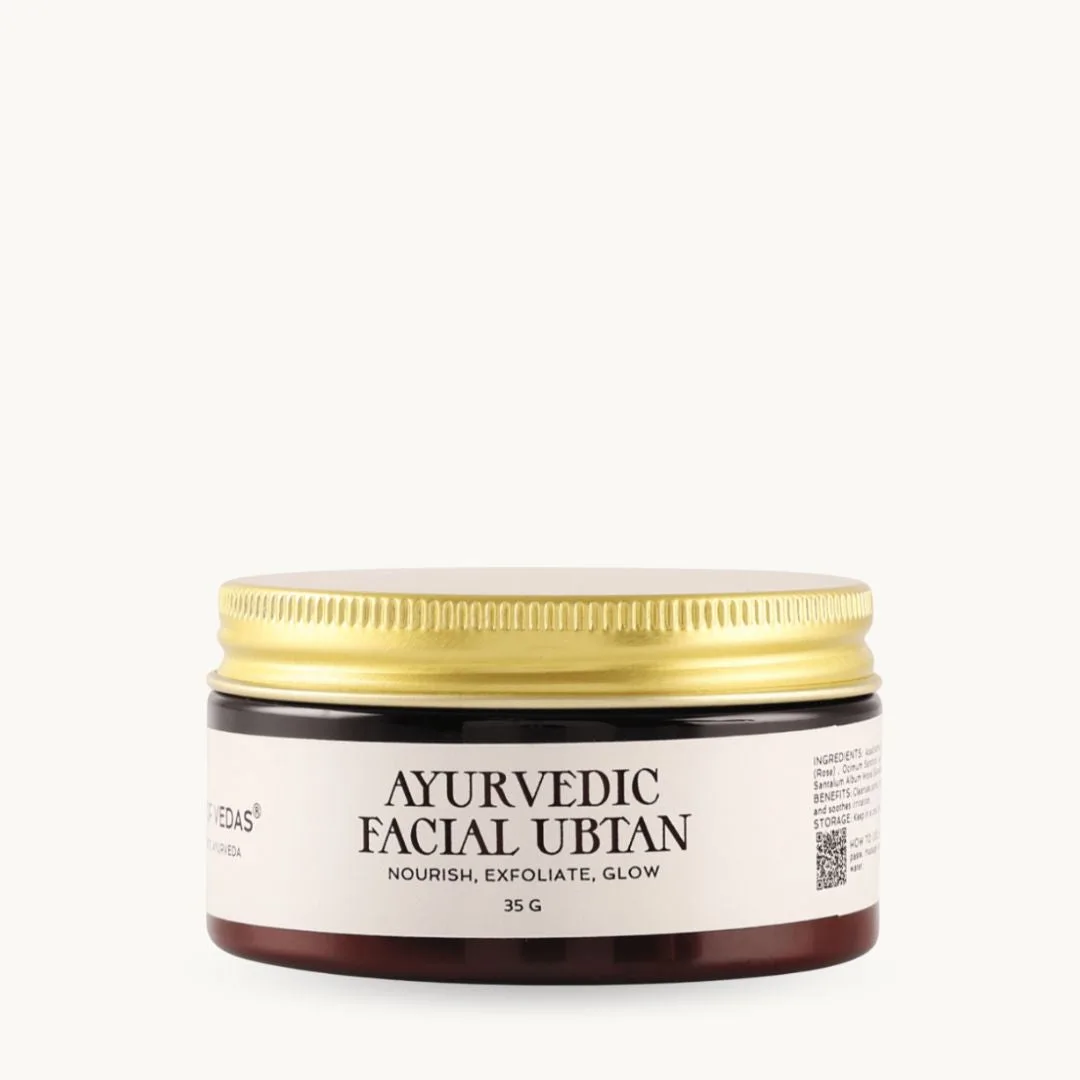
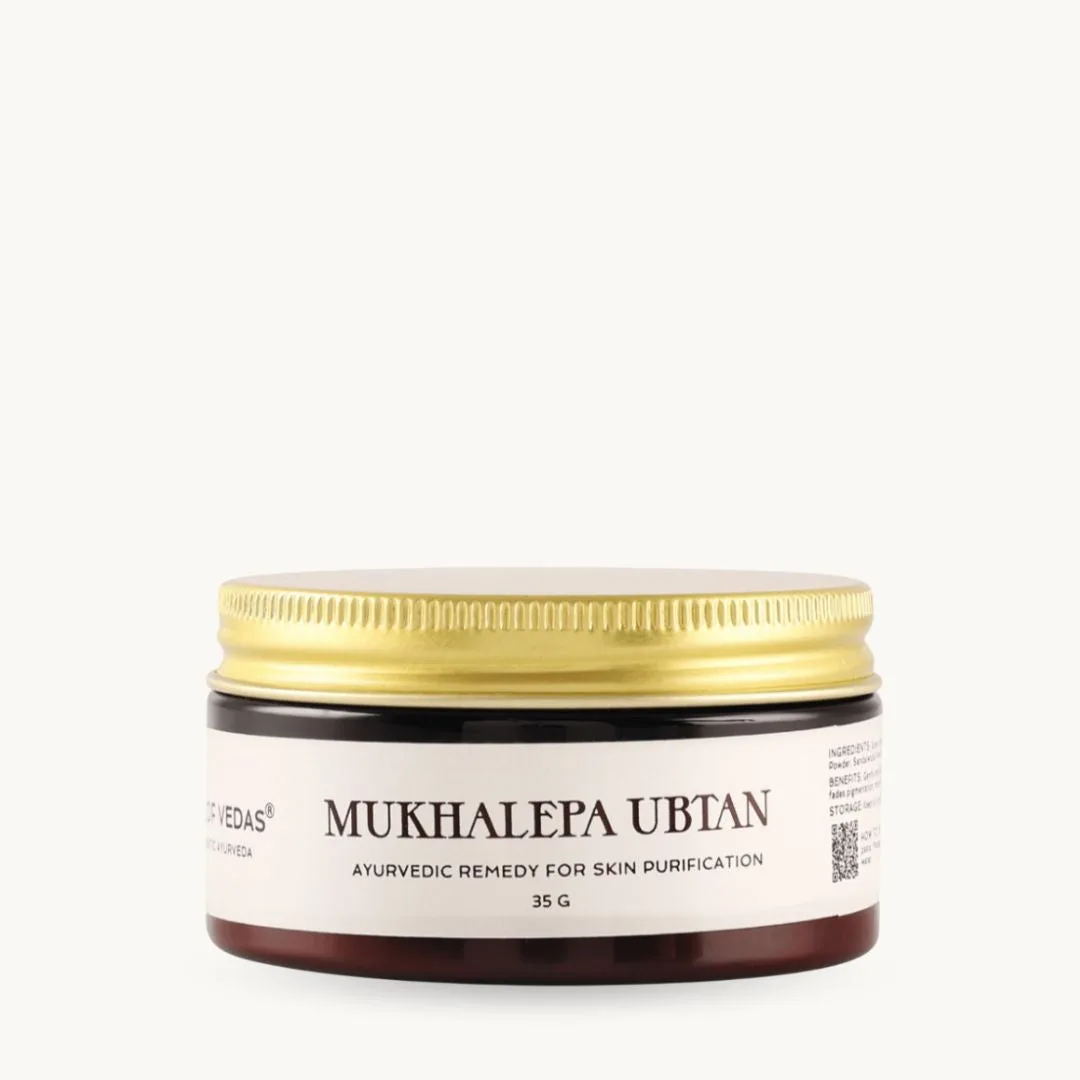
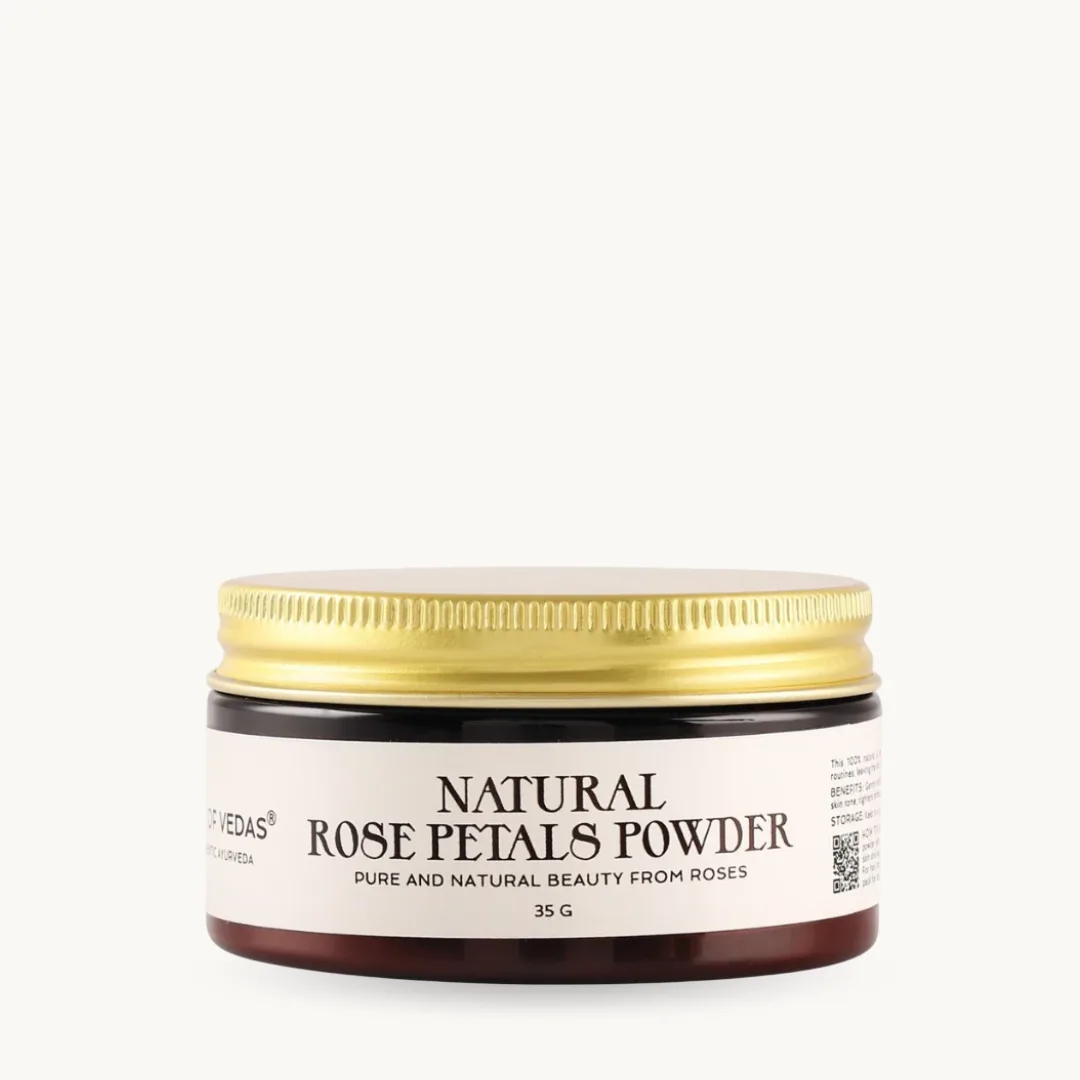
The powder you mix fresh
An Ubtan is a dry blend of finely milled herbs that you mix with a little water in your palm just before you wash your face, the way Ayurveda has prepared skin for cleansing for centuries. Because it is made fresh each time, it needs no preservatives and no synthetic binders, which is why classical Ayurveda places this kind of purification, called Shodhana, at the start of any Mukha (face) ritual. Within this collection you will find a gentle Ubtan for everyday cleansing, a deeper Mukhalepa intended as an occasional clarifying mask, and a single Varnya (complexion-supporting) herb you can use on its own or stir into either blend. To choose, think first about how often you want to use it and how your skin tends to behave, since a daily cleanser and a weekly mask ask different things of the skin. You can keep your blend simple or build it over time, adding a pinch of Rose Petals Powder once you know how your skin responds.
Questions about Ayurvedic Ubtans
What exactly is an Ubtan?
An Ubtan is a dry, finely milled herbal powder that you combine with a little water, and sometimes milk or rosewater, to form a paste right before use. In classical Ayurveda it is the traditional way to cleanse the Mukha (face), valued for the simple, fresh preparation it allows. Because nothing is mixed until you need it, an Ubtan contains no preservatives or synthetic binders, only the herbs themselves.
How do I use an Ubtan?
Take a small amount into your palm, add enough water to make a soft paste, and apply it to damp skin in gentle circular movements. For a daily cleanser you can rinse it away after a minute or two, while a deeper Mukhalepa is left on a little longer as a mask before rinsing. Always finish by patting the skin dry, and follow with a face oil if that suits your routine.
How do I choose between the Ubtans in this collection?
Begin with how often you intend to use it. The Ayurvedic Facial Ubtan is formulated as a mild daily cleanser suited to most skin types, whereas the Mukhalepa Ubtan is a more clarifying blend meant for occasional use on oily or congested skin. The Rose Petals Powder is a single Varnya (complexion-supporting) herb you can use alone for a very gentle cleanse or add to either blend to soften it.
How often should I use a Mukhalepa mask?
A Mukhalepa is a deeper, more clarifying treatment rather than an everyday cleanser, so once or twice a week is usually enough for most people. If your skin tends to feel oily or congested you may prefer it slightly more often, and if it feels dry or sensitive, less. Pay attention to how your skin feels afterwards and let that guide your rhythm.
Can I use an Ubtan together with a face oil?
Yes, and in classical Ayurveda cleansing and nourishing are meant to follow one another. Once you have cleansed and patted the skin dry, it is ready to receive a face oil, which you can choose from the Lepana collection. Cleansing first means the oil settles onto clean, prepared skin rather than over the day's residue.
How should I store my Ubtan, and how long does it keep?
Keep the powder in its sealed container in a cool, dry place, away from direct steam and splashing water, since the blend stays dry until the moment you mix it. Always use clean, dry fingers or a small spoon to take out what you need, and mix only as much paste as you will use that day. Stored this way and kept dry, a powdered Ubtan keeps well for a long time, far longer than a ready-made wet cleanser would.