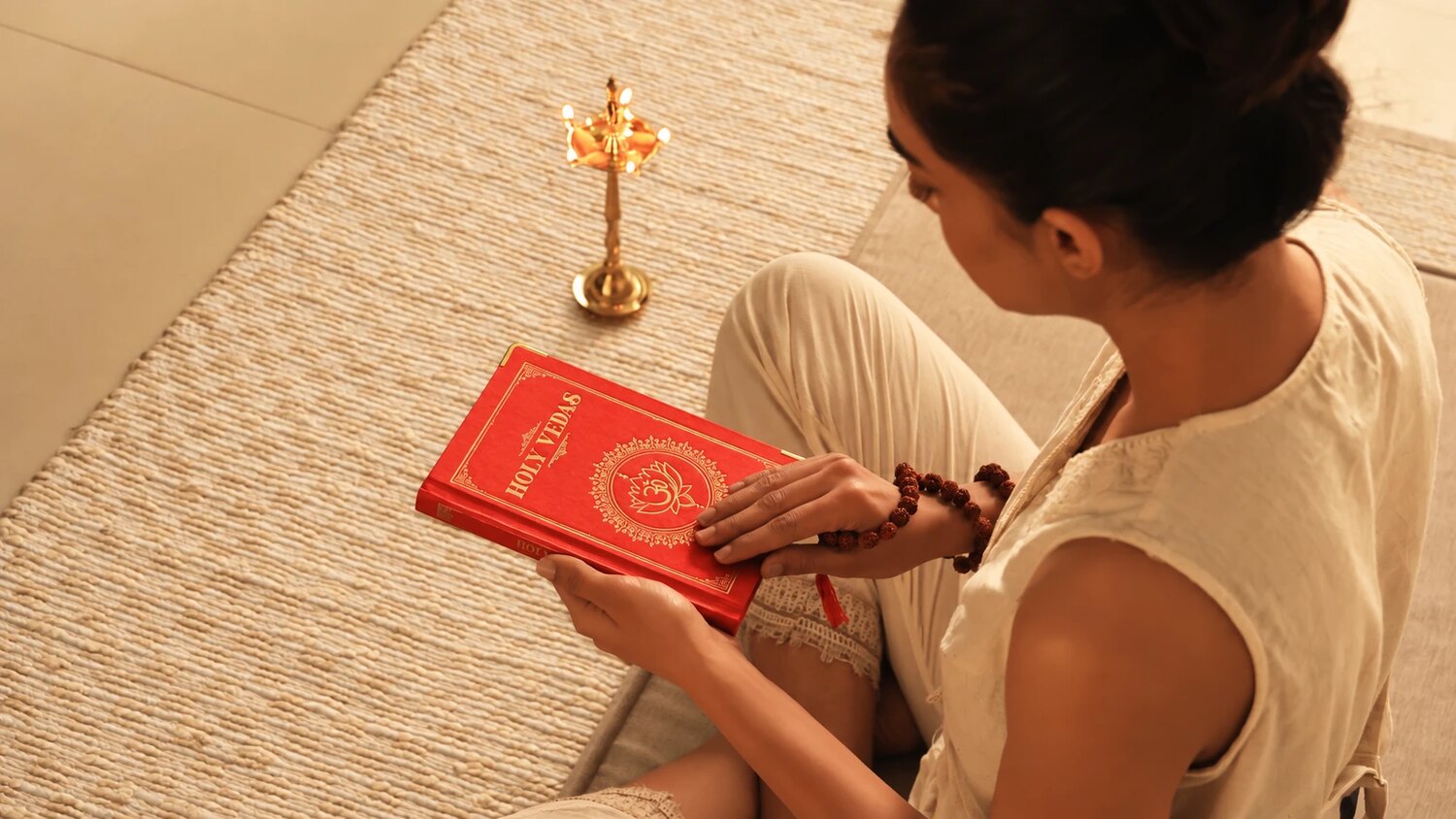

Kansa Face Massage Ritual
A Kansa face massage ritual brings together facial oils, bronze massage tools and slow Mukha Abhyanga movements. Choose a wand, Gua Sha or Marma tool to support a precise, calming face-care practice.
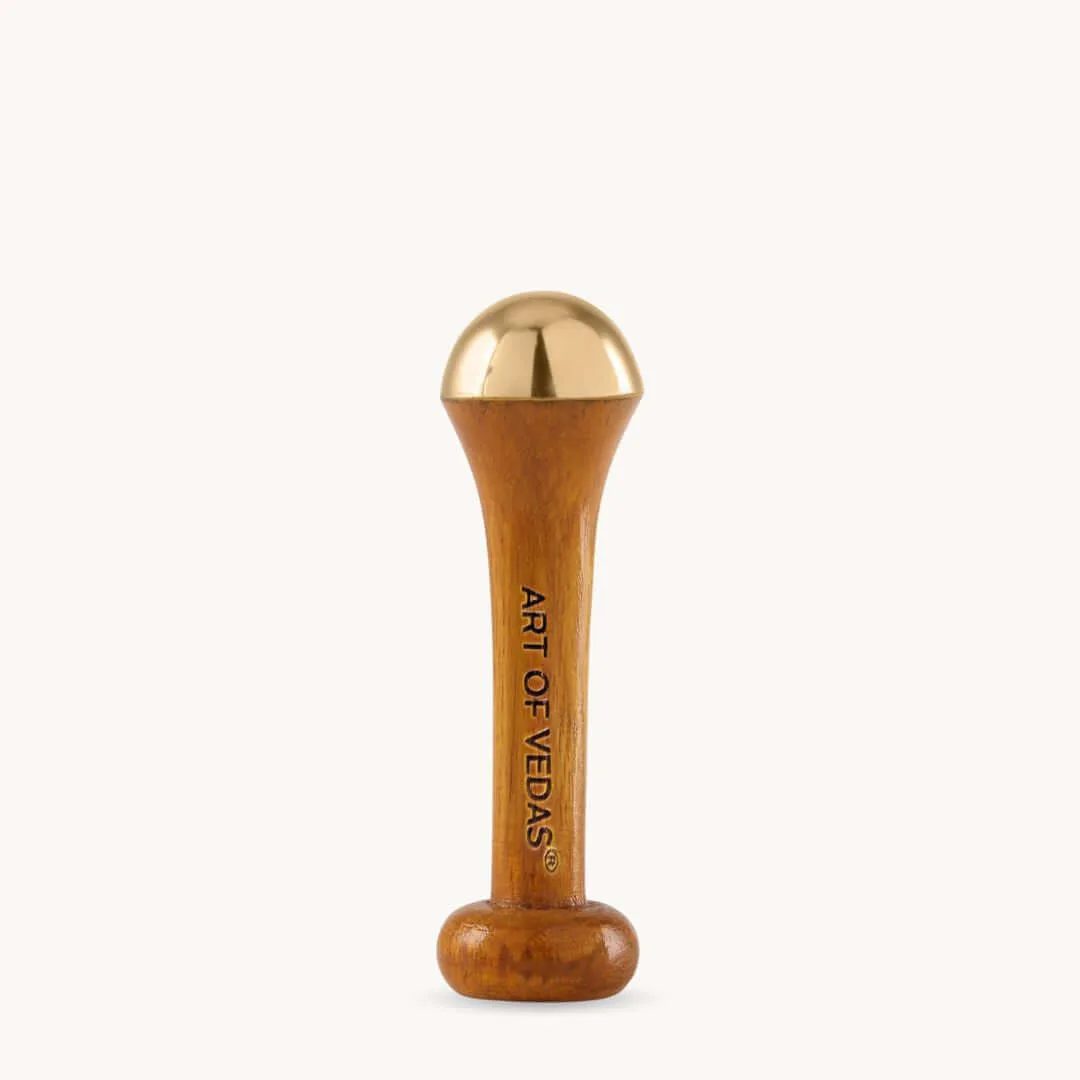
Kansa Face Massage, the Quiet Daily Ritual
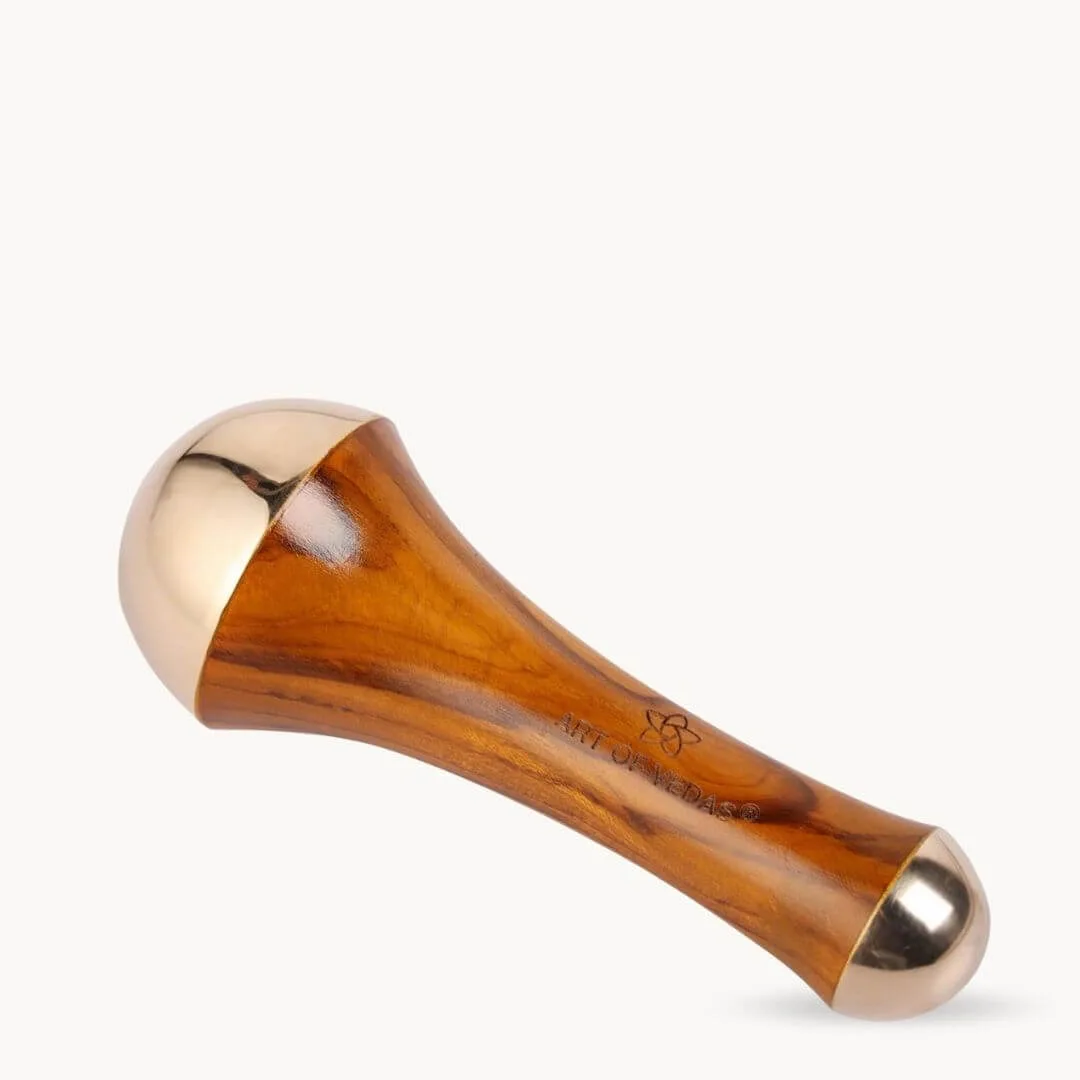
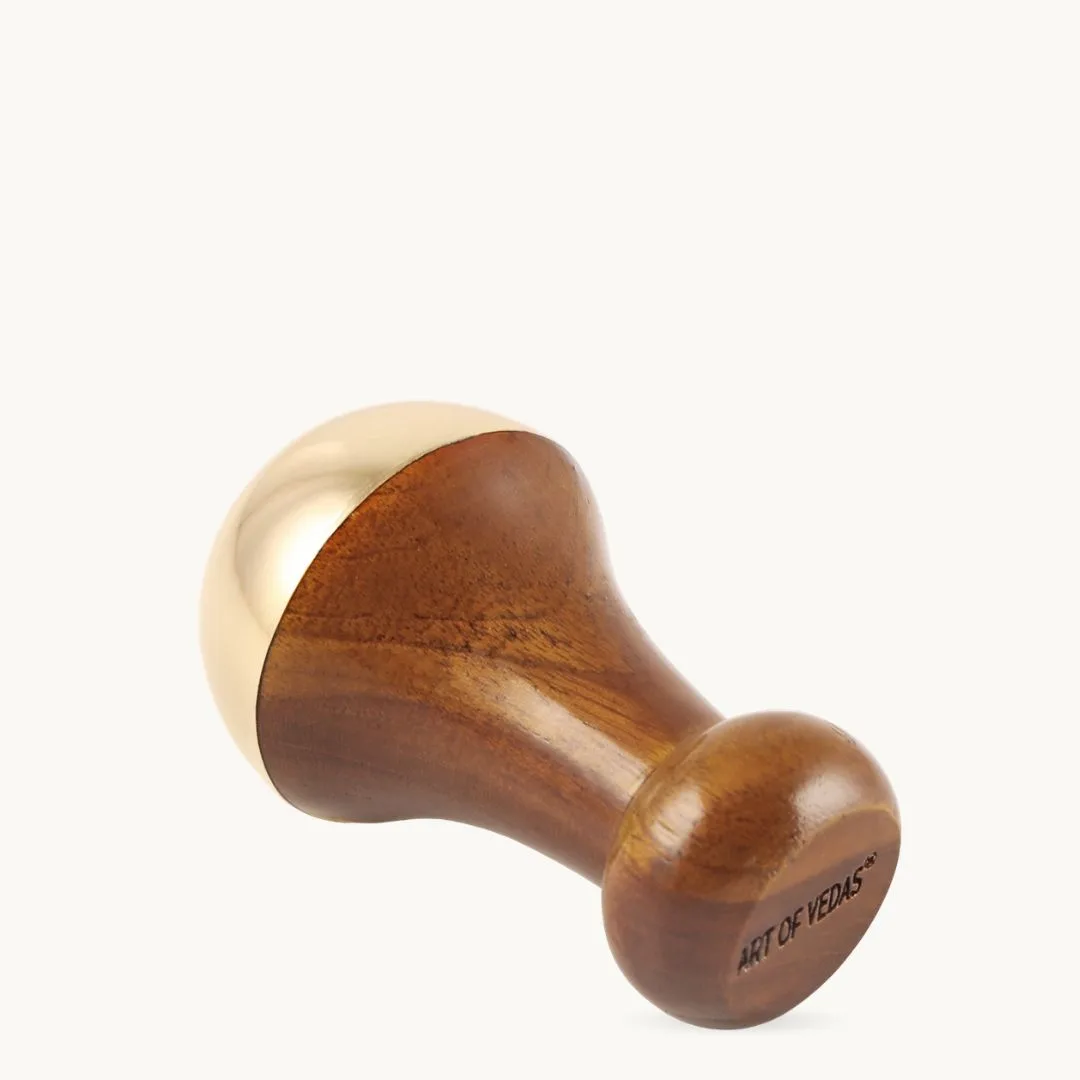
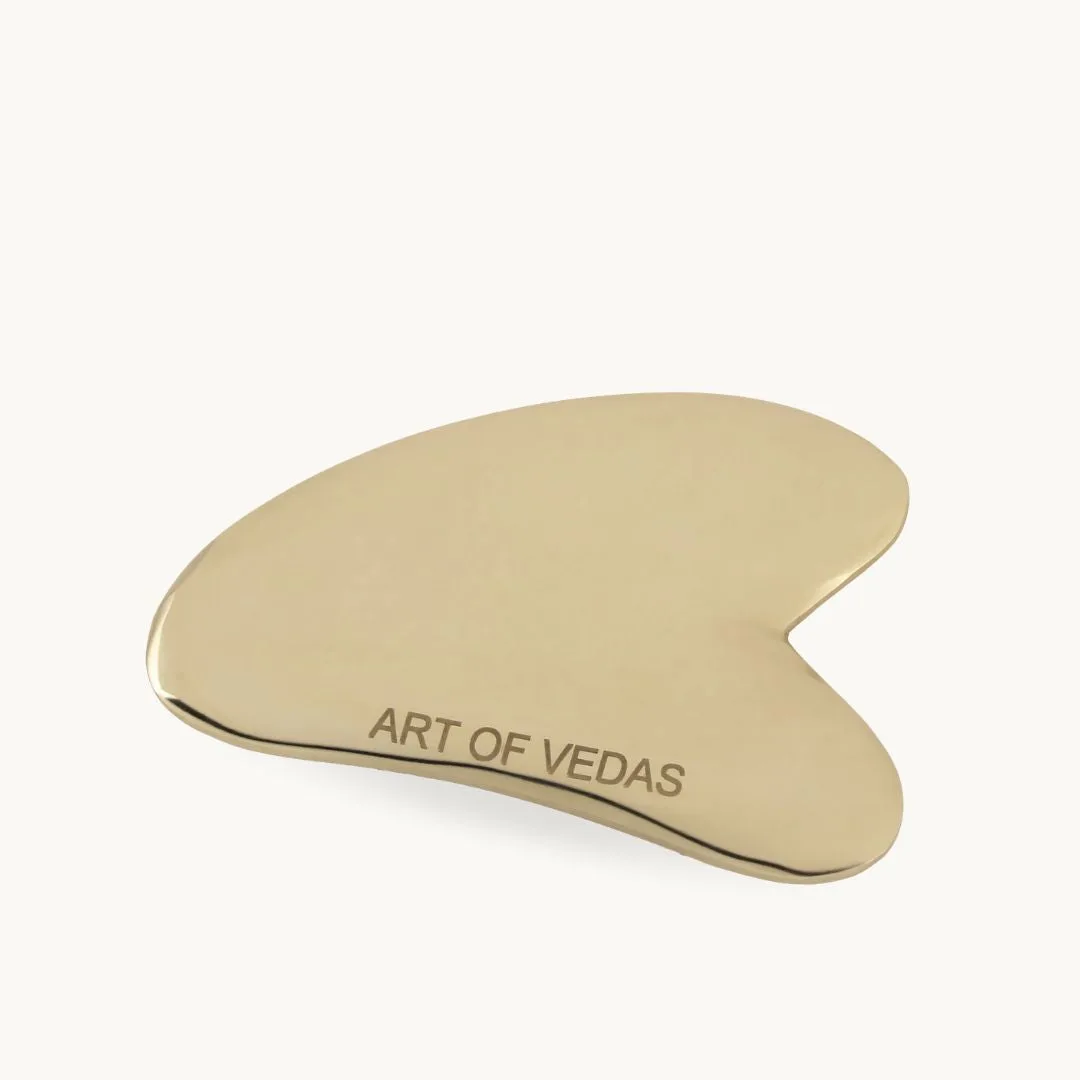
Ayurvedic skincare rituals gather the bronze tools and slow movements of Mukha Abhyanga (facial self-massage) into a calm, repeatable practice you can keep at the end of each day. In classical Ayurveda, daily self-care of this kind belongs to Dinacharya (the daily routine), and working the face along its Marma (the energy points mapped in classical Ayurveda) is traditionally valued to settle the senses and bring a sense of grounding to Vata. Kansa, the bronze alloy these tools are made from, is prized for its smooth, warming glide across skin that has been prepared with a little facial oil. To choose within this category, begin with the form that suits your hand and your face: a double-sided wand for the full face and neck, a mini wand for the delicate area around the eyes, a Gua Sha for broad sweeping strokes along the cheeks and jaw, or a focused Marma wand for precise point work. Used a few minutes most evenings, the ritual asks for patience rather than effort, and rewards a steady rhythm more than a forceful one.
Questions about Kansa face massage rituals
What is a Kansa face massage ritual?
It is a short, unhurried practice of massaging the face with a bronze tool over a thin layer of facial oil, drawn from the Ayurvedic tradition of Mukha Abhyanga, or facial self-massage. The Kansa tool glides over the skin in slow strokes while you work gently along the contours of the face and the Marma, the energy points described in classical Ayurveda. It is meant to be a calming part of your evening, closer to a few quiet minutes of self-care than to an active treatment.
How do I use a Kansa tool on my face?
Start with clean skin and apply a few drops of facial oil so the bronze can move without dragging. Hold the tool lightly and work in slow, repeated strokes, moving upward and outward across the cheeks, along the jaw and over the forehead, spending a little longer on any area that feels tense. A few minutes is enough, and afterwards you can leave the oil to settle or tissue off any excess; consistency over the week matters more than a long session on any one day.
Which tool should I choose to begin?
If you would like one tool for the whole face, the double-sided wand covers the cheeks, forehead and neck comfortably and is a sound place to start. The mini wand is shaped for the finer skin around the eyes, the Gua Sha suits broad sweeping strokes along the cheeks and jawline, and the Marma wand is made for precise work on individual points. Many people keep two, a larger tool for the full face and a smaller one for detail, and build the ritual around the pair.
Who is this kind of ritual suited to, and does my Dosha matter?
The ritual suits most adults who enjoy a slow, tactile moment of care and want a simple evening habit they can keep. In Ayurvedic terms, warming, grounding self-massage is traditionally valued to settle Vata, while a lighter touch and cooler conditions are often preferred when Pitta is high. You do not need to know your Prakriti, your constitution, to begin, but if you tend to feel ungrounded or restless, the slow rhythm of Kansa work is a gentle place to start.
Why use Kansa bronze rather than your hands or another material?
Massaging with your hands and oil is already a worthwhile part of Mukha Abhyanga, and the bronze tools build on that rather than replace it. Kansa is an alloy long used in Ayurvedic practice for body and face work, valued for the smooth, slightly warming glide it gives across oiled skin and the even, sustained pressure the weight allows. The smaller wands also reach the eye area and individual Marma points with more precision than fingertips, giving the ritual more structure and reach.
How do I care for and store my Kansa tool?
After each use, wipe the tool clean of any facial oil with a soft cloth and let it dry fully before putting it away, since standing moisture is what dulls bronze over time. With regular use the surface may darken, which is natural for the alloy and does not affect how it works; a gentle polish will brighten it again if you prefer. Keep it dry, away from damp bathroom surfaces, and it will stay a part of your ritual for many years.