

Nasya Oil & Ayurvedic Nasal Care
Nasya oil for the Ayurvedic Nasya ritual: classical Anu Thailam, Shadbindu Thailam and traditional vessels for careful application as part of your daily Dinacharya.


Nasya, the daily care of the nose and senses
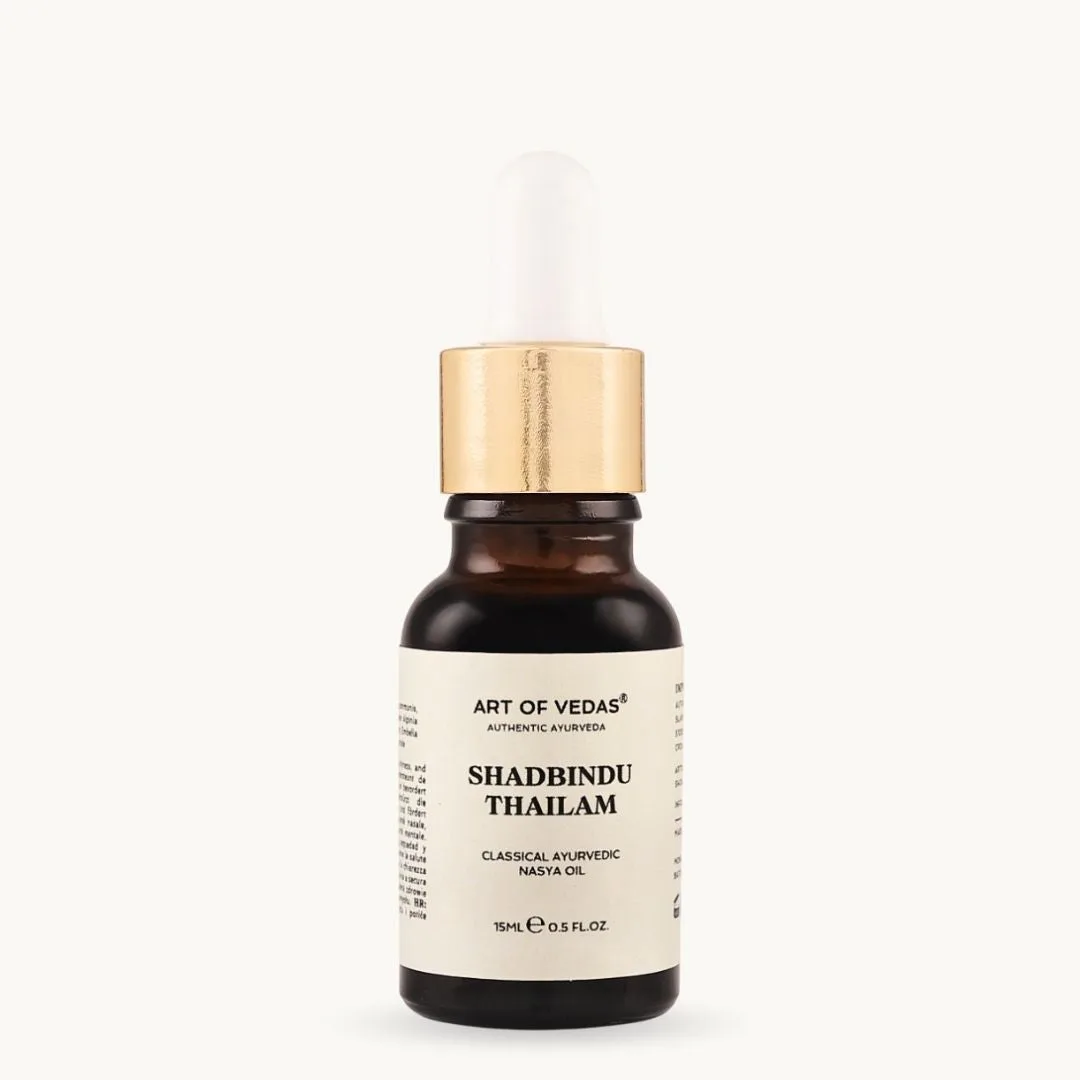
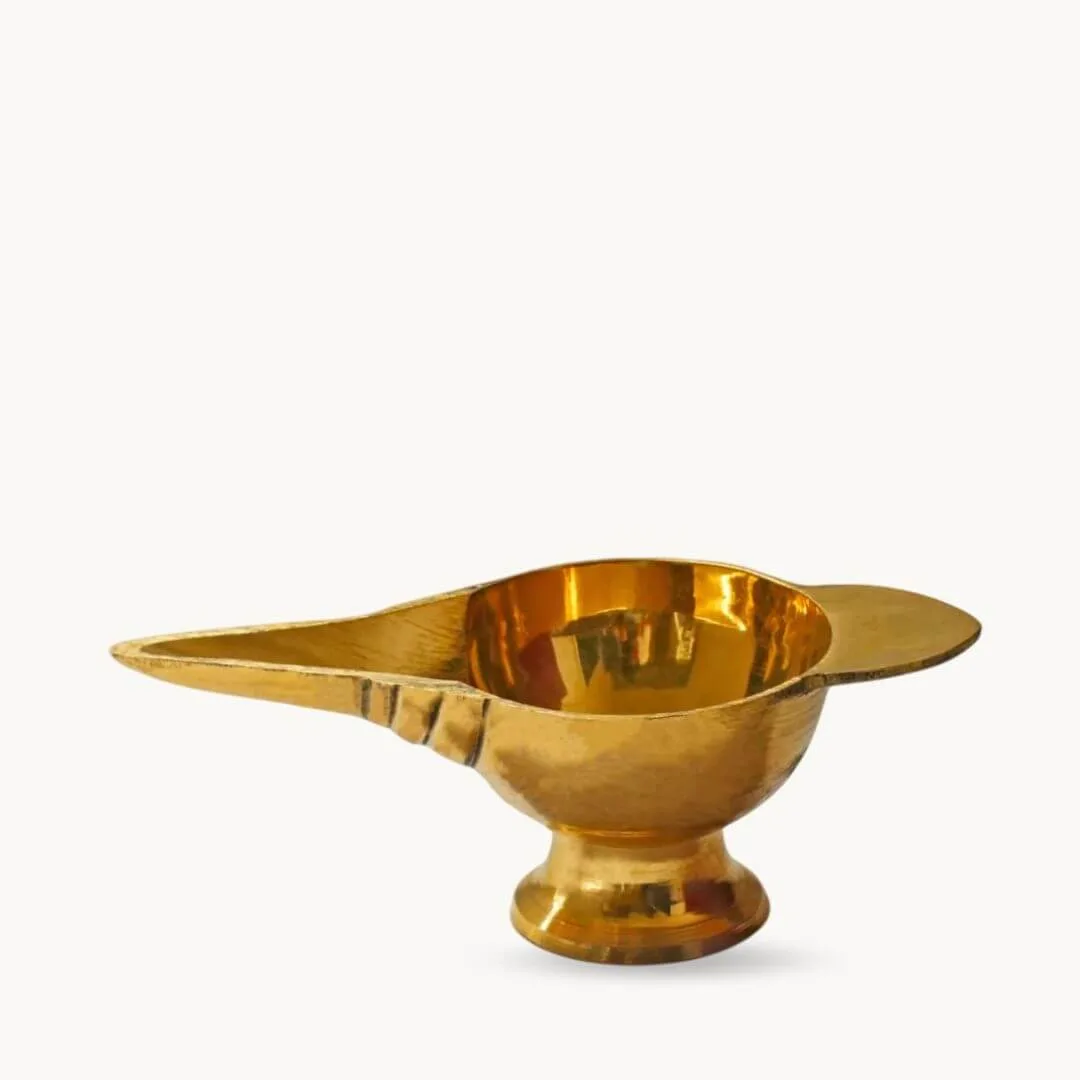
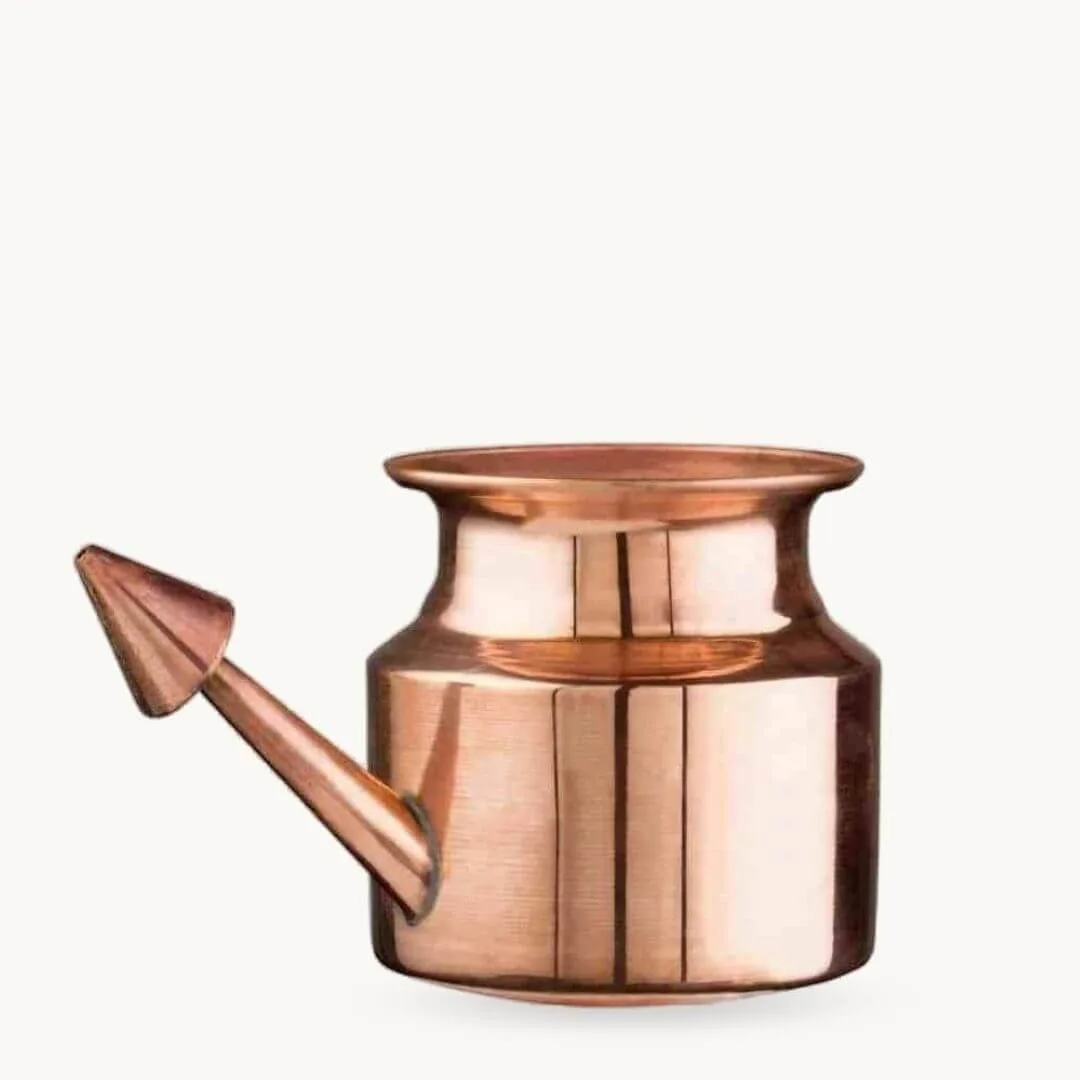
Nasal care in Ayurveda centres on Nasya, the practice of placing a few drops of medicated oil into the nostrils as part of a steady Dinacharya (daily routine). In classical practice the nose is regarded as the doorway to the head, and Ashtanga Hridayam treats Nasya as one of the everyday acts of self care that keep the head and senses comfortable through the seasons. This category brings together what the ritual asks for: classical nasal Thailams such as Anu Thailam and Shadbindu Thailam, a traditional Gokarna brass vessel for warming and dropping the oil, and a copper neti pot for the related saline rinse. To choose well, begin with the oil that suits your routine and your Dosha, then add a vessel if you would like the unhurried, measured application that practitioners favour. If you are new to the practice, the lighter Anu Thailam is a gentle place to start before exploring the fuller Shadbindu blend.
Questions about Ayurvedic nasal care
What is Nasya, and how does nasal care fit into a daily routine?
Nasya is the Ayurvedic practice of placing a small amount of medicated oil into each nostril, traditionally as part of Dinacharya, the daily self care routine. In classical Ayurveda the nose is seen as the path to the head, so Nasya is valued for keeping the head, breath and senses settled. Most people practise it in the morning, after cleansing and before the day begins, lying back with the head gently tilted so the oil can be drawn inward.
How do I actually apply a nasal oil at home?
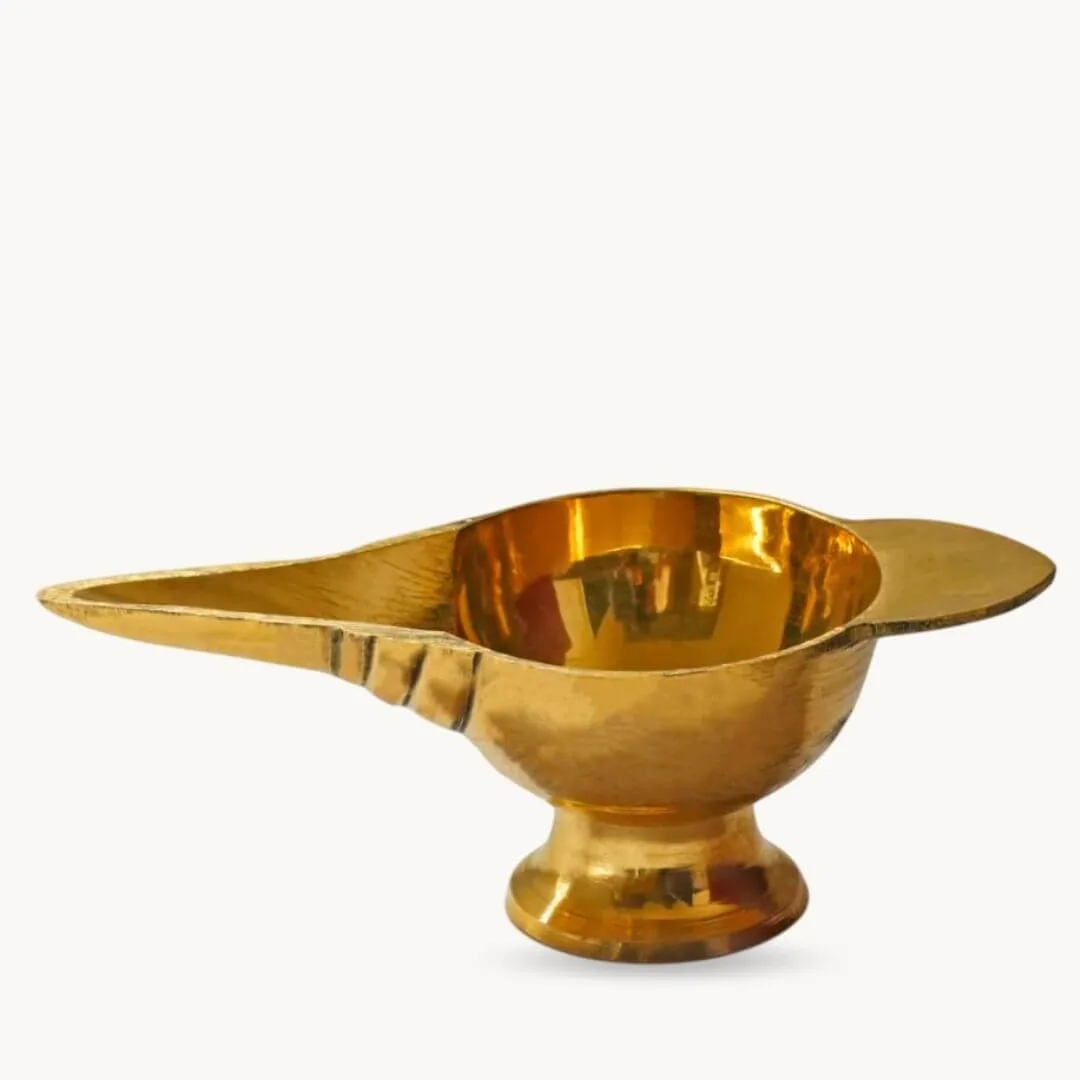
Warm a few drops of the Thailam to a comfortable, skin temperature, then lie back with your head tilted slightly downward. Place two to three drops into each nostril, breathe in slowly and steadily, and rest for a minute or two so the oil can settle. A traditional Gokarna brass vessel makes this easier, since its long spout lets you warm and measure the oil and place it without spills.
What is the difference between Anu Thailam and Shadbindu Thailam?
Both are classical nasal oils used for Nasya, and the choice is mostly one of character and habit. Anu Thailam is the most widely cited nasal oil in the classical texts and tends to feel lighter, which makes it a comfortable starting point for a daily practice. Shadbindu Thailam carries a fuller set of herbs and a stronger sensory presence, so many people move to it once Nasya has become a settled part of their routine.
Which nasal care suits my Dosha?
Nasya with warm, traditionally prepared oils is generally felt to be grounding, so it is often appreciated by those of a Vata Prakriti who tend toward dryness and a busy mind. Pitta types usually do well with gentle, regular application and warmth that is comfortable rather than hot. Kapha types may prefer to practise in the brighter part of the morning, when the body feels lighter, and can lean toward the more aromatic Shadbindu blend.
What is a neti pot, and how does it relate to Nasya?
A neti pot is used for Neti, the practice of rinsing the nasal passages with warm saline water, counted among the Shat Kriyas, the six classical purification techniques. It is a companion to Nasya rather than a substitute: Neti cleanses and refreshes the passages, while Nasya nourishes them with oil. Many people rinse with the copper neti pot first, dry the nose, and then apply a few drops of Thailam afterward.
How should I care for and store the brass vessel and copper neti pot?
Rinse the Gokarna brass vessel with warm water after each use to clear any oil from the spout, then dry it well so it stays bright. The copper neti pot should be emptied, rinsed and dried after every rinse, and given an occasional clean with a little lemon and salt to lift any dullness that copper naturally develops. Keep both tools and your nasal oils in a cool, dry place away from direct sunlight, and let the oils reach a comfortable warmth before each use.