
Kansa Body & Scalp Massage
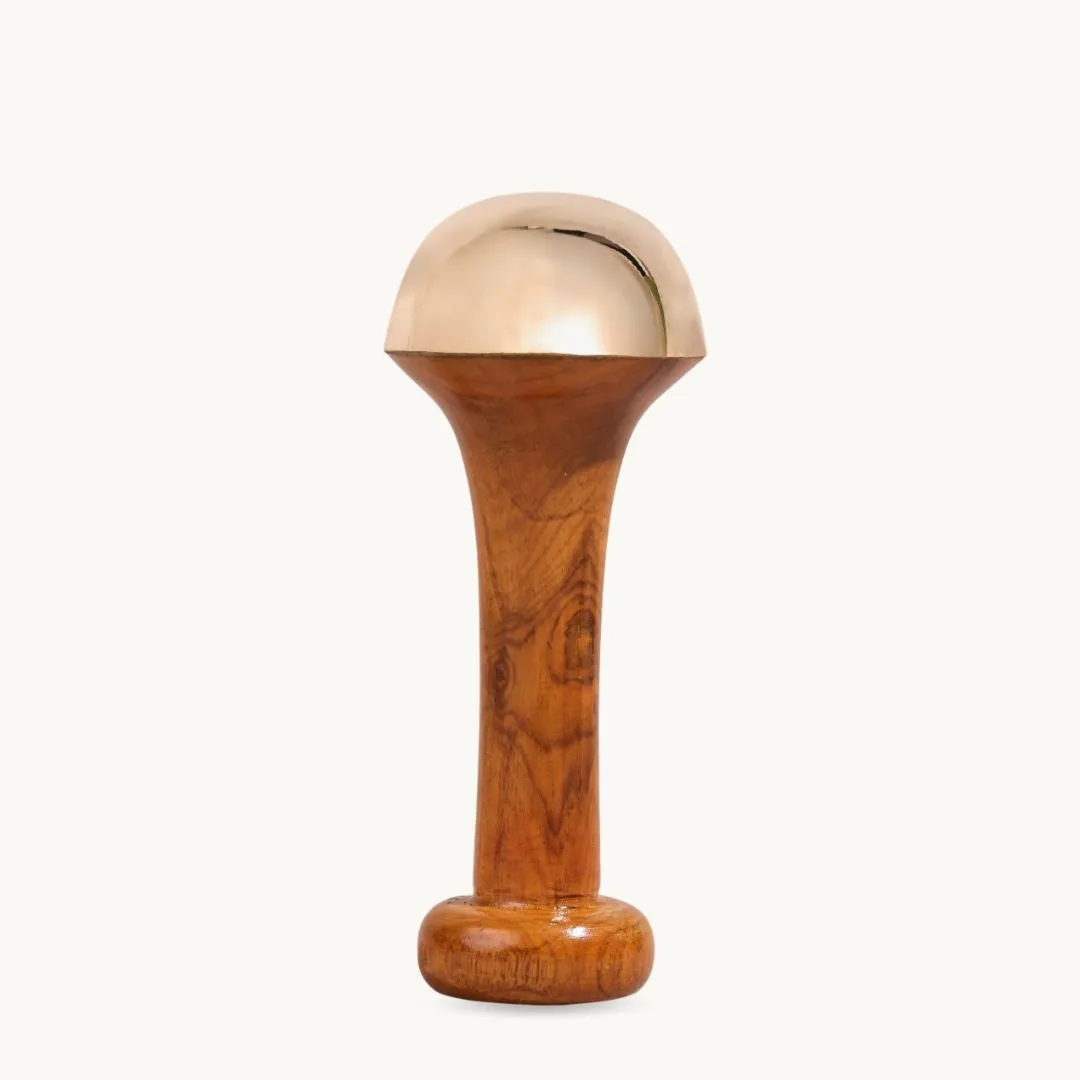
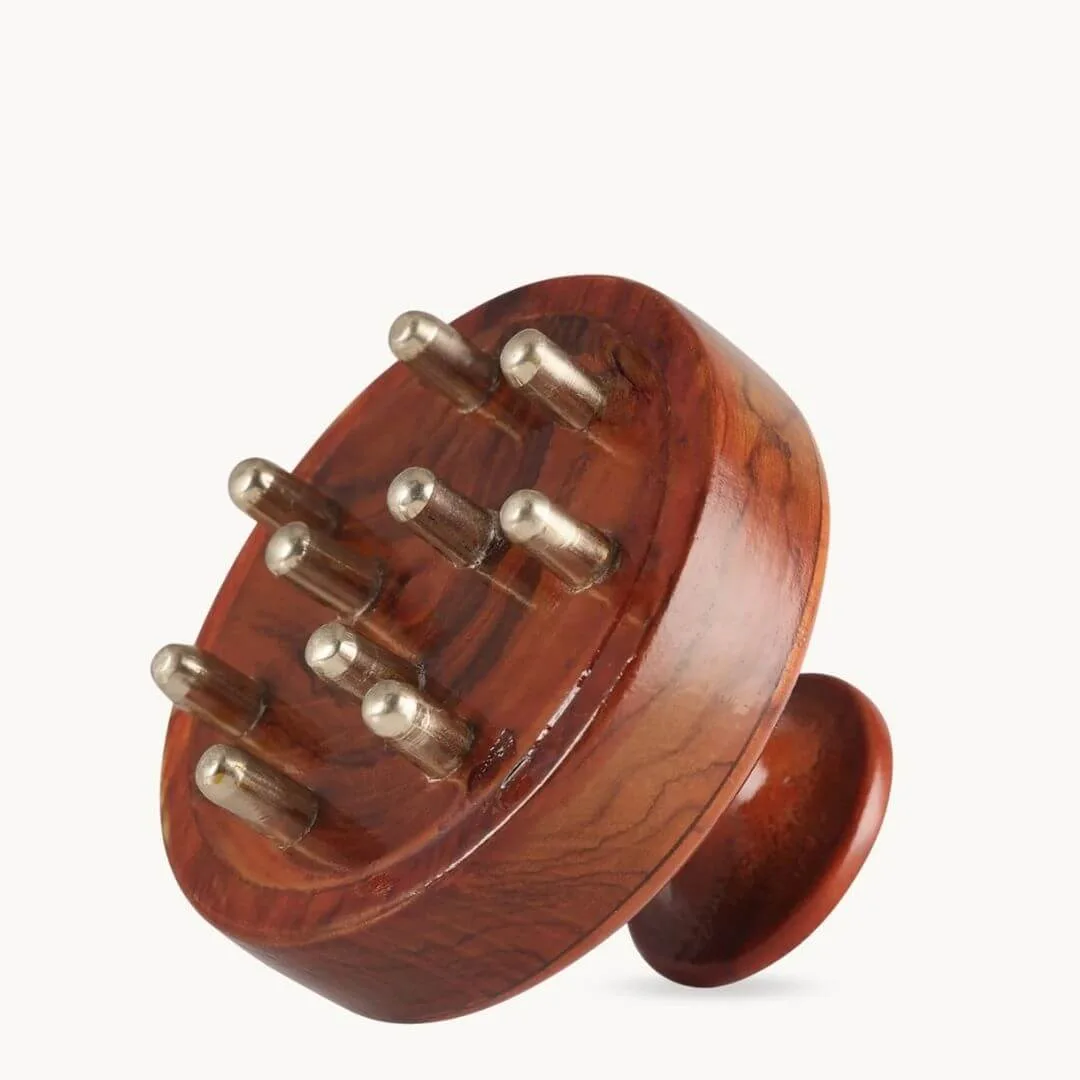
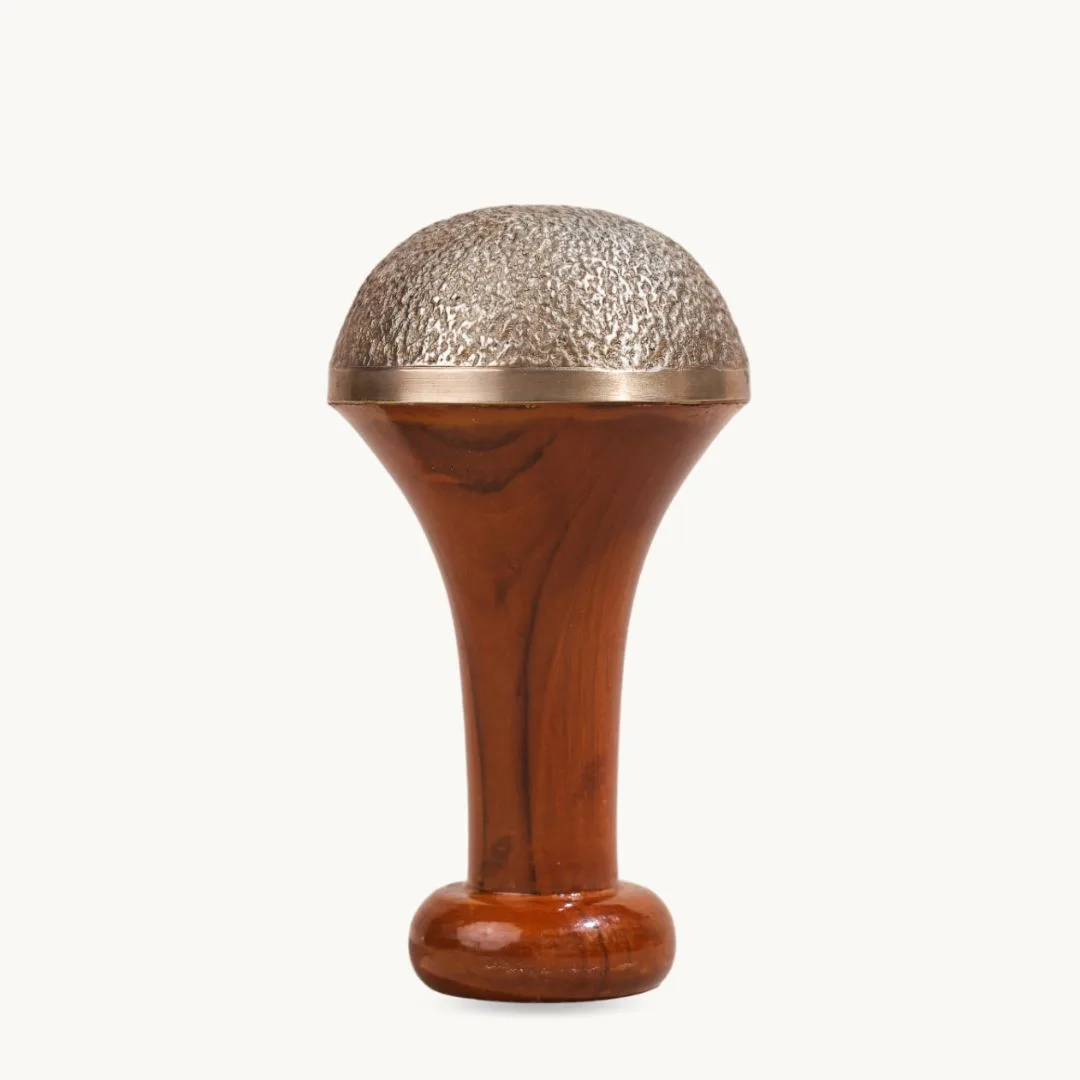
Kansa tools for body and scalp massage, shaped for Abhyanga, Shiro Abhyanga and broad, grounding strokes over oiled skin. Choose these tools for larger massage areas, scalp work and professional body rituals.
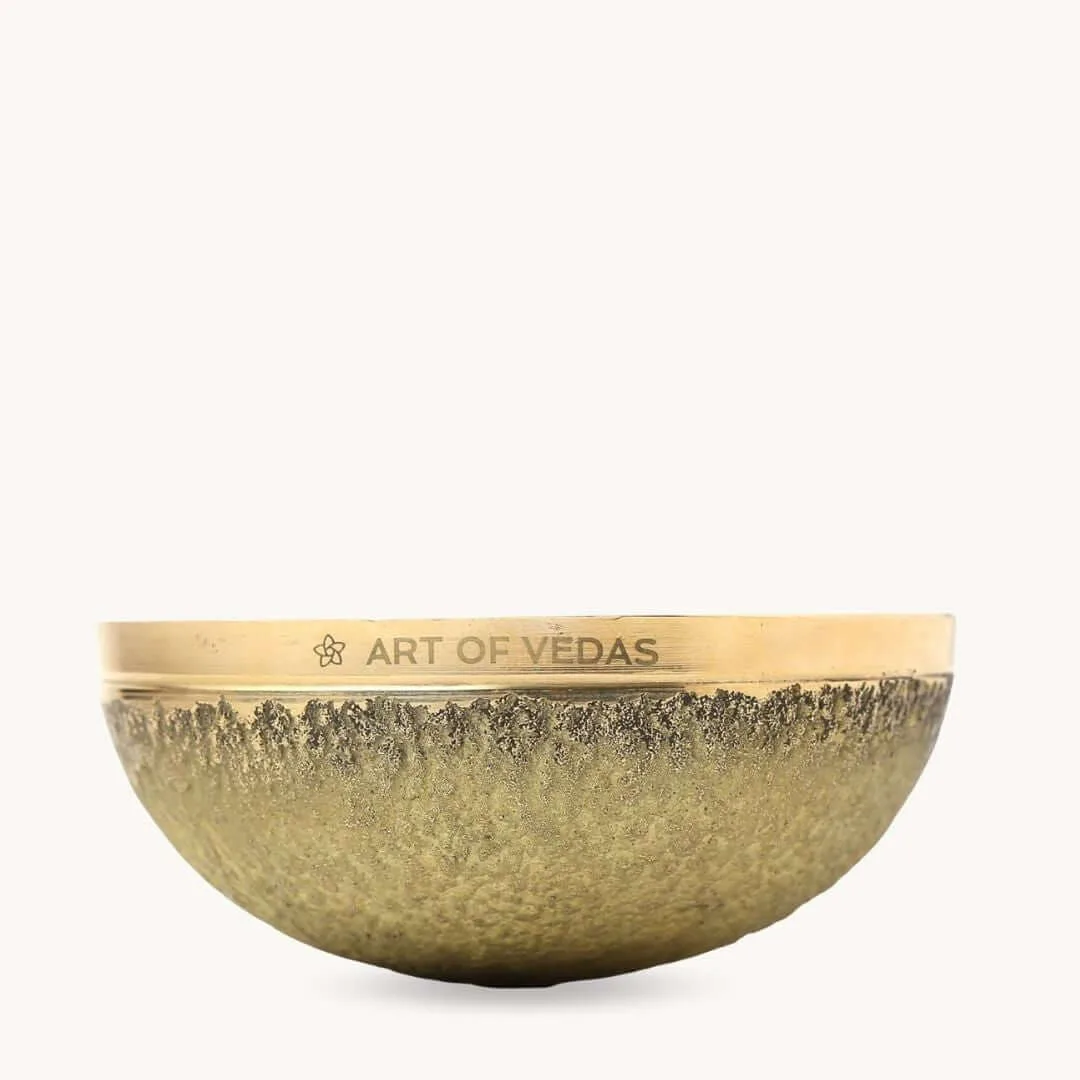
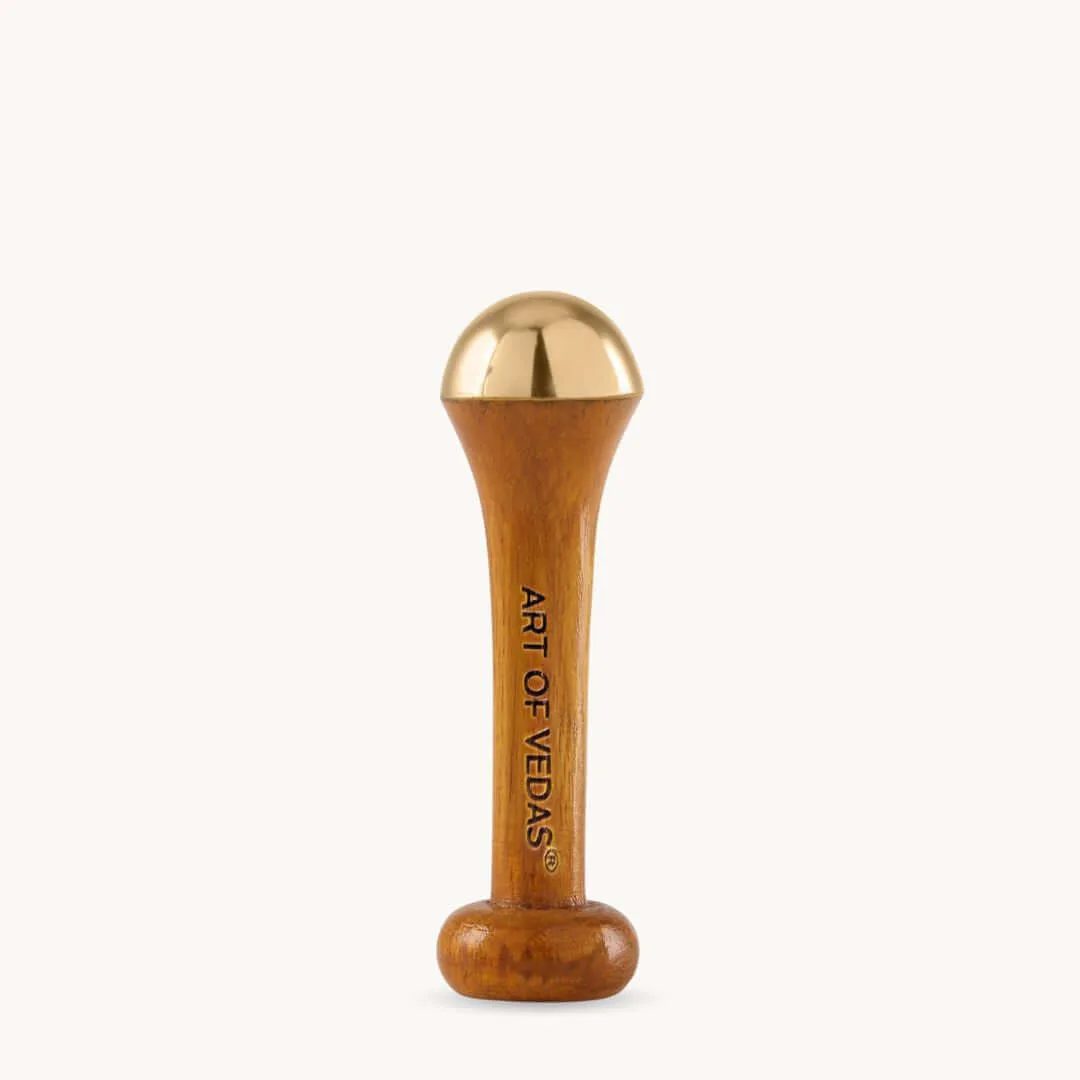

Kansa, the metal of touch in Ayurvedic massage
Kansa is a traditional bronze alloy, and the tools in this collection are shaped to bring its warm, grounding quality to massage of the face, scalp, feet, hands and body. In classical Ayurvedic practice the metal is worked over Marma (the body's energy points) with steady, unhurried strokes, always with a film of oil so the wand glides rather than drags. The vatki bowl and the contoured wands each suit a different area: a rounded wand for the broad muscles of the scalp and body, a finer tip for the smaller Marma of the face. To choose well, think about where you will use the tool most and whether you prefer the cupped form of a vatki or the directed point of a wand. Whichever you select, pair it with a warming Thailam or a facial oil so the bronze meets the skin gently.
Questions about Kansa massage tools
What is a Kansa tool and what is it made of?
Kansa is a traditional bronze alloy long used in Ayurvedic bodywork, valued for its warm, grounding feel against the skin. The tools in this collection set a bronze surface into a wooden handle or a small bowl, so you can work the metal smoothly over the face, scalp and body. The bronze is meant to be in contact with the skin through a layer of oil rather than used dry.
How do I use a Kansa wand or vatki at home?
Warm a little oil in your palms, apply it to the area you are treating, then move the bronze over the skin in slow, repeated strokes, lingering on the Marma (the body's energy points). On the face use light, circling movements; on the scalp, feet and larger muscles you can use firmer, longer passes. A few minutes of unhurried work is enough, and it fits naturally into a Dinacharya (daily routine) of self-massage.
Why do I need to use oil with a Kansa tool?
Oil is what lets the bronze glide instead of dragging, and in Ayurveda the oil itself is part of the practice, not just a lubricant. Without it the metal will catch on dry skin and the massage loses its calming quality. We suggest a warming Thailam (a medicated oil) for the body and scalp, or a lighter facial oil for the face, so the wand always has a smooth film to travel over.
How do I choose between the vatki and the wand shapes?
A Kansa vatki is a small bronze bowl that you cup and move in broad circles, well suited to the soles of the feet and larger areas where you want even, rounded contact. The wands set the bronze into a handle and give you more direction and reach, with finer tips for the smaller Marma of the face and broader heads for the scalp and body. If you are new to the practice, a wand is often the easier starting point; many people in time keep both for different parts of the body.
Which Kansa tool suits my Dosha?
Kansa is traditionally valued in Ayurveda for its warming, grounding qualities, which makes it especially settling for Vata, and the slow rhythm of the work suits a restless mind. Pitta benefits from a gentler, cooler touch and a lighter oil so the practice stays calming. Kapha responds well to brisker, more stimulating strokes over the scalp and body. Rather than the tool deciding for you, it is the oil you choose and the pace of your strokes that you adjust to your Prakriti (constitution).
How do I care for and store my Kansa tool?
Wipe the bronze clean after each use and dry it fully, since oil and moisture left on the surface will dull the metal over time. The bronze naturally darkens with use, which is normal; if you prefer the brighter finish you can polish it occasionally with a little lemon and salt, then rinse and dry. Keep the tool in a dry place and, for the wooden-handled wands, avoid soaking the handle so the wood stays sound.