

Ayurvedic Oral Care
Ayurvedic oral care for daily Dantacharya: tongue scraping, Gandusha oil pulling, copper vessel rituals and classical mouth-care Thailams. Build a morning routine rooted in traditional cleansing and oral wellness practices.
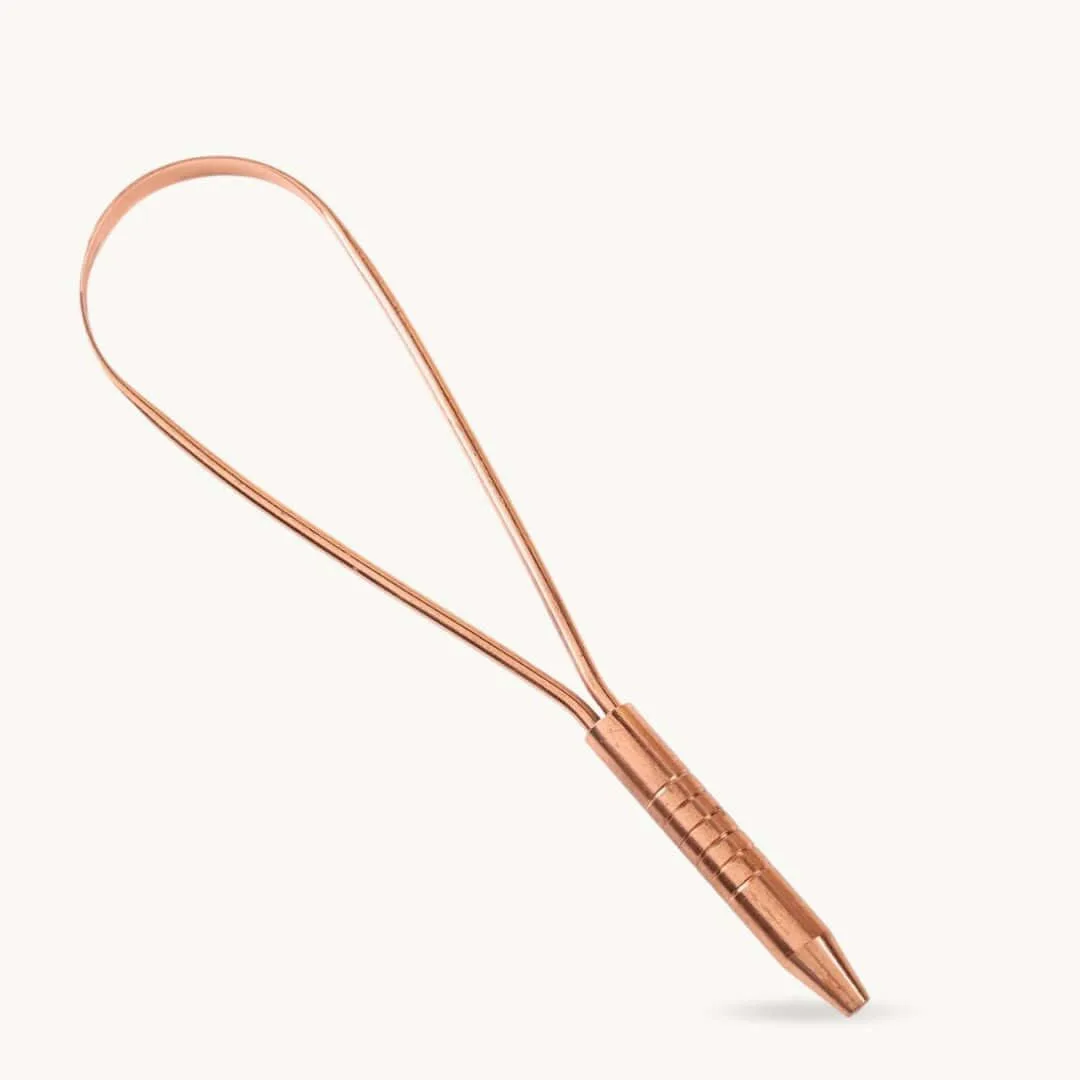
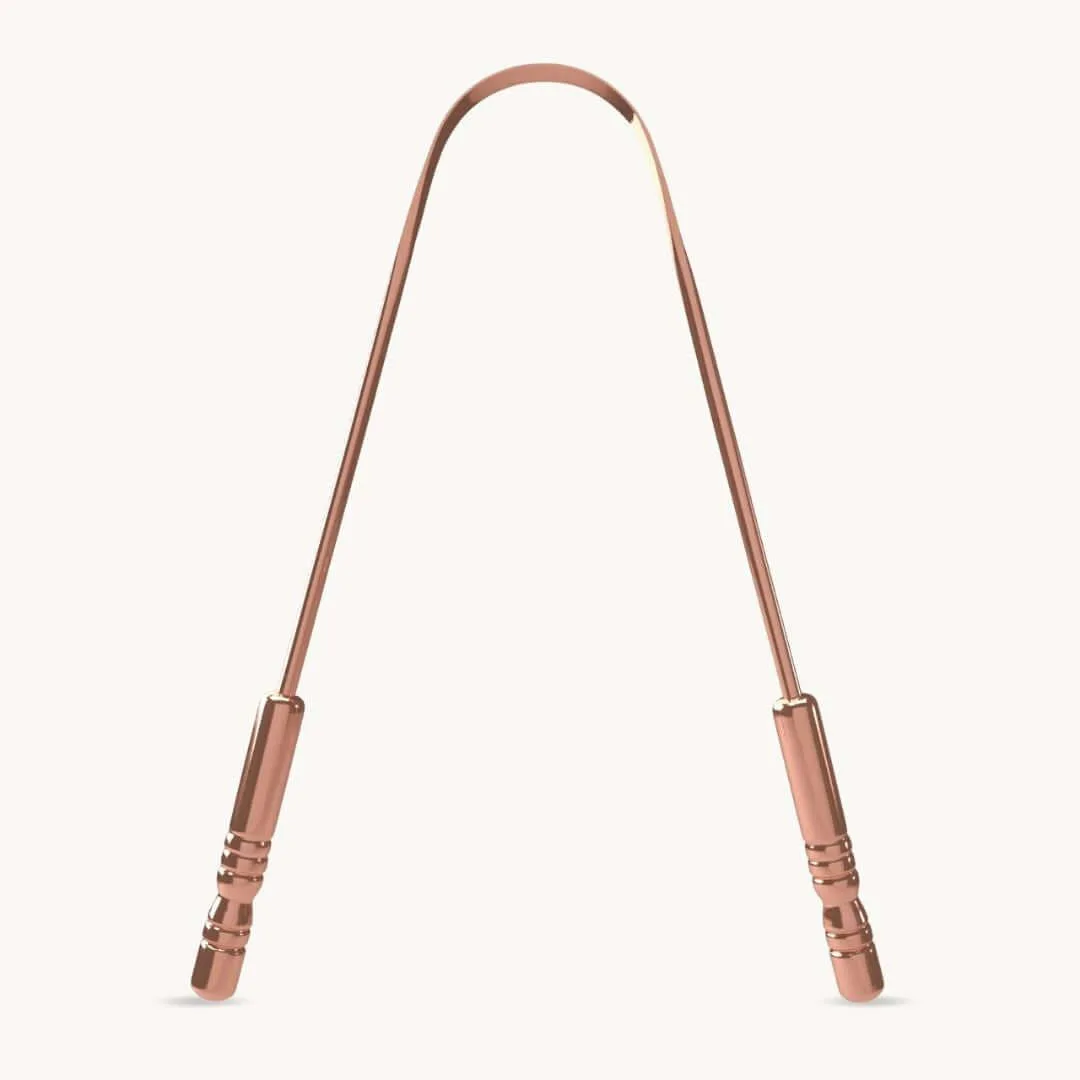
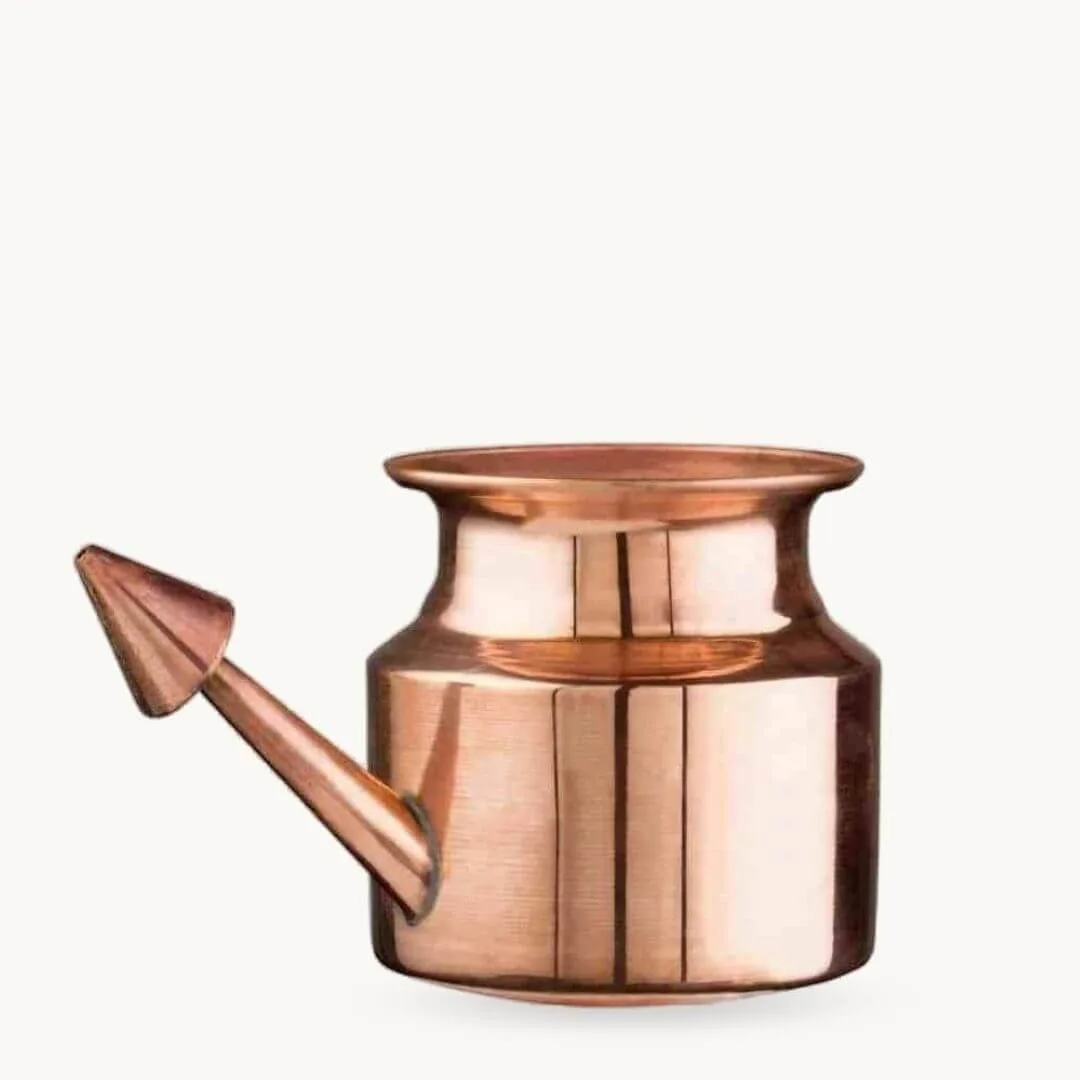

Caring for the mouth, the Ayurvedic way
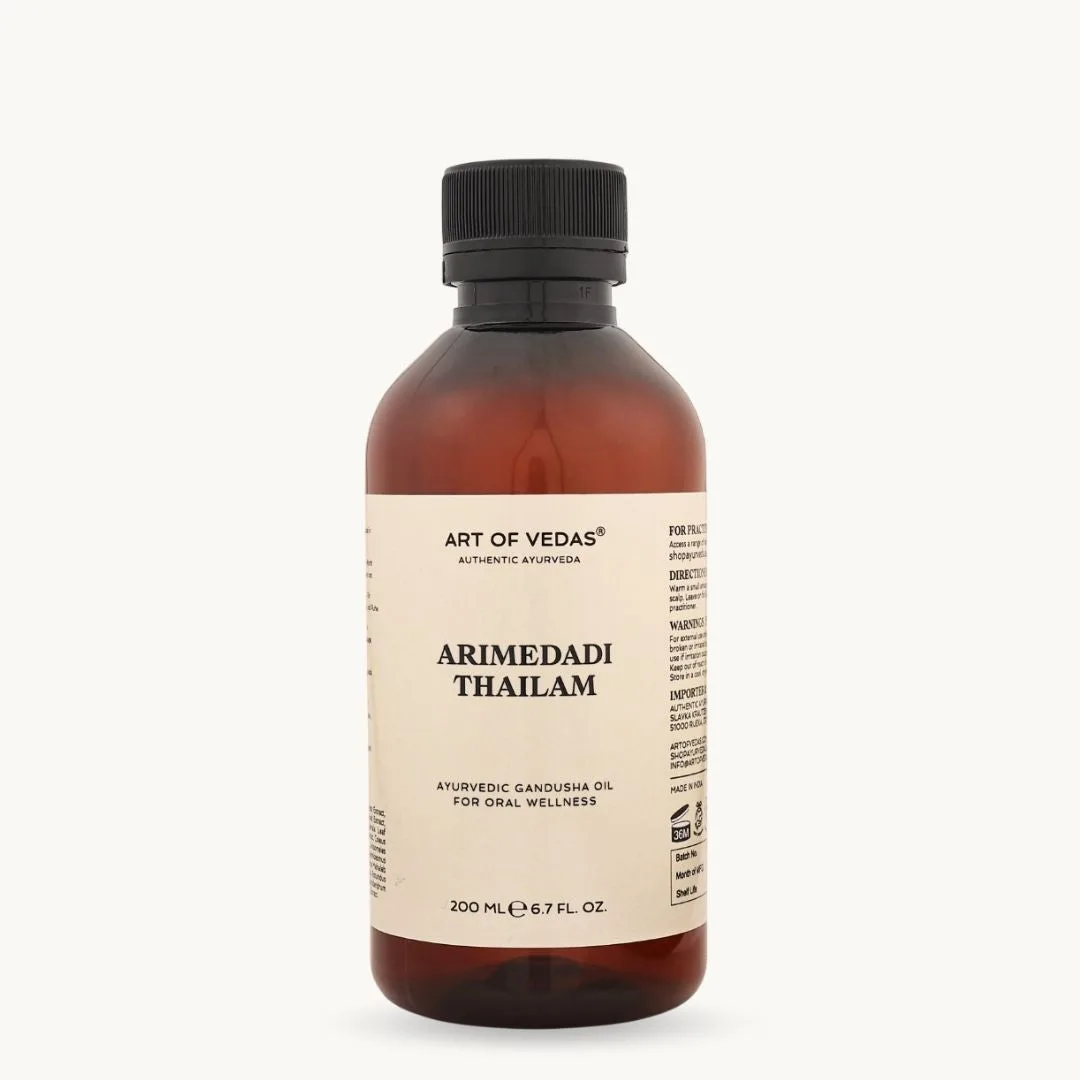
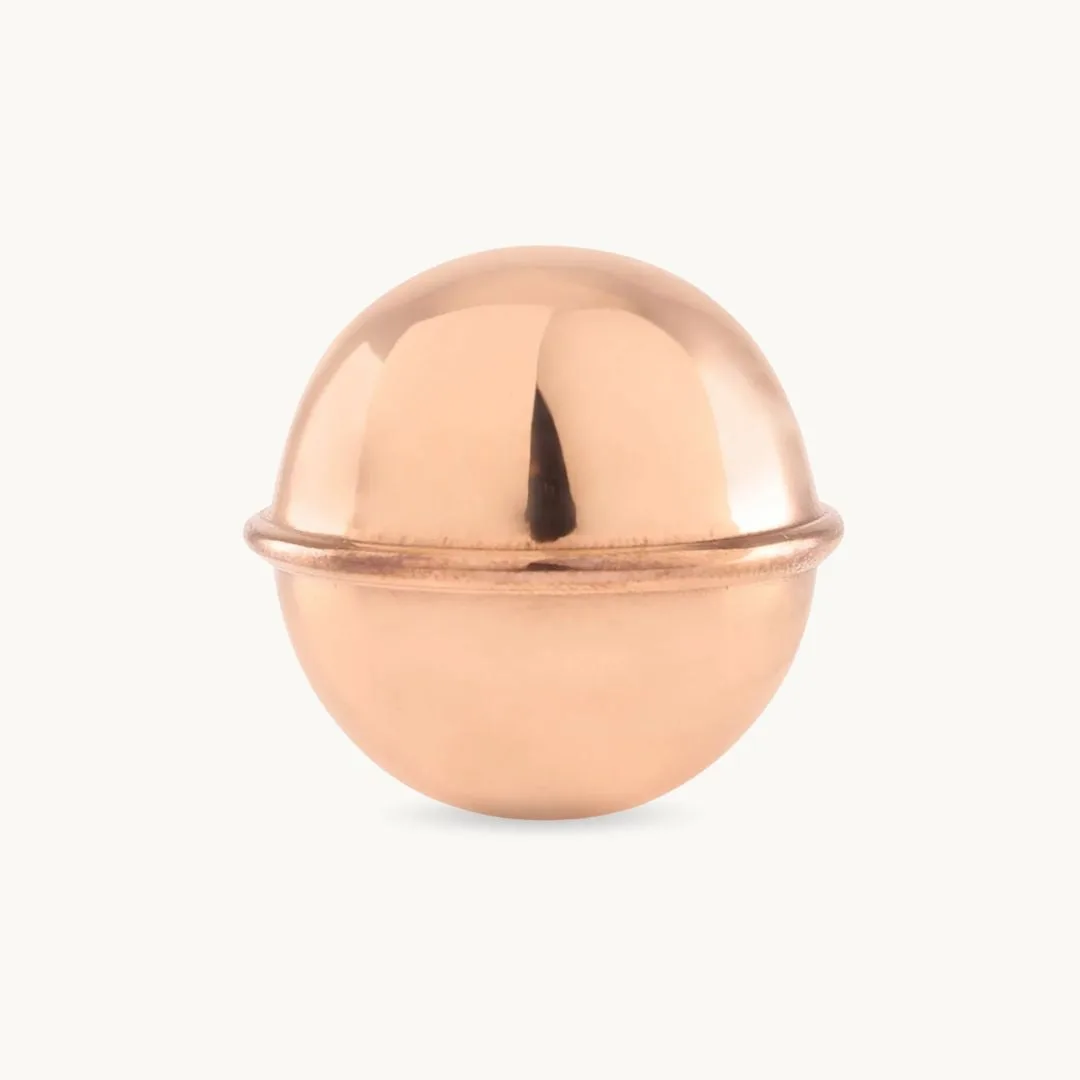
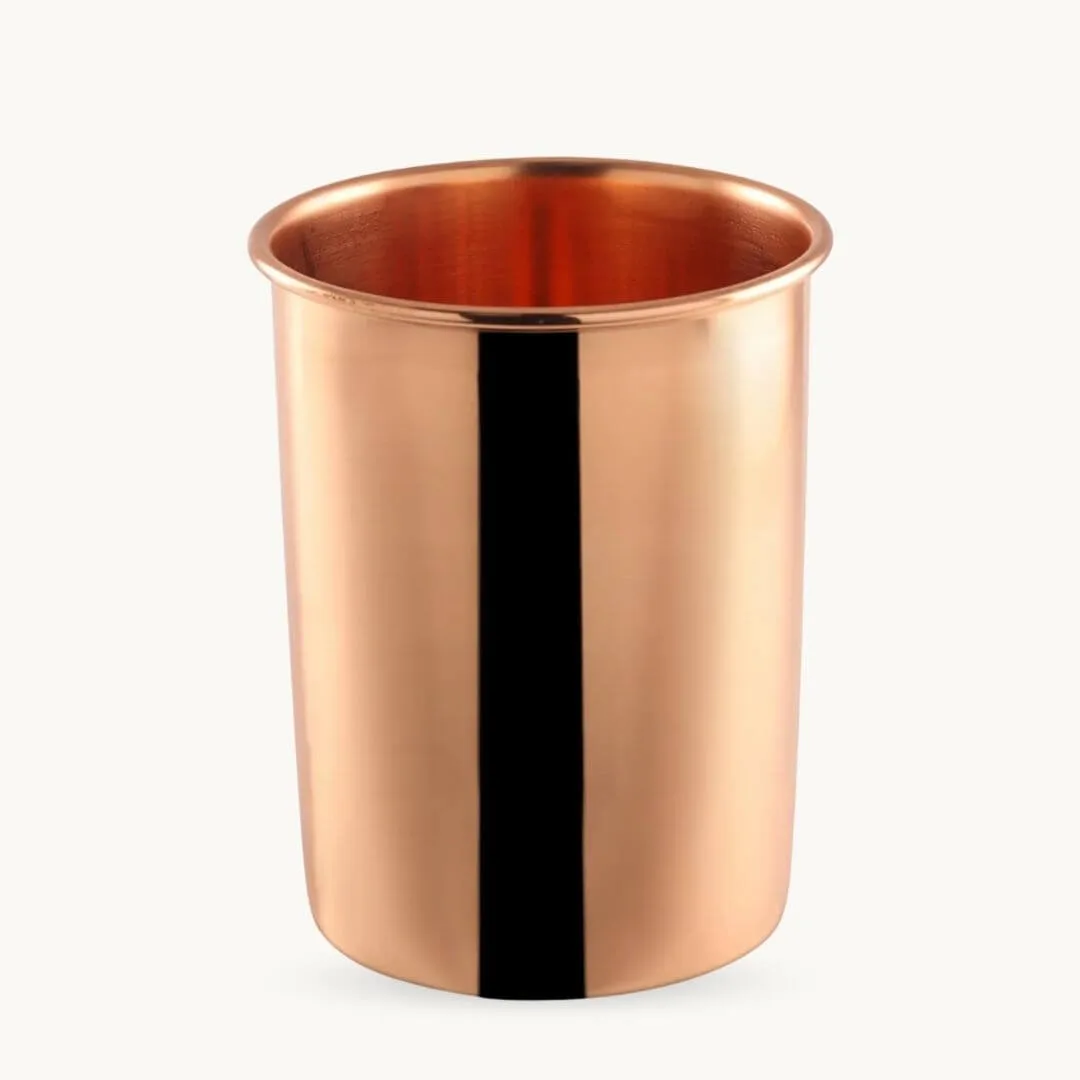
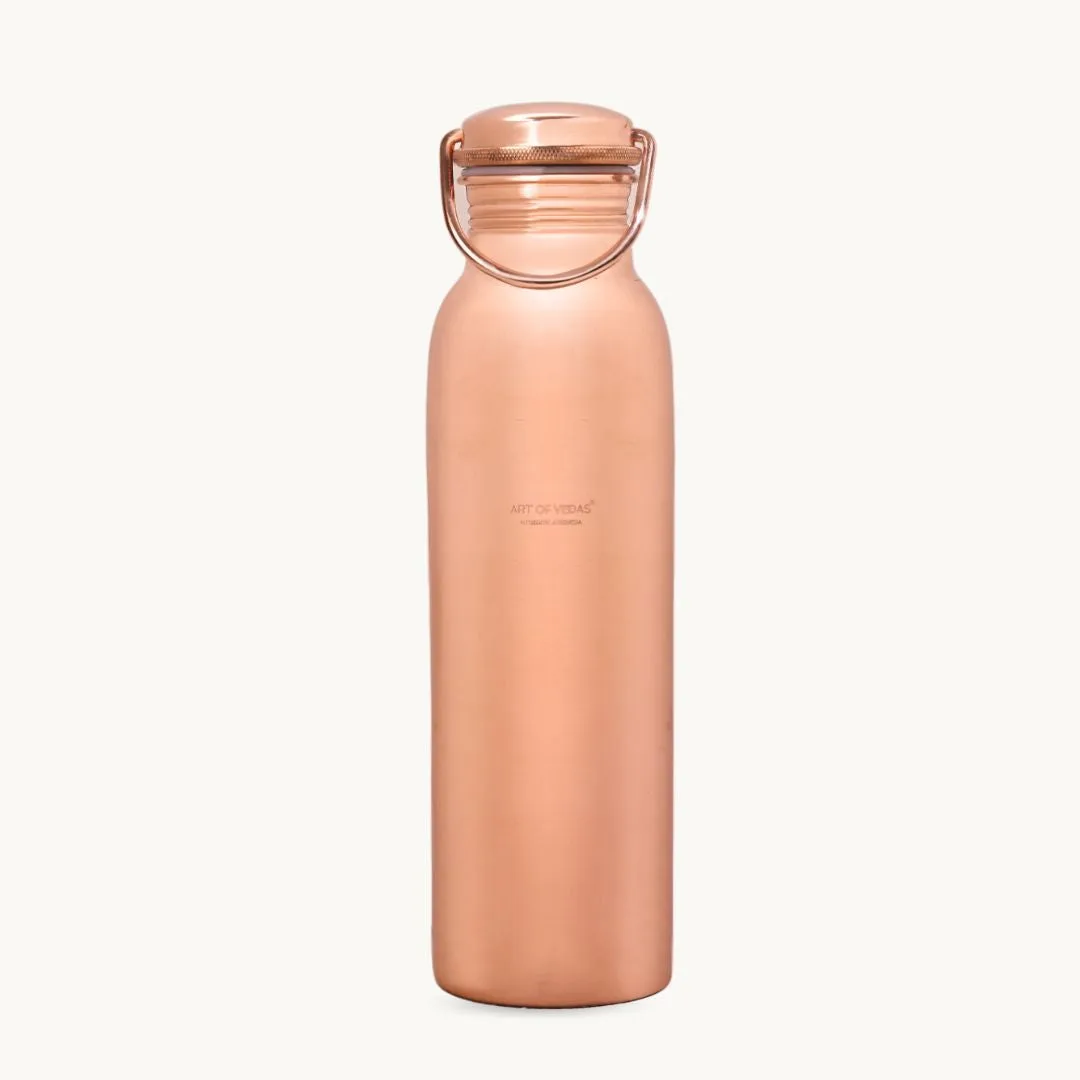
In Ayurveda the mouth is where the day begins, and Dantacharya (the morning practice of mouth care) brings together a few simple acts: scraping the tongue, swishing oil, and drinking from a copper vessel before anything else passes the lips. This collection gathers the pieces for that routine. You will find a classical oral Thailam (medicated oil) used in Gandusha (oil pulling), along with copper tongue scrapers shaped for daily use. Copper has long been valued in Ayurveda for storing water overnight, which is why you will also find copper glasses, bottles and an energy ball here alongside the mouth-care essentials. To choose well, start with what you will reach for every morning: a tongue scraper and a copper vessel are the foundation, and the Arimedadi Thailam joins once tongue scraping has become a habit. None of it needs to be elaborate, only kept up day after day.
Questions about Ayurvedic oral care
What does an Ayurvedic oral care routine actually involve?
The classical morning practice, Dantacharya, is mostly three small acts done in order: scraping the tongue from back to front a few times, swishing a medicated oil around the mouth, then rinsing. Many people also begin the day by drinking water that has rested overnight in a copper vessel. It takes only a few minutes once it becomes part of waking up, and you can adopt the steps one at a time rather than all at once.
How do I use a copper tongue scraper?
Hold both ends, place the curved edge near the back of the tongue, and draw it forward gently, rinsing between strokes. Four or five passes first thing in the morning, before eating or drinking, is the traditional measure. Copper is favoured in Ayurveda for this because it stays smooth and does not hold odours, and a quick rinse and occasional dry with a cloth keeps it in good order.
What is Gandusha, or oil pulling, and which oil do I use?
Gandusha is the practice of holding or gently swishing oil in the mouth for several minutes, then spitting it out, traditionally done before brushing. For oral care specifically, a medicated Thailam such as Arimedadi Thailam is the classical choice, as it is prepared expressly for the mouth and gums. Begin with a small amount and a short time, building up as it becomes comfortable, and never swallow the oil.
Why copper, and is it safe to drink from a copper vessel?
Copper, known in Ayurveda as Tamra, has long been used to store drinking water overnight, a practice called Tamra Jal. The traditional way is to fill a clean copper glass or bottle in the evening and drink it in the morning, rather than leaving water standing for days. Copper vessels are not meant for acidic drinks or hot liquids, and a periodic clean with lemon and salt keeps the surface bright.
How is Arimedadi Thailam different from an ordinary oil?
Arimedadi Thailam is a classical preparation made specifically for the mouth and gums, following a traditional recipe rather than being a single plain oil. It is used in Gandusha and for gentle gum massage as part of regular mouth care, not as a cooking or body oil. Because it is purpose-made for the mouth, a little goes a long way and one bottle lasts through many mornings.
How should I look after copper tongue scrapers and vessels?
Rinse a scraper after each use and dry it so water does not sit on the metal. Copper naturally darkens over time, which is normal; to brighten it, rub gently with a paste of lemon juice and salt, then rinse and dry. Keep vessels for water rather than juices or other acidic drinks, and store everything dry between uses so the copper stays in good condition for years.