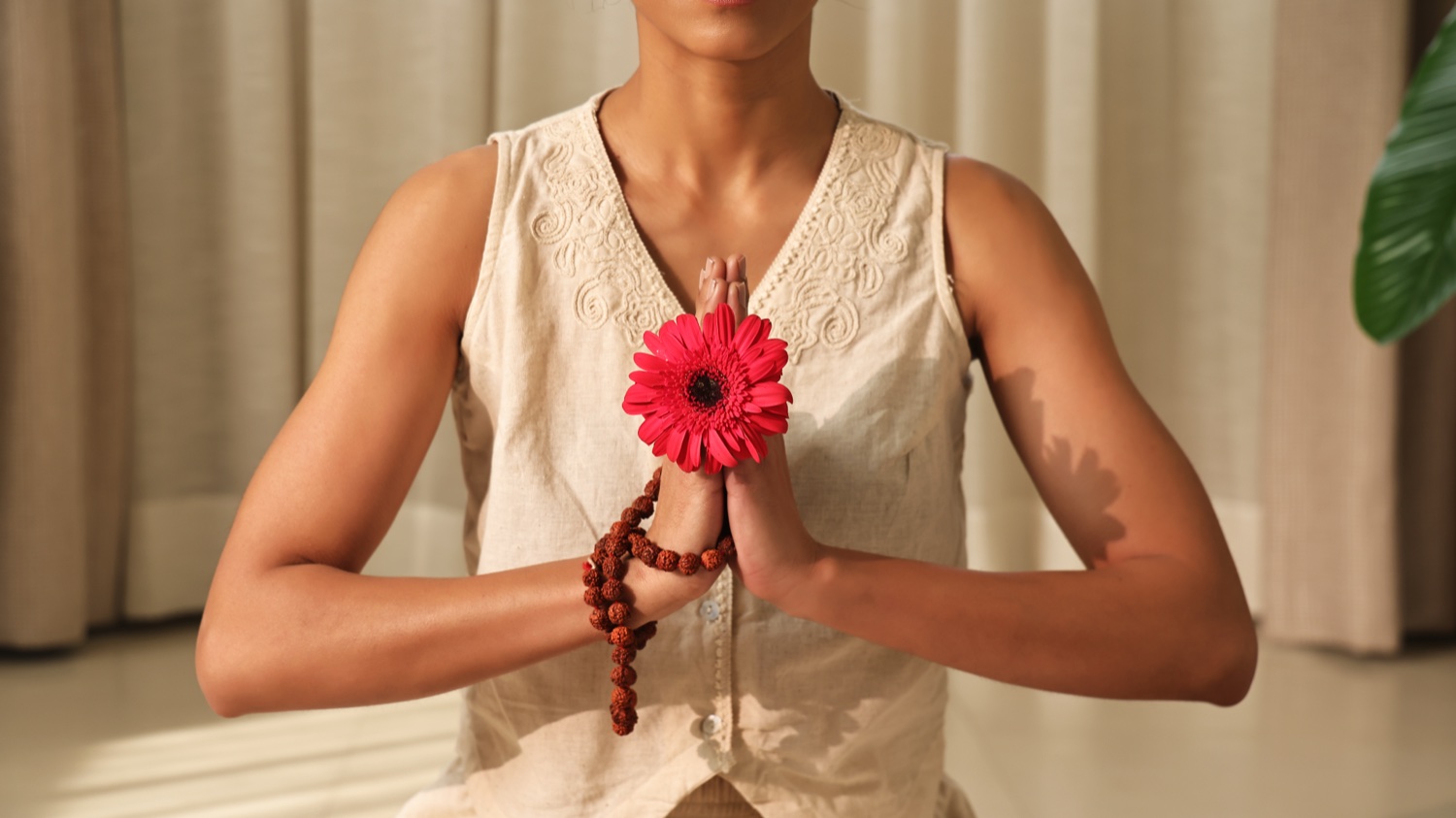
Yoga and Ayurveda: How the Two Classical Systems Work Together
Yoga and Ayurveda share a common origin. Both systems emerge from the Vedic tradition of ancient India, and both are classified in classical Indian thought as Upangas - supplementary limbs - of the broader Atharva Veda. They developed in parallel, drawing on the same philosophical foundation: the understanding that health is a state of balance between body, mind, and consciousness, and that specific practices can support and maintain that balance throughout life.
This guide explains the classical relationship between Yoga and Ayurveda, how Ayurveda approaches Yoga practice from a constitutional perspective, and how to integrate the two systems into a unified daily self-care routine.
The classical relationship between Yoga and Ayurveda
In the classical Indian tradition, Yoga and Ayurveda are considered sister sciences. Vagbhata, the author of the Ashtanga Hridayam (approx. 7th century CE), and Charaka, the author of the Charaka Samhita, both acknowledge Yoga as a component of overall health and wellbeing. Patanjali's Yoga Sutras, in turn, reference Ayurvedic concepts of body, mind, and constitution.
The relationship can be described as complementary: Ayurveda provides the framework for understanding the individual constitution and maintaining physical health. Yoga provides the practices - asana, pranayama, meditation, and ethical disciplines - that support mental, energetic, and spiritual wellbeing. Together, they form what many classical authors describe as a complete system for living well.
Ayurveda and Yoga: different goals, shared foundation
A key principle from classical Ayurvedic commentary on Yoga is that Yoga practice is most beneficial when it is adapted to the individual's constitution (Prakriti) and current state (Vikriti). The same Yoga practice that is vitalising for one person may be depleting for another. Ayurveda provides the lens through which to make these distinctions.
Yoga for Vata types
The Vata constitution is characterised by air and ether - qualities of movement, lightness, and dryness. Vata types benefit most from grounding, stabilising, and warming Yoga practice:
- Slow, steady, and rhythmic sequences rather than fast-paced or irregular flows
- Standing poses that connect to the earth - Tadasana (Mountain Pose), Virabhadrasana (Warrior poses)
- Forward bends and restorative poses that calm the nervous system
- Pranayama (breathing practice) that is slow and controlled - Nadi Shodhana (alternate nostril breathing) is classically described as Vata-calming
- Practice in a warm, quiet environment; avoid cold, draughty spaces
For Vata types, consistency matters more than intensity. A short, regular daily practice is far more beneficial than an intensive but irregular one. Pairing Yoga with warm oil Abhyanga - using Mahanarayana Thailam or Dhanwantharam Thailam - before or after practice supports the grounding and nourishing effect.
Yoga for Pitta types
The Pitta constitution is characterised by fire and water - qualities of heat, sharpness, and intensity. Pitta types benefit from Yoga practice that is cooling, relaxing, and non-competitive:
- Moderate-intensity practice - avoid highly competitive or intensely heated environments (hot Yoga is generally contraindicated for Pitta)
- Moon salutations (Chandra Namaskar) and cooling forward bends rather than intense backbends
- Heart-opening poses that release emotional tension - Ustrasana (Camel), Matsyasana (Fish)
- Sitali pranayama (cooling breath) - classically described as Pitta-pacifying
- Meditation and relaxation practices - Pitta types benefit greatly from Yoga Nidra and extended Savasana
For Pitta, the most important quality to cultivate in Yoga is softness and non-striving. The tendency to push, compete, and achieve is itself a Pitta pattern that Yoga practice can help to balance. Facial and body care with cooling oils such as Eladi Thailam supports recovery after practice.
Yoga for Kapha types
The Kapha constitution is characterised by earth and water - qualities of heaviness, stability, and coolness. Kapha types benefit from vigorous, stimulating, and energising Yoga practice:
- Dynamic, flowing sequences - Sun salutations (Surya Namaskar) are classically described as beneficial for Kapha
- Standing and inversions that stimulate circulation and warmth
- Backbends and chest-opening poses to counter Kapha's tendency towards heaviness and congestion
- Bhastrika (bellows breath) and Kapalabhati pranayama - stimulating breathing practices that counter Kapha lethargy
- Practice in a warm room; morning practice particularly recommended for Kapha types who may struggle to get moving
Meditation and Ayurveda
Meditation - Dhyana in classical Yoga terminology - holds a specific place in the Ayurvedic system. The Charaka Samhita describes Sattva (mental clarity and purity) as a key foundation of health, and meditation is the primary classical practice for cultivating Sattva. From an Ayurvedic perspective, a regular meditation practice supports the nervous system (Vata), reduces excess mental heat and emotional reactivity (Pitta), and lifts mental heaviness or attachment (Kapha).
For those new to meditation, a simple starting point is to sit quietly for five minutes at the same time each morning - ideally after Abhyanga and before breakfast. Consistency is valued over duration in both Yoga and Ayurvedic tradition.
The Dinacharya: Yoga and Ayurveda in a daily routine
In classical Ayurveda, the concept of Dinacharya - the daily self-care routine - provides a practical framework for integrating Yoga and Ayurvedic practices together. A classical Dinacharya might include:
- Rising before sunrise (Brahma Muhurta) or at a regular time
- Oral care: tongue scraping and oil pulling with Arimedadi Thailam
- Abhyanga: warm oil self-massage with a classical Thailam suited to your constitution
- Yoga asana practice - adapted to constitution and season
- Pranayama and meditation
- Bathing
- Breakfast - warm, nourishing, and constitution-appropriate
This routine does not need to be practised in its complete form every day. Even a simplified version - a few minutes of oil massage, a short asana sequence, and conscious breakfast - provides a meaningful foundation. The Ayurvedic principle is that regularity and intention matter more than the length or complexity of the practice.
Recommended Art of Vedas products for Yoga and Ayurveda practice
For those integrating Yoga and Ayurvedic self-care, the core products most relevant to the combined practice are:
- Mahanarayana Thailam - for warming, nourishing pre- or post-Yoga Abhyanga, particularly suited to Vata types and Vata season
- Dhanwantharam Thailam - for muscle and joint support in the context of regular practice
- Kansa Wand - for facial Abhyanga and facial Marma point stimulation as part of the morning ritual
- Oral Care - copper tongue scraper and Arimedadi oil for the complete Dinacharya oral care sequence
See our guide to Ayurvedic massage and Abhyanga for detailed instructions on integrating oil massage into a daily Yoga and Ayurveda routine.
Note: The Yoga and Ayurveda guidance on this page is for general educational purposes. If you have specific health conditions, please consult a qualified Yoga teacher, Ayurvedic practitioner, or healthcare professional before beginning or changing a practice.