Pitta Type in Ayurveda: The Complete Guide
Of the three Doshas in Ayurveda, Pitta is the force of transformation. Composed of the elements fire (Agni) and water (Jala), Pitta governs all metabolic and digestive processes in the body - from the digestion of food to the processing of sensory impressions and the regulation of body temperature. The Charaka Samhita describes Pitta as the force responsible for heat, vision, hunger, thirst, lustre of the skin, intelligence, and courage.
This guide explains what defines the Pitta constitution, how to recognise a Pitta type, what the signs of Pitta imbalance are, and how to support Pitta balance through daily care, classical oils, and Ayurvedic practice.
Characteristics of the Pitta type
People with a dominant Pitta constitution (Pitta Prakriti) typically display a recognisable set of physical and psychological traits, described in classical texts including the Ashtanga Hridayam:
Physical traits
- Medium, well-proportioned build - neither as slender as Vata nor as solid as Kapha
- Warm skin - Pitta types tend to feel warm and may perspire readily
- Sensitive, reactive skin that may flush or redden easily
- Fine hair that may be prone to early greying or thinning
- Strong, reliable hunger - Pitta types have the most consistent and powerful digestion of the three constitutions
- Sharp, penetrating eyes - often light-coloured or piercing in their expression
- Medium body temperature, often warm to the touch
Psychological traits
- Sharp, analytical, and focused intellect - Pitta types are often highly intelligent and goal-oriented
- Natural leadership qualities and decisiveness
- Strong motivation and drive - tends towards perfectionism
- When in balance: confident, warm, and articulate
- When out of balance: tendency towards irritability, criticism, or impatience
- Competitive nature - Pitta types often have a strong desire to succeed
Signs of Pitta imbalance
When Pitta accumulates beyond its balanced state, classical Ayurvedic texts describe the following characteristic expressions:
- Excess heat - feeling hot, flushing, burning sensations in the stomach or skin
- Skin sensitivity - redness, irritation, or reactive skin
- Digestive excess - heartburn, acid reflux, or overly sharp hunger
- Irritability, impatience, or anger more easily triggered than usual
- Inflammatory tendencies - the classical texts associate excess Pitta with heat-related imbalances
- Eye sensitivity or redness
- Increased sweating or body odour
Pitta aggravates through excess heat, spicy or very sour foods, alcohol, overwork, intense sun exposure, and competitive pressure. Summer is classically considered the primary Pitta season.
What balances Pitta: the classical approach
The foundational principle for balancing Pitta is cooling, calming, and moderating - using the qualities that are opposite to Pitta's hot, sharp, and intense nature. Classical Ayurvedic Pitta management (Pitta Shamana) includes:
Oil massage (Abhyanga) for Pitta
Regular oil massage is beneficial for all constitutions in classical Ayurveda, but the choice of oil is particularly important for Pitta. Pitta benefits from lighter, cooling oils rather than warming, heavy preparations. Coconut oil is classically considered cooling and is therefore favoured for Pitta types in warm seasons.
Classical oils used in Pitta-appropriate practice include:
-
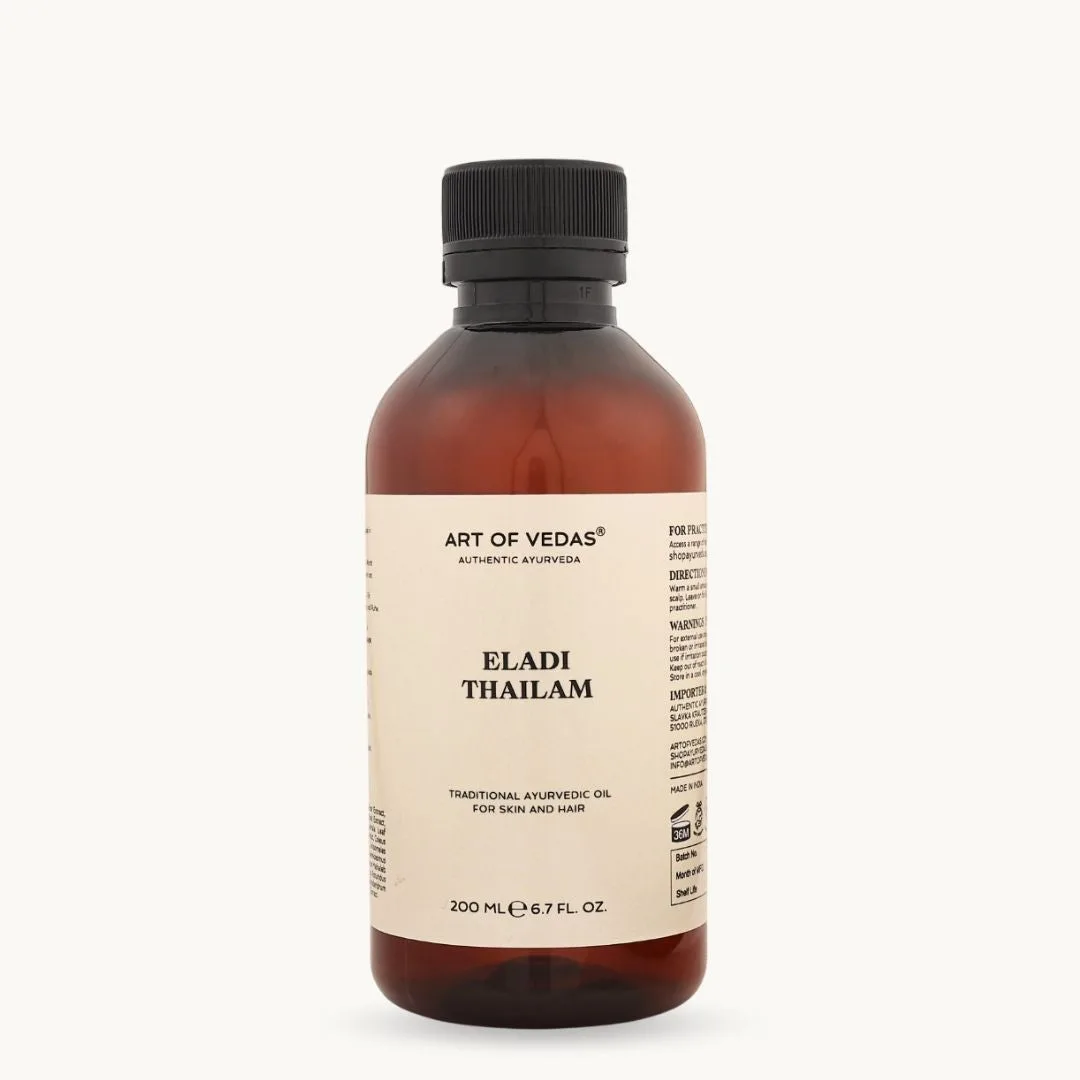
Eladi Thailam - described in the Ashtanga Hridayam as a classical oil with soothing and cooling qualities, traditionally used for facial and body care in sensitive and Pitta-type skin conditions.
-
Nalpamaradi Keram - a classical South Indian preparation featuring four varieties of Ficus bark, traditionally associated with brightening and soothing skin care.
-
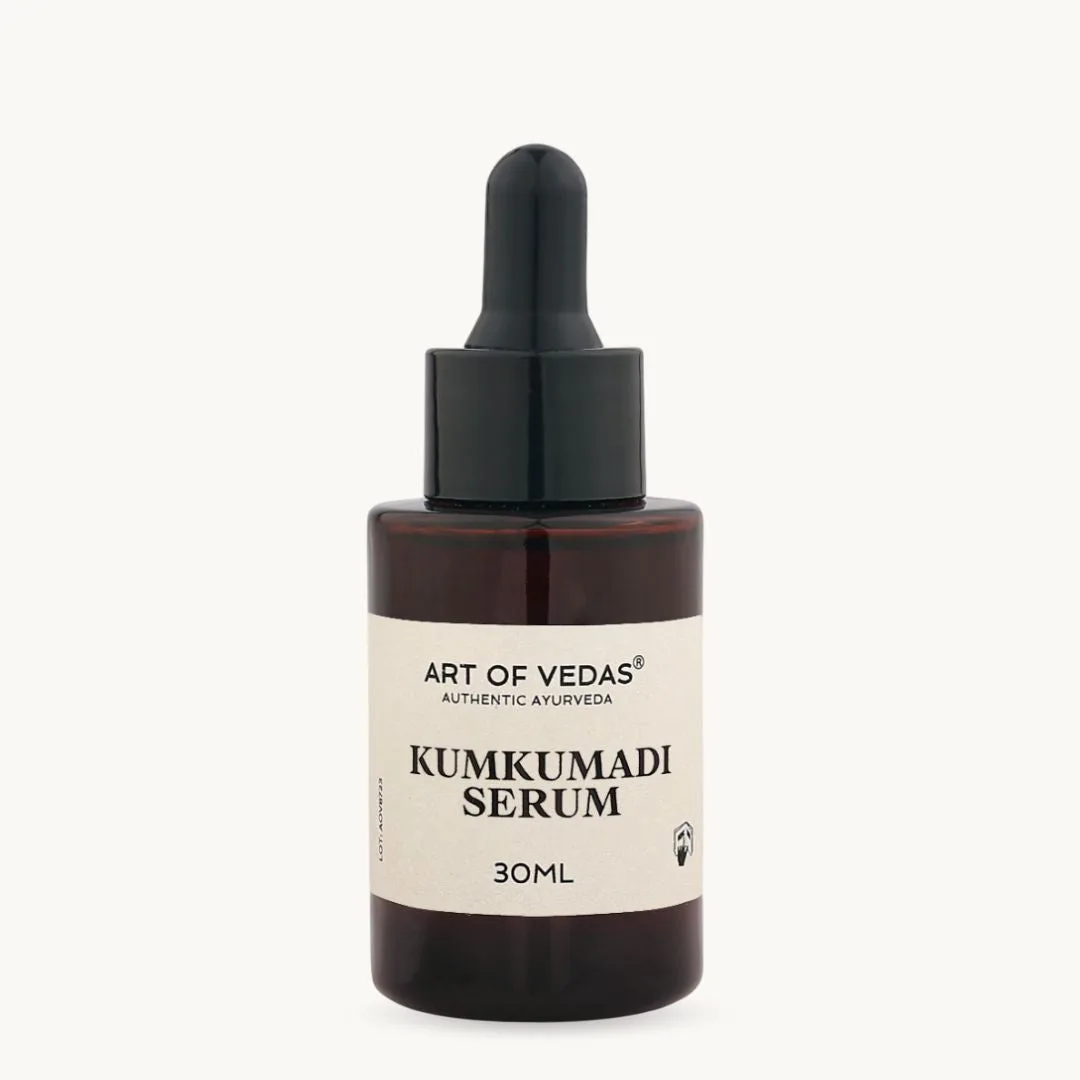
Kumkumadi Serum - the classical Ayurvedic facial oil with Kumkuma (saffron) as the primary ingredient, described in classical texts as a Varnya preparation supporting skin luminosity.
The full facial and skin care range is available in our Face Care collection.
Facial care and Mukha Abhyanga for Pitta
The face is particularly relevant for Pitta types, as the skin of the face is often the first area where Pitta imbalance expresses itself. For Pitta skin, the classical approach focuses on light, cooling facial oils applied with gentle circular movements. The Kansa Wand is also valued in this practice - bronze (Kansa) is described in Ayurveda as a harmonising metal that helps balance heat in the tissues. See our Ayurvedic facial care guide for a complete routine.
Diet and lifestyle for Pitta
Classical Ayurveda recommends the following general principles for Pitta through diet and daily habits:
-
Cooling foods: Sweet fruits, dairy (in traditional Ayurveda), coconut, cucumber, and coriander are classically described as Pitta-calming.
-
Avoid excess heat: Very spicy, very sour, and very salty foods increase Pitta.
-
Tastes: Sweet (Madhura), bitter (Tikta), and astringent (Kashaya) tastes are calming for Pitta. Pungent, sour, and salty tastes aggravate Pitta.
-
Moderation: Pitta's tendency towards intensity and overwork is itself a Pitta-aggravating habit. Regular breaks, time in nature, and moderation in competitive activity are classically recommended.
-
Cool environments: Pitta types are especially sensitive to heat - moderate temperatures, avoiding excess sun, and spending time near water are all traditionally described as Pitta-calming.
Classical Pitta-supporting herbs
-
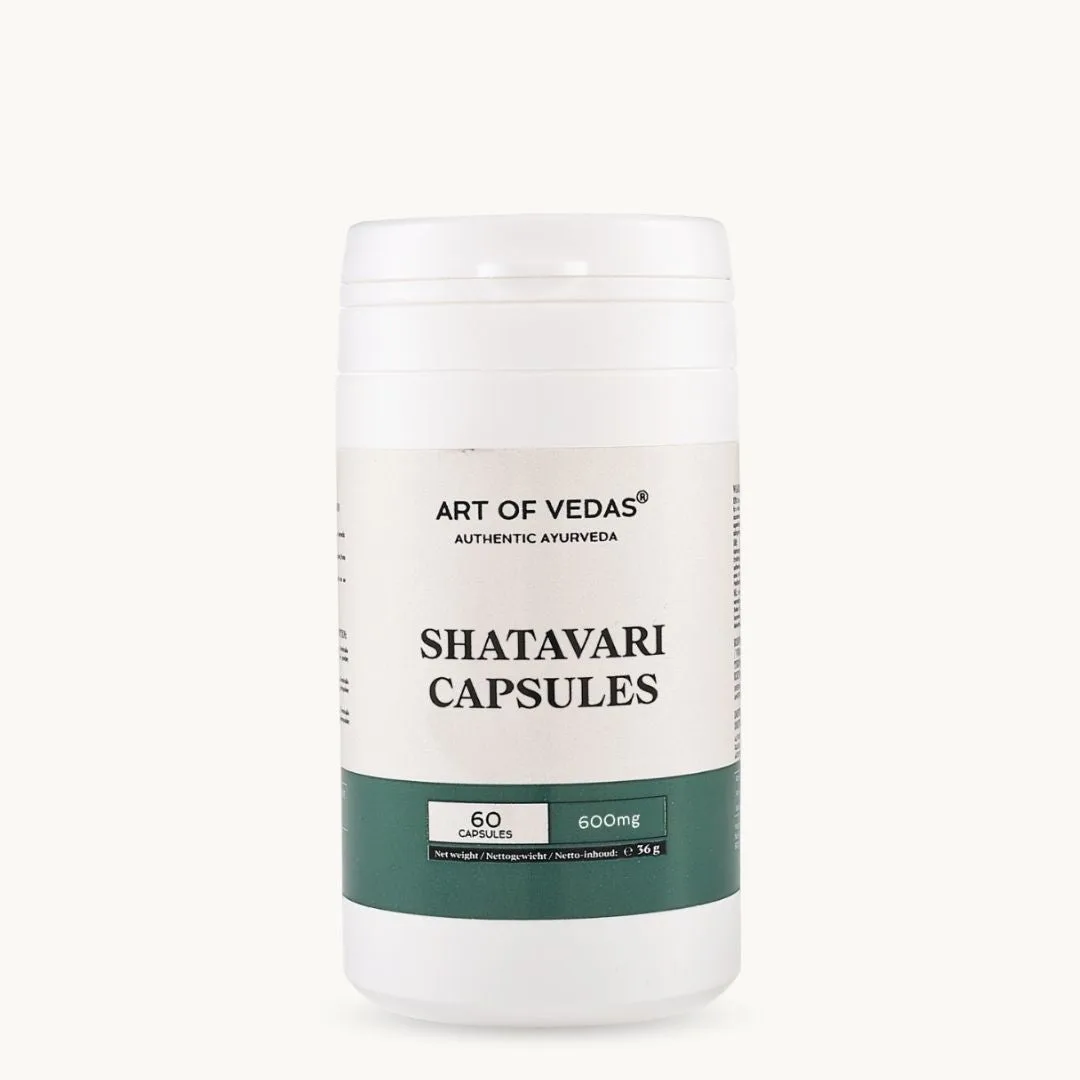
Shatavari (Asparagus racemosus) - described in classical texts as cooling, nourishing, and supportive for Pitta constitution.
-
Guduchi (Tinospora cordifolia) - a classical tridosha-balancing herb described as particularly beneficial for excess Pitta and inflammatory conditions in traditional Ayurvedic texts.
-
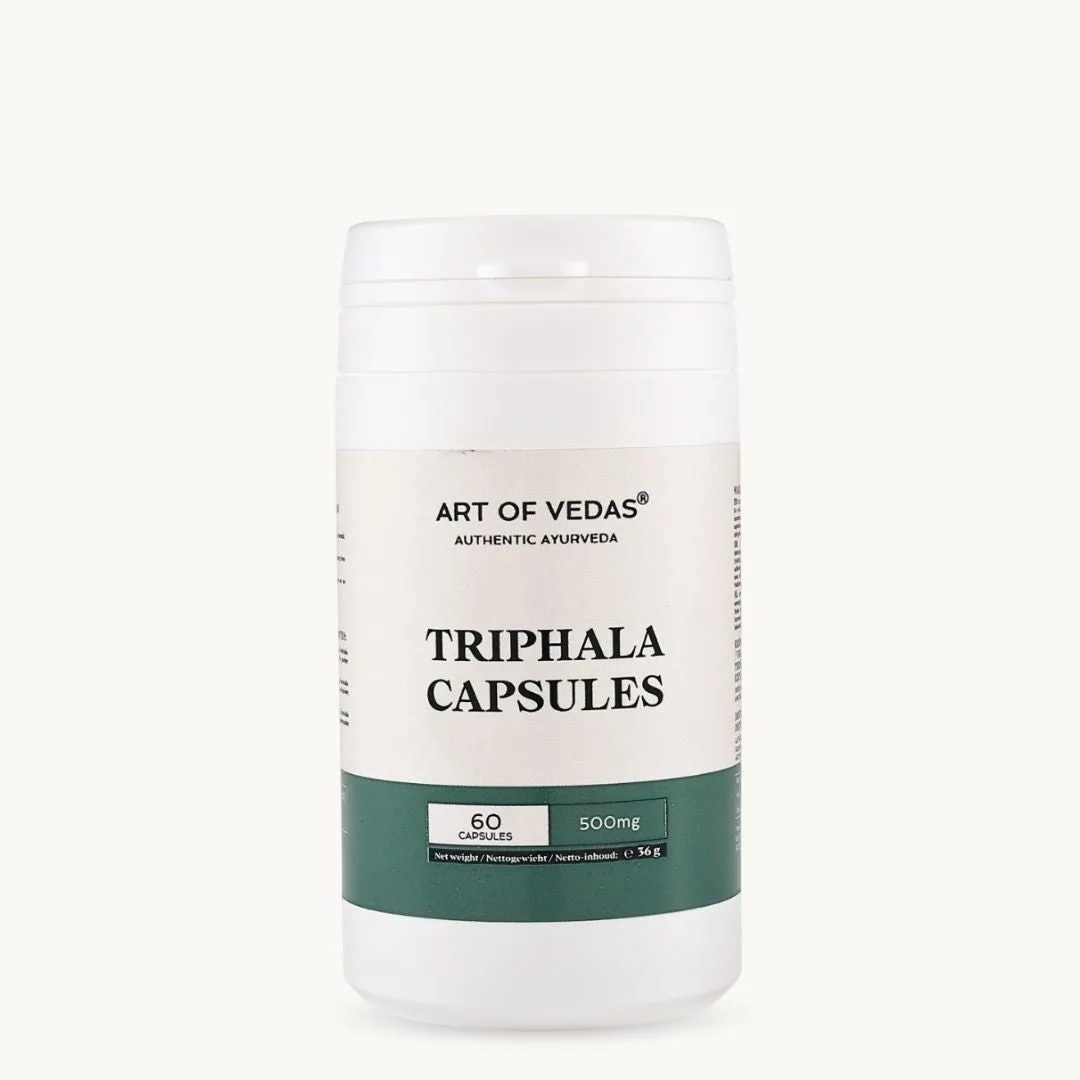
Triphala - the classical three-fruit formula of Haritaki, Bibhitaki, and Amalaki, traditionally described as balancing for all three Doshas and supportive for the digestive system. See our guide to Triphala for full details.
Understanding your Dosha: the next step
Pure Pitta types are relatively uncommon. Many people carry a dual constitution - Pitta-Vata or Pitta-Kapha - in which two Doshas are equally prominent. Understanding your specific combination gives a more nuanced foundation for daily self-care. Take the Ayurvedic Dosha test to identify your constitution.
For dual-constitution types, see our guide to mixed Dosha types in Ayurveda. For the Vata constitution, see the Vata type guide.
Note: The Ayurvedic concepts on this page are for general information and education. Art of Vedas products are personal care products and food supplements, not medicines, and do not replace consultation with a qualified practitioner.