Oil Pulling: The Ayurvedic Oral Care Practice
Oil pulling - known in classical texts as Gandusha (holding oil in the mouth) and Kavala Graha (swishing oil through the teeth) - is one of the most accessible and immediately rewarding Ayurvedic practices. Described in the Charaka Samhita and Ashtanga Hridayam as part of Dinacharya (daily routine), this simple practice of swishing oil in the mouth for 10, 20 minutes supports oral health, strengthens the gums and jaw, and addresses the Kapha accumulation that naturally occurs in the oral cavity overnight.
The Two Classical Forms
Kavala Graha - Swishing
The more common practice: take one tablespoon of oil, swish it vigorously through the teeth and around the mouth for 10, 20 minutes. The oil is pulled, pushed, and churned between the teeth - the mechanical action combines with the oil's lipophilic properties to dissolve and capture oral bacteria, food particles, and the mucous (Kapha) coating that lines the mouth after sleep.
Gandusha - Holding
The more intensive form: fill the mouth completely with oil and hold it still (no swishing) until the eyes water or the mouth fills with saliva. The static hold allows deeper penetration of the oil into the gum tissue and oral mucosa. Gandusha is typically used therapeutically rather than as a daily practice.
For daily Dinacharya, Kavala (swishing) is the standard recommendation.
Oil Selection
Sesame oil is the classical default - the Charaka Samhita specifically recommends sesame for Kavala practice. Sesame's warming, penetrating quality provides strong antibacterial action and tissue nourishment. Best for Vata and Kapha types.
Coconut oil is the Pitta-appropriate alternative - cooling, pleasant-tasting, and gentler for those who find sesame too warming or strong-flavoured. Popular among beginners for its milder taste.
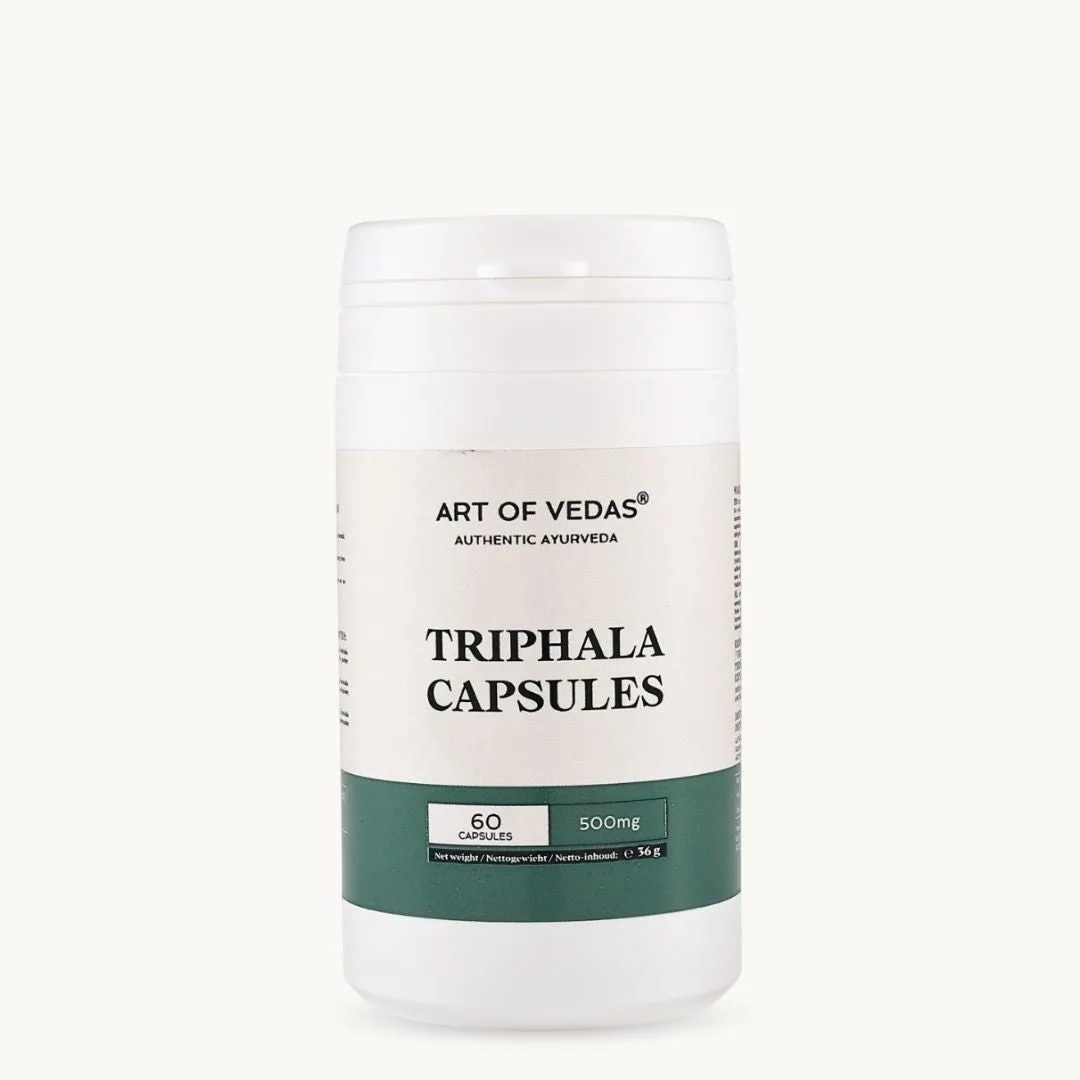
Medicated oil pulling oils: Art of Vedas' oral care collection includes oils specifically formulated for Kavala practice - infused with traditional oral-health herbs like Triphala, clove, and neem that enhance the base oil's effectiveness.
Technique and Timing
When: First thing in the morning - after waking and drinking warm water, but before tongue scraping, eating, or brushing teeth. On an empty stomach.
How much: One tablespoon - enough to swish comfortably without overflowing.
How long: 10, 20 minutes. Start with 5 minutes if 10 feels too long, and build up. The oil will thin, increase in volume (mixing with saliva), and change from clear to milky white as it emulsifies with oral secretions. When this transformation is complete, the practice is done.
What to do during: Oil pulling pairs naturally with other morning tasks - preparing breakfast, getting dressed, light stretching, or simply sitting quietly. It does not require focused attention.
Spitting: Always spit into a bin or paper towel - never into the sink (oil solidifies in plumbing). Never swallow - the oil now contains everything it has pulled from the oral cavity.
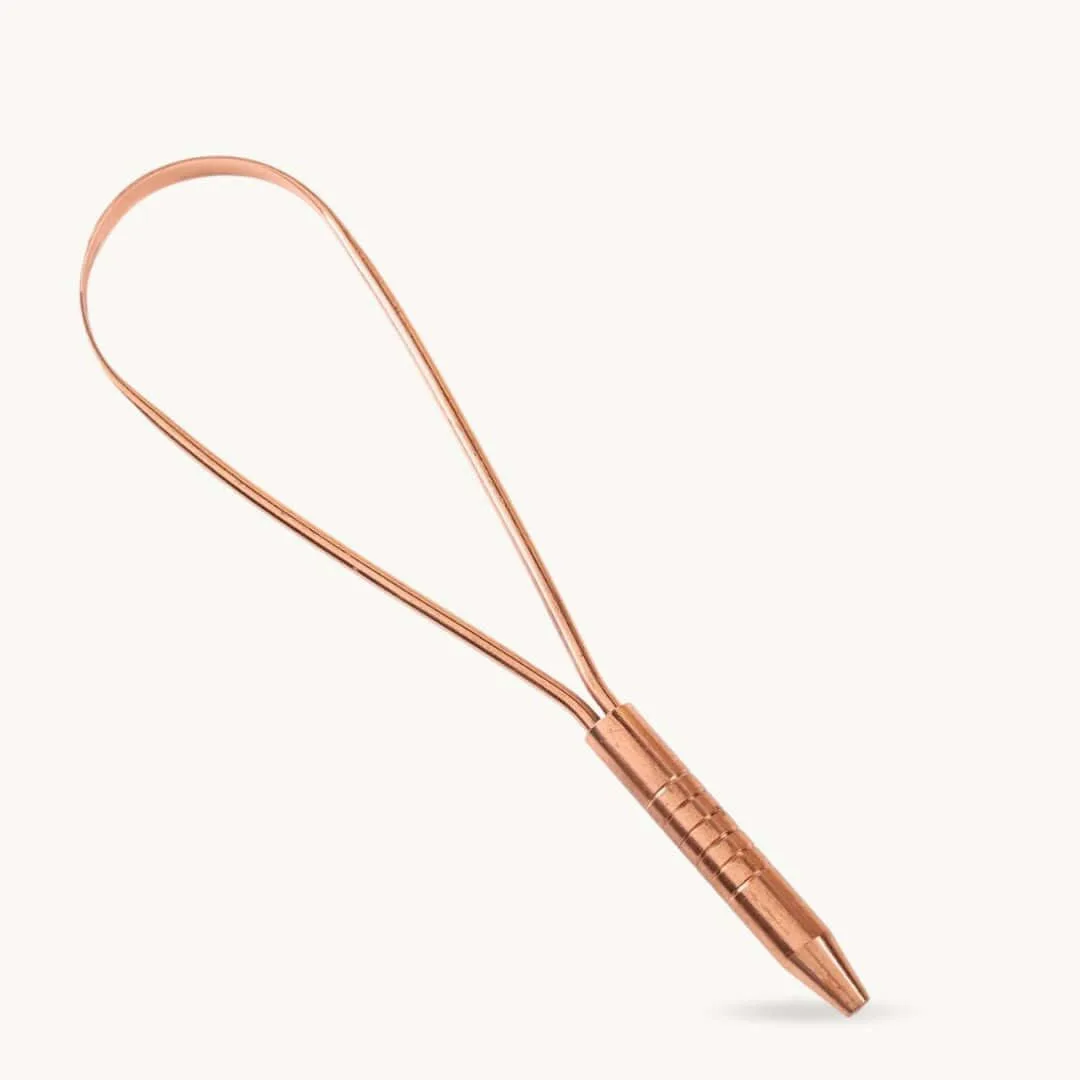
After: Rinse the mouth with warm water. Then scrape the tongue to remove any remaining coating. Then brush teeth normally.
What to Expect
First week: Stronger jaw muscles from the swishing motion. Cleaner-feeling mouth. Possible slight detox responses - mild headache or increased mucous - as the practice mobilises accumulated oral Ama.
First month: Noticeably healthier gum appearance. Fresher breath. Stronger teeth and reduced sensitivity. Many practitioners report whiter teeth, though this is a secondary effect rather than the primary purpose.
Ongoing: Oil pulling is a maintenance practice - its benefits are cumulative and sustained through daily repetition. Like Abhyanga, it works through consistent daily practice rather than occasional intensive sessions.
The Broader Oral Care Ritual
Oil pulling is most effective as part of the complete Ayurvedic oral care sequence:
Tongue scraping + oil pulling + herbal tooth cleaning = the classical triad of Ayurvedic oral hygiene. Together, these practices address bacterial load (oil pulling), Ama coating (tongue scraping), and tooth and gum maintenance (herbal brushing). The morning routine guide shows how oral care fits into the full Dinacharya sequence.
Browse the complete oral care collection for oil pulling formulations, copper tongue scrapers, and herbal tooth care products. For personalised oral care recommendations, an Ayurvedic consultation considers your Dosha type and specific oral health patterns.
Classical Ayurvedic oral care practice for educational purposes. Not a replacement for professional dental care.