The information in this article is provided for educational purposes and reflects traditional Ayurvedic knowledge. It is not intended as medical advice and should not replace consultation with a qualified healthcare professional.
In brief: Vata is one of the three doshas in classical Ayurveda, composed of the qualities of air and space. Vata-dominant individuals tend toward lightness, mobility, creativity, and variability - and toward imbalances characterised by dryness, irregularity, scattered energy, and difficulty maintaining stable routines. This guide covers what classical Ayurveda recommends for Vata types in terms of diet, daily practice, oils, and herbs.
Vata Type in Ayurveda: Diet, Oils and Daily Routines for Your Constitution
Ayurveda's concept of prakriti - individual constitutional type - is one of its most distinctive and practically useful contributions to understanding how to live well. Where modern health advice tends to offer universal recommendations applicable to everyone, classical Ayurveda begins from the observation that people differ from each other in fundamental ways, and that what nourishes and supports one person may not be appropriate for another.
The three doshas - Vata, Pitta, and Kapha - are the primary categories through which classical Ayurveda describes these individual differences. Most people have one or two doshas that are more prominent in their constitution, influencing everything from their physical characteristics and energy patterns to their digestive tendencies and the types of imbalance they are most prone to. This guide focuses on Vata - its classical description, what it means for daily life, and what the classical texts recommend for supporting and balancing it.
What Is Vata Dosha? The Classical Description
The Charaka Samhita describes Vata as composed of the qualities of Vayu (air) and Akasha (space). Its primary qualities - as listed in the classical texts - are: light, dry, mobile, subtle, rough, clear, and cold. These qualities describe not just a conceptual category but a pattern that is directly observable in the physical, physiological, and psychological characteristics of those in whom Vata is dominant.
The Ashtanga Hridayam provides a detailed description of the Vata-dominant individual: typically lighter in build, with a tendency toward variable digestion, quick mental movement, creativity, and sensitivity. In balance, Vata qualities express as enthusiasm, adaptability, and a lively, engaged quality of mind. Out of balance, the same qualities tend to manifest as irregularity, anxiety, physical dryness, scattered attention, and difficulty maintaining consistency in sleep, eating, and daily routine.
The location of Vata in the body is described in classical texts as primarily the colon, followed by the lower back, thighs, bones, and nervous system. These locations are relevant to understanding both where Vata imbalance tends to manifest physically and where interventions are most directly targeted.
Vata governs all movement in the body - from the movement of food through the digestive tract to the movement of nerve impulses and the movement of thought in the mind. This governance of movement makes Vata the most influential dosha in terms of the other two doshas' ability to function: classical texts describe Vata as the leader of the doshas, because without movement, neither Pitta's transformation nor Kapha's stability can operate.
Recognising Vata Imbalance: What the Classical Texts Describe
The Charaka Samhita's description of Vata excess includes: dry skin and mucous membranes, constipation and irregular bowel function, cracking joints, disturbed sleep and difficulty establishing a stable sleep pattern, anxious or fearful thought patterns, scattered attention and difficulty completing tasks, cold intolerance, and a general sense of depletion and ungroundedness.
Many people in modern European conditions - with irregular schedules, high screen time, significant mental workload, inadequate sleep, and processed or cold foods - experience Vata aggravation without recognising it as such. The modern lifestyle, as classical Ayurveda would describe it, is almost systematically Vata-aggravating: it emphasises speed, multitasking, stimulation, and irregular timing, all of which increase the mobile, light, and irregular qualities of Vata.
For a more detailed exploration of Vata imbalance patterns and practical management, see our guide to Vata imbalance. For understanding your constitutional type more precisely, the Art of Vedas Dosha assessment provides a starting point.
Diet for the Vata Type: The Classical Principles
The Charaka Samhita's dietary guidance for Vata is built on a straightforward principle: what reduces Vata has the opposite qualities to Vata's own. Since Vata is dry, light, cold, mobile, and rough, foods that balance it are warm, moist, heavy (in the Ayurvedic sense of nutritive density), stable, and smooth.
Warm, freshly cooked food is foundational for Vata. Classical texts emphasise that raw, cold, and dry foods increase Vata's lightness and dryness, while warm, lightly oiled, well-cooked foods provide the grounding nourishment that Vata requires. Soups, stews, khichadi (rice and lentil preparations), and warm grain preparations with moderate amounts of good-quality fat are the classical dietary staples for Vata types.
The six tastes in classical Ayurveda each affect the doshas in specific ways. For Vata, sweet (madhura), sour (amla), and salty (lavana) tastes are described as balancing, while pungent (katu), bitter (tikta), and astringent (kashaya) tastes aggravate Vata by increasing its drying and light qualities. This provides a practical framework for dietary choice: favour sweet vegetables, cooked grains, warm dairy, and nourishing fats; be moderate with raw bitter greens, highly spiced preparations, and foods with strong astringency.
Regular meal timing is as important as food composition for Vata. The mobility and irregularity that characterise Vata mean that Vata types tend to skip meals, eat at irregular times, and be easily distracted from eating. Classical texts emphasise that regular, predictable meal times - with the largest meal at midday when Agni (digestive fire) is strongest - are among the most effective dietary interventions for Vata.
Oils and Abhyanga: The Most Effective External Practice for Vata
If there is one external practice that the classical texts most consistently recommend for Vata balance, it is Abhyanga - the practice of self-massage with warm oil performed daily as part of the morning routine. The Charaka Samhita's Sutrasthana states that daily Abhyanga reduces the qualities of Vata in the skin, musculoskeletal system, and nervous tissues, supports sleep quality, and imparts resilience to the body's tissues over time.
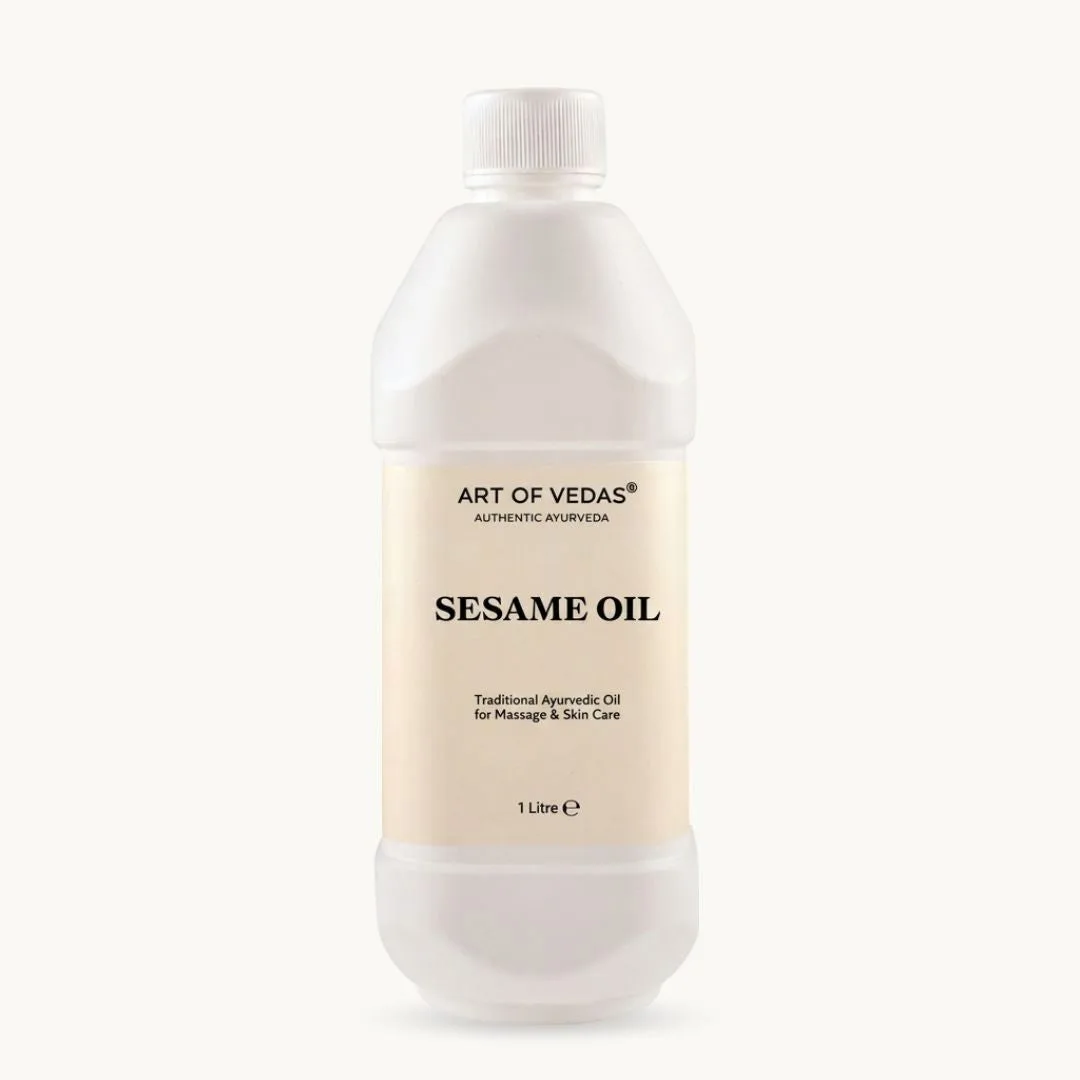
The choice of oil for Abhyanga is directly relevant to the Vata constitution. The classical texts consistently recommend sesame oil as the primary base oil for Vata, as its warming potency, heaviness, and nourishing quality directly oppose Vata's cold, light, and dry characteristics. Medicated sesame oils - classical Thailams prepared by processing herbs into sesame oil according to traditional methods - provide the base oil's Vata-balancing properties together with the specific actions of the incorporated herbs.
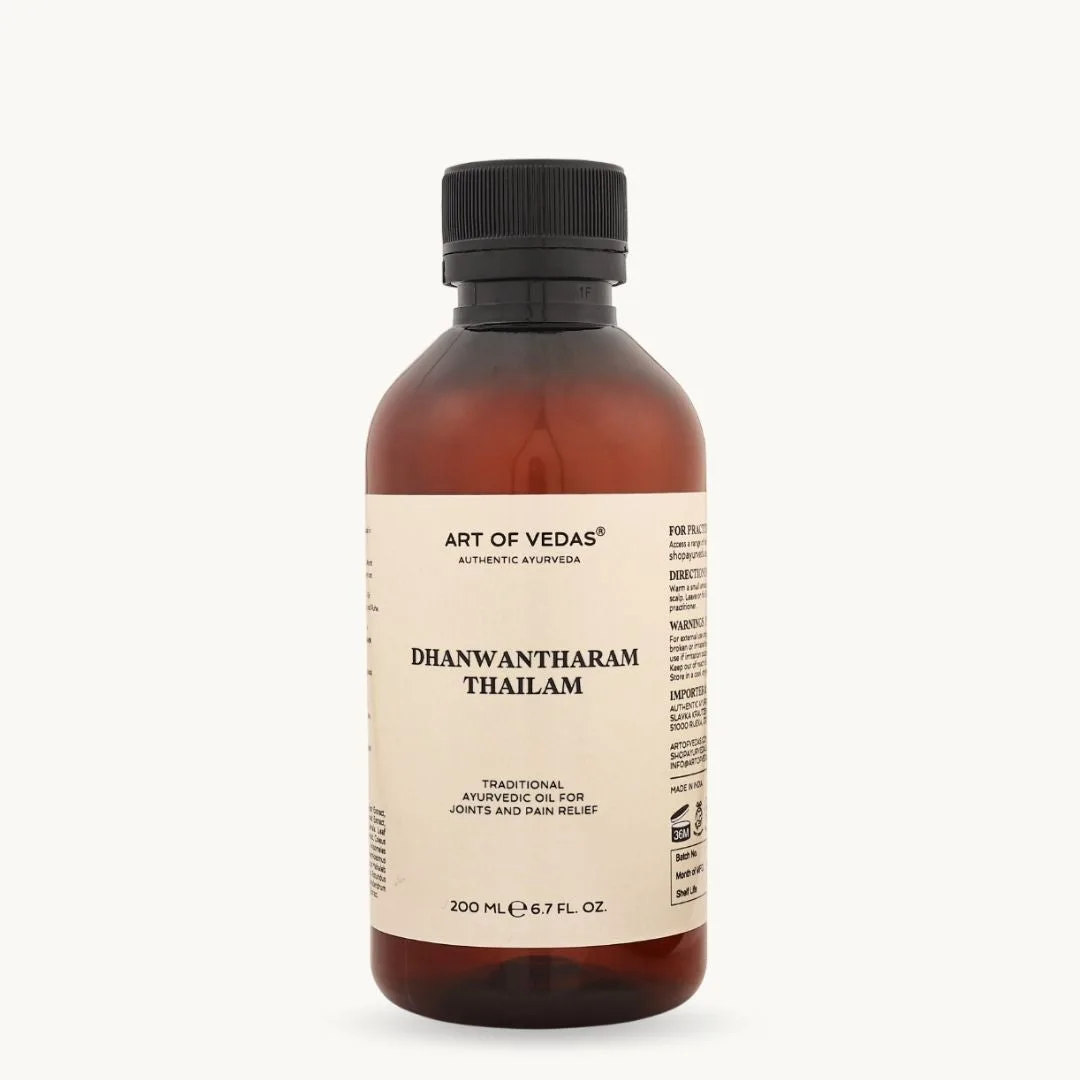
For the Vata constitution, Dhanwantharam Thailam is the classical oil most commonly referenced in the context of general Vata-balancing Abhyanga. The Sahasrayogam and Ashtanga Hridayam describe it as having specific affinity for Vata in the musculoskeletal and nervous systems, and it is one of the most widely used classical oils in Panchakarma practice for Vata conditions. Bala Thailam, prepared with Bala root (Sida cordifolia) in sesame oil, is another classical preparation specifically referenced for nourishing and strengthening Vata-related tissues.
For a full practical guide to performing Abhyanga at home, see our Abhyanga ritual guide. Browse classical Thailams for oils suited to Vata Abhyanga.
Classical Herbs for Vata: Ashwagandha, Bala, and Shatavari
The classical texts describe three primary categories of internal herb use for Vata balance: Balya herbs (those that support strength and vitality), Rasayana herbs (those that renew tissue quality over time), and Vatahara herbs (those that directly reduce excess Vata). Several herbs appear in more than one category and are among the most directly relevant for Vata types.
Ashwagandha (Withania somnifera) is the most broadly used Balya and Rasayana herb for Vata. Its warming potency, sweet post-digestive effect, and specific action on the nervous and musculoskeletal tissues make it directly relevant to the physical depletion and nervous system disturbance that characterise Vata excess. The Charaka Samhita and Ashtanga Hridayam both describe it as particularly indicated when Vata depletion is the primary pattern. See our complete guide to Ashwagandha effects and use.
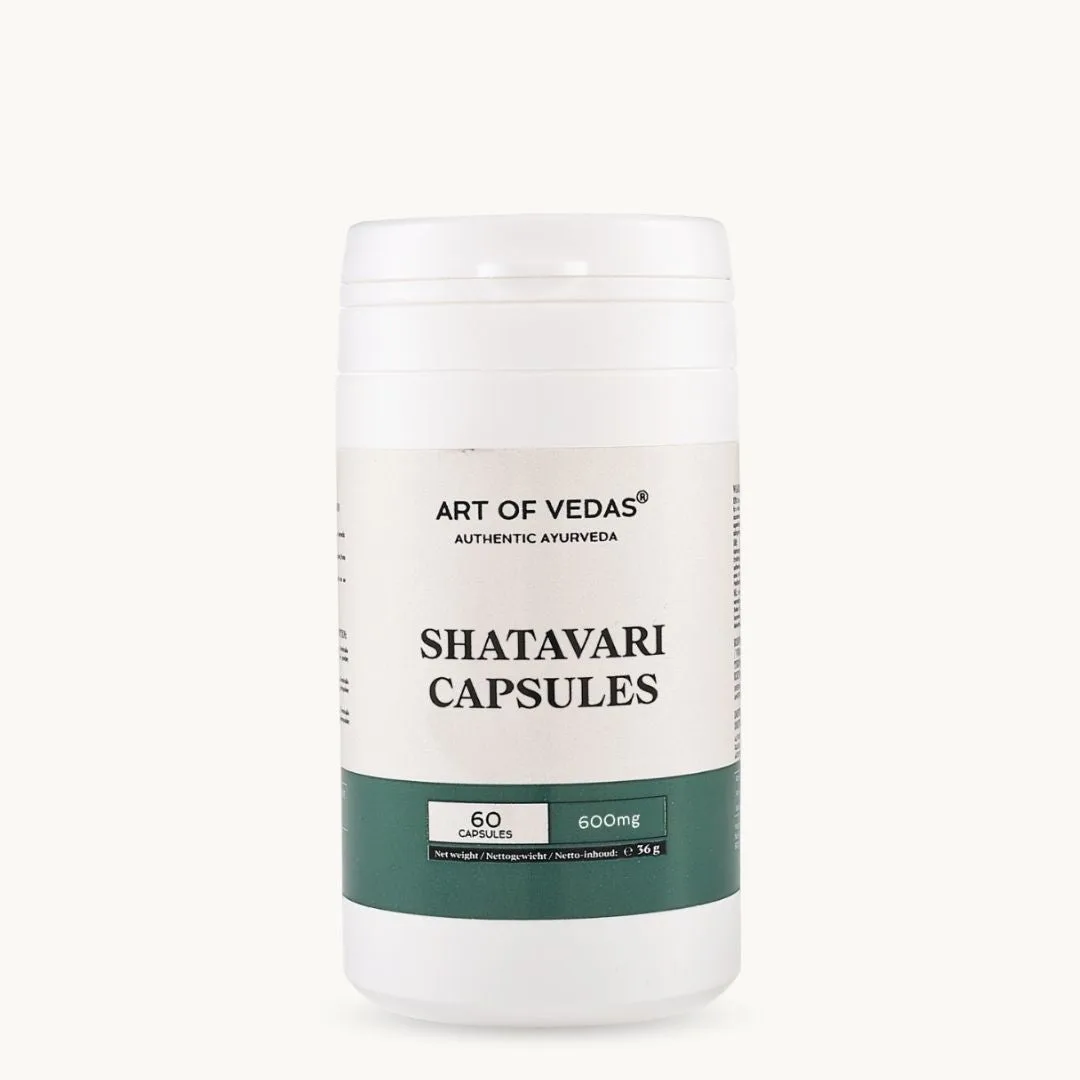
Shatavari (Asparagus racemosus) is the primary Rasayana herb in classical Ayurveda for the female constitution, but its nourishing, cooling, and tissue-building properties also make it relevant for anyone whose Vata imbalance involves significant depletion of the deeper tissues, particularly Rasa and Rakta dhatu. The Charaka Samhita describes it as having a particular affinity for reproductive tissue and the fluid tissues of the body, and it is referenced in both female and general Rasayana contexts. See our guide to Shatavari in classical Ayurveda.
Bala (Sida cordifolia) is less well known in European supplement culture but is among the primary Vatahara herbs in classical texts, described in the Ashtanga Hridayam as directly reducing Vata in the musculoskeletal and nervous tissues. It appears as the primary herb in Bala Thailam and Kshirabala Thailam, two of the classical oils most directly referenced for Vata conditions.
Frequently Asked Questions
What is the Vata type in Ayurveda?
The Vata type describes individuals in whom Vata dosha - composed of the qualities of air and space - is the dominant constitutional element. Vata-dominant individuals tend toward lighter build, quick creative minds, variable digestion, and enthusiasm. In balance, Vata expresses as adaptability and lively engagement. When excess Vata develops, the same qualities manifest as irregularity, dryness, scattered attention, disturbed sleep, and physical depletion. The goal is to provide the grounding, warmth, and nourishment that balance Vata's light, mobile, and dry qualities.
What foods should Vata types eat?
Classical Ayurveda recommends warm, freshly cooked, moist, and nourishing foods for Vata. The sweet, sour, and salty tastes are described as balancing. Practical choices include soups, stews, well-cooked grains, warm dairy, root vegetables, and preparations with moderate amounts of ghee and sesame oil. Cold, raw, and dry foods increase Vata's aggravating qualities. Regular meal timing - particularly a warm midday meal - is one of the most effective dietary practices for Vata balance.
What oil is best for Vata Abhyanga?
Classical Ayurveda recommends sesame oil as the primary base for Vata Abhyanga, as its warming and nourishing qualities directly balance Vata's cold and dry nature. Dhanwantharam Thailam is the most widely referenced classical oil for general Vata-balancing Abhyanga. Bala Thailam and Kshirabala Thailam are specifically referenced for nourishing the nervous system and musculoskeletal tissues in Vata conditions.
Which herbs are most important for Vata balance?
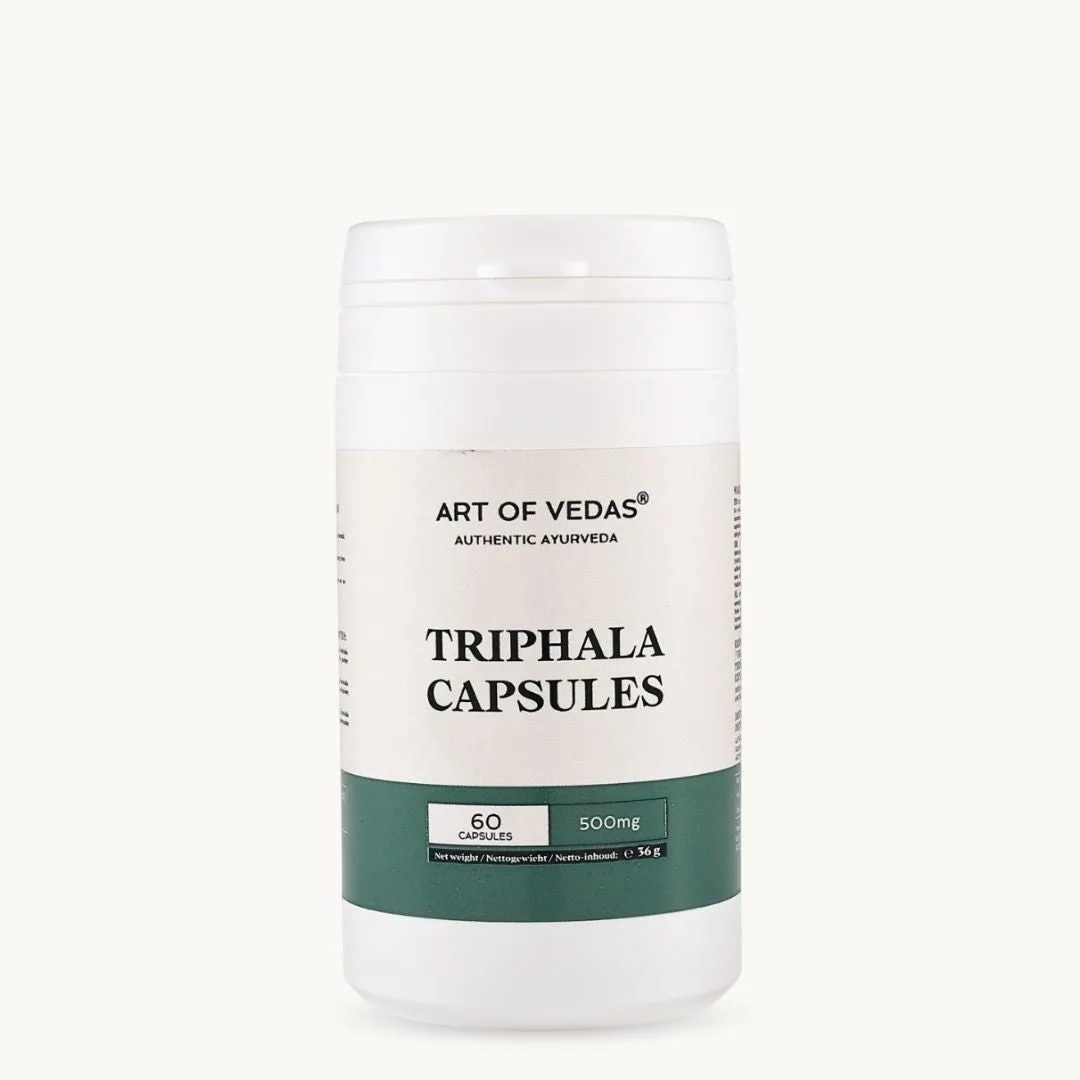
The classical texts most consistently reference Ashwagandha as the primary herb for Vata-related physical depletion, Shatavari for nourishing the deeper fluid tissues, and Bala (Sida cordifolia) as a directly Vatahara herb with specific affinity for the musculoskeletal and nervous tissues. Triphala supports Vata in the colon - its primary classical location. The choice depends on which tissues and systems are most affected.
Explore Vata-Balancing Products at Art of Vedas
Browse classical Thailams for Vata Abhyanga including Dhanwantharam and Bala Thailam, and our supplements collection for Ashwagandha and Shatavari. Related reading: Vata imbalance practical guide, Abhyanga at home, Ashwagandha complete guide, and the Ayurvedic morning routine.
This product is a food supplement and not intended to diagnose, treat, cure or prevent any disease.