What Is Vata? The Classical Definition
The Ashtanga Hridayam describes Vata as composed of the elements Akasha (space) and Vayu (air). It is dry, light, cold, rough, mobile, and subtle in its qualities. These properties explain why Vata imbalance is traditionally associated with dryness in the body, instability in the mind, cold sensitivity, irregular functions, and a heightened, active nervous system.
Vata operates through five sub-doshas: Prana Vata (breath, life force, in the chest and head), Udana Vata (upward movement, speech, in the throat), Vyana Vata (circulation throughout the body), Samana Vata (digestive movement, near the navel), and Apana Vata (downward elimination, in the pelvic region). A balanced person will have all five sub-doshas functioning in their correct location and direction. When any sub-dosha is disturbed, specific signs arise in its region.
Who Is Most Vulnerable to Vata Imbalance?
Some individuals have a Vata-dominant constitution (Prakriti), meaning they were born with more Vata in their fundamental make-up. They tend to be naturally thin, with a light frame, quick minds, dry or combination skin, and variable digestion. These individuals are the most susceptible to Vata imbalance, but Vata disturbance is not limited to them.
Anyone can accumulate Vata excess through lifestyle, season, or age. Ayurveda recognises that the Vata phase of life begins after roughly 60 years of age, which is why dryness, joint stiffness, and nervous system sensitivity tend to increase with age across all constitutional types. Autumn and early winter are the Vata seasons in temperate climates, corresponding to the dry, cold, windy qualities of the dosha.
The Causes of Vata Imbalance
Charaka Samhita Sutrasthana Chapter 17 lists the causes of Vata aggravation in detail. The classical text identifies three main categories of cause: dietary, lifestyle, and psychological.
Dietary causes
Foods that are dry, light, cold, rough, or bitter in excess increase Vata. Raw vegetables in large quantities, dry crackers and rice cakes, cold beverages and salads, excessive fasting, skipping meals, and irregular eating times all disturb Vata. Astringent and bitter tastes (predominant in many health foods and supplements) are the most aggravating tastes for Vata when taken in excess.
Lifestyle causes
Excess movement and travel, particularly air travel, is one of the most potent Vata aggravators recognised in the texts. This is consistent with the modern experience: frequent travellers and shift workers are among the most likely to notice Vata imbalance signs. Staying awake past midnight, excessive physical exercise, exposure to cold and wind, and suppression of natural urges (hunger, thirst, sleep, elimination) are all listed in Ashtanga Hridayam as direct causes of Vata disturbance.
Psychological causes
Fear, grief, anxiety, and excessive mental work aggravate Vata through the Prana and Vyana sub-doshas. The mind and the nervous system are Vata's domain. Prolonged stress, worry, and overstimulation from screens and noise contribute significantly to the restless, scattered Vata presentations seen most commonly in European practice.
Signs and Symptoms of Vata Imbalance
The picture of Vata imbalance is wide. The Ashtanga Hridayam and Charaka Samhita describe dozens of signs. The most common presentations in contemporary practice include:
Physical signs
- Dry skin, cracked heels, brittle nails, and hair that thins or sheds
- Constipation, bloating, and irregular or unpredictable digestion
- Joint stiffness and cracking, particularly more noticeable in cold weather and first thing in the morning
- Low body weight or difficulty maintaining weight despite adequate food intake
- Sensitivity to cold, preference for warmth
- Muscle twitches, tremors, or restless legs at night
- A fluttering sensation and a tendency toward a racing or irregular heartbeat when stressed
- Dry, hoarse voice and tendency toward hoarseness
- Frequent urination, particularly at night
- Scanty menstruation with cramping, or irregular menstrual cycles
Mental and emotional signs
- Anxiety, worry, and fear that appear without clear external cause
- Difficulty concentrating, scattered thinking, jumping from task to task
- Light, unrefreshing sleep with vivid or disturbing dreams
- Sense of overwhelm when facing multiple tasks
- Hypersensitivity to noise and sensory stimulation
- Rapid speech and inability to slow down even when tired
When to see a practitioner
The self-care routine described here is appropriate for mild to moderate Vata disturbance. If signs are severe, long-standing, or accompanied by significant pain, numbness, or neurological changes, consultation with a qualified Ayurvedic practitioner is important. The Art of Vedas consultation page provides options for professional guidance. If you are unsure of your dosha type or current imbalance pattern, the dosha assessment is a useful starting point.
The Classical Vata-Pacifying Approach
The Ayurvedic approach to Vata imbalance follows a clear logic: counter the qualities of Vata with their opposites. Since Vata is dry, light, cold, rough, and mobile, the answer is moist, heavy, warm, smooth, and stable. Every element of the following approach follows this principle.
Dietary adjustments
Warm, freshly cooked food is the foundation of Vata care. Soups, stews, kitchari (rice and lentil), and cooked root vegetables are ideal. warm water with ghee before sleep is a classical Vata tonic described in Charaka Samhita. The six tastes (Shadrasa) in Ayurveda each have a dosha relationship: sweet, sour, and salty are Vata-pacifying; bitter, pungent, and astringent are Vata-aggravating. A Vata-balancing diet emphasises the first three and reduces the last three.
Ghee (clarified butter) is considered one of the most important Vata-pacifying foods in Ayurveda. It nourishes all seven Dhatus (bodily tissues), lubricates the channels, and is traditionally valued for supporting the nervous system. Sesame, almonds, and avocado are similarly nourishing for Vata types.
Eating at consistent times is as important as what is eaten. Vata is the dosha of irregularity, and a regular daily schedule is itself supportive.
Sleep and daily rhythm
Adequate, regular sleep is the most accessible Vata practice. The classical texts consistently list sleep deprivation as a direct cause of Vata aggravation. Ashtanga Hridayam recommends that individuals go to bed by 10pm and rise before 6am. This aligns with the natural reduction in Vata activity that occurs between 10pm and 2am.
An evening self-massage with warm oil before sleep is one of the most cherished Vata-pacifying practices available at home. The Charaka Samhita Sutrasthana Chapter 5 lists Abhyanga (oil self-massage) as a daily practice that is traditionally said to counteract Vata, improve skin quality, strengthen the body, promote sound sleep, and support longevity. Even a brief 10-minute warm oil application to the feet and scalp before bed is traditionally associated with a settled, calm feeling consistent with the classical description.
Ayurvedic Oils for Vata Imbalance
Oil is Vata's primary companion. The Ashtanga Hridayam devotes entire chapters to the traditional use of medicated oils (Sneha) in Vata care. Among the classical Thailams, several have been used for centuries as the cornerstone preparations for Vata wellbeing.
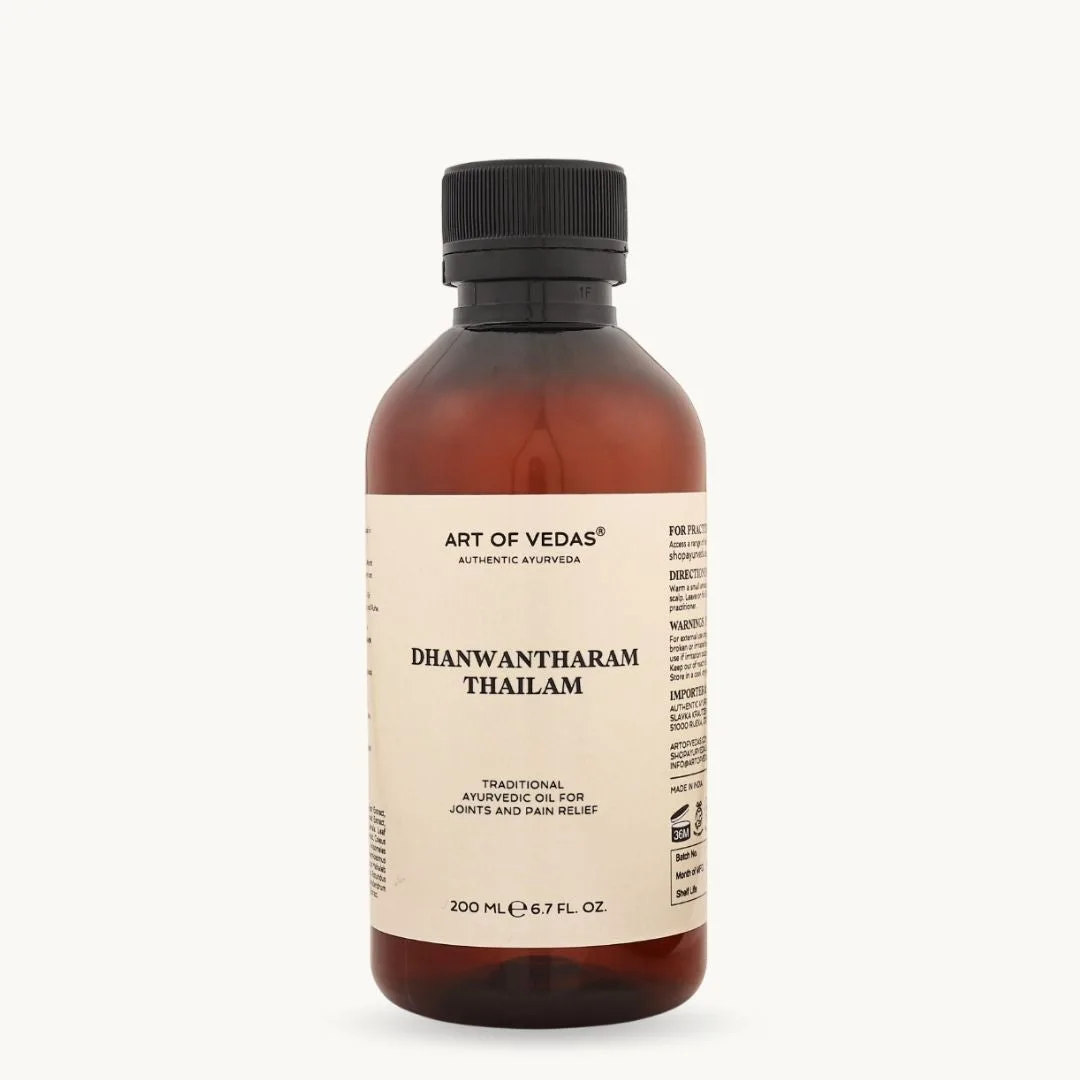
Dhanwantharam Thailam
Dhanwantharam Thailam is named after Dhanwanthari, the Ayurvedic deity of medicine. It is described in Sahasrayogam as a principal Vata-pacifying oil suitable for full-body Abhyanga, and it appears in numerous classical texts as a primary choice for Vata care relating to muscles, joints, and the nervous system. The base oil is sesame, combined with a classical decoction of over 25 herbs including Bala (Sida cordifolia), Dashamula (ten roots), and Ashwagandha. For full-body Abhyanga as described in the Abhyanga guide, Dhanwantharam Thailam is the standard classical choice for Vata constitution and Vata imbalance.
Bala Thailam
Bala Thailam is based on Bala root (Sida cordifolia), a herb whose name means strength and vitality. It is traditionally associated with Vata depletion states: thinness, low energy, periods of recovery, postnatal restoration, and the deep fatigue that follows prolonged stress. The Bala Thailam from Art of Vedas is prepared according to classical method with sesame oil base. It is gentler and more nourishing than Dhanwantharam and is particularly suited to individuals who feel depleted rather than simply Vata-aggravated.
Choosing the right oil
A practical distinction: if the primary experiences are restlessness, dryness, worry, and light sleep (excess Vata), Dhanwantharam Thailam is the standard choice for Abhyanga. If the primary experiences are weakness, fatigue, depletion, and low weight (deficiency with Vata), Bala Thailam is more appropriate. Both can be used for the full-body Vata oil ritual. See the Thailam collection for the full range of classical oils available from Art of Vedas.
The Home Abhyanga Ritual for Vata
The classical Abhyanga routine for Vata is specific in detail. Charaka Samhita Sutrasthana Chapter 5 prescribes daily warm oil massage in the direction of body hair, with particular attention to the scalp, ears, and feet. These three areas have the highest concentration of Vata marma points (vital energy junctions) and respond most readily to oil application.
Warm the oil to just above body temperature before use. Never apply cold oil to a Vata body, as this increases rather than reduces Vata. Apply to the scalp and massage gently in circular motions. Apply along the length of each limb with long strokes in the direction of blood flow (toward the heart). Apply circular strokes at the joints. Pay particular attention to the lower back, which is the seat of Apana Vata. Leave the oil on for at least 20 minutes before a warm shower or bath. If time is limited, even a 5-minute application to the feet with warm sesame or Dhanwantharam Thailam before sleep is traditionally associated with a settled, calm feeling.
Herbal Formulations for Vata Support
Alongside external oil application, classical Ayurveda employs internal formulations for deep Vata nourishment. The Rasayana herbs, those classified as rejuvenating in Charaka Samhita, are the primary category for Vata support.
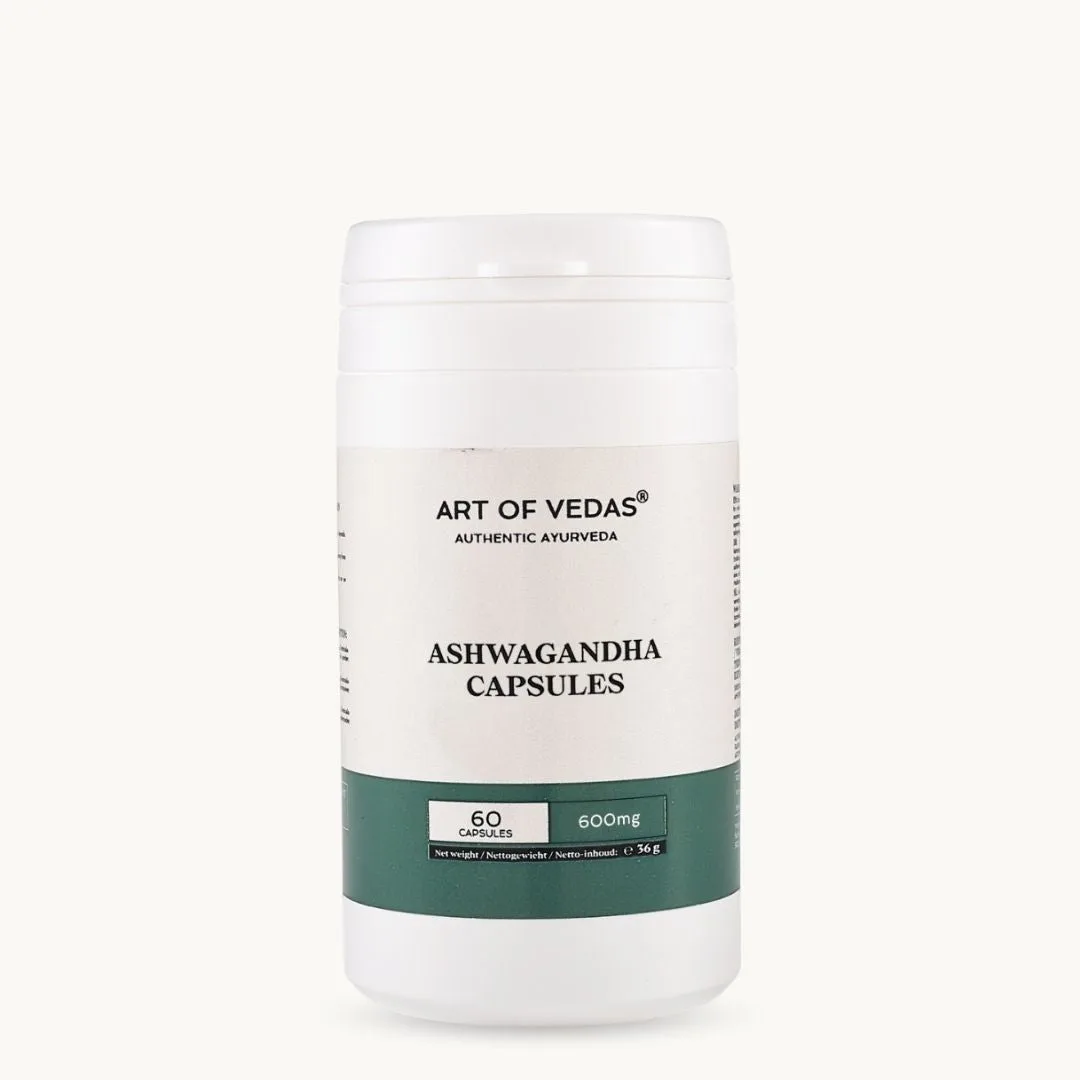
Ashwagandha (Withania somnifera) is the most widely used Vata Rasayana herb. It is traditionally described in Charaka Samhita Chikitsasthana in the context of Vata depletion and the nervous system. Its Sanskrit name means the strength of a horse, reflecting its traditional use for building physical and mental resilience. As a food supplement, Ashwagandha root powder in capsule form provides a convenient way to incorporate this classical herb into a daily routine. It is traditionally taken with warm water and honey, or with ghee, as a means of enhancing bioavailability (Anupana) for Vata types.
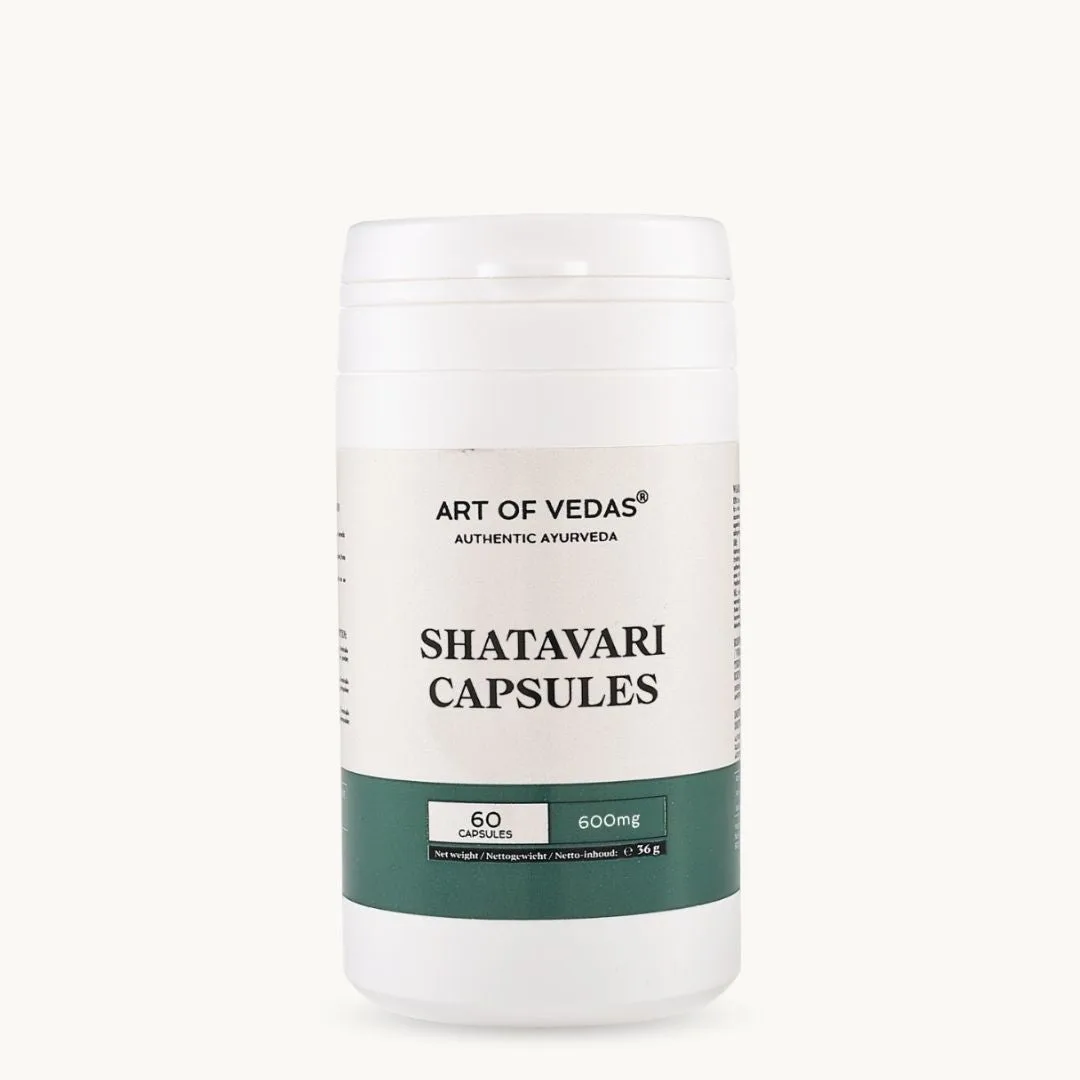
Bala (Sida cordifolia) root powder is another primary Vata tonic from the classical texts, traditionally valued for muscle strength and nervous system nourishment. Shatavari (Asparagus racemosus) is the primary Vata tonic for women, traditionally supporting the female reproductive system and the Apana Vata function. The Shatavari guide covers this herb in depth.
All internal supplementation should be guided by a qualified practitioner, particularly where existing health conditions or medications are involved. This is especially important as some Rasayana herbs have significant physiological activity and are not appropriate for all individuals.
Pranayama and Lifestyle Practices
The Nadi Shodhana pranayama (alternate nostril breathing) is the principal breathing practice for Vata balance in the Yoga tradition, which shares the same foundational principles as Ayurveda. Performed for 10 minutes before sleep or in the morning before meals, it is traditionally said to calm the Prana Vata sub-dosha and settle the mental component of Vata disturbance.
Reducing screen exposure after sunset, maintaining consistent meal and sleep times, and spending time in nature (particularly in warm, stable environments rather than windy or cold ones) are all consistent with the classical advice for Vata care. The Dinacharya (daily routine) concept from Charaka Samhita Sutrasthana treats the regularity of the daily schedule itself as a primary supportive practice for Vata. Read more about structuring an Ayurvedic daily routine in the Dinacharya guide.
Seasonal Considerations
The Ayurvedic seasonal calendar (Ritucharya) specifies that autumn and early winter are the primary Vata seasons. This is when external Vata qualities (cold, dry, rough, windy) match internal Vata qualities and reinforce each other. The Charaka Samhita Sutrasthana Chapter 6 prescribes a specific seasonal routine for this period: increased oil consumption, warm and nourishing foods, reduced exposure to wind and cold, heavier clothing, and intensified Abhyanga practice.
This seasonal intensification of Vata-pacifying practices is a supportive measure, reducing the accumulation that might otherwise build through the season. Individuals with Vata constitutions are particularly advised to take this seasonal routine seriously, as the external environment amplifies their pre-existing tendency.
Frequently Asked Questions
How long does it take for Vata imbalance to settle?
The classical texts do not specify a fixed timeline because it depends on how long the imbalance has been developing and how consistently the routine is followed. Mild, recent Vata disturbance from a period of travel or stress often eases within one to two weeks of consistent oil massage, dietary adjustment, and adequate sleep. Long-standing Vata imbalance that has been present for months or years calls for sustained practice over several months and is best supported by professional guidance from a qualified practitioner.
Can I use regular sesame oil instead of a classical Thailam?
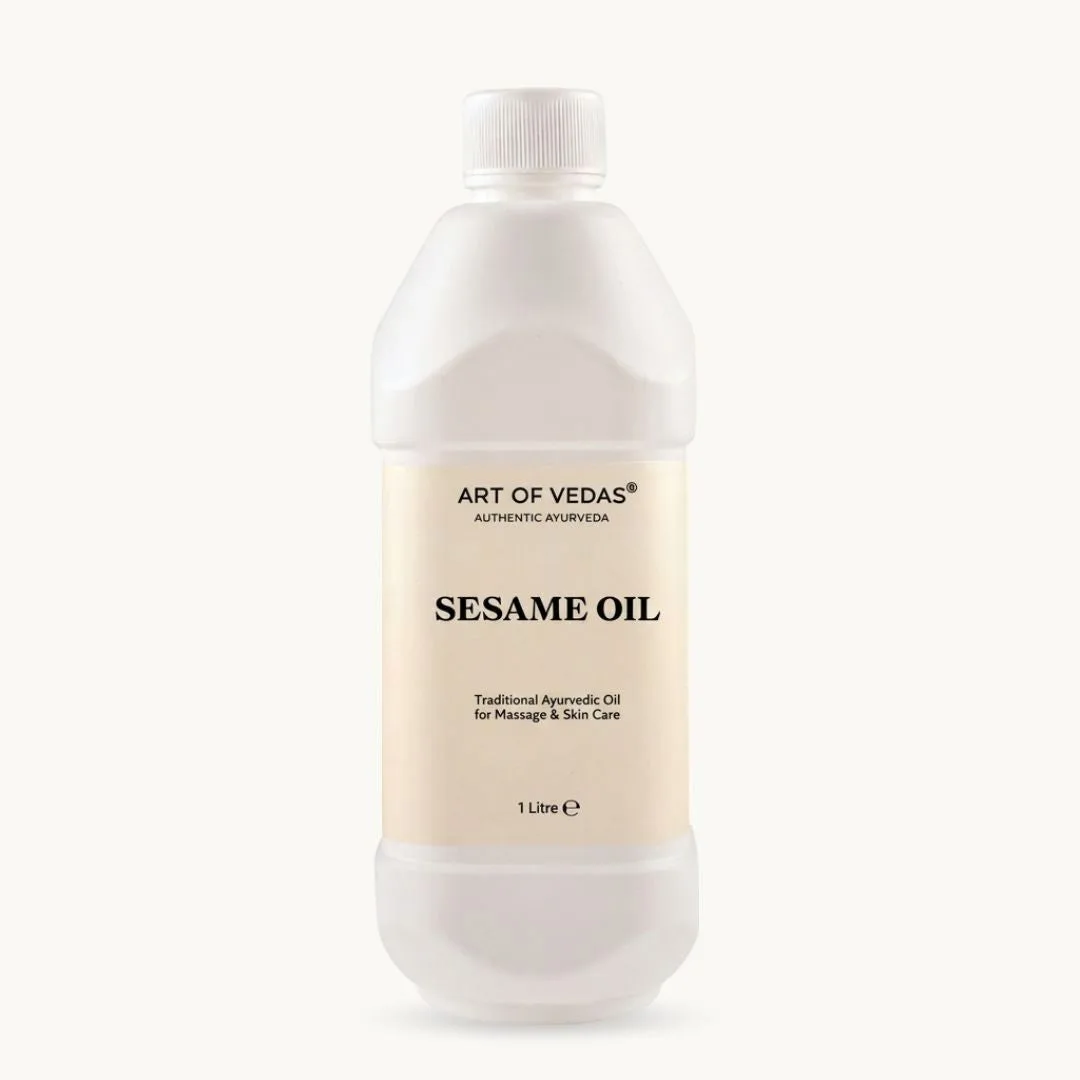
Plain sesame oil is warm and nourishing and is genuinely Vata-pacifying. The classical Thailams like Dhanwantharam or Bala differ in that they carry a decoction of specific herbs, making them traditionally targeted rather than simply lubricating. For general Vata support and daily Abhyanga, good quality untoasted sesame oil is a valid starting point. For more specific traditional use, the classical Thailam is more appropriate. Art of Vedas provides both options in its Thailam collection.
Is Vata imbalance the same as feeling anxious?
They overlap but are not identical. The Ayurvedic description of Vata imbalance includes anxiety as one of many signs within a broader systemic pattern. A person can feel anxious from Pitta disturbance (irritable, competitive worry) or Kapha imbalance (heavy, low-spirited worry) as well. The Ayurvedic approach identifies the pattern rather than the isolated sign. If anxiety is a primary concern, the consultation service can help establish which dosha is most involved.
What foods should I absolutely avoid if Vata is high?
Cold raw food, dry snack foods, carbonated drinks, very bitter greens in large quantities, excessive coffee, and irregular eating are the most important foods and habits to reduce when Vata is elevated. These increase the dry, light, cold, and mobile qualities that are already in excess. The principle is simple: eat warm, fresh, well-cooked, slightly oily food at consistent times, and the dietary component of Vata care is well-covered.