Chyavanprash (also spelled Chyawanprash or Chyavanaprasham) is the most famous compound Rasayana preparation in classical Ayurveda - a thick, sweet-sour herbal conserve made from a base of Amalaki (Indian Gooseberry) combined with dozens of other classical herbs, honey, ghee, and sugar. The Charaka Samhita (Chikitsa Sthana, Chapter 1) and the Ashtanga Hridayam both describe Chyavanprash in detail, naming it among the most important Rasayana preparations ever formulated. The name derives from the sage Chyavana, for whom the preparation was originally created according to Vedic literature. Those searching chyawanprash kaufen (buying Chyavanprash) in Europe will find it one of the most classical and complete Ayurvedic compound preparations available.
What is Chyavanprash made of? The key herbs
Chyavanprash is a compound formula - its classical formulation contains between 35 and 49 individual ingredients depending on the textual source. The following are the most important components and their classical roles:
Amalaki (Amla / Indian Gooseberry) - the primary ingredient
Amalaki is the foundation of the entire Chyavanprash formula. The Ashtanga Hridayam describes it as the foremost Rasayana herb, and it forms the largest proportion of the formula by weight. Amalaki provides the primary cooling Virya, Vitamin C richness, and Tridoshic Rasayana action of the preparation. Our standalone Amla Capsules and Amla Powder allow you to incorporate this classical primary ingredient into your daily routine independently. See our complete Amalaki guide.
Ashwagandha (Withania somnifera)
One of the most important secondary herbs in the classical formula. Ashwagandha contributes the Balya and warming Rasayana properties that complement Amalaki's cooling action. In Chyavanprash, Ashwagandha ensures the formula builds physical as well as cognitive resilience. Our Ashwagandha Capsules and Ashwagandha Powder are available as standalone preparations. See our Ashwagandha guide.
Shatavari (Asparagus racemosus)
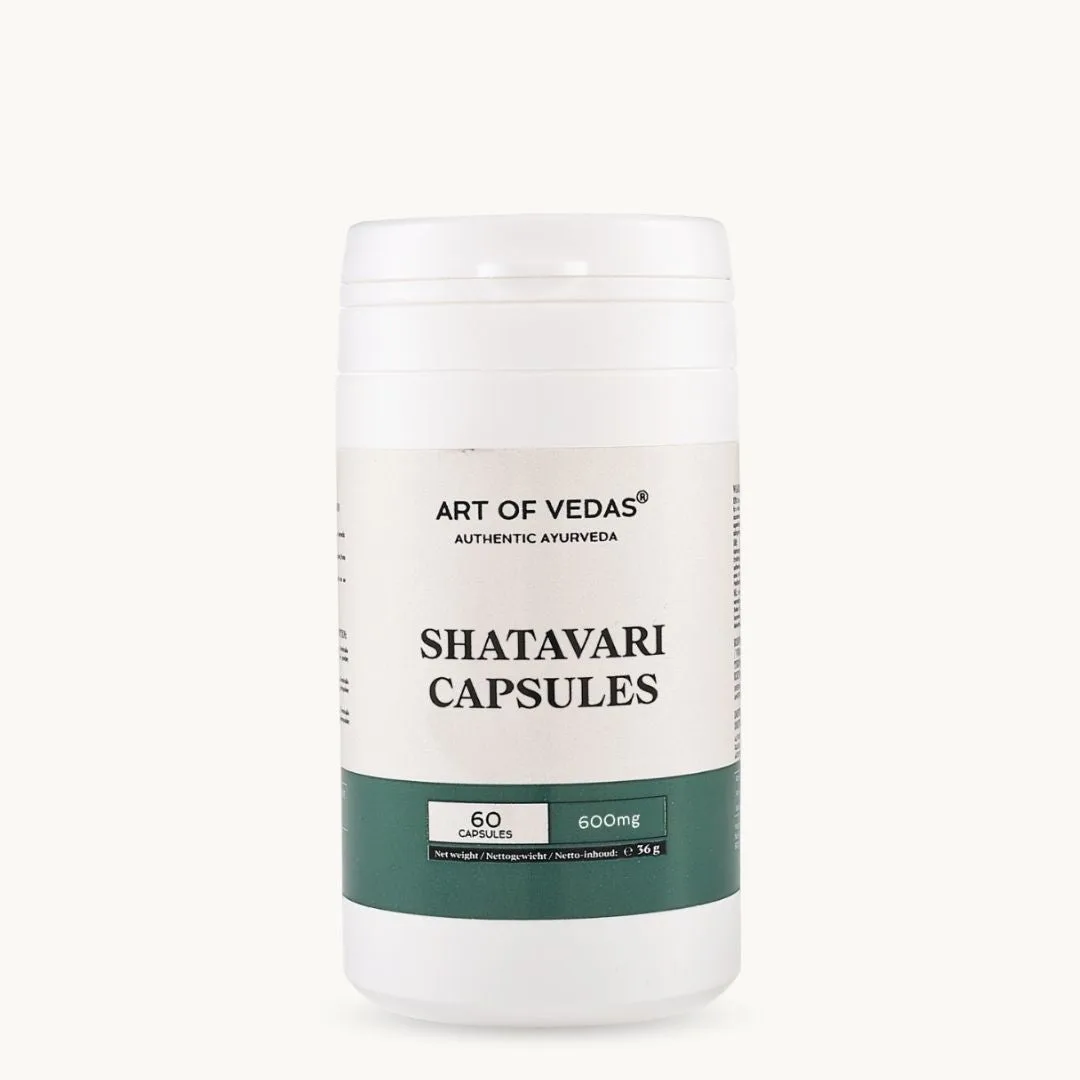
The cooling, nourishing Vata-Pitta Rasayana herb in the formula. Shatavari contributes deep nourishment for the reproductive tissues and the channels of nourishment (Rasa Dhatu). Our Shatavari Capsules and Shatavari Powder are available as standalone preparations. See our Shatavari guide.
Brahmi (Bacopa monnieri)
The Medhya component. Brahmi's inclusion in Chyavanprash reflects the classical understanding of Chyavanprash as a whole-system Rasayana - one that supports not only physical but also cognitive vitality. Our Brahmi Capsules and Brahmi Powder provide standalone Brahmi. See our Brahmi guide.
Haritaki (Terminalia chebula)
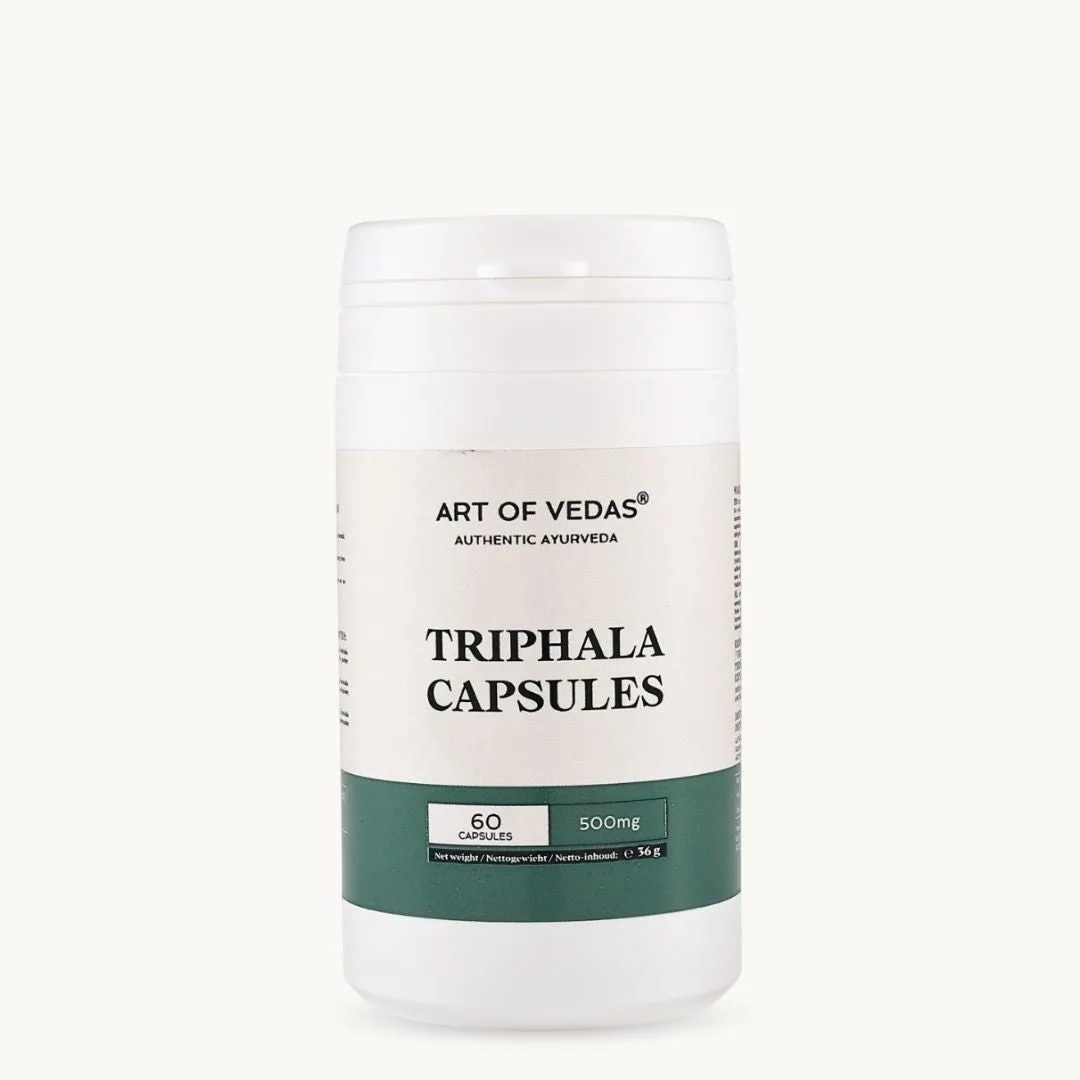
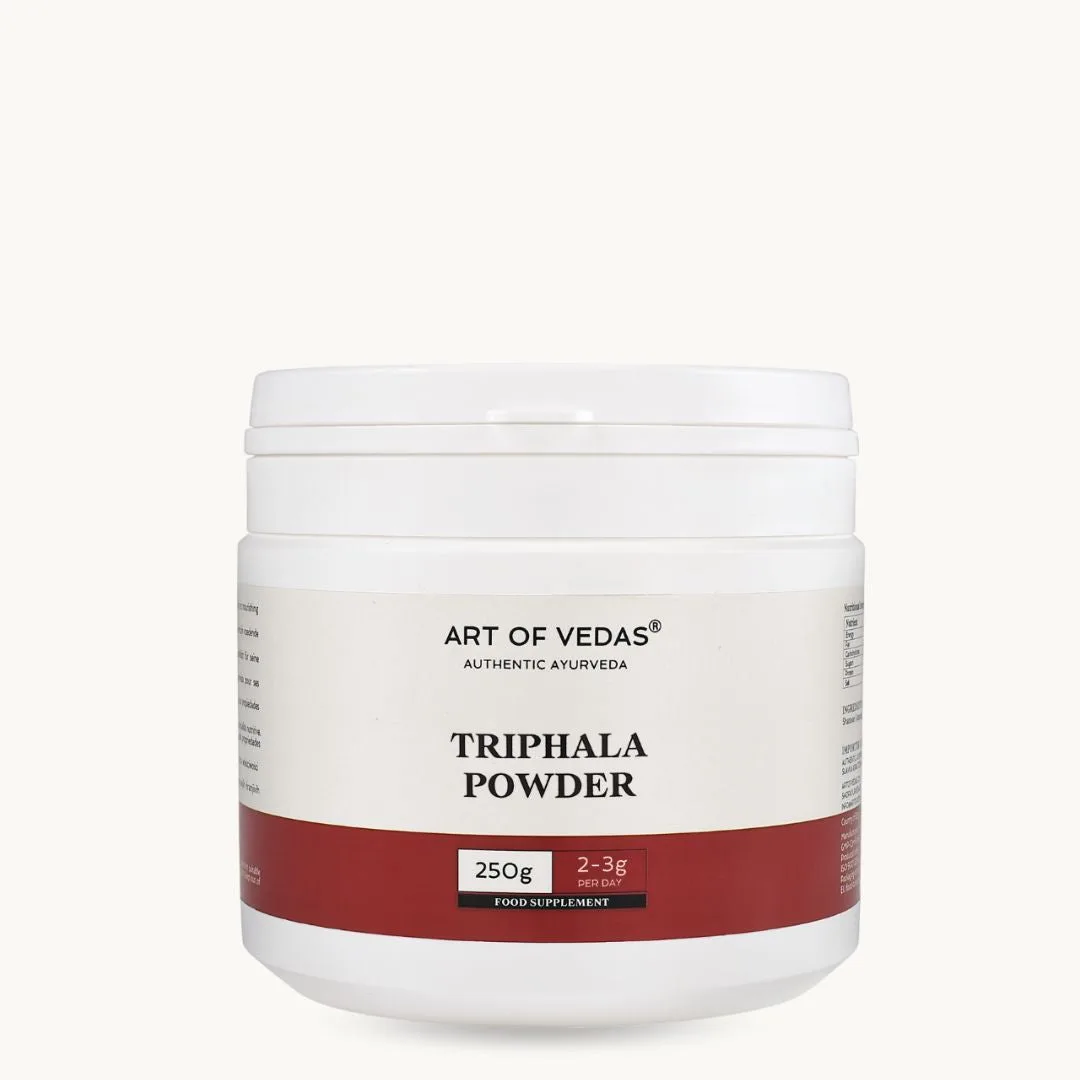
One of the three fruits of Triphala and one of the most important single herbs in classical Ayurveda. In Chyavanprash, Haritaki contributes digestive support, Rasayana properties, and Vata-pacifying action. Our Haritaki Powder is available as a standalone preparation and as part of our Triphala Powder and Triphala Capsules.
Pippali (Long Pepper)
The bioavailability enhancer of the classical formula. Pippali (Piper longum) is described in classical texts as Yogavahi - a carrier herb that enhances the absorption and action of all the other ingredients in the formula. Its inclusion is a sophisticated classical formulation principle: warming and Kapha-reducing, Pippali ensures the rich, sweet formula does not become excessively heavy.
Dashamoola - the ten roots
Chyavanprash classically includes the group of ten classical roots known as Dashamoola, which provides broad Vata-pacifying and strengthening properties. Our Dashmoola Powder is available as a standalone preparation for those specifically working with this classical group.
Honey and Ghee - the classical carriers
Classical Chyavanprash is prepared with both honey (Madhu) and ghee (Ghrita) as carriers. In classical Ayurvedic formulation theory, honey and ghee together are described as Anupana that carry the herb's properties to different tissue layers - honey for the lighter, surface tissues, ghee for the deeper channels.