In brief: Churna, also written churan or Churnam, is called a herbal powder in English: a classical Ayurvedic preparation of dried herbs ground to a fine powder. The Charaka Samhita and the Ashtanga Hridayam describe it in their chapters on classical preparations (Kalpa), with standards for drying, a fine sieve and freshness. A Churna is either a single herb (Ekaushadi Churna) or a compound formula (Yoga Churna) such as Triphala, and it is traditionally taken with a vehicle, the Anupana, such as warm water. Today many Churnas are also sold in capsules. Ask a qualified Ayurvedic practitioner which Churna suits you.
Churna: The Classical Ayurvedic Herbal Powder Formulation Guide
This article is part of our Churnams: Classical Ayurvedic Herbal Powders guide series.
The Churna - finely powdered herbal preparation - is the most fundamental and versatile dosage form in classical Ayurvedic medicine. Before capsules, before tablets, before modern pharmaceutical forms of any kind, the Churna was the foundational way of administering herbs: dried, powdered, and taken with an appropriate vehicle (Anupana) that directed the herb's properties toward the intended therapeutic target.
The Charaka Samhita and Ashtanga Hridayam both describe the Churna in detail in their respective chapters on classical pharmaceutical preparations (Kalpa). Understanding what a Churna is, how it is prepared, and how the Anupana (accompanying vehicle) modifies and directs its action is essential for using classical Ayurvedic herbal powders effectively.
What Makes a Good Churna
The Ashtanga Hridayam (Kalpa Sthana) describes the classical standards for Churna preparation:
- Raw material quality: The herbs must be properly dried - moisture content affects both the potency and shelf life of the powder. Classical texts specify collection timing, drying methods, and storage conditions for different herbs.
- Particle size: The classical standard is a fine powder that passes through a sieve of sixty-four meshes per square finger-unit. Too coarse and the herb's surface area for absorption is reduced; too fine and some volatile properties are lost.
- Freshness: Classical texts specify maximum shelf life for Churnas - generally one year from preparation for most single-herb and compound preparations. Beyond this, potency is considered diminished.
- Absence of adulteration: Classical pharmacy texts describe extensive quality checks to ensure the powders contain only the specified herbs.
Single-Herb Churnas vs Compound Churnas
Classical Ayurvedic pharmacy distinguishes between two broad categories:
Single-Herb Churnas (Ekaushadi Churna)
Single-herb powders of individual classical herbs - Ashwagandha Churna, Brahmi Churna, Shatavari Churna, Amalaki Churna, and so on. These provide the unadulterated properties of a single herb and are used when the practitioner's intention is the specific action of that herb. They also allow the greatest flexibility in combining and dosing according to individual need.
Compound Churnas (Yoga Churna)
Multi-herb compound formulations with long classical histories - Triphala Churna (the three-fruit combination), Trikatu Churna (the three-spice formula), Dashamula Churna (ten roots), Chyawanprash (though technically a Leha/Avaleha, not a pure Churna), and hundreds of others described in classical texts. These compound preparations represent refined clinical wisdom accumulated over centuries - the specific combinations tested and refined for particular therapeutic contexts.
The Role of Anupana: The Vehicle That Directs the Herb
The Anupana - the vehicle or accompanying substance taken with a Churna - is one of the most important and least-understood aspects of classical Ayurvedic herb use. The same Churna taken with different Anupanas can have substantially different therapeutic directions in the classical understanding.
The Charaka Samhita (Sutrasthana Chapter 27) describes the Anupana in detail, explaining that the vehicle determines:
- The speed of absorption and tissue penetration
- The Dhatu layer (tissue layer) toward which the herb's action is directed
- The modification of the herb's inherent Dosha-affecting properties
- The palatability and ease of taking the preparation
Key classical Anupanas and their functions:
- Warm water (Ushna jala): The most neutral and broadly applicable vehicle - enhances absorption, mildly Vata-settling, appropriate for most digestive and general preparations
- warm water (Dugdha): The classical vehicle for Rasayana herbs directed at the deep Dhatu layers - milk's Brimhana and Vata-settling qualities direct the herb toward Majja Dhatu and deep nourishment. The classical Anupana for Ashwagandha, Brahmi, Shatavari, Bala, and other Rasayana Churnas.
- Ghee (Ghritam): The classical vehicle for herbs directed at Pitta-related conditions and for Rasayana preparations targeting the mind and nervous system - ghee's Pitta-settling and deep Dhatu-penetrating properties enhance the absorption of fat-soluble herb components and direct the preparation inward
- Honey (Madhu): The classical Anupana for Kapha-related conditions and for Krimighna preparations - honey's Lekhaniya (channel-scraping) and Kapha-clearing properties enhance the herb's penetration through congested channels. Important classical caution: honey should never be heated or taken with warm preparations.
- Buttermilk (Takra): Classical vehicle for digestive preparations and for conditions involving the large intestine - buttermilk's mildly sour, light, Agni-kindling properties make it the appropriate Anupana for digestive Churnas
- Jaggery/Guda: Classical vehicle for Vata-related conditions requiring sweet, warming nourishment alongside the herb
Classical Timing and Dosing
The Ashtanga Hridayam and Charaka Samhita describe five classical timings (Kala) for herb administration, each producing different therapeutic effects:
- Before meals (Pragbhakta): For digestive stimulation and lower body Vata conditions - most common timing for digestive Churnas like Trikatu
- With meals (Madhyabhakta): For middle body conditions - less common for Churnas
- After meals (Adhobhakta): For upper body and respiratory conditions
- Between meals (Antarabhakta): For conditions requiring rapid absorption on an empty stomach
- Before sleep (Nishi): For Rasayana preparations, particularly those directed at Ojas and deep nourishment - the classical timing for Ashwagandha milk, Triphala, and other overnight-acting preparations
Classical doses for Churnas are described in terms of Masha (approximately one gram) or Karsha (approximately twelve grams) - the typical therapeutic dose of a single-herb Churna is two to six grams (one to three teaspoons) depending on the herb and indication.
Churna vs Capsule: A Practical Note
Modern Ayurvedic supplement products often present classical Churnas in capsule form - making them easier to take, more standardised in dose, and more practical for the European market. From the classical perspective, the key consideration is whether the herb and its properties are delivered to the appropriate site with the appropriate Anupana. Capsules taken with warm water, or other appropriate Anupana follow the classical principles adequately - the vehicle remains the most important variable in directing the herb's action, regardless of the delivery form.
Explore Classical Ayurvedic Churnas
Browse our classical supplement collection at Art of Vedas - including single-herb and compound Churna preparations. For specific herb guides, see our Triphala guide, Trikatu guide, and Ashwagandha guide. For the liquid decoction equivalent, see our Kashayam guide.
This article is for informational and educational purposes only. Classical Ayurvedic preparations are food supplements and not intended to diagnose, treat, cure, or prevent any medical condition. Consult a qualified Ayurvedic practitioner for personalised guidance on herb selection, dose, and Anupana.
Frequently asked questions about Churna
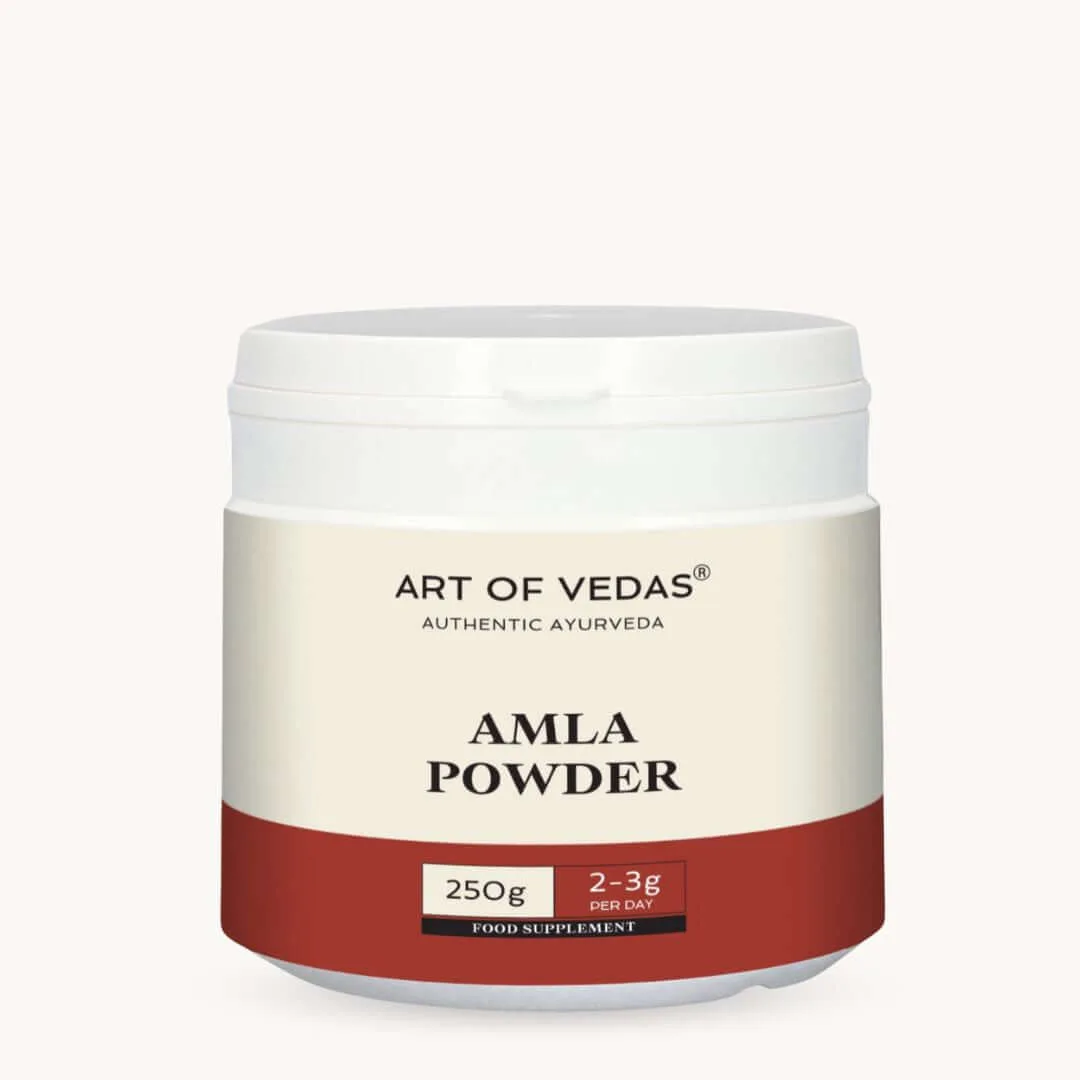
What is churan called in English? Churan, more formally Churna or Churnam, is called a herbal powder in English. The word describes a classical Ayurvedic preparation in which dried herbs are ground to a fine powder. Triphala Churna, for example, is Triphala powder, and Amalaki Churna is Amla powder. Churan is the common everyday spelling of the same word.
What is a Churna in Ayurveda? A Churna is the classical Ayurvedic form of a herb or herbal formula as a finely ground powder. It is among the oldest and most basic preparations of Ayurveda, older than capsules or tablets. The Charaka Samhita and the Ashtanga Hridayam both describe the Churna in their chapters on classical preparations (Kalpa).
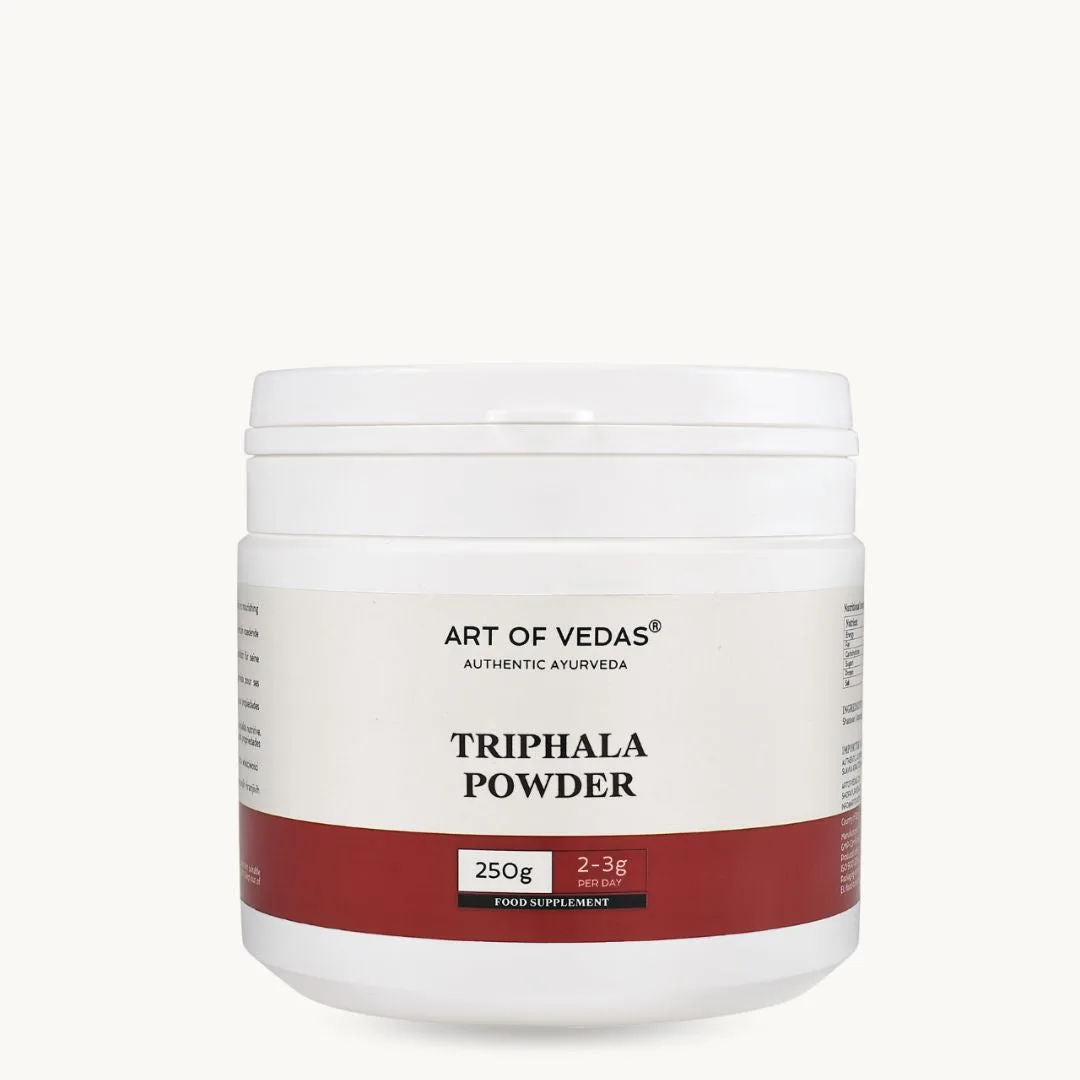
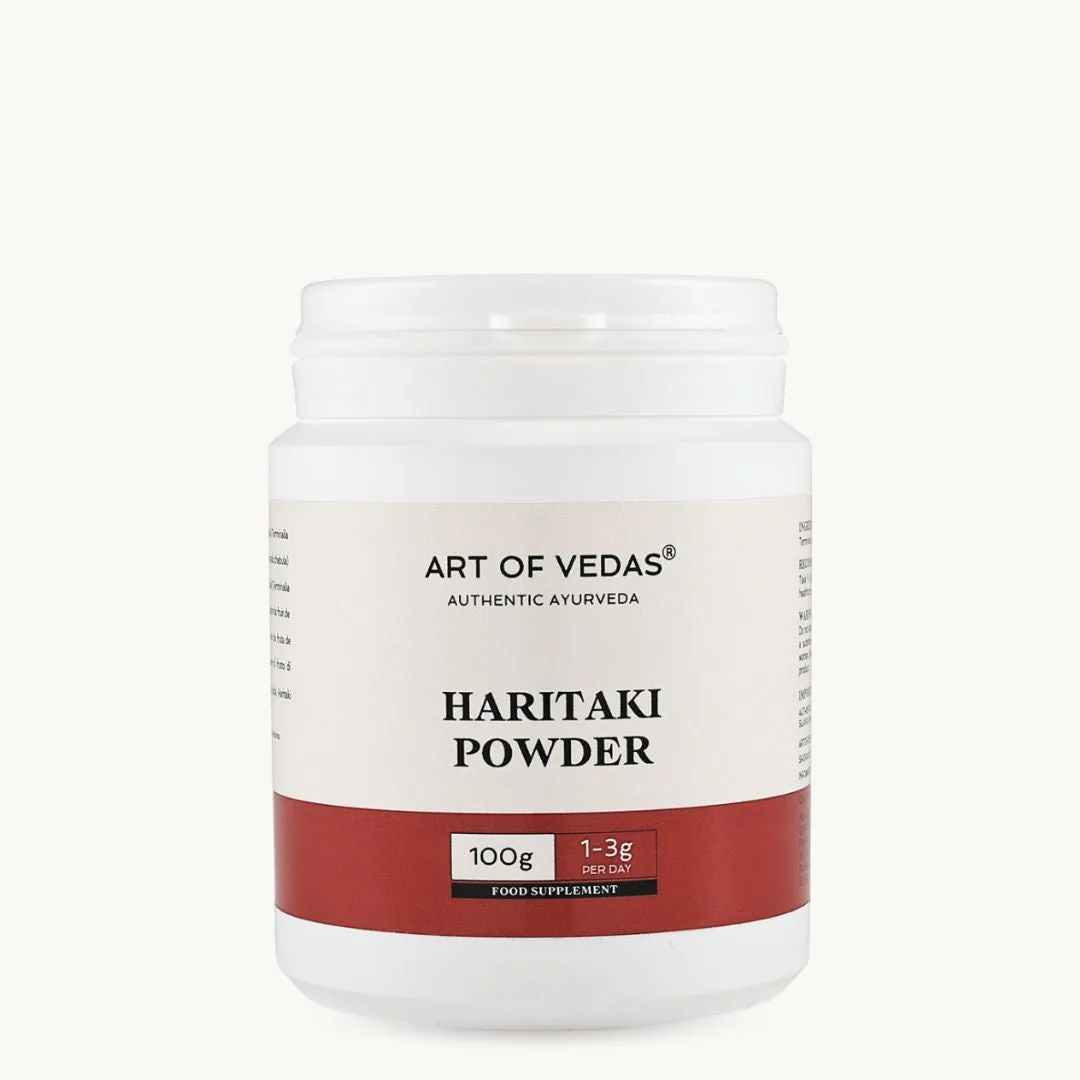
What is the difference between a single-herb and a compound Churna? A single-herb Churna (Ekaushadi Churna) contains one herb, such as Ashwagandha, Shatavari or Amalaki Churna. A compound Churna (Yoga Churna) is a classical multi-herb formula, such as Triphala, the three-fruit combination, Trikatu, the three-spice formula, or Dashamula, the ten roots. Art of Vedas sells Haritaki Powder and Triphala Powder.
What makes a good Churna according to the classical texts? The Ashtanga Hridayam sets out standards for a Churna: herbs that are properly dried, a powder fine enough to pass through a sieve of sixty-four meshes per square finger-unit, freshness, and no adulteration, so that the powder contains only the herbs specified. The classical texts generally give a Churna a shelf life of one year from preparation.
What is the Anupana of a Churna? The Anupana is the vehicle taken with a Churna. The Charaka Samhita, in chapter 27 of the Sutrasthana, describes it in detail. Warm water (Ushna jala) is the most neutral and widely used vehicle; honey (Madhu) and jaggery (Guda) are other classical vehicles. A classical caution says that honey should never be heated.
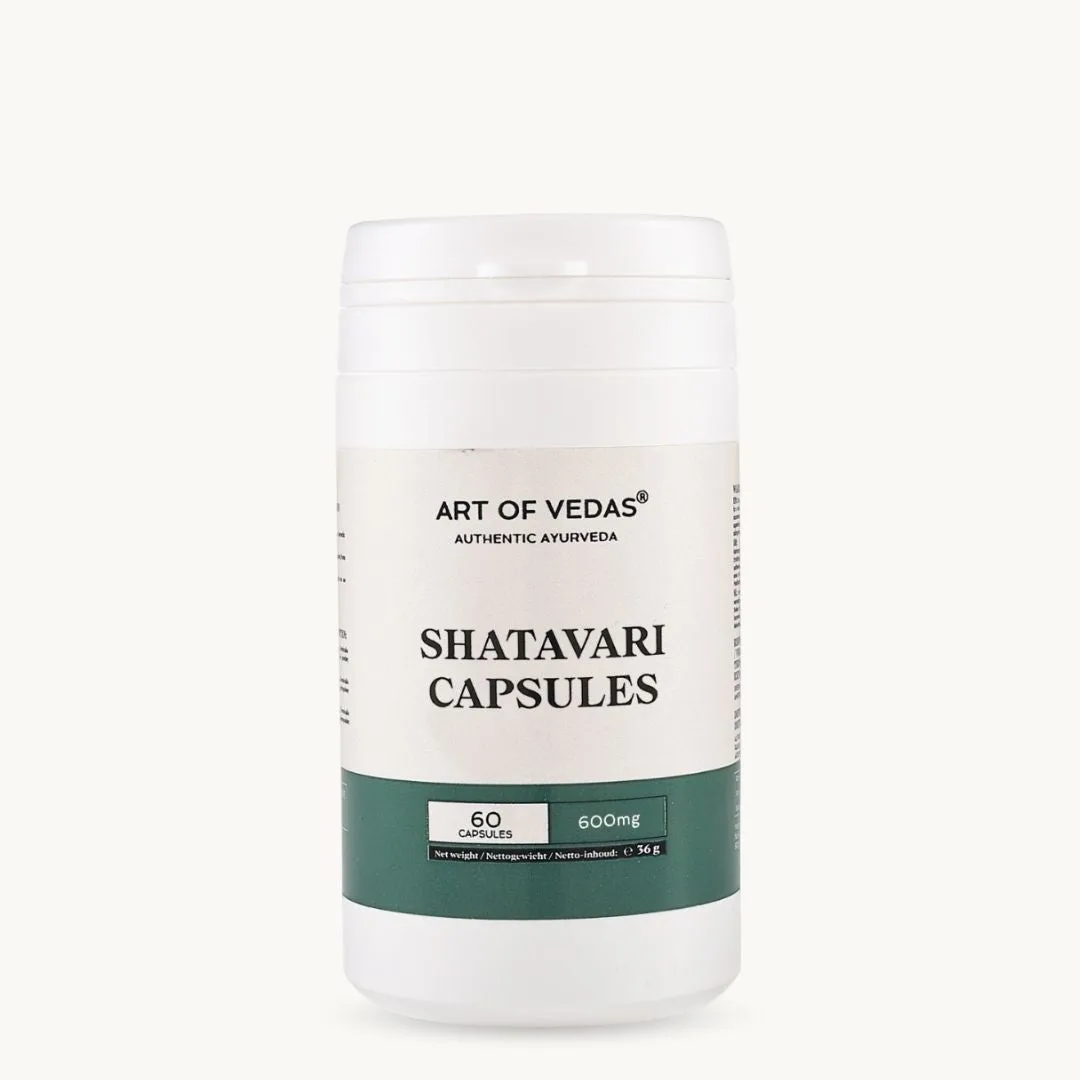
Is a Churna the same as a capsule? A capsule of an Ayurvedic herb contains the same powder as the Churna, enclosed in a vegetable or gelatine shell. The powder keeps the taste of the herb and allows the amount to be adjusted; the capsule is taste-neutral and gives a fixed portion. In both forms a Churna is traditionally taken with a suitable Anupana.
When is a Churna traditionally taken? The Ashtanga Hridayam and the Charaka Samhita describe five classical timings for taking a Churna: before meals, with meals, after meals, between meals, and before sleep. Triphala, for example, is traditionally taken before sleep. Which timing applies depends on the herb and the person, so follow the label.
Can a Churna be taken in pregnancy, by children or with medication? Ask your doctor or a qualified Ayurvedic practitioner first. A Churna sold in Europe is a food supplement, and the herb, the amount, the timing and the Anupana should suit the individual. Follow the label of each Churna, do not exceed the stated daily amount and keep it out of the reach of young children.
What is a Churna in Ayurveda?
Churna is the classical Ayurvedic finely powdered herb preparation - the most fundamental dosage form in classical pharmacy. Single-herb Churnas provide the unadulterated properties of one herb; compound Churnas are classical multi-herb formulations with specific therapeutic intentions. Churnas are taken with an Anupana (vehicle) that directs the herb's action toward the intended tissue layer and therapeutic target.
What is the difference between Churna and capsules?
Churna is the powder form; capsules are the same powder enclosed in a vegetable or gelatin shell for ease of use. The therapeutic properties are equivalent when the capsules contain authentic classical powder. The main practical difference is dose precision and ease of use - capsules provide a standardised dose and are easier to take for those who find the taste of raw Churna difficult. Taking capsules with the appropriate classical Anupana (warm water, honey, or ghee as appropriate) maintains the classical pharmacological principle.
Does the vehicle (Anupana) really matter?
In the classical framework, yes - the Anupana is considered essential to the complete action of the herb, not merely a convenience. The Charaka Samhita devotes an entire chapter to Anupana, describing how it determines the direction and depth of the herb's action in the body. For the most important Rasayana Churnas (Ashwagandha, Brahmi, Shatavari), taking with warm water is the classical standard and provides meaningfully different direction than taking with plain water.