Basti is described in the Charaka Samhita as the most important single treatment in classical Ayurveda. The text states that Basti alone is equivalent to half of all medical treatment - the phrase "Ardha Chikitsa" (half of medicine) is used specifically for Basti. This extraordinary status in the classical literature reflects Basti's direct action on Vata Dosha through the colon, which classical Ayurvedic anatomy identifies as the primary seat and origin point of Vata in the body. For Ayurvedic practitioners and Panchakarma therapists working across Germany and Europe, mastery of Basti therapy is central to clinical competence. Basti Ayurveda treatment protocols form the core of any serious Vata-focused Panchakarma programme.
What is Basti? The classical definition
Basti (from the Sanskrit for "bladder" - referring to the traditional animal bladder vessel used in classical administration) refers to the introduction of medicated substances into the colon via the rectum. In clinical Panchakarma, Basti is administered using a specialised syringe or enema apparatus (Basti Yantra) designed for safe, controlled administration. The classical texts describe the colon as the final residence of undigested waste (Purisha) and the primary location where Vata accumulates when out of balance. By introducing medicated oil or herbal decoctions directly into the colon, Basti reaches the seat of Vata directly - making it uniquely effective for Vata conditions compared to oral administration of herbs.
The two classical types of Basti
Anuvasana Basti: oil enema
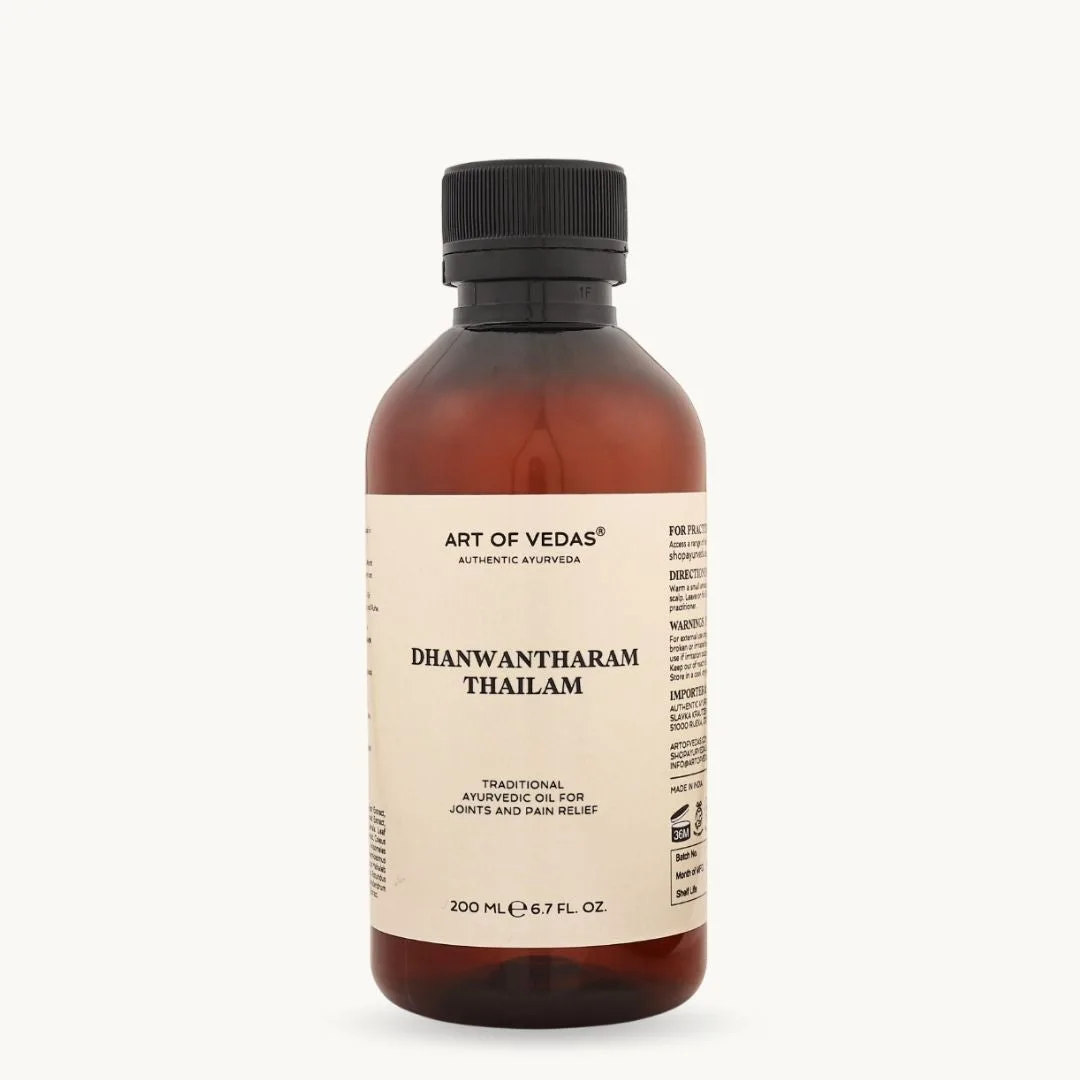
Anuvasana Basti uses medicated oil as the primary medium. The name refers to the fact that the oil is retained in the colon (Anuvasana - "that which remains"). Classical oil Basti is deeply nourishing, lubricating, and Vata-pacifying. It is appropriate for patients with strong Agni (digestive fire) and significant Vata depletion. Classical medicated oils used for Anuvasana Basti include Dhanwantharam Thailam, Sesame oil, and compound oils specific to the condition. Our Dhanwantharam Thailam and Sesame Oil are among the most commonly used classical preparations for Anuvasana Basti.
Nirooha Basti (Asthapana Basti): decoction enema
Nirooha (also called Asthapana) Basti uses a carefully composed mixture of herbal decoction, honey, rock salt, medicated oil, and herb paste as the medium. This is the more complex and therapeutically powerful of the two types. The Charaka Samhita describes Nirooha Basti as the primary Shodhana (cleansing) Basti that moves accumulated Doshas out of the colon. The classical composition of a Nirooha Basti formula follows a precise sequence of ingredient addition described in the Ashtanga Hridayam. Nirooha Basti is administered first (morning, on an empty stomach) in a classical Basti programme, followed by Anuvasana Basti (evening, after a light meal).
Karma Basti: the classical treatment series
A single Basti administration has a noticeable therapeutic effect, but the classical texts describe Basti as most effective when administered as a series. The standard classical series is Karma Basti - a sequence of 30 Bastis administered alternating Nirooha and Anuvasana Bastis over 30 consecutive days. In contemporary European practice, shorter series of 8 to 15 Bastis are more common. The classical Kala Basti (15 Basti programme) and Yoga Basti (8 Basti programme) are the most practical formats for professional clinical use.
Local Basti procedures: targeted oil retention therapy
Beyond the classical colonic Basti, the Ayurvedic tradition describes a family of local Basti procedures in which warm medicated oil is retained in a specially constructed dough dam placed over specific body regions. These local Basti procedures are among the most practical and widely applied of all classical Panchakarma therapies in European Ayurvedic practice:
Kati Basti: lower back oil retention
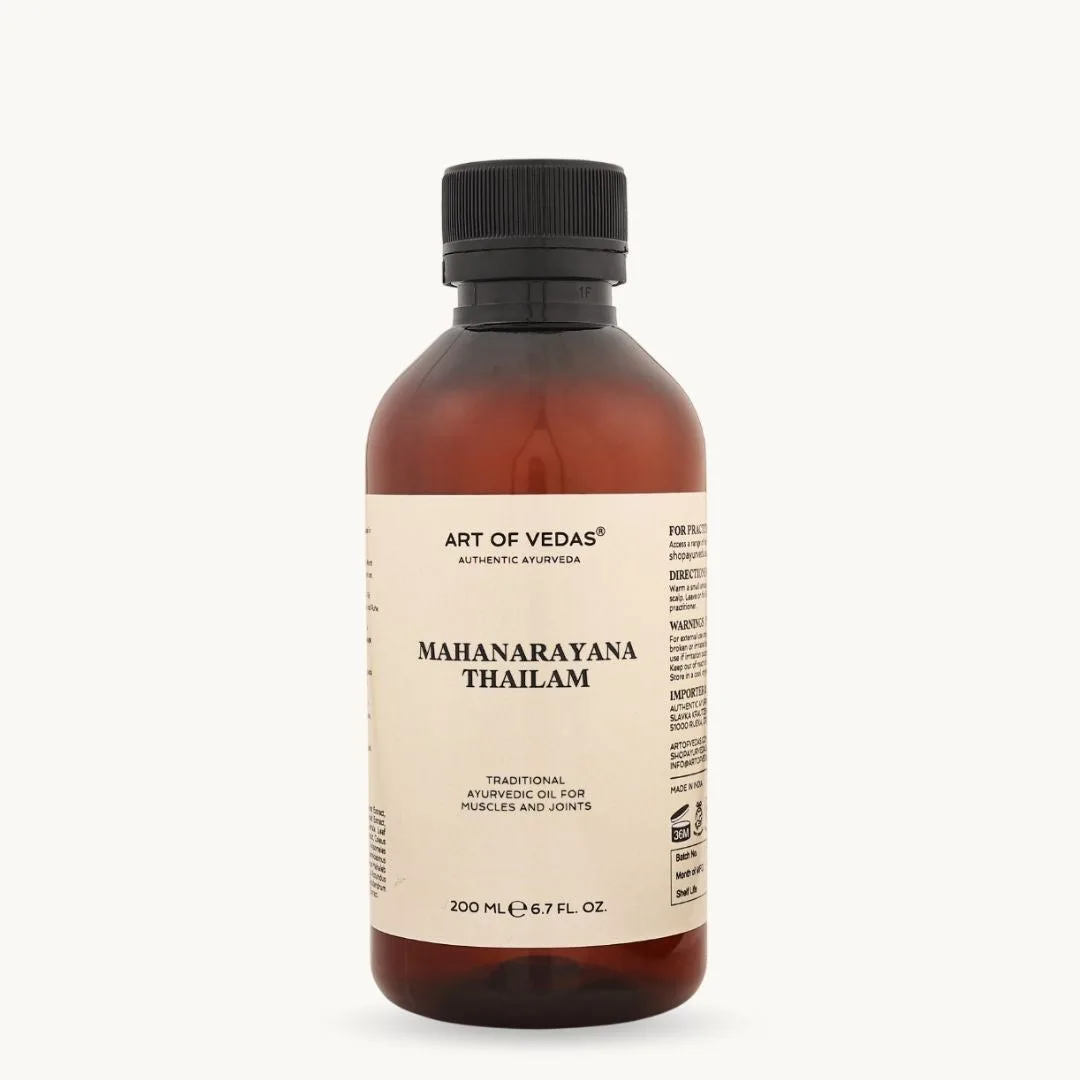
The most widely performed local Basti in European Panchakarma practice. A circular dough dam is constructed over the lumbar region (Kati - lower back), filled with warm medicated oil, and maintained at therapeutic temperature for 20 to 40 minutes. The Kati Basti ring is the classical clinical equipment for this procedure. Classical indications: Vata conditions of the lower back region, described in classical texts in the context of Kati Shoola (lower back discomfort) and related conditions. Medicated oils: Dhanwantharam Thailam, Mahanarayana Thailam, Kottamchukkadi Kuzhambu (for cold Vata-Kapha presentations), or Sahacharadi Kuzhambu (for lower limb and sacral affinity).
Hrid Basti: chest and heart region
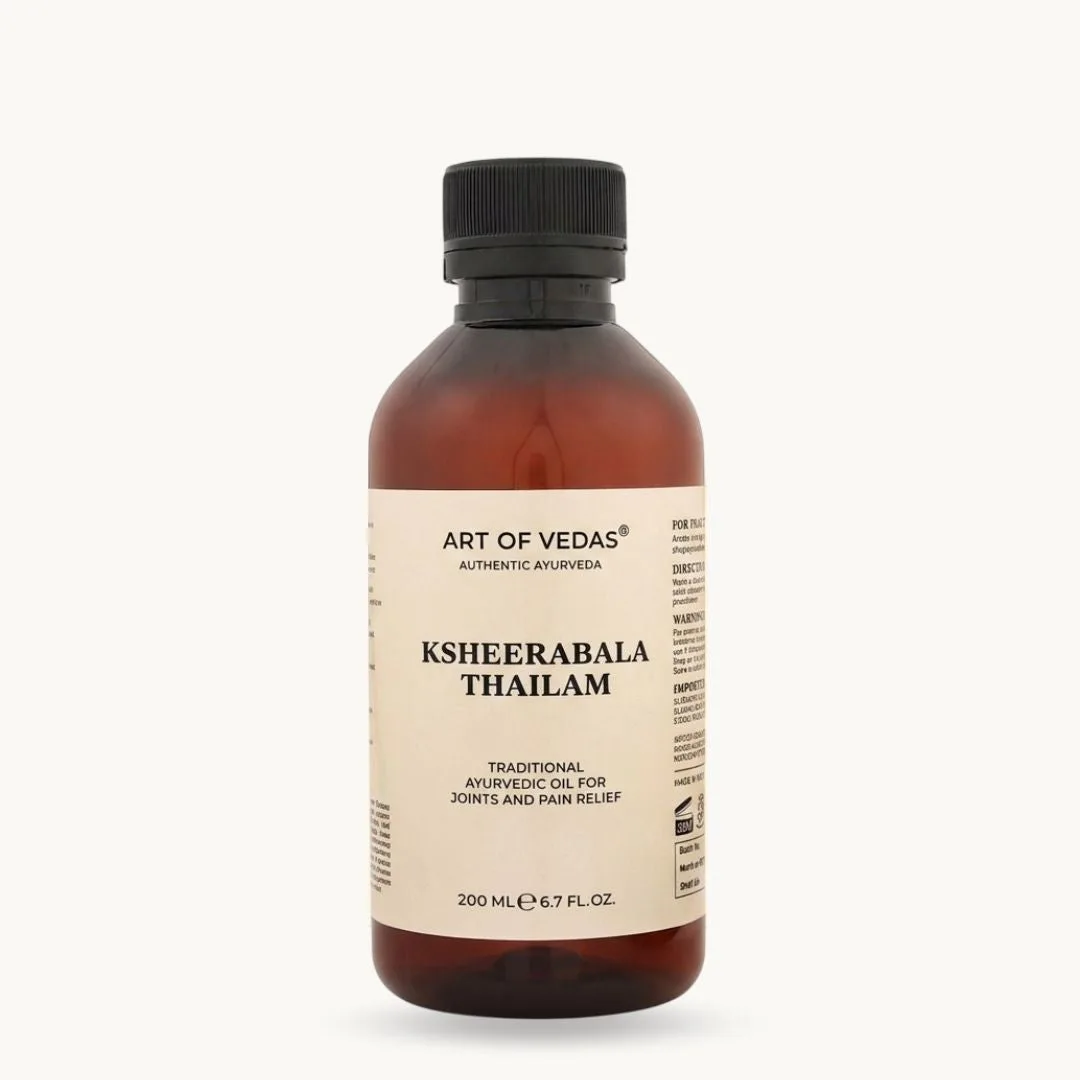
A dough dam placed over the sternum and cardiac region, filled with warm medicated oil. Described in classical texts in the context of Hrid Shoola (chest region discomfort) and Vata conditions affecting the heart region (Hrid). Also used as part of comprehensive classical Rasayana programmes for supporting cardiac vitality (Hrid Bala). Medicated oils: Dhanwantharam Thailam, Ksheerabala Thailam.
Nabhi Basti: navel region
Oil retention over the navel (Nabhi). The navel is described in classical Ayurvedic anatomy as the junction point (Nabhi Marma) of 72,000 subtle channels (Nadis) and as the original seat of Agni (digestive fire). Nabhi Basti is described for Vata conditions of the digestive region and is also used as a part of comprehensive Vata-pacifying programmes.
Shiro Basti: head oil retention
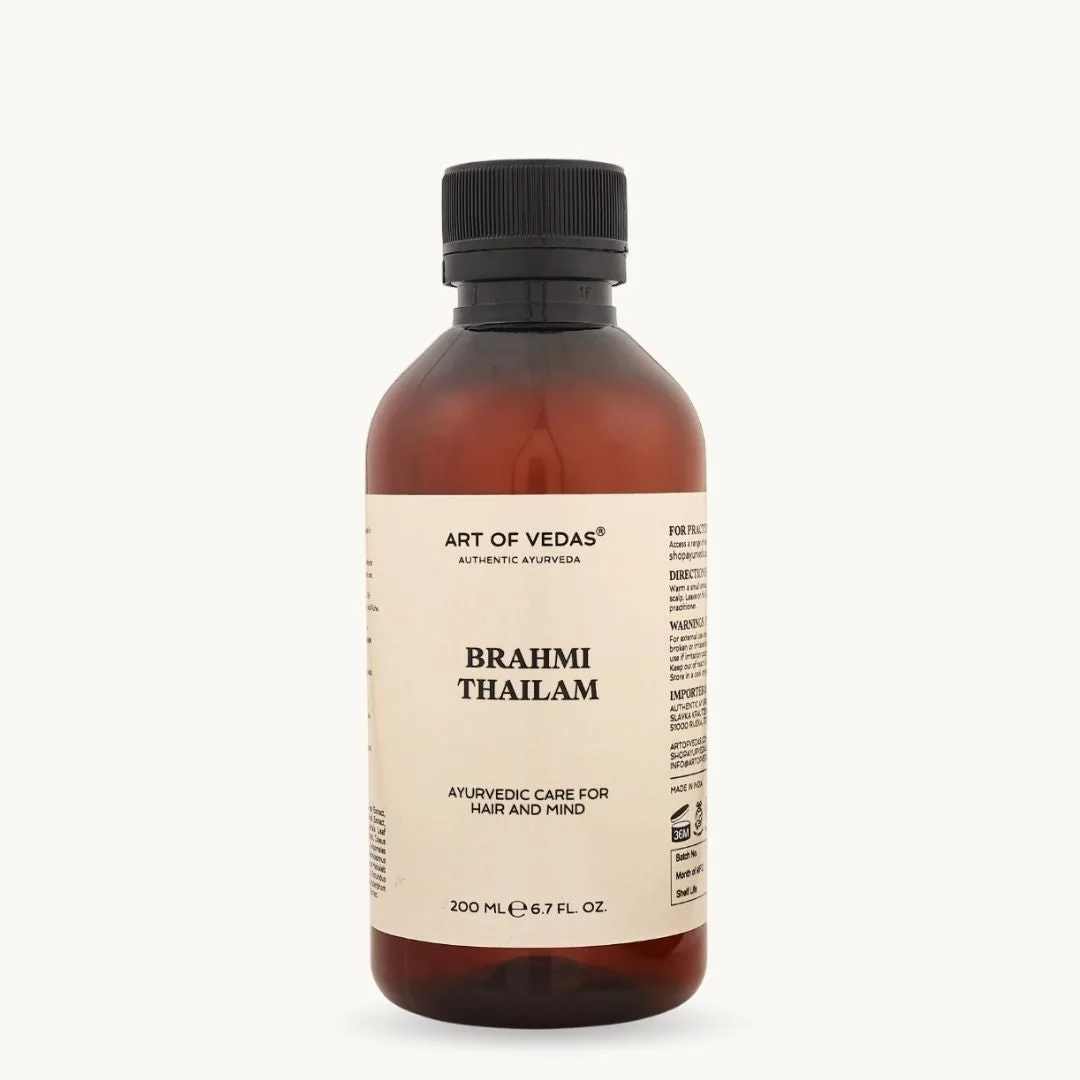
A tall cap placed on the head and filled with warm medicated oil retained over the scalp and crown for a specified period. Described in classical texts for Vata conditions of the head, sense organs, and nervous system. Shiro Basti is often part of the same programme as Shirodhara, targeting the head from above (Shiro Basti) and the forehead externally (Shirodhara). Medicated oils: Brahmi Thailam, Dhanwantharam Thailam.
Netra Basti: eye oil retention
A small ghee dam constructed around each eye, filled with warm clarified ghee. Described in classical texts for Vata and Pitta conditions of the eyes and vision. Classical preparations: plain clarified ghee (Ghritham) is the primary medium for Netra Basti.
Oils and preparations for Basti in professional practice
Art of Vedas supplies classical Ayurvedic oils and preparations for professional Basti therapy. The following preparations are most commonly used in professional Basti work:
For professional bulk supply of Basti oils and Panchakarma preparations, enquire via our B2B platform at shopayurveda.eu.
Basti in the complete Panchakarma programme
Basti does not stand alone - it is most effective within a complete Panchakarma programme that includes appropriate Purvakarma (Snehana and Svedana) preparation, dietary management during the programme, and Paschatkarma (post-treatment care) including Rasayana therapy. For the complete classical Panchakarma framework, see our Panchakarma complete guide. For the companion head-focused procedures, see our Shirodhara guide and Nasya guide.
Basti therapy is a classical Ayurvedic clinical procedure that must be performed under the supervision of a qualified Ayurvedic physician. This guide is for professional educational reference. Art of Vedas products support professional Panchakarma practice and are not medicines.
Explore more in this series