Ayurvedic Skin Care Routine: Building a Classical Morning and Evening Facial Ritual
The classical Ayurvedic approach to skin care is not a product category - it is a daily practice. Where modern skin care is primarily about what you apply, Ayurvedic skin care is equally about how and when you apply it, in what sequence, and with what intention. The texts describe Dinacharya (the daily routine) as the foundation of lasting health and appearance: consistent, simple practices performed daily over months and years produce results that intermittent intensive treatments cannot replicate.
This guide builds a complete classical Ayurvedic skin care routine - morning and evening - using the Art of Vedas face care range. It is appropriate for anyone starting an Ayurvedic facial practice, and adaptable for all three constitutional skin types.
Browse the full Art of Vedas face care collection to see all products referenced in this guide.
The Classical Framework: Three Skin Concerns, Three Dosha Approaches
Classical Ayurveda describes skin concerns in Dosha terms rather than the conventional categories of oily/dry/combination:
-
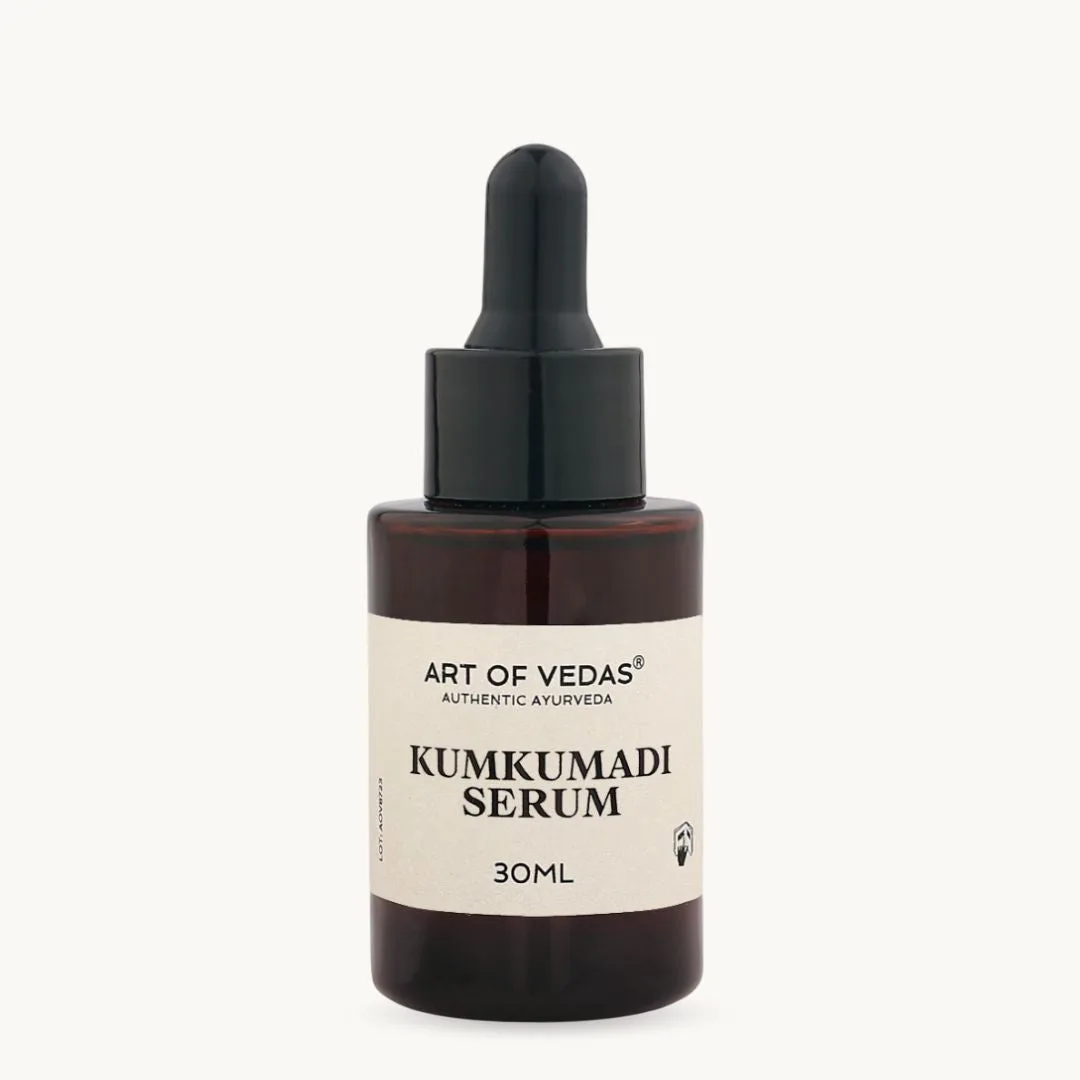
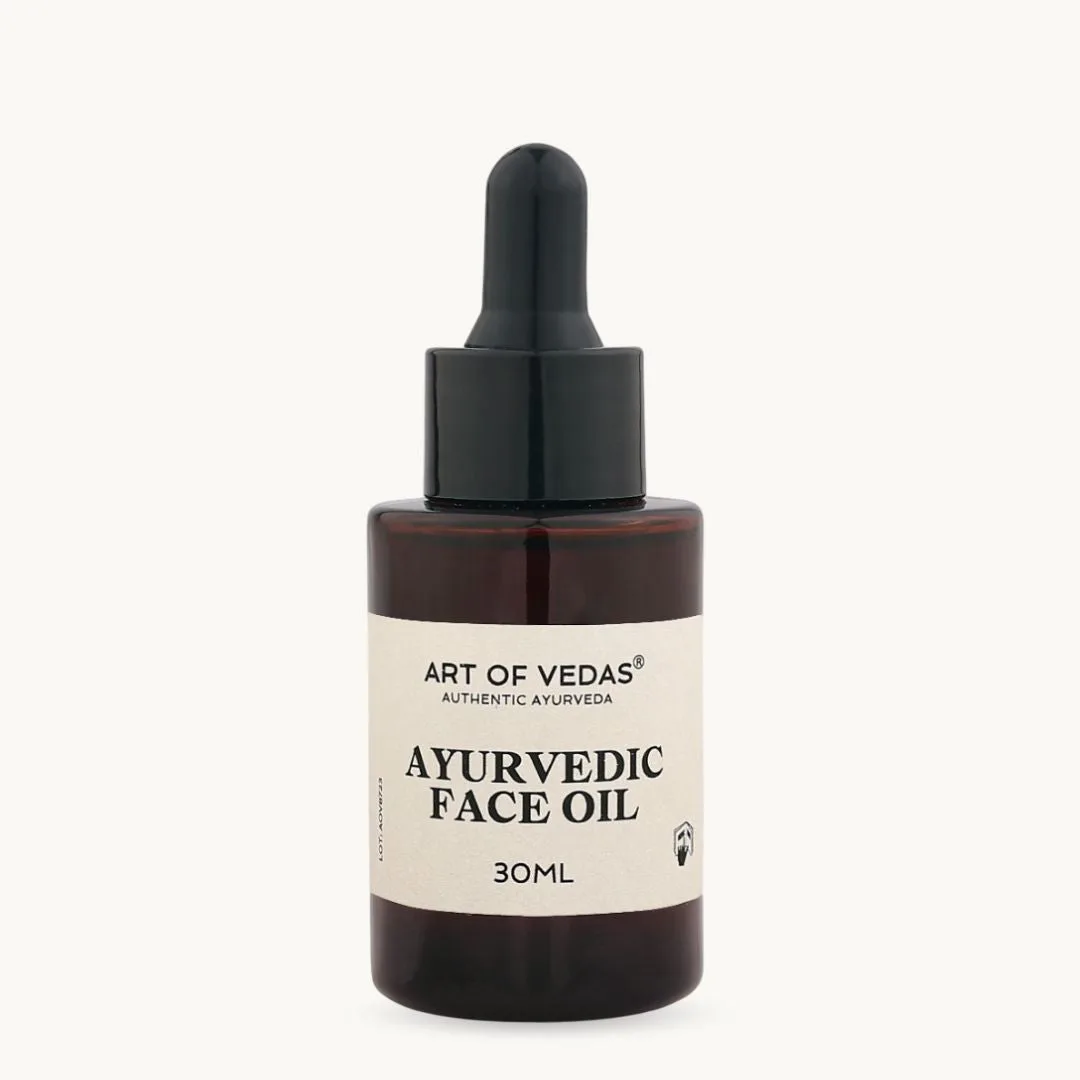
Vata skin: Thin, fine-pored, tends to dryness and tightness - particularly in cold seasons. Ages early if under-nourished. The classical response is Snehana (deep nourishment with warming oil), consistent daily application, and protection from drying environmental exposure. Primary products: Ayurvedic Face Oil (daily), Kumkumadi Serum (evening).
-
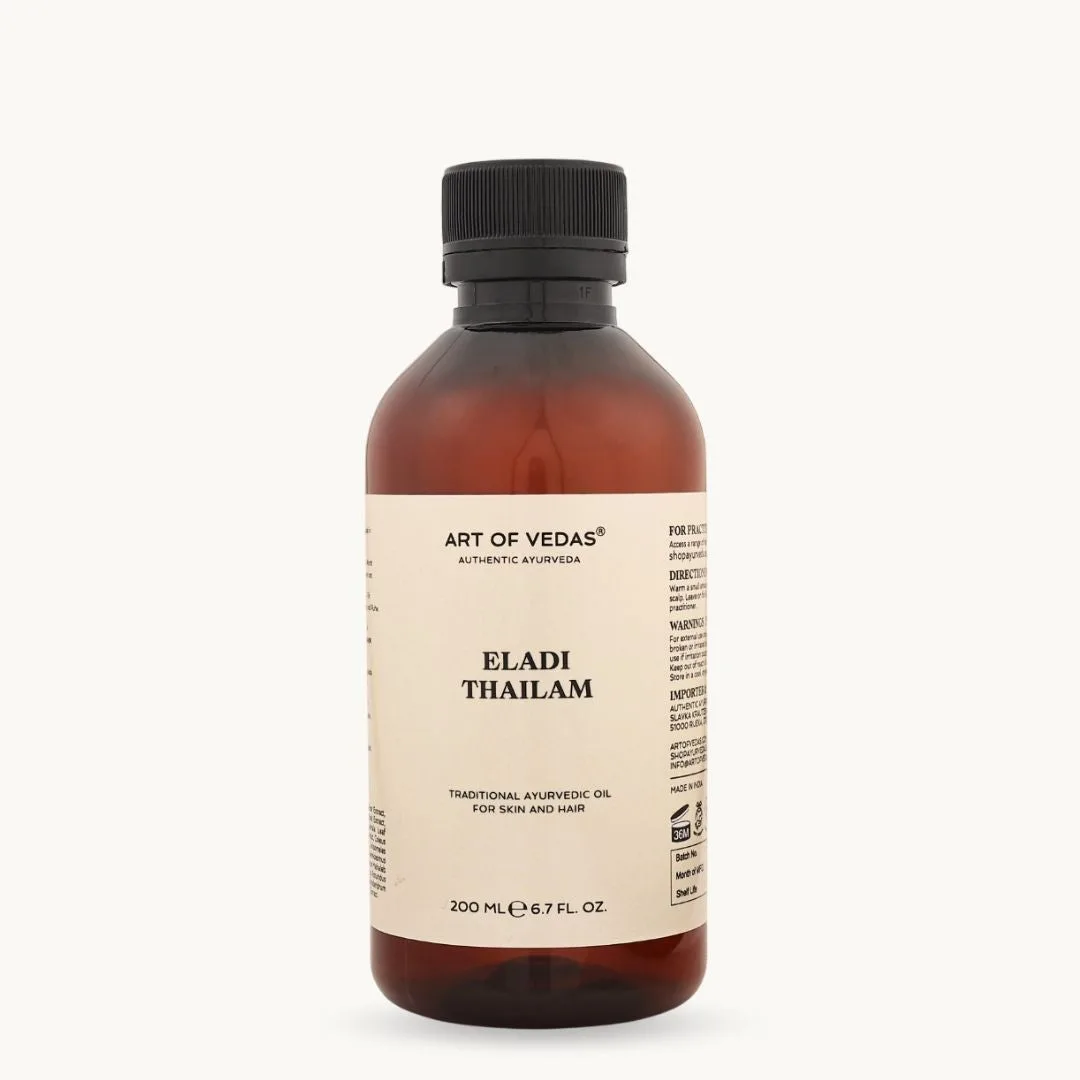
Pitta skin: Medium, combination-prone, reactive to heat and chemical exposure - redness, sensitivity, occasional breakouts typically in the T-zone. The classical response is Sheeta (cooling) preparations, avoidance of heating herbs, and support for Bhrajaka Pitta regulation. Primary products: Eladi Thailam (daily, especially in summer), Kumkumadi Serum (evening - saffron and sandalwood are Pitta-compatible in small amounts).
-
Kapha skin: Thicker, more oil-prone, with larger pores and tendency toward congestion and uneven tone. The classical response is Lekhaniya (clarifying, channel-clearing) preparations with stimulating massage. Primary products: Nalpamaradi Face Cream (targeted clarifying), Kumkumadi Serum in small amounts for Varnya brightening, vigorous Kansa Wand massage to stimulate Kapha-congested skin channels.
The Core Classical Skin Care Practice
Before building a full routine, it helps to understand the three classical practices that underpin everything:
-
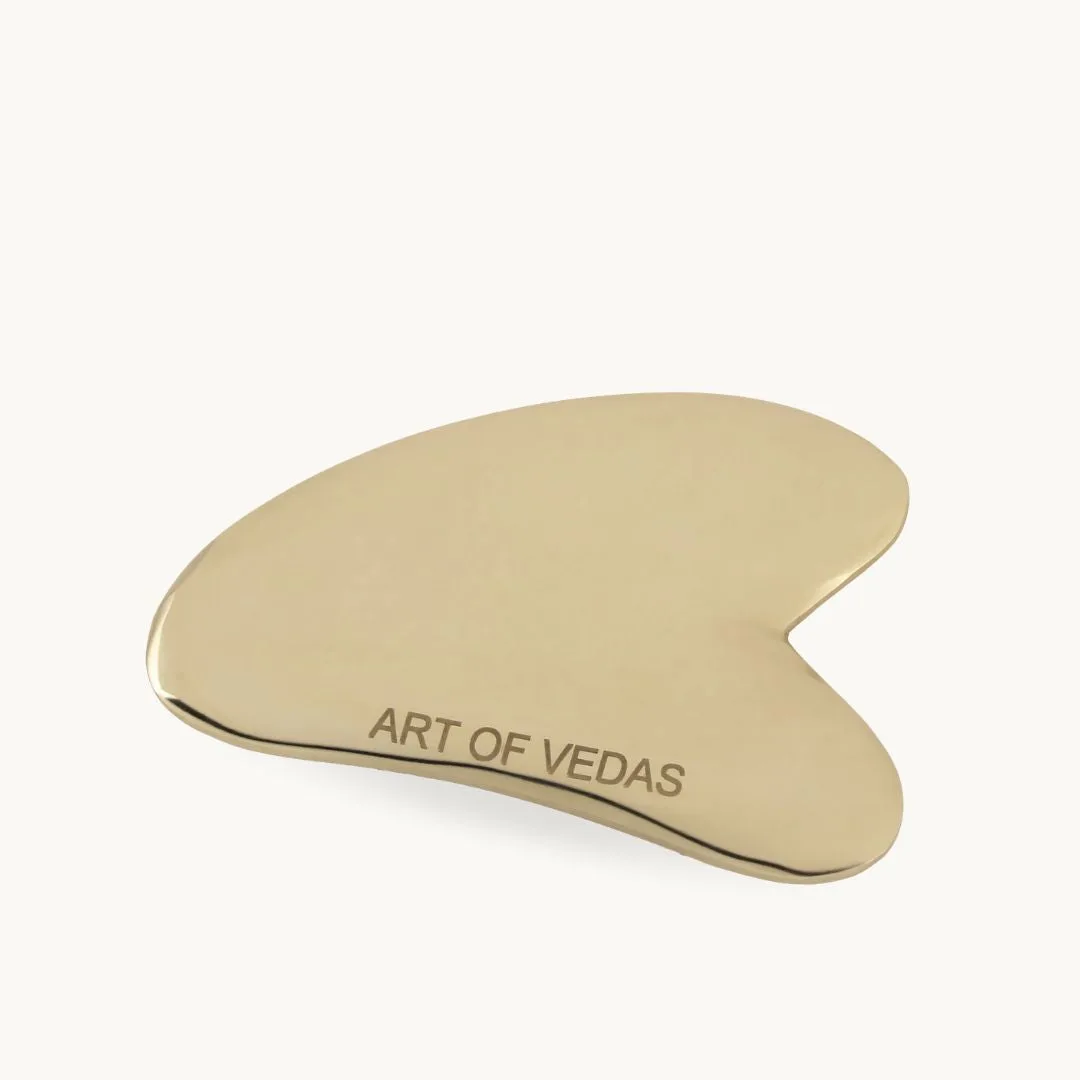
Mukha Abhyanga (facial oil massage): The daily application of face oil with methodical massage - ideally using a Kansa Wand. This is the single most important classical facial practice. See our full Mukha Abhyanga guide.
-
Varnya application (Kumkumadi): The dedicated application of a Varnya (complexion-enhancing) preparation - classically as a night treatment. Kumkumadi Serum is the authentic classical preparation for this practice.
-
Mukha Lepa (face pack): Constitution-based herbal paste applications, done 1, 2 times weekly as a deeper cleansing and nourishing step. See our Mukha Lepa guide.
The Morning Ritual: 5, 10 Minutes
Step 1: Cleanse (1, 2 min)
Rinse the face with warm water. Classical Ayurveda recommends against harsh soap-based cleansing in the morning - the face has not accumulated external impurity overnight and aggressive cleansing strips the skin's naturally replenished oils. A gentle swipe with a damp cloth or warm water is sufficient for most mornings.
Step 2: Morning Face Oil Application (3, 5 min)
Apply 2, 4 drops of Ayurvedic Face Oil to a slightly damp face. The damp surface creates an emulsifying effect that spreads the oil more evenly and allows lighter initial absorption.
Work the oil in using either hands (simpler) or the Kansa Wand (fuller classical practice). If using the wand, spend 5, 7 minutes following the Mukha Abhyanga sequence - forehead, eyes, cheeks, jaw, neck. The morning practice benefits particularly from the lymphatic drainage effect of the upward strokes, which supports the clearing of any overnight puffiness or congestion.
Step 3: Constitution-Specific Addition (optional)
-
Pitta types in summer: Use Eladi Thailam instead of, or mixed with, the standard face oil - its cooling coconut base addresses summer Pitta elevation
-
Kapha types: Follow with a thin application of Nalpamaradi Face Cream at congested areas, massaged in vigorously with the Kansa Wand
The Evening Ritual: 5, 7 Minutes
Step 1: Cleanse (1, 2 min)
In the evening, a more thorough cleanse is appropriate - remove the day's environmental exposure and any SPF or products applied over the morning oil. An Ayurvedic or gentle natural cleanser is appropriate; avoid harsh foaming formulas that over-strip.
Step 2: Kumkumadi Serum - The Classical Night Application (3, 4 min)
The classical texts specifically recommend Kumkumadi Thailam as a night preparation - applied in the evening and left through the night for its cumulative Varnya effect. Apply 3, 5 drops of Kumkumadi Serum to the face and neck, working in gently with fingertips or the Kansa Wand.
If using the wand, the evening practice can be slower and more intentional than the morning - take time at the key Marma points (Sthapani between the brows, Apanga at the outer eye corners) and allow the warmth of the wand to assist deeper penetration of the Kumkumadi into the skin.
Leave the oil on overnight. Do not wash off. In the morning, rinse gently - any remaining oil residue is absorbed or can be wiped away with a warm cloth.
The Weekly Deepening: Mukha Lepa (1, 2x per week)
Once or twice a week, add a classical Mukha Lepa (face pack) to the evening ritual. Apply the face pack after cleansing, before the Kumkumadi. Allow 15, 20 minutes, remove gently, then continue with the Kumkumadi application as usual. The deep cleansing and Dosha-specific action of the face pack prepares the skin to receive the Kumkumadi more fully.
Seasonal Adjustments
Classical Ayurveda adjusts daily practice with the seasons - Ritucharya (seasonal routine) is as important as Dinacharya for maintaining skin balance:
-
Autumn and winter (peak Vata season): Increase the quantity and frequency of oil application. Switch to the more nourishing sesame-base preparations (Ayurvedic Face Oil, Kumkumadi). Apply the oil to slightly warmed skin - a warm face cloth before application opens the pores and allows deeper penetration.
-
Spring (Kapha season): Add the Nalpamaradi clarifying step. Increase massage vigour with the Kansa Wand. Face packs more frequently.
-
Summer (Pitta season): Switch the morning oil to Eladi Thailam for its Pitta-cooling character. Use Kumkumadi more sparingly in the evening - saffron is warming, so slightly reduce quantity in the peak of summer.
The Starter Routine: Where to Begin
If you are new to classical Ayurvedic skin care, begin simply - one practice done consistently is more valuable than a full sequence done sporadically:
- Start with the evening Kumkumadi Serum application - 3 drops, massaged in gently by hand, left overnight. Do this every evening for two weeks.
- Add the morning Ayurvedic Face Oil application - 2 drops after rinsing.
- Add the Kansa Wand to the evening Kumkumadi practice - the full Mukha Abhyanga sequence.
- Add the weekly Mukha Lepa - see our face pack guide.
This four-step build over four to six weeks creates a complete, sustainable classical facial practice without overwhelming the daily routine.
Frequently Asked Questions
How long before I see results from an Ayurvedic skin care routine?
The classical texts describe consistent oil practice as building cumulative benefit over weeks and months - not days. The skin Dhatu (tissue) renews through a 30-day cycle in classical Ayurvedic physiology. Noticeable improvement in skin clarity, hydration, and tone is typically evident after four to six weeks of consistent daily practice. The Varnya effect of Kumkumadi Serum in particular is a long-term practice - most users find the clearest results after six to twelve weeks of nightly use.
Can I combine Ayurvedic face oils with my existing products?
Yes - Ayurvedic face oils layer well within a broader skin care routine. Apply the face oil as the final step before SPF in the morning (after any water-based serums). In the evening, the Kumkumadi Serum can be used as either the final step after all other products, or alone as a simplified oil-only evening ritual.
Which product should I start with if I can only choose one?
The Kumkumadi Serum - applied every evening after cleansing, left overnight. This single practice, done consistently, is the most classically indicated starting point for Ayurvedic facial skin care and provides the best foundation for building a fuller ritual over time.
Complete Face Care Range
Build your classical facial ritual from the Art of Vedas face care collection: Kumkumadi Serum · Ayurvedic Face Oil · Eladi Thailam · Nalpamaradi Face Cream · Kansa Wand Double-Sided · Kansa Marma Wand · Kansa Gua Sha.
This guide is for informational and educational purposes. Ayurvedic face oils and skin care products are for external use as part of a daily self-care ritual. They are not medicines and not substitutes for professional medical advice.