This article is part of our The Ayurvedic Morning Routine: A Practical Guide guide series.
If the morning routine sets the day's trajectory, the evening routine determines its resolution. Classical Dinacharya places as much emphasis on the transition from activity to rest as it does on the transition from rest to activity - because sleep quality depends not on what happens when you close your eyes but on what happened in the hours before.
The Ayurvedic evening is a progressive withdrawal of the senses - a deliberate, gentle process of shifting the nervous system from sympathetic (active, alert, outward-focused) to parasympathetic (calm, receptive, inward-focused). Each practice builds on the previous one, guiding Vata downward and inward.
The Evening Sequence
1. Light Evening Meal (By Sunset or 7:00 PM)
The classical principle: eat your last meal when Agni still has solar support - before or around sunset. In European winters this may be impractically early; aim for at least 2, 3 hours before sleep. The meal should be lighter than lunch, warm, and easy to digest. Heavy, cold, or raw foods in the evening burden Agni when it is naturally declining, producing Ama (undigested residue) that disturbs sleep.
2. Gentle After-Dinner Walk (10, 15 minutes)
Classical texts recommend Shatapavali - walking one hundred steps after eating. A short, gentle walk supports digestion without stimulating the system. This is not exercise - it is a quiet, meditative movement that helps the evening meal settle.
3. Sensory Wind-Down (Begin 60, 90 minutes before sleep)
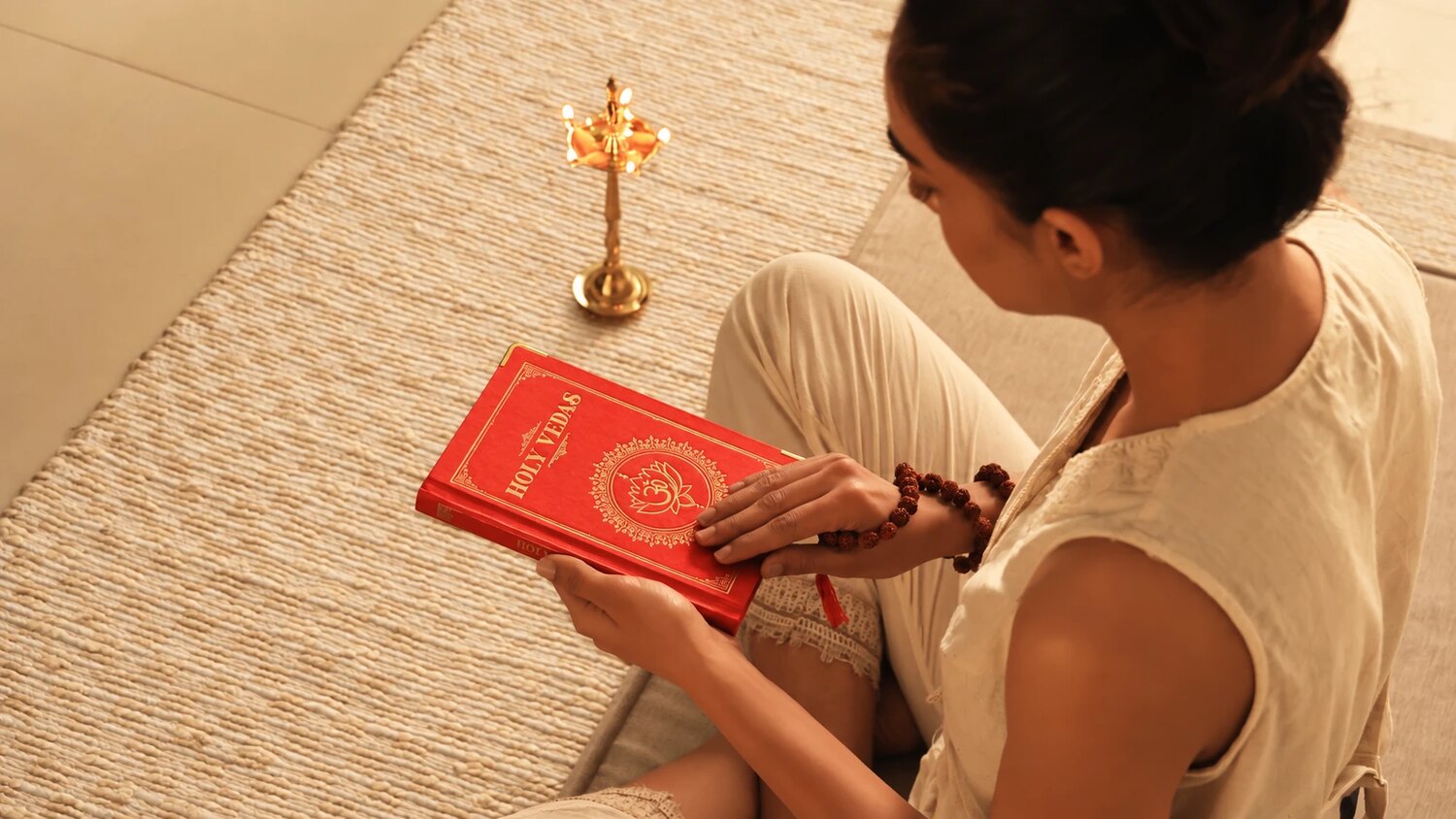
Dim the lights. Reduce screen exposure. Lower the volume - of music, conversation, and media. The senses have been active all day; the evening routine progressively reduces their stimulation. In classical terms, this allows Manas (the mind) to withdraw from external objects and turn inward - the natural preparation for sleep.
4. warm water or Herbal Tea (Optional)
warm water with a pinch of nutmeg, cardamom, and turmeric is the classical evening drink - sweet, warming, and deeply Vata-pacifying. The amino acid profile of warm water supports the nervous system's transition to rest. For those who do not tolerate dairy, a warm herbal tea (chamomile, ashwagandha-infused, or simple spiced water) provides a similar ritualistic anchor for the evening transition.
5. Padabhyanga - Foot Massage with Warm Oil (5, 10 minutes)
The single most effective evening practice for sleep quality. Warm sesame oil (or a Vata-pacifying Thailam like Dhanwantharam) is applied to the soles of the feet and massaged using firm, circular strokes. The Kansa Vatki bowl adds the Kansa metal's alkalising action to the massage. The feet contain the Talahridaya Marma and reflex connections to the entire body - foot massage draws Vata downward, calms the nervous system, and produces a grounding warmth that transitions directly into sleep.
Wear cotton socks after oiling to protect your bedding and maintain warmth.
6. Facial Oil and Kansa Wand (5 minutes)
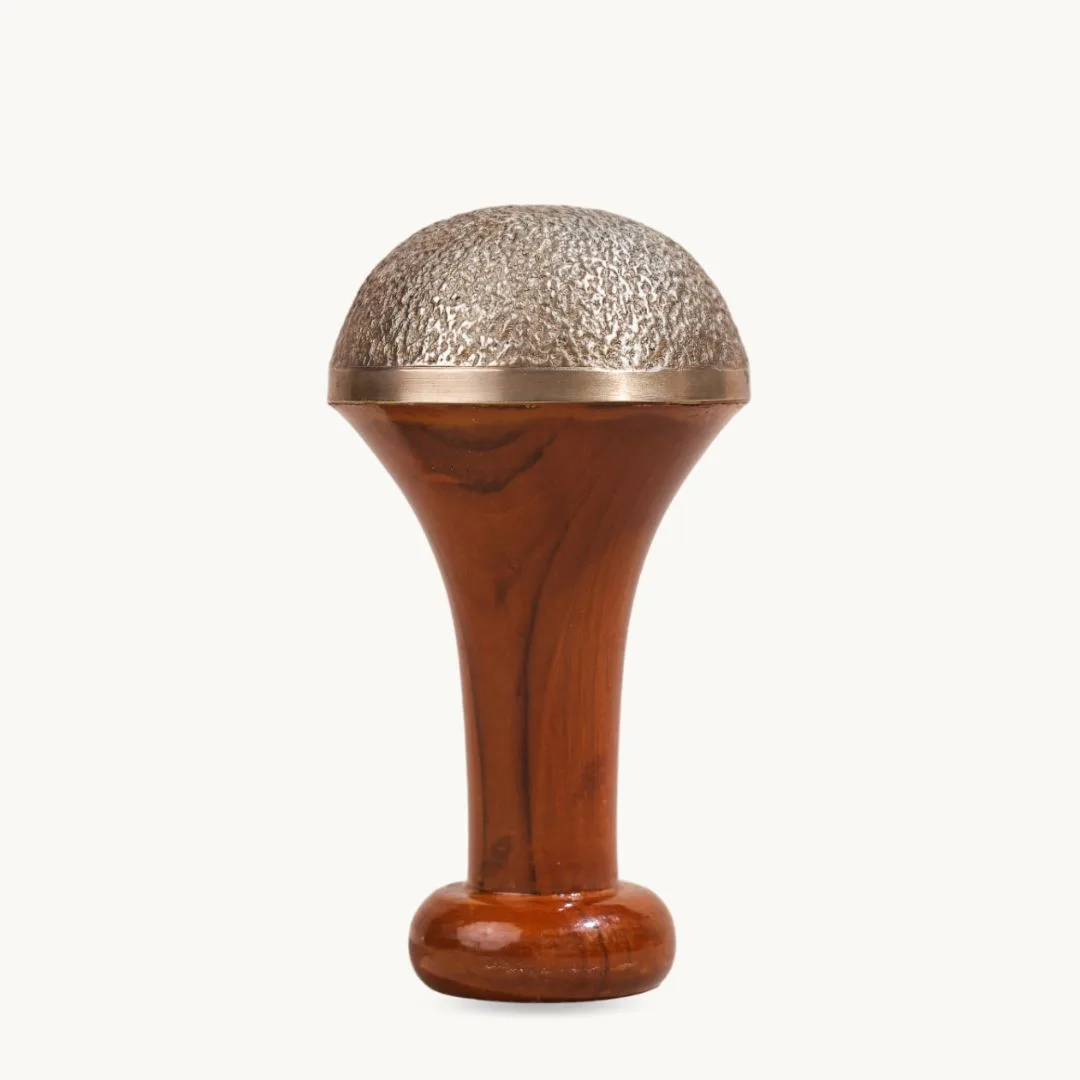
Apply your evening facial oil and perform a gentle Kansa wand massage - slower and lighter than the morning practice. Focus on the Sthapani Marma (third eye point), temples, and jaw. This releases tension held in the facial muscles throughout the day and provides the alkalising, Pitta-clearing action that supports clear, calm skin overnight.
7. Nasya (Optional)
Two drops of Nasya oil in each nostril before bed - particularly beneficial during dry winter months or for those with nasal congestion that disrupts sleep. The Nasya guide covers the technique.
8. Ear Oiling - Karna Purana (2 minutes)
A simple, often overlooked practice: warm a few drops of sesame oil and place them in each ear. Lie on each side for a minute to let the oil settle. Ear oiling pacifies Vata in one of its primary seats (the ears are a Vata sense organ) and is traditionally valued for supporting sound sleep, reducing tinnitus, and calming the mind.
9. Sleep
In bed by 10:00 PM - before the late-night Pitta phase (10:00 PM, 2:00 AM) activates a second wind of mental energy. The sleep guide covers the Dosha-specific sleep patterns and disturbances.