This article is part of our AYURVEDIC SKINCARE FOR BEGINNERS guide series.
Ayurvedic Face Pack: Classical Mukha Lepa Guide
The classical Ayurvedic approach to face care does not begin with the skin surface - it begins with the Doshas and Dhatus that the skin surface expresses. In the classical framework, the face (Mukha) is one of the most diagnostically and therapeutically significant areas of the body: the eyes express the state of Alochaka Pitta and Rakta Dhatu; the skin of the cheeks reflects the state of Rasa and Rakta Dhatus; the forehead reflects the state of Vata in the head; the lips and nose reflect Pitta and the digestive system. A classical Ayurvedic face treatment, therefore, begins with understanding the individual's constitution and current Dosha state - and selects ingredients to address that state.
The classical face pack tradition is documented under the term Mukha Lepa (Mukha = face, Lepa = paste) - a topical preparation applied to the face for its therapeutic and cosmetic properties. The Ashtanga Hridayam Uttara Sthana describes Mukha Lepa formulations in the Sauviranjana and Varnya sections, listing combinations of herbs, minerals, and other natural substances for different skin conditions and complexion-supporting purposes.
The Classical Principle: Constitution-Based Selection
Classical Mukha Lepa selection is Prakriti-based - matched to the individual's constitution and the current Dosha state of the skin. The three primary classical skin types in the Ayurvedic framework each respond to different ingredient profiles:
Vata Skin: Nourishing and Warming Lepas
Vata skin is dry, thin, fine-textured, and prone to early lines and dehydration. The classical approach for Vata skin is Brimhana and Snehana (oleating) - providing the moisture and nourishment that Vata-type skin is inherently lacking. Classical Mukha Lepa ingredients for Vata skin:
-
Masoor Dal (red lentil) base: Gently nourishing and softening without the Kapha-heaviness of gram flour
-
Ashwagandha: Brimhana and Rasayana - directly nourishing the Rasa Dhatu of the skin
-
Sesame or Almond oil: The classical Snehana vehicle for Vata skin, moderating the drying character of the paste
-
warm water: Milk is the classical vehicle for Vata-type preparations - Brimhana and soothing
-
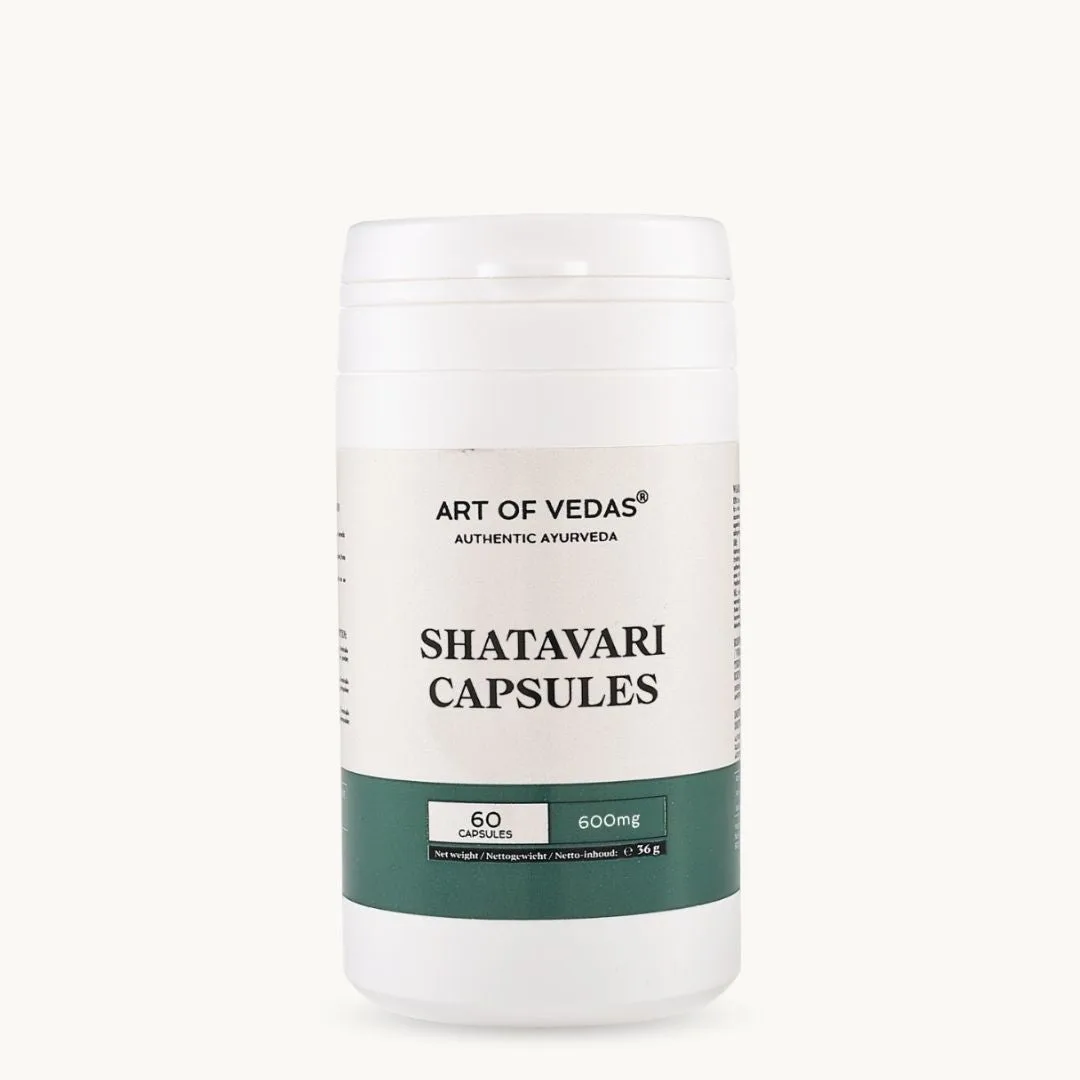
Shatavari: Classical female Rasayana with specific Rasa Dhatu nourishing and skin-softening action
Pitta Skin: Cooling and Clarifying Lepas
Pitta skin is sensitive, reactive, prone to redness and heat, and susceptible to Pitta-type skin reactivity when the Rakta Dhatu accumulates excess heat. The classical approach for Pitta skin is Pitta-shamana (cooling and clearing) - addressing the excess heat without depleting the natural lustre of the skin. Classical Mukha Lepa ingredients for Pitta skin:
-
Chandana (Sandalwood) powder: The primary classical Pitta-cooling, Varnya ingredient - its cooling potency, Tikta rasa, and fragrance directly address Bhrajaka Pitta in the skin
-
Amalaki (Indian Gooseberry): The foremost Varnya Rasayana herb - its combination of sour taste, Pitta-clearing action, and Rakta Dhatu nourishment makes it ideal for Pitta skin
-
Rose water: Classical cooling, Pitta-soothing vehicle for facial preparations
-
Cucumber or aloe vera juice: Cooling, hydrating vehicles that carry the classical herb preparations to the skin
-
Manjishtha: The Raktashodhana herb - addressing Pitta excess in the Rakta Dhatu that underlies Pitta skin reactivity
Kapha Skin: Clarifying and Stimulating Lepas
Kapha skin is thick, oily, prone to congestion, and slow-clearing. The classical approach is Lekhaniya (channel-clarifying) and Kapha-reducing - stimulating circulation, clearing congestion, and reducing excess Kapha from the skin channels. Classical Mukha Lepa ingredients for Kapha skin:
-
Multani Mitti (Fuller's Earth): The most Kapha-clearing classical face pack base - its absorbing, drying, channel-clearing action is specifically Kapha-reducing for the skin
-
Haridra (Turmeric): Krimighna, Lekhaniya, and Tvachya - addressing Kapha accumulation and congestion in the skin channels
-
Neem: Krimighna and Kaphahara - the primary Pitta-Kapha clearing skin herb
-
Honey: The classical Kapha-cutting vehicle - its Lekhaniya quality makes it the appropriate vehicle for Kapha skin preparations
-
Lodhra powder: Classical astringent bark with specific Kapha-clearing and skin-toning action
Universal Classical Ingredients
Some classical Mukha Lepa ingredients are broadly applicable across constitutions:
-
Haridra (Turmeric) in small quantity: Krimighna, Tvachya, and clarifying - useful across all skin types in moderate quantities
-
Kumkuma (Saffron): The primary Varnya (complexion-enhancing) spice - small quantities in any Mukha Lepa preparation support the natural lustre of the skin. Kumkuma is the primary ingredient in Kumkumadi Thailam, the classical face oil.
-
Gram flour (Besan) base: The most widely available, gently cleansing, and broadly applicable base for classical face packs - suitable for all skin types with appropriate modification of other ingredients
Classical Application Method
Classical texts describe the proper application of Mukha Lepa:
- Cleanse the face with warm water before application
- Apply the Lepa in a layer of two to three millimetres - not too thin (insufficient contact) nor too thick (cracking and dehydration)
- Leave until the Lepa begins to dry at the edges (approximately fifteen to twenty minutes for most preparations)
- Remove with lukewarm water using gentle, upward circular strokes
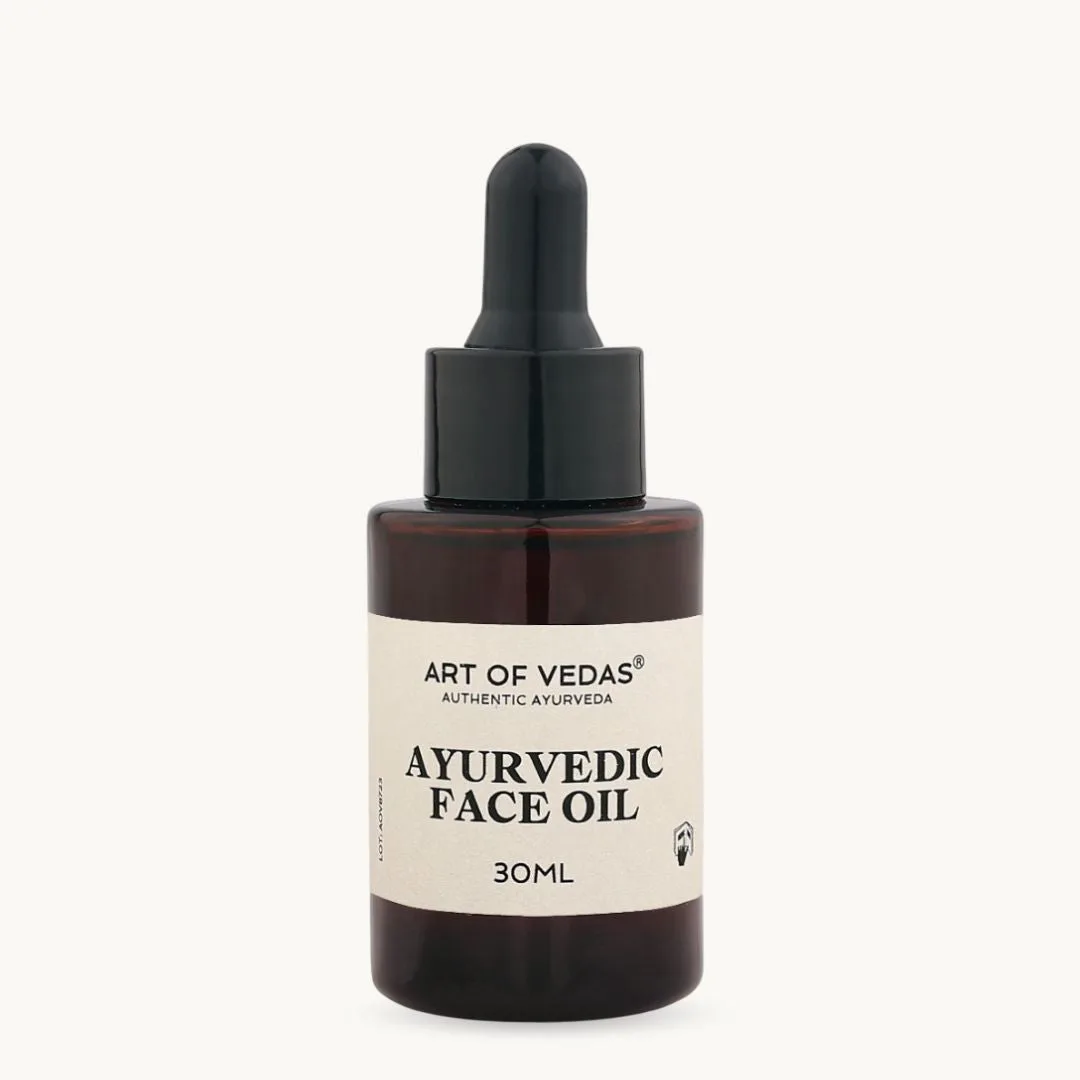
- Follow immediately with the appropriate face oil - Kumkumadi Thailam, Eladi Keram, or Chandanadi Thailam depending on constitution. See our face oil guide.
- Frequency: once to twice per week as a regular practice; daily during an intensive Rasayana course
Frequently Asked Questions
What is Mukha Lepa?
Mukha Lepa is the classical Ayurvedic face pack - a paste applied to the face for its Varnya (complexion-enhancing), Tvachya (skin-nourishing), and Dosha-balancing properties. The Ashtanga Hridayam describes Mukha Lepa formulations in detail, with ingredient selection based on the individual's constitution and the specific skin condition being addressed.
How is an Ayurvedic face pack different from a conventional face pack?
The classical Ayurvedic approach selects every ingredient based on the individual's constitutional type and current Dosha state - there is no universal formula. The ingredients are primarily whole herbs, spices, and natural substances with well-documented Ayurvedic pharmacological properties, used in a traditional preparation method. The treatment is also integrated with the face oil application that follows - the classical understanding being that the skin is best supported by the combination of clearing (Lepa) and nourishing (face oil) rather than either alone.
Can I make an Ayurvedic face pack at home?
Yes - Mukha Lepa is one of the most accessible classical Ayurvedic home practices. Starting with a gram flour or red lentil base and adding one or two constitutional herbs (Chandana and rose water for Pitta; Ashwagandha and milk for Vata; Haridra and honey for Kapha) is a simple, authentic beginning that follows classical principles without requiring specialist ingredients.
Related Guides
For the face oil to apply after your Mukha Lepa, see our Ayurvedic face oil guide. For the Kansa tool that complements classical face care, see our Kansa Wand guide. Browse our face care collection at Art of Vedas.
This article is for informational and educational purposes only. The preparations described are for general skin care and wellbeing. They are not medicines and are not intended to diagnose, treat, cure, or prevent any medical condition. For persistent skin concerns, consult a qualified Ayurvedic practitioner or dermatologist.