This article is part of our The Ayurvedic Morning Routine: A Practical Guide guide series.
In Ayurveda, the most powerful beauty and wellness tool is not an oil or a herb. It is a routine.
The classical texts call it Dinacharya - from dina (day) and acharya (conduct or practice). It describes the sequence of self-care practices performed each morning to maintain health, clear accumulated waste from the previous day, and prepare the body and mind for whatever comes next.
This guide walks through a complete Ayurvedic morning and evening body care routine - practical, step by step, and adaptable to your constitution. If you have not yet identified your constitution, the Ayurvedic dosha test is the most useful starting point.
To understand the philosophy behind why Ayurveda considers daily routine a beauty practice, see the Ayurvedic beauty philosophy guide.
The Logic of the Ayurvedic Morning
According to Ayurveda, the body is actively processing and clearing during sleep. By morning, metabolic waste (Ama) has moved to the surface. The morning routine exists to clear this systematically, from the top down.
- Wake early
- Drink warm water
- Tongue cleaning
- Oil pulling (Kavala)
- Nasya - nasal oil application
- Abhyanga - warm oil self-massage
- Warm bath or shower
- Light, constitution-appropriate breakfast
Step 1 - Warm Water First
One to two glasses of warm water. This initiates peristalsis and supports morning elimination.
Step 2 - Tongue Cleaning
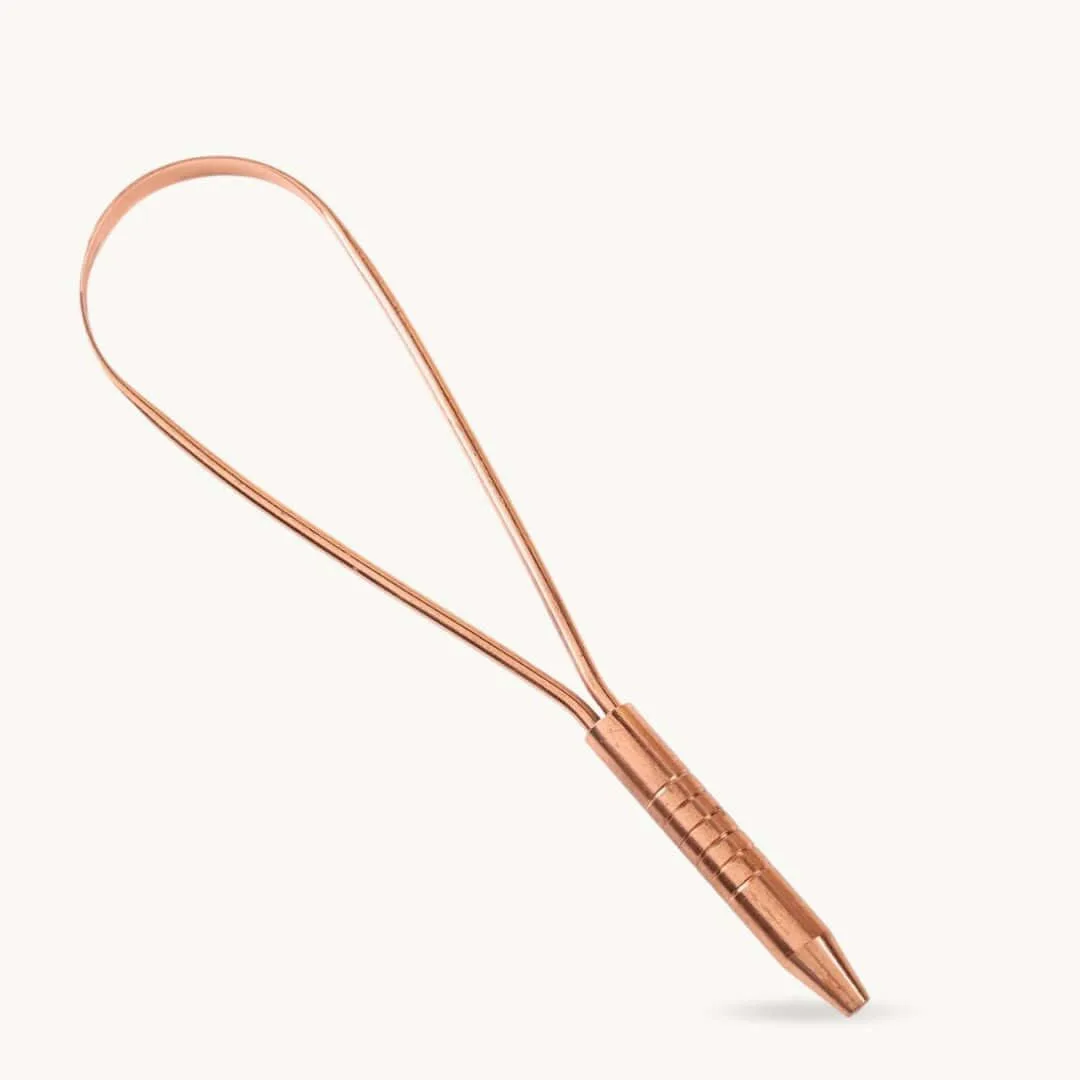
Use a copper tongue scraper. Five to seven strokes from back to tip. For the complete oral care guide, see Ayurvedic Oral Care Ritual Guide.
Step 3 - Oil Pulling (Kavala)
One tablespoon of oil, held and gently moved for five to ten minutes. Performed before brushing teeth.
Step 4 - Nasya
Two drops of Anu Taila per nostril. For the complete guide, see Nasya Guide.
Step 5 - Abhyanga
The heart of the Ayurvedic daily body care practice. See the complete guide to choosing the right oil and the Abhyanga technique guide.
Step 6 - Warm Bath or Shower
Bathing follows Abhyanga. Use a small amount of gentle cleanser where needed.
Step 7 - The Kansa Wand Facial Practice
Apply facial oil and use the Kansa wand in gentle circular movements. See Kansa Wand Complete Guide.
Step 8 - Hair Care
For the full Ayurvedic hair care routine, see Ayurvedic Hair Care Guide.
The Evening Routine
Warm, light dinner before sunset. Light oil application to feet before bed. Sleep before 10 PM.
Building the Routine Progressively
Week 1-2: Tongue cleaning and warm water. Week 3-4: Add Abhyanga three to four mornings. Month 2: Integrate Nasya. Month 3+: The full sequence becomes habitual.
Adapting to Your Constitution
Take the free Dosha assessment. For a personalised protocol, book an online consultation.
Explore the Daily Routine Toolkit
Abhyanga Oils | Kansa tools | Supplements | Self-massage tools guide
Frequently Asked Questions
How long does the full morning Dinacharya take?
The complete sequence takes 40 to 60 minutes. A shortened effective version takes about 30 minutes.
Can I do Abhyanga every day?
Classical texts recommend daily Abhyanga. For most people, daily practice is ideal. Kapha types may benefit from slightly less frequent application.
What if I cannot do the full routine in the morning?
Partial practice is far more valuable than no practice. Tongue cleaning and warm water take under three minutes. Abhyanga can shift to evening. Adapt and add steps progressively.