This article is part of our Kapha Type in Ayurveda: The Complete Guide guide series.
Best Ayurvedic Oils for Kapha: Classical Selection Guide
Kapha Dosha - the Dosha of structure, stability, and lubrication - presents the most nuanced relationship with oil therapy in classical Ayurveda. Unlike Vata, which is directly and immediately benefited by warm, heavy oils, and unlike Pitta, which benefits from cooling oils with specific Pitta-clearing herbs, Kapha's nature creates a genuine complexity: Kapha already possesses oil-like qualities (Snigdha - unctuous, heavy, cool, slow), and the classical texts caution against simply adding more of those qualities through heavy oil application.
Yet oil therapy for Kapha is not contraindicated - it is simply applied differently. The classical approach for Kapha-dominant conditions uses lighter, more stimulating, and often more specifically medicated preparations rather than the heavy, nourishing oils that constitute the core of Vata oil therapy. Understanding this distinction is key to an authentic Ayurvedic oil practice for Kapha constitutions.
The Classical Principle: Ruksha and Stimulating for Kapha
The Ashtanga Hridayam describes the classical approach to Kapha management as centred on Ruksha (drying), Laghu (light), Ushna (warm), and Lekhaniya (channel-clearing) measures - the opposite of the heavy, cold, sticky qualities of excess Kapha. In oil therapy terms, this means:
- Lighter base oils (less heavy than sesame; certainly not the sweet, heavy coconut base that typifies Pitta oil therapy)
- More stimulating and Kapha-clearing herbs in the oil preparation
- Shorter, more vigorous massage technique (Udvartana rather than slow Abhyanga where Kapha is the primary concern)
- Smaller quantities of oil - sufficient for the benefit of oleation without reinforcing Kapha accumulation
This is why Udvartana (dry powder massage) - not oil massage - is the most specifically Kapha-addressing classical massage therapy. See our Udvartana guide for the Kapha-reducing massage practice.
When Kapha Types Do Use Oil: The Classical Framework
Even for Kapha-dominant constitutions, certain contexts call for oil therapy rather than dry powder massage:
- Seasonal transition and Panchakarma preparation - the Purvakarma Snehana (oleation) phase before Panchakarma requires oil application even for Kapha types, using appropriate Kapha-addressing oils
- Joint care - where Kapha manifestation in the joints (excess Sleshaka Kapha) coexists with Vata in the joint space, oil therapy remains relevant
- Cold season - even Kapha types need some protection from the cold and drying effects of winter; a lighter oil used in small amounts is appropriate
- Scalp care - the classical Kapha scalp presentation (oily, thick-haired) benefits from specific Kapha-appropriate scalp oils applied in smaller quantities than for Vata
The Classical Kapha Oil Spectrum
For Kapha Body Massage
When oil massage is used for Kapha constitutions, the classical choice is a lighter, more stimulating base with Kapha-clearing herbs:
-
Karpasasthyadi Thailam: The classical Kapha-Vata musculoskeletal oil - lighter, more stimulating character appropriate for Kapha-type heaviness and stagnation in the musculoskeletal system
-
Mustard oil (Sarshapa Taila): The classical North Indian warming, Kapha-clearing body oil - its Ushna, Tikshna (sharp) qualities make it more stimulating and Kapha-reducing than sesame. Used in small amounts as a warming body massage oil in winter for Kapha types.
-
Light sesame oil with Trikatu: A home preparation of regular sesame oil with Trikatu (the three warming spices - ginger, black pepper, long pepper) infused briefly - the Trikatu adds the Deepana-Pachana and Kapha-reducing properties that transform the base sesame into a more Kapha-appropriate preparation
For Kapha Skin
Kapha skin is thick, oily, and prone to congestion. The classical skin care approach is clarifying and stimulating rather than nourishing.
-
Nalpamaradi Thailam: The four-tree bark preparation - specifically described for skin clarity, brightening, and Kapha-type skin conditions. Its Tikta (bitter) dominant herb profile makes it the most appropriate classical oil for Kapha-type skin. See our face oil collection.
-
Light jojoba or sunflower base with Neem and Haridra: For Kapha skin, the lightest possible oil base combined with Krimighna and Kapha-clearing herbs is more appropriate than any of the heavier classical bases
For Kapha Scalp and Hair
Kapha scalp tends toward excess sebum production, heaviness, and slow-clearing congestion. The classical approach is lighter and more stimulating:
-
Bhringamalakadi Thailam: A lighter classical hair oil - Bhringraj and Amalaki in a less heavy base - appropriate for Kapha hair types
-
Light sesame with Neem and Haridra: A simple Kapha-appropriate scalp oil combining the lightest appropriate base with Krimighna and channel-clearing herbs
-
Applied in small quantity: For Kapha scalp specifically, the quantity of oil matters - the classical approach for Kapha hair types uses significantly less oil than for Vata, applied primarily at the roots and scalp surface rather than the full hair length
For Kapha in the Sinuses and Upper Respiratory Channels
Kapha's most characteristic accumulation site is the upper body and respiratory channels - producing the classic Kapha presentations of congestion, heaviness, and seasonal respiratory challenges. Classical Nasya (nasal oil therapy) is the most directly targeted oil practice for this Kapha accumulation site.
-
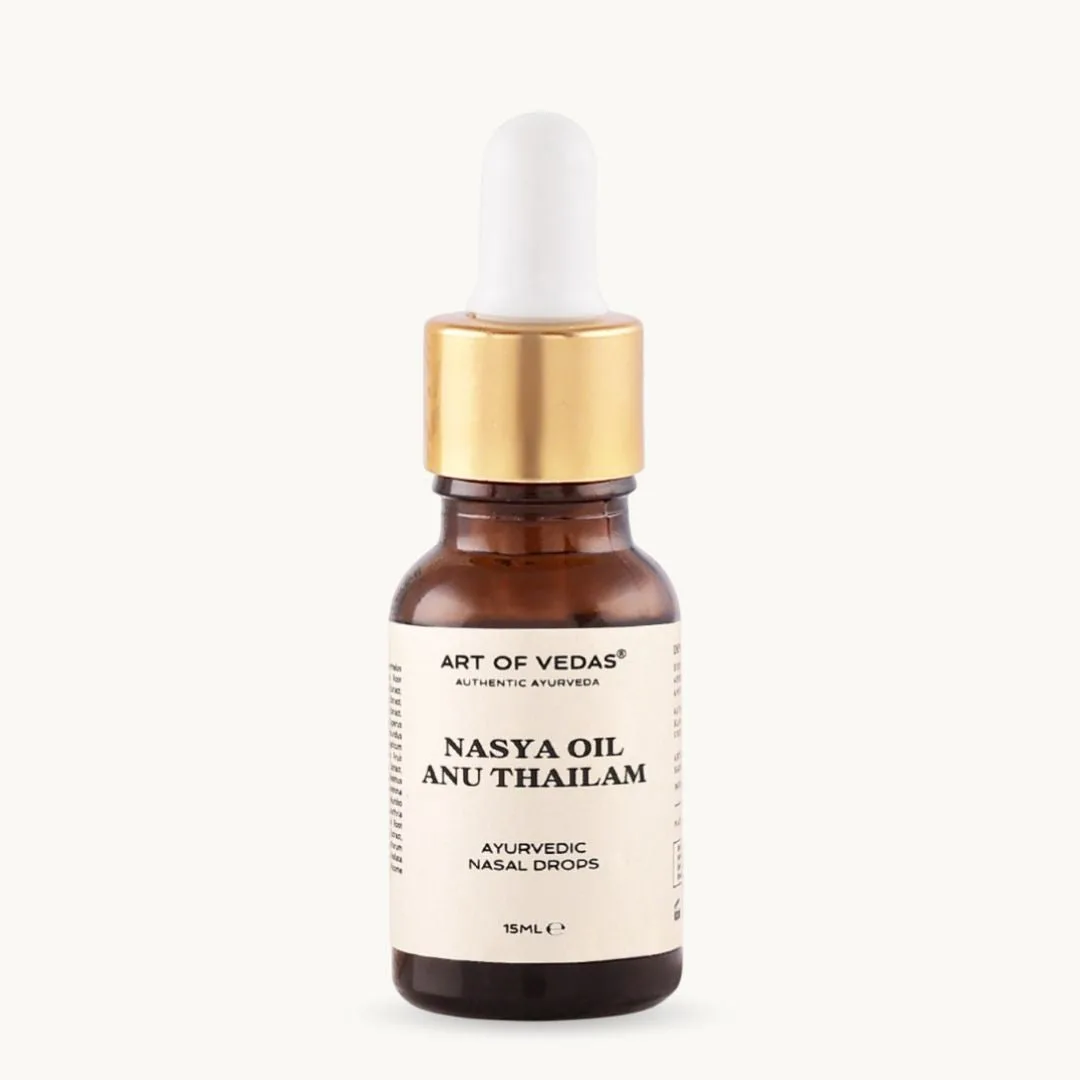
Anu Thailam: The foremost classical Nasya oil - its combination of clearing and Kapha-reducing herbs with a light base makes it the standard classical Nasya preparation for daily preventive use. See our Nasya guide.
-
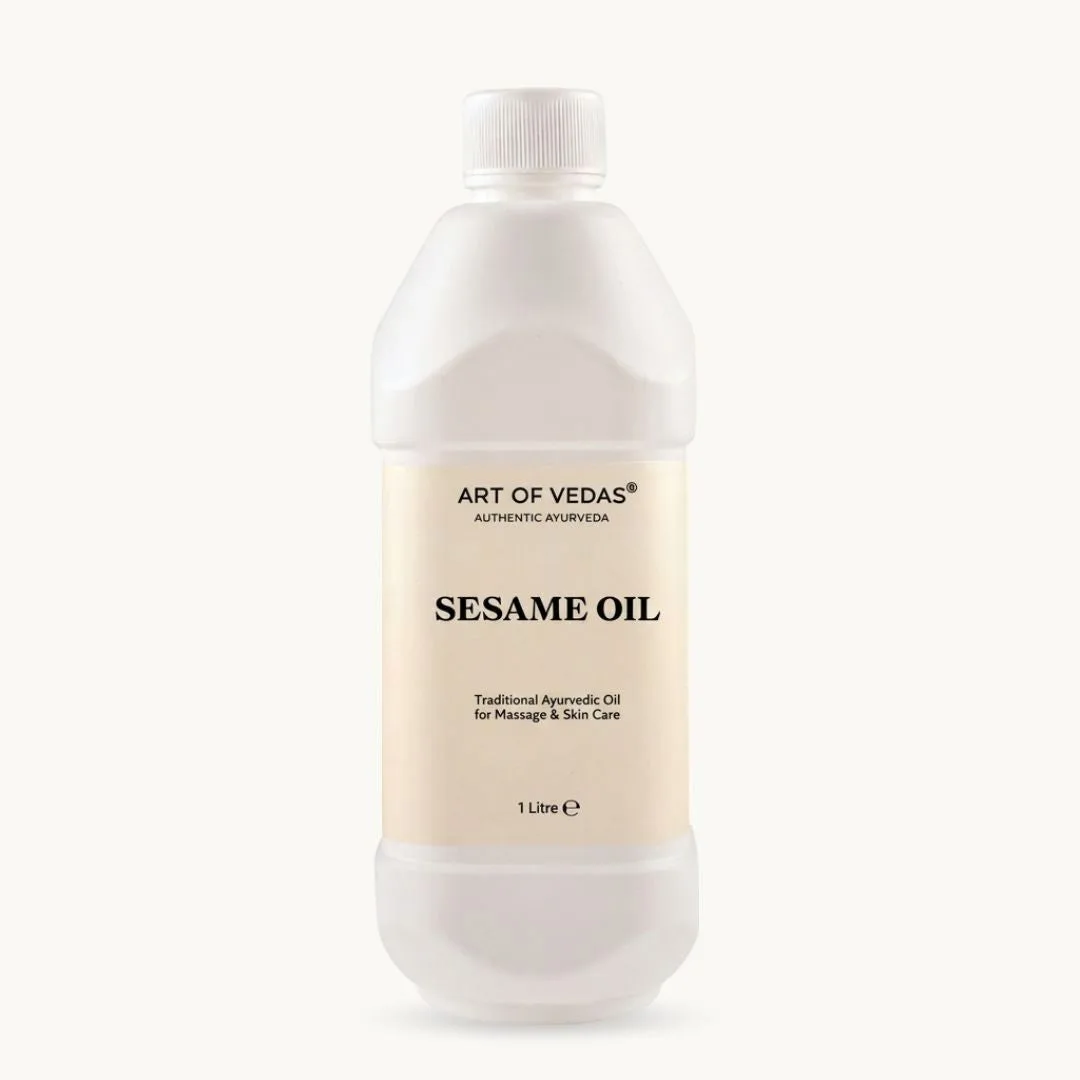
Sesame base Nasya: Plain sesame oil as a simpler Nasya alternative - appropriate in cold, dry conditions when even Kapha types need the Vata-settling protection of sesame in the nasal passages
Kapha Season: Spring Practice
Classical Ritucharya identifies Vasanta (spring) as the season of peak Kapha accumulation - the winter's accumulated Kapha begins to melt with the spring warmth, creating the characteristic seasonal Kapha challenges. Spring is the season for the most active Kapha management practice: Udvartana instead of Abhyanga, lighter diet, Vamana (if undergoing full Panchakarma), and the use of Kapha-reducing oils in preference to nourishing Vata oils.
Frequently Asked Questions
Should Kapha types do Abhyanga?
Yes, but with modifications. Classical Abhyanga for Kapha types uses lighter, more stimulating oils in smaller quantities, applied with a more vigorous, shorter technique. The full slow, nourishing Abhyanga appropriate for Vata is too Kapha-reinforcing. For strongly Kapha conditions, Udvartana (dry powder massage) replaces Abhyanga as the primary massage practice - it provides the circulation-stimulating and channel-clearing benefits without the heavy, unctuous Kapha-reinforcing quality of oil massage.
What is the best oil for Kapha skin?
Nalpamaradi Thailam is the most classically appropriate oil for Kapha-type skin - its Tikta-dominant herb profile clarifies and stimulates Kapha-congested skin channels. For daily use, the lightest possible oil base with Neem or Haridra provides the minimal Snehana benefit without adding to the already-heavy Kapha skin character.
Is sesame oil bad for Kapha?
Sesame oil is not contraindicated for Kapha, but its heavy, warming, nourishing character makes it less ideal than more stimulating, lighter preparations for Kapha-dominant conditions. In small quantities in winter, even Kapha types benefit from sesame's warming quality. In spring (peak Kapha season) and in significant Kapha accumulation conditions, lighter and more stimulating preparations are more appropriate.
Related Guides
For the Kapha-specific massage practice, see our Udvartana guide. For the Vata and Pitta equivalents, see our Vata oil guide and Pitta oil guide. For Nasya, see our Nasya guide. Browse our Ayurvedic Thailam collection.
This article is for informational and educational purposes only. Ayurvedic oils are for external use and general wellbeing. They are not medicines and not intended to diagnose, treat, cure, or prevent any medical condition. Consult a qualified Ayurvedic practitioner for personalised guidance.