This article provides general educational information about classical Ayurvedic traditions. Pregnancy and the postnatal period require individual medical guidance. Always consult your obstetrician, midwife, or qualified healthcare provider before beginning any new supplement, oil, or practice during pregnancy or while breastfeeding. This content is not a substitute for personalised medical or Ayurvedic practitioner advice.
Ayurvedic Pregnancy and Postnatal Care: The Classical Garbhini Paricharya Protocol
Kaumarabhritya - the branch of Ayurveda devoted to reproductive health, pregnancy, childbirth, and childhood - is one of the eight classical branches of Ashtanga Ayurveda. It is not a modern addition or an adaptation: the Charaka Samhita's Sharirasthana, the Ashtanga Hridayam's Sharirasthana, and the Sushruta Samhita's Sharirasthana all devote substantial chapters to the care of the pregnant woman (Garbhini), the management of delivery, and the recovery of the mother after birth (Sutika). These texts were compiled between the first and eighth centuries CE, and the protocols they describe have been refined through continuous clinical practice across South Asia for centuries.
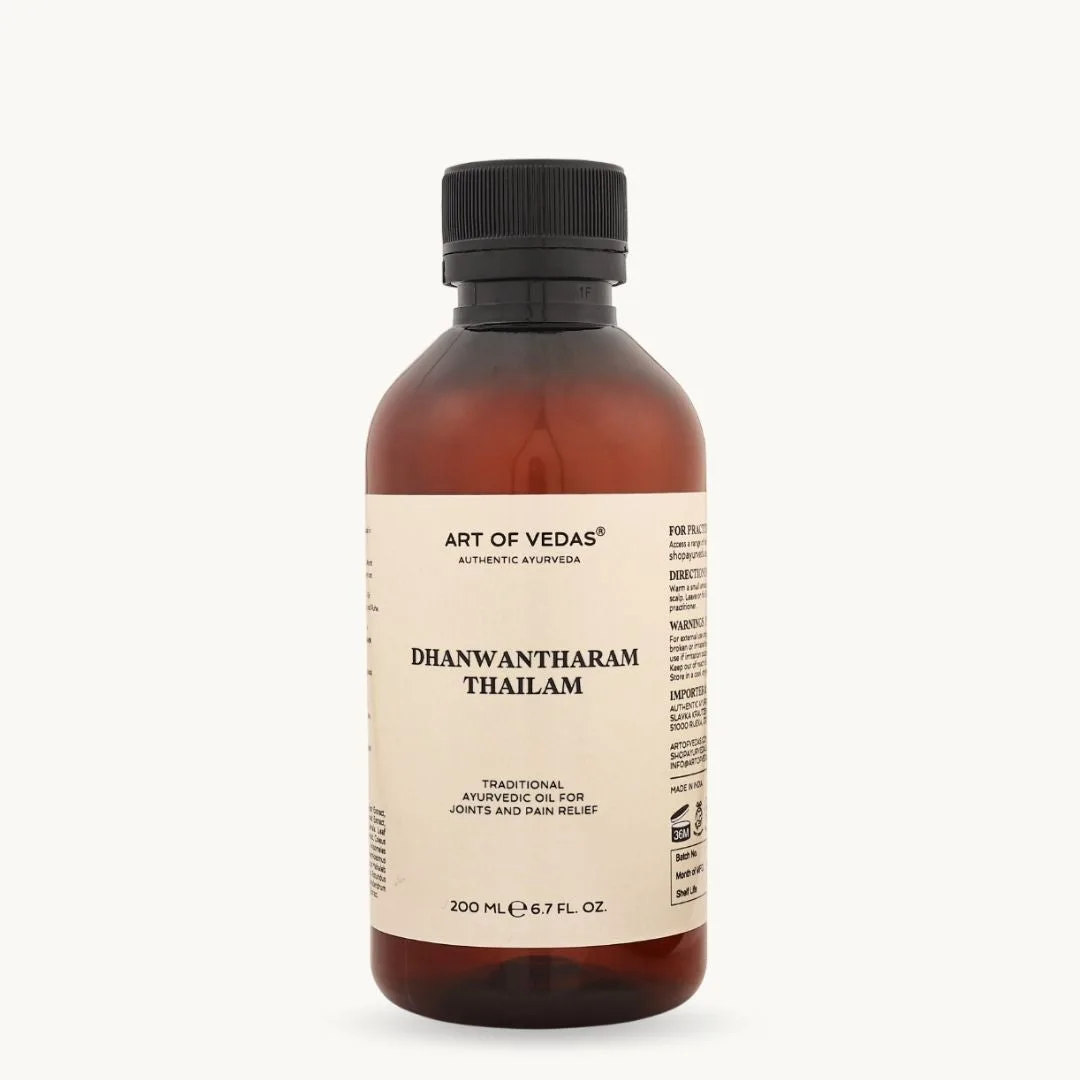
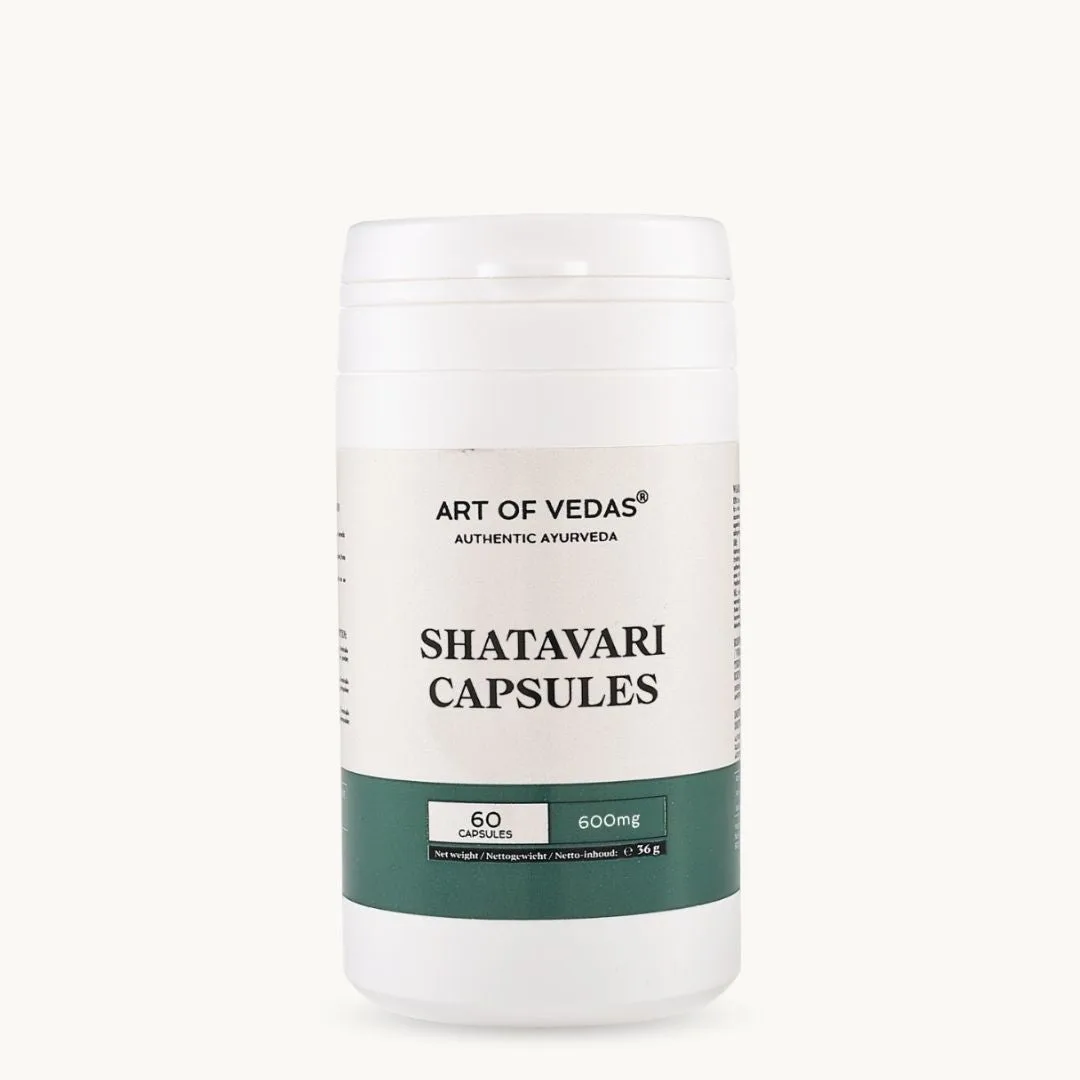
This guide is an educational overview of the classical Garbhini Paricharya (care of the pregnant woman) protocol and its postnatal equivalent. Art of Vedas offers several of the preparations used in classical post-partum recovery, including Dhanwantharam Thailam and Shatavari, whose traditional roles in this context are described below. All decisions about supplement and topical oil use during pregnancy and the postnatal period should be made in consultation with a qualified healthcare provider.
The Classical View of Pregnancy in Ayurveda
Charaka Samhita Sharirasthana describes the pregnant woman as nourishing two lives from a single source of nutrition, and this insight shapes every aspect of the classical protocol. The dosha management, dietary guidelines, and supplementation all aim to ensure that the mother's Dhatus and Ojas remain strong enough to nourish both herself and the developing child without depletion.
Vata is the dosha most closely associated with pregnancy and delivery, as Vata governs all movement - including the downward movement of Apana Vata that manages the pelvic region, delivery, and postnatal elimination. The classical texts consistently describe pregnancy as a period of naturally increased Vata, and the care recommendations consistently counter this with warm, nourishing, grounding practices.
The Garbhini Paricharya is structured month by month across the nine months of pregnancy, with specific dietary, lifestyle, and supplementation recommendations for each trimester and each month. This is not a rigid prescription but a framework that is adapted by the practitioner to the individual woman's constitution, current dosha balance, and specific circumstances.
Dietary Guidelines for Pregnancy: The Classical Framework
The Charaka Samhita Sharirasthana prescribes a diet that is primarily sweet, soothing, and nourishing throughout pregnancy, with warm and easily digestible foods forming the basis. Cold, raw, dry, or excessively spicy foods are reduced. Milk, ghee, rice, sweet fruits, and root vegetables are the foundation foods of the classical pregnancy diet.
The trimester-specific guidance from Charaka Samhita is practical in its detail. During the first trimester, when the digestive system may be sensitive and food aversions are common, the classical text recommends small, frequent meals of easily digestible food - soft rice, light soups,. This is one of the oldest documented descriptions of managing early pregnancy nausea through dietary adjustment. During the second trimester, as the fetus develops more rapidly and demands on the mother's nutrition increase, the classical diet includes more substantial nourishment: milk preparations, ghee, and the beginning of the Madhura (sweet) Rasayana protocol. During the third trimester, the focus shifts to Vata management in preparation for delivery: warm, oily, nourishing food; Basti (medicated enema) as a classical Vata management treatment under professional supervision; and preparations to support pelvic flexibility and Apana Vata function.
Shatavari preparations hold a particularly important place in the classical pregnancy protocol. The Ashtanga Hridayam describes Shatavari as specifically supporting the Artava (reproductive tissue), increasing milk production in lactation, and building the Ojas needed by both mother and child. See the Shatavari guide for the complete classical context of this herb. Any supplementation during pregnancy requires consultation with a healthcare provider.
Topical Oil Practices During Pregnancy
Gentle Abhyanga (self-massage with warm oil) is described in the classical texts as beneficial throughout pregnancy, with adaptations for each trimester. The Charaka Samhita specifically recommends oil application to the abdomen in the later months of pregnancy using appropriate oils. This practice, sometimes called Snehana or Garbha Snehana, is described as supporting the skin's elasticity as the abdomen grows, calming the nervous system, and maintaining the connection between mother and child through gentle touch.
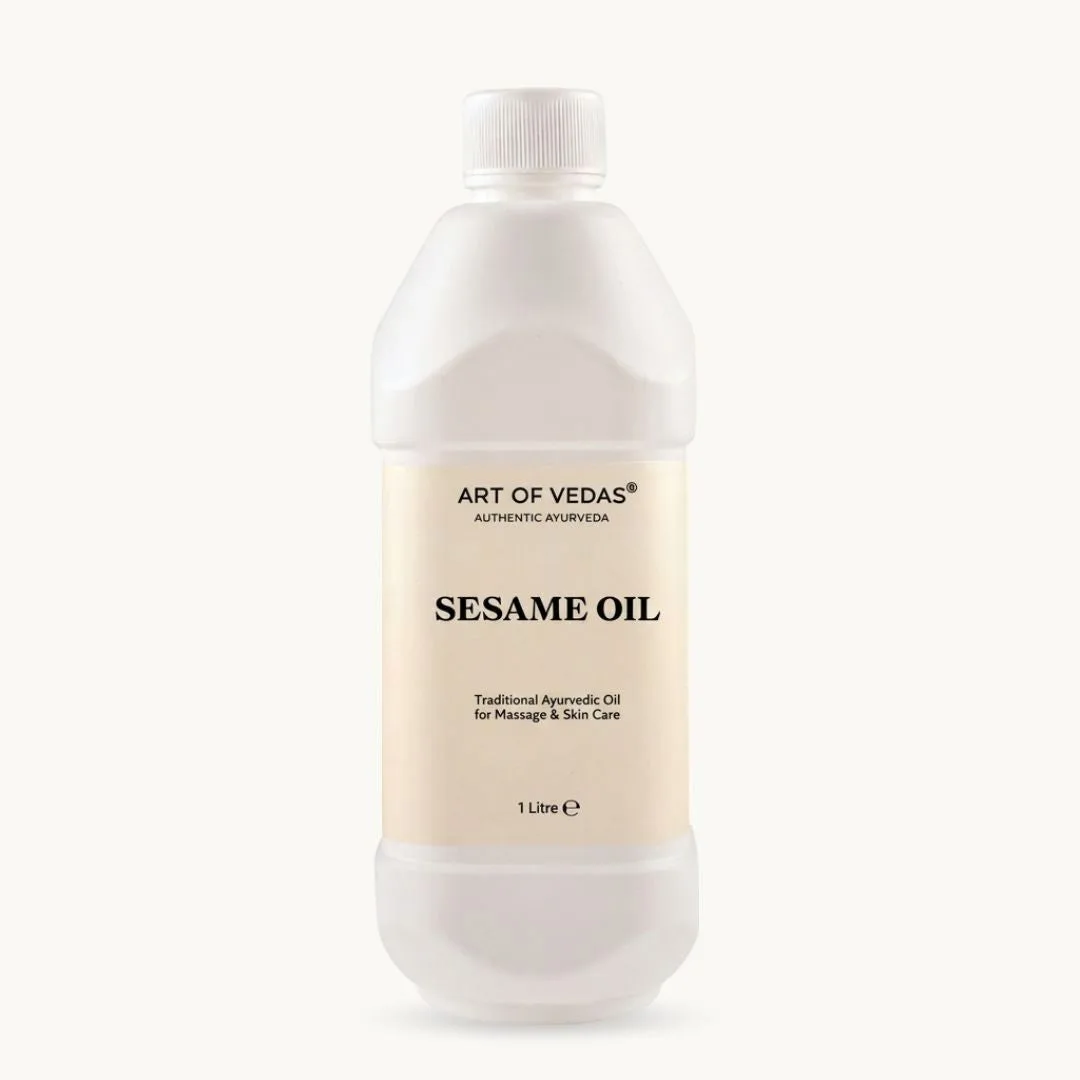
The oils used in classical practice for pregnancy and postnatal care are mild, warming, and Vata-pacifying. Sesame oil, plain or as the base for classical Vata preparations, is the most consistently described oil for pregnancy Abhyanga in the texts. The pressure used is gentle - the texts specify Mrudu (soft) as the quality of touch for pregnancy massage. Deep pressure is not appropriate during pregnancy.
Postnatal Recovery: The Classical Sutika Protocol
The postnatal period - called Sutikakala in Sanskrit - receives extensive attention in the classical texts because it is understood as a period of significant Vata disturbance. The Ashtanga Hridayam Sharirasthana describes delivery as inherently Vata-aggravating: the downward movement and physical effort of labour depletes Apana Vata and disturbs Vata throughout the system. The classical postnatal period of forty to forty-five days (corresponding roughly to the modern "fourth trimester" concept) is therefore a period specifically dedicated to Vata restoration through warmth, nourishment, rest, and specific preparations.
The classical principle is clear: the mother who receives proper Sutika care restores her tissues, vitality, and Ojas fully. The mother who does not - who returns too quickly to activity and cold food and neglects nourishment - accumulates Vata that can manifest as joint problems, hair loss, dry skin, fatigue, and poor milk production in the months following.
Dhanwantharam Thailam in postnatal care
The use of Dhanwantharam Thailam in postnatal Abhyanga is one of its most classical and specific applications. Sahasrayogam and Ashtanga Hridayam both describe Dhanwantharam Thailam as the primary oil for postnatal Vata restoration. The classical protocol involves full-body warm oil massage daily for the first fourteen to forty days post-delivery, applied by a trained attendant. In traditional practice, this is the role of the Marakkudi (postnatal care attendant) who performs the daily oil massage and monitors the mother's recovery.
In modern European practice, where professional postnatal oil massage is less accessible, daily self-Abhyanga or partner massage with Dhanwantharam Thailam is a practical adaptation of this classical protocol. Even a brief daily application - twenty minutes of warm oil massage to the back, abdomen, and limbs - provides significant Vata-calming and tissue-nourishing benefit that is consistent with the classical intention.
Dietary protocol for the postnatal period
The classical Sutika diet is warm, soft, and specifically Vata-pacifying: soups with ghee and warming spices, rice preparations, sesame, and moderate quantities of easily digestible protein. Cold, raw, and dry food are specifically contraindicated for the full forty-five day Sutika period. The Charaka Samhita Sharirasthana is specific that the postnatal diet should be lighter and more digestible than the normal diet, as the digestive system is recovering from the effort of pregnancy and delivery and its Agni needs time to re-establish.
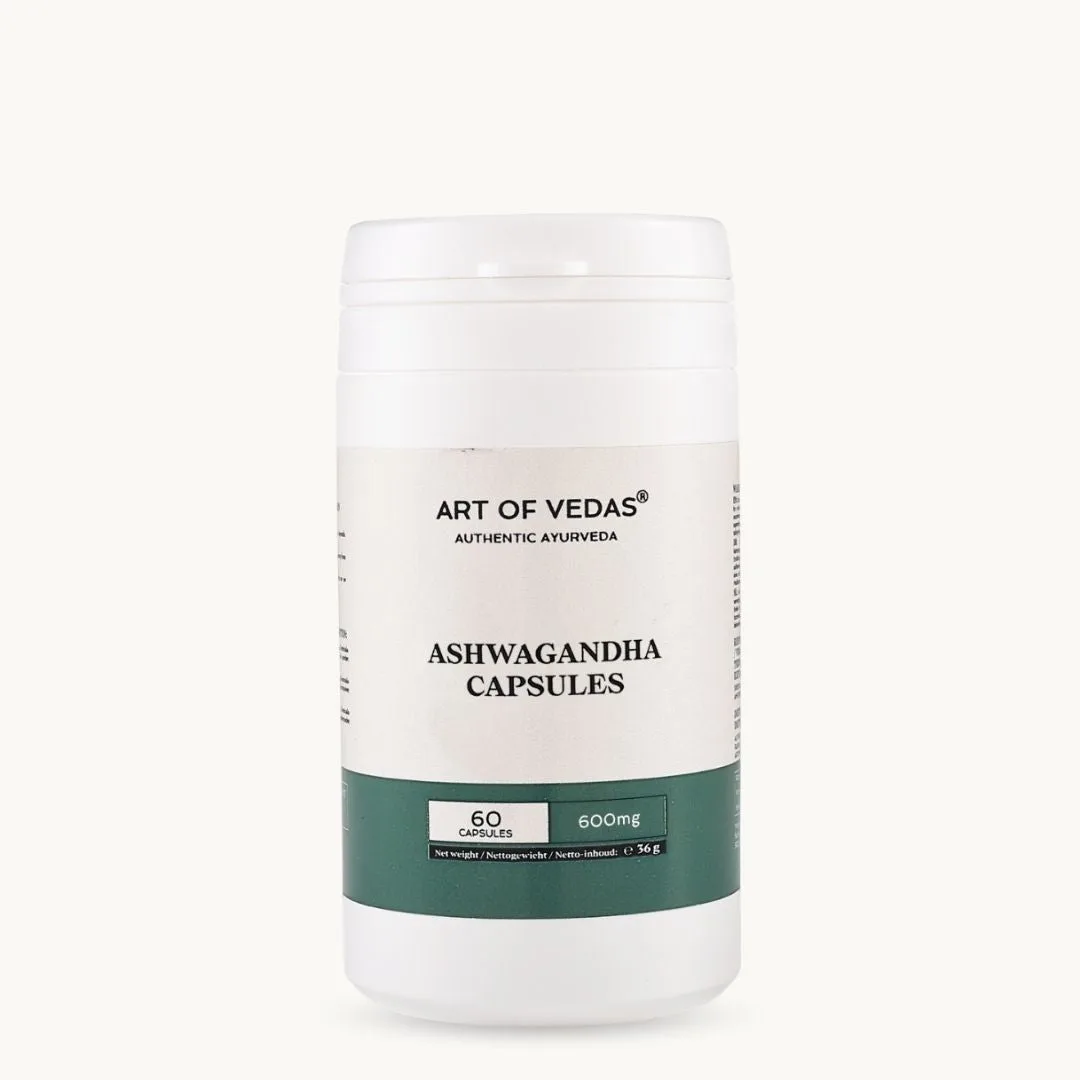
Shatavari in warm water is the classical Galactagogue (milk production support) preparation. The Ashtanga Hridayam describes it as specifically supporting milk production and quality. Ashwagandha preparations are used in the later postnatal period, particularly if the depletion aspect is significant, to restore Bala (strength) and Mamsa Dhatu. See the Art of Vedas supplements collection for available preparations, and consult with a healthcare provider before using any supplement while breastfeeding.
Bala Thailam for the Postnatal Period
Bala Thailam is the second classical oil most specifically indicated for postnatal Vata restoration, alongside Dhanwantharam Thailam. Bala root (Sida cordifolia) is classified as a primary Vata tonic and Mamsa Dhatu builder in all the major classical texts. Its application in postnatal Abhyanga specifically targets the muscular weakness and Mamsa depletion that follows the physical effort of pregnancy and delivery. See the Bala Thailam guide for detailed usage guidance.
For practitioners working with postnatal clients, the Shop Ayurveda EU wholesale platform provides professional access to the classical oils and preparations described in this guide at appropriate volumes for clinical practice.
Frequently Asked Questions
Is oil massage safe throughout pregnancy?
Gentle self-massage with warm oil is described as beneficial in the classical texts throughout pregnancy, with appropriate adaptations for each trimester. Deep pressure massage, massage of specific points (marma points) that have classical contraindications in pregnancy, and vigorous techniques are not appropriate. Always discuss any new practice with your midwife or obstetrician. Many midwives and obstetric physiotherapists are familiar with the benefits of gentle warm oil self-massage for skin elasticity, back comfort, and relaxation during pregnancy.
Which oils should be avoided during pregnancy?
The classical texts recommend mild Vata-pacifying oils for pregnancy. Strong, pungent, or heavily medicated oils are not recommended without practitioner guidance. Essential oils with known uterine-stimulating properties (sage, thyme, rosemary in concentration, cinnamon) are generally avoided. Plain sesame oil or Dhanwantharam Thailam in gentle self-massage are the classical standard. Confirm with your healthcare provider before using any medicated preparation during pregnancy.
When can postnatal Abhyanga begin after delivery?
The classical texts describe postnatal Abhyanga beginning in the first few days after delivery in traditional practice. In modern hospital settings, beginning a gentle self-massage routine once home and comfortable - typically from day three to seven post-delivery depending on the type of delivery and recovery - is a reasonable adaptation. For caesarean deliveries, the abdominal incision site must be fully healed before any massage to that area. Your midwife's guidance on timing is most relevant to your individual situation.
How long should the postnatal recovery protocol be followed?
The classical Sutika period is forty to forty-five days, during which the Vata-pacifying diet and oil protocol are maintained. After this period, the mother's Agni and Dhatus have typically recovered sufficiently to return to a more normal diet and routine. The Rasayana supplementation - Shatavari and Ashwagandha where appropriate - is often continued for several months beyond this period, particularly if breastfeeding continues, as lactation places continued nutritional demands on the mother's system.
Explore more in this series