All products mentioned are food supplements for general wellbeing support. This content is educational and not intended to diagnose, treat, cure or prevent any disease. This product is a food supplement and not intended to diagnose, treat, cure or prevent any disease.
Immunity in Ayurveda: The Classical Concept of Vyadhikshamatva and How to Build Ojas
The concept of immunity is not absent from classical Ayurveda - it is simply described with a precision and scope that modern immunology is only beginning to approach. The Sanskrit term is Vyadhikshamatva, which translates approximately as the capacity of the body to resist disease. The Charaka Samhita Sutrasthana Chapter 28 discusses this concept in detail, describing it as having two components: Vyadhibalavirodhitvam (the power to oppose an incoming pathogen or disease force) and Vyadhyutpadaparibandhakatvam (the power to prevent the full manifestation of disease once it has begun). Together, these describe not just resistance to pathogens but the deeper constitutional resilience that determines why two people in the same environment experience the same illness very differently.
This guide explains the Ayurvedic model of immunity, the central role of Ojas as the substrate of Vyadhikshamatva, and the classical herbs and formulations - all available from Art of Vedas - that have been used for centuries to support this fundamental capacity of the body.
Ojas: The Foundation of Immunity in Classical Ayurveda
The concept that most precisely corresponds to immune vitality in Ayurveda is Ojas. The Ashtanga Hridayam describes Ojas as the essence of all seven Dhatus (bodily tissues) - the final, most refined product of complete and healthy tissue formation. Charaka Samhita Chikitsasthana Chapter 1 describes it as the substrate of life itself, residing primarily in the heart and sustaining the vitality of the entire organism.
Ojas is both a substance and a state. In its material dimension, it is the concentrated essence of well-nourished, well-metabolised bodily tissues. In its functional dimension, it provides what the classical texts describe as Bala (strength), immunity, contentment, clarity of perception, and the natural radiance that accompanies good health. When Ojas is abundant, the body's natural resistance to external challenges is high. When it is depleted, through illness, exhaustion, excessive physical exertion, emotional grief, poor nutrition, or overindulgence, the person becomes susceptible to whatever environmental challenges their constitution is least equipped to handle.
This is a fundamentally different model from the modern view of immunity as an on-off defence against pathogens. In the Ayurvedic model, immunity is the expression of overall vitality and tissue health - which is why the Rasayana branch of Ayurveda (the branch dedicated to rejuvenation and longevity) is also, essentially, the branch dedicated to immunity. The two cannot be separated.
What Depletes Ojas
Understanding what depletes Ojas is as important as knowing how to build it. The Ashtanga Hridayam lists the primary causes of Ojas depletion: excessive physical exertion (especially without adequate recovery), grief and emotional distress, fasting and nutritional deficiency, excessive sexual activity (specifically described in relation to the Shukra Dhatu - reproductive tissue - from which Ojas is partly derived), very dry or poor quality food, suppression of natural urges, and chronic illness.
The modern parallels are clear: chronic sleep deprivation, sustained psychological stress, processed food diets lacking in nutritional quality, overtraining in athletes, and the cycle of recurrent illness that follows a period of intense stress are all Ojas-depleting in classical terms. The classical approach to building immunity therefore begins with reducing these depleting factors, not with adding supplements on top of a depleting lifestyle.
The Rasayana Herbs: Classical Immunity Support
The Rasayana branch of Ayurveda is dedicated specifically to the replenishment of Ojas and the maintenance of Vyadhikshamatva. Charaka Samhita Rasayana Adhyaya (the Rasayana chapter, Chikitsasthana Chapter 1) lists the primary Rasayana herbs and their specific actions on the Dhatus and Ojas. For the complete context of Rasayana, see the Rasayana guide.
Guduchi (Tinospora cordifolia)
Guduchi is one of the few herbs described in Charaka Samhita as Tridoshic Rasayana - a herb that builds Ojas without aggravating any of the three doshas. It is classified as Tikta (bitter) and Kashaya (astringent) in primary taste, with Madhura (sweet) Vipaka and Ushna (warming) Virya. The Sanskrit name Guduchi means "one that protects the body" and Amrita means "divine nectar" - both names reflecting its classical status as a primary protective herb. For more on Guduchi, see the Guduchi deep guide.
Ashwagandha (Withania somnifera)
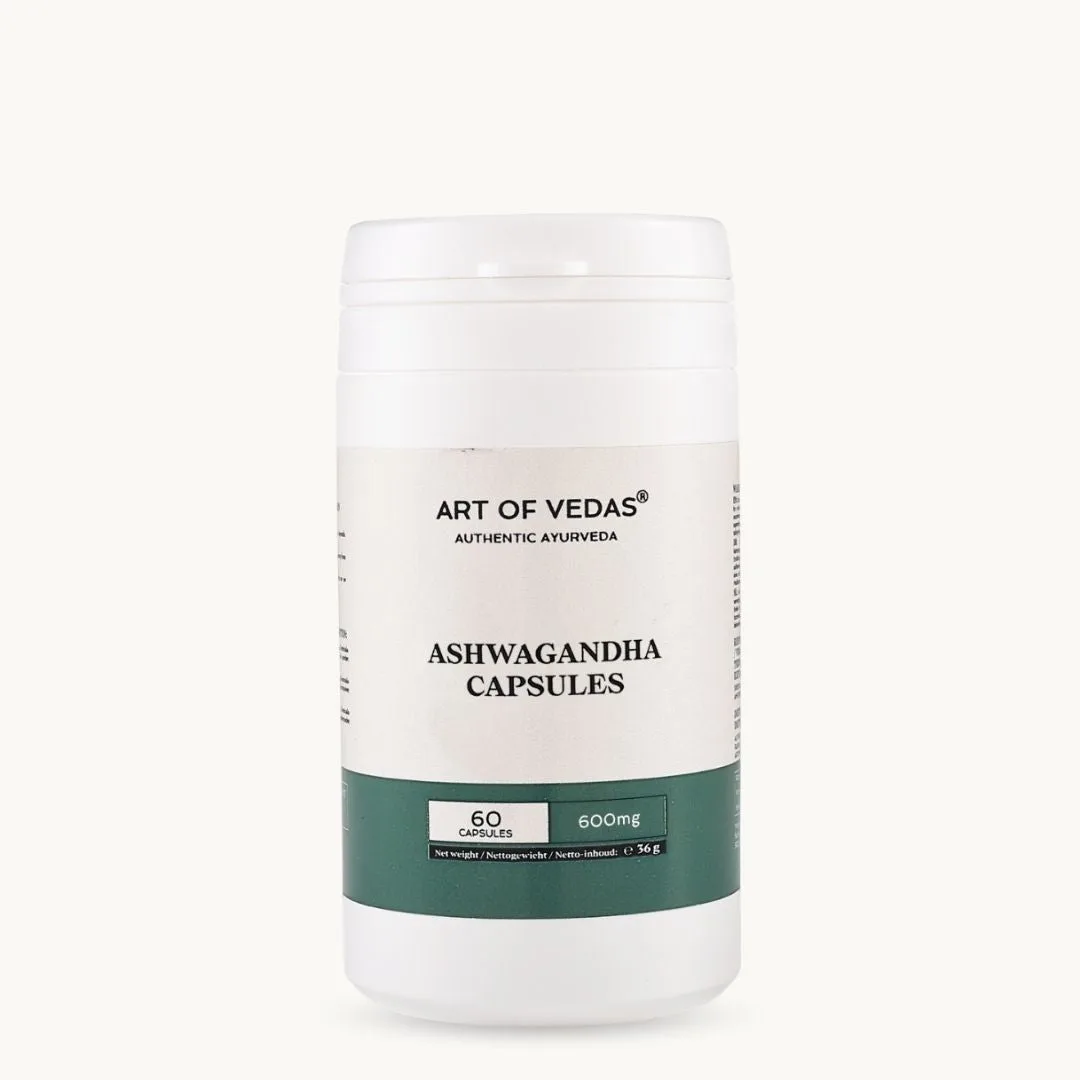
Ashwagandha is the primary Vata Rasayana in the classical Materia Medica. Its action on the nervous system, adrenal function, and muscle tissue makes it specifically relevant for the immunity depletion that follows chronic stress. Charaka Samhita Chikitsasthana describes it as building Mamsa Dhatu (muscle) and Shukra Dhatu (reproductive tissue), both of which contribute to Ojas. It is also classified as a Medhya Rasayana - a herb supporting mental clarity and nervous system function. See the Ashwagandha capsules guide for practical usage guidance. The Art of Vedas supplements collection includes Ashwagandha preparations in classical dosage forms.
Amalaki (Emblica officinalis)
Amalaki is described in the Charaka Samhita as the single most important Rasayana fruit. It is classified as having five of the six tastes (all except salty), which is considered exceptional in classical pharmacology. Its specific action includes nourishing all seven Dhatus, supporting Agni without aggravating Pitta, and building Ojas through its role in healthy tissue formation. It is one of the three fruits of Triphala and can be taken as a standalone Rasayana in churna (powder) form. For the complete Triphala formulation context, see the Triphala guide.
Chyavanprash
Chyavanprash is the classical Ayurvedic formulation for Ojas building par excellence. The Charaka Samhita Chikitsasthana dedicates a specific chapter to this formula, describing it as the most effective single preparation for building Ojas, enhancing Vyadhikshamatva, strengthening all seven Dhatus, and maintaining vitality and reproductive capacity. The formula contains Amalaki as its primary ingredient, combined with a complex of 35 to 50 herbs, ghee, honey, and sesame oil. It is traditionally taken morning and evening in warm water. The Chyavanprash guide covers the complete formulation, history, and usage protocol in detail.
Shatavari (Asparagus racemosus)
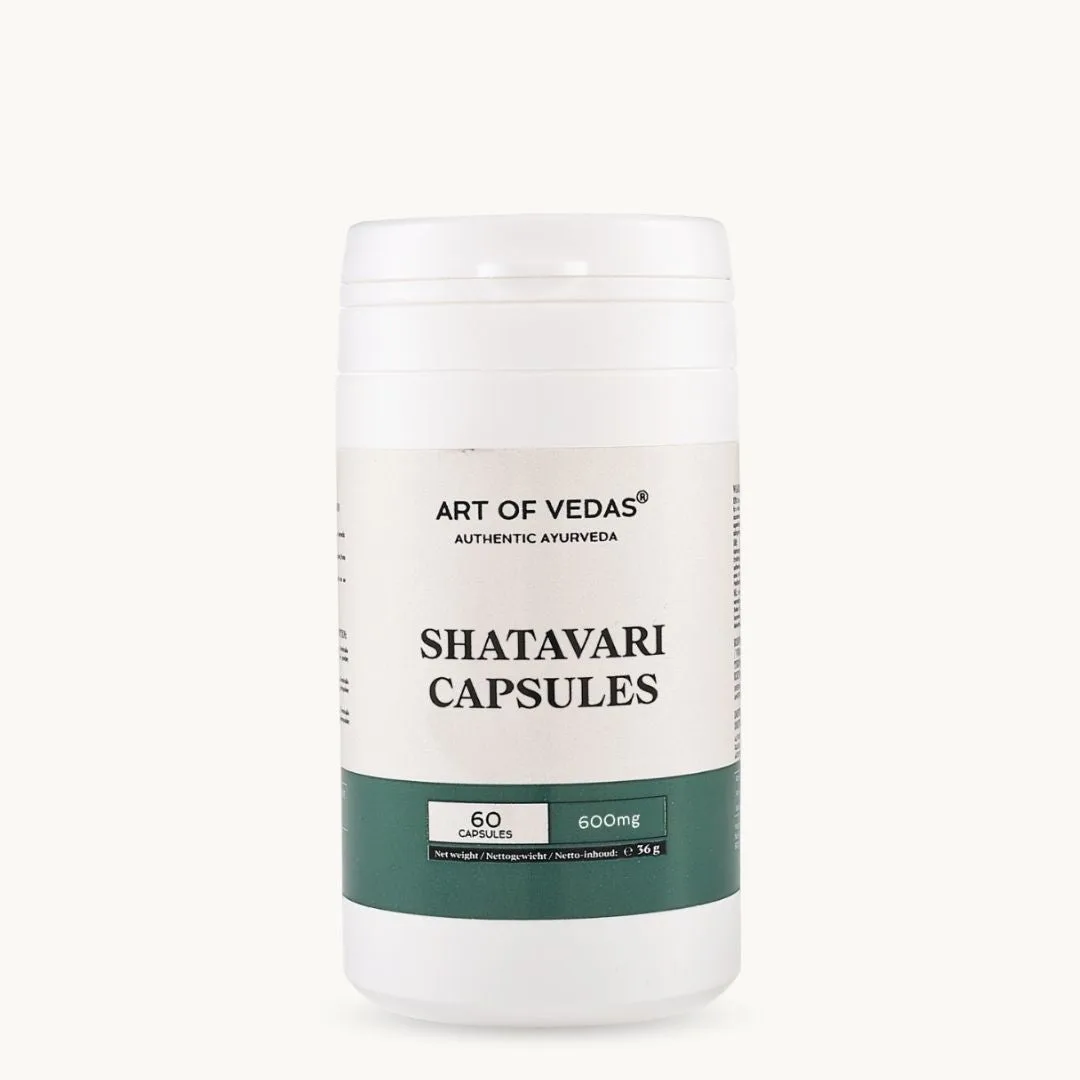
Shatavari is the primary Pitta and female Rasayana herb. Its specific action on the reproductive system and its nourishing, cooling Ojas-building properties make it the first choice for immune support in women, particularly those experiencing hormonal transitions, post-partum recovery, or the Ojas depletion that follows intense physical or emotional periods. The Shatavari guide covers this herb in full.
The Role of Agni in Immunity
The connection between digestive fire (Agni) and immunity is one of the most clinically important relationships in classical Ayurveda. Charaka Samhita is explicit: if Agni is strong, the seven Dhatus are well-formed from their nutritional inputs, and Ojas is the natural result. If Agni is weak, the Dhatus are poorly formed, Ama (undigested metabolic residue) accumulates in the channels, and Ojas is reduced regardless of how nutritious the food being eaten may be.
This is why the Ayurvedic approach to immunity always includes attention to digestion. A person eating the best food available with compromised Agni will build less Ojas than a person eating simpler food with strong, consistent digestive function. Supporting Agni - through consistent meal timing, warm and easily digestible food, digestive herbs like ginger and Trikatu, and avoiding the main Agni suppressor (overeating, cold food, irregular eating) - is therefore an immune-supporting practice as much as a digestive one.
Seasonal Immunity and Ritucharya
Ayurveda's seasonal protocol (Ritucharya) includes specific guidance on building immunity at the transitions between seasons, when the body is most vulnerable to environmental change. The Charaka Samhita Sutrasthana Chapter 6 describes the late summer period (Sharad in Sanskrit, roughly September to October in temperate climates) as a particular vulnerability window, when the body transitions from the heat of summer and Pitta is elevated. This is when the Rasayana program is most valuably intensified.
Spring is the second immunity transition, when accumulated winter Kapha is released and needs to be cleared to prevent it from becoming a substrate for seasonal illnesses. The spring Kapha clearing protocol (vigorous exercise, light diet, warming herbs) described in the Kapha guide is therefore also an immunity-supporting seasonal practice.
Practical Daily Immunity Protocol
Based on the classical guidelines, a practical daily immunity-supporting protocol combines dietary consistency, Rasayana herbs, digestive support, and adequate rest. Art of Vedas recommends the following as a starting framework:
Morning: Consistent wake time, warm water with ginger and lemon to stimulate Agni. Chyavanprash in warm water (the classical morning Rasayana). Moderate physical activity. Meals: Three meals at consistent times, warm and freshly cooked, with mild spices that support Agni. Avoid cold beverages, excessive raw food, and eating between meals. Evening: Ashwagandha capsules with warm water if stress and nervous system depletion are present. Abhyanga with Dhanwantharam Thailam two or three times per week to maintain Mamsa and Ojas. Consistent sleep before 10pm. See the Ayurvedic morning routine guide for the full Dinacharya context.
Frequently Asked Questions
Is there a difference between Bala and Vyadhikshamatva?
Bala means strength in a broad sense, encompassing physical strength, vitality, and the capacity to withstand effort and stress. Vyadhikshamatva is specifically the disease-resisting aspect of that strength. The classical texts treat them as related but distinct concepts. Building Bala through exercise, adequate nutrition, and Rasayana herbs also builds Vyadhikshamatva, but the Rasayana herbs specifically targeted at Ojas - particularly Chyavanprash and Guduchi - are the most direct approach to Vyadhikshamatva specifically.
Can children take the Rasayana preparations described here?
Chyavanprash is specifically described in the Charaka Samhita as appropriate for children from a young age, which is consistent with its traditional use as a family preparation across India. Ashwagandha and other Rasayana herbs in adult supplement dosages are generally not recommended for children without practitioner guidance, as the classical dosage for children differs from adult dosage. Consult a qualified Ayurvedic practitioner for guidance on age-appropriate Rasayana protocols for children.
How long does it take to rebuild Ojas after a period of illness or exhaustion?
The classical texts describe Dhatu formation as occurring in a progressive seven-stage sequence, with each Dhatu being nourished in turn. The formation of Ojas, as the essence of all seven Dhatus, is therefore the most downstream and slowest aspect of tissue recovery. The Charaka Samhita's traditional timeframe for complete Dhatu renewal is approximately one month per Dhatu when nutrition and Agni are optimal - suggesting that complete Ojas rebuilding after significant depletion requires several months of sustained Rasayana practice. Minor depletion recovers more quickly with consistent diet, rest, and supplementation.
What is the difference between taking one Rasayana herb versus a complex formula like Chyavanprash?
Both approaches have value. Single herbs like Ashwagandha or Guduchi are appropriate when a specific Rasayana action is needed - nervous system support from Ashwagandha, or broad-spectrum Tridoshic support from Guduchi. Complex formulas like Chyavanprash are described in the classical texts as synergistic - the interaction of multiple herbs in a specific medium (ghee, honey, sesame) produces a combined action greater than any individual herb alone. For general Ojas building and daily immune support, Chyavanprash is the classical first choice. For specific presentations, targeted single herbs are more appropriate.