This article is part of our Ayurvedic Hair Care: The Classical Guide to Shiro Abhyanga and Hair Oils guide series.
In classical Ayurvedic anatomy, hair (Kesha) is an Upadhatu - a sub-tissue - of Asthi Dhatu (bone tissue). This classification is clinically significant: it means that hair health, in the Ayurvedic model, is a downstream indicator of bone tissue quality and, by extension, of the entire Dhatu transformation chain. When the Dhatu chain is well-nourished and Agni is functioning efficiently, hair receives adequate nourishment through the metabolic by-products of Asthi formation. When the chain is disrupted - particularly through Vata aggravation, which has an inverse relationship with Asthi Dhatu - hair quality declines.
This tissue-level understanding shifts the Ayurvedic hair care approach from purely topical treatment toward a combination of external nourishment (oil, herbal application) and internal support (diet, Rasayana, Dosha management).
Hair and the Doshas
Vata Hair
Vata hair reflects Vata's qualities: dry, thin, rough, and prone to frizz. It tangles easily, tends toward split ends, and may be naturally curly or wavy (reflecting Vata's mobile quality). Vata hair concerns include dryness, brittleness, breakage, thinning, and premature greying when Vata severely depletes Asthi Dhatu.
Priority: Deep nourishment and moisture. Heavy oil application, warm sesame-based herbal oils, regular oiling with extended soak time, and protection from wind and cold.
Pitta Hair
Pitta hair reflects Pitta's fire: fine to medium thickness, straight, naturally soft, and with warm tones (reddish, auburn, light brown). Pitta hair concerns centre on heat damage - premature greying is the signature Pitta hair issue (the fire "burns" the pigment), along with scalp sensitivity, heat-related thinning, and early recession.
Priority: Cooling and protecting. Coconut oil as the base, cooling herbal formulations, protection from sun and heat styling, and internal Pitta management to reduce the systemic heat that affects the scalp.
Kapha Hair
Kapha hair reflects Kapha's substance: thick, dense, lustrous, wavy, and naturally well-oiled. Kapha hair is the most resilient type - it holds its condition longer and ages more slowly. Kapha hair concerns are typically excess: oiliness, heaviness, slow growth, and a tendency toward scalp congestion.
Priority: Stimulation and lightening. Lighter oils (not heavy sesame), herbal hair rinses, scalp massage with stimulating technique, and reduced frequency of oiling (Kapha scalp produces sufficient oil naturally).
The Classical Head Oiling Practice (Shirobhyanga)
Head oiling is one of the most emphasised practices in Dinacharya - classical texts describe it as preventing hair loss, premature greying, headache, and supporting the quality of all the sense organs housed in the head. The practice:
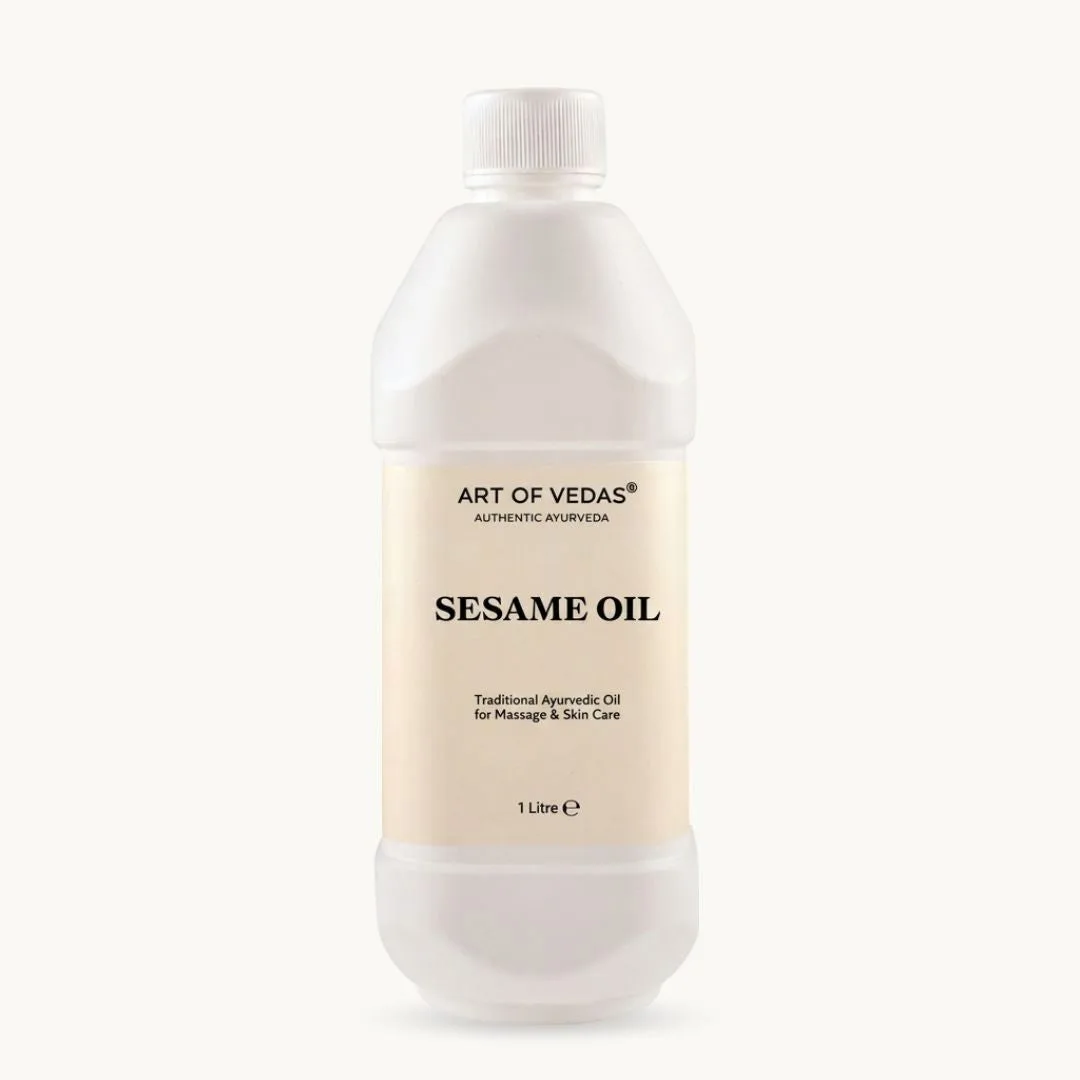
Oil selection: Neelibhringadi Thailam is the premier classical hair oil - a multi-herb formulation with Bhringaraja (the "king of hair herbs"), Neeli (indigo), Amalaki, and other Keshya (hair-supportive) herbs in a coconut or sesame base. For general maintenance, plain sesame (Vata) or coconut (Pitta) oil provides solid daily support.
Technique: Warm the oil slightly. Apply to the scalp with fingertips, working in small circular motions from the crown outward. Massage the scalp for 5-10 minutes - the massage is as important as the oil, stimulating blood flow to the hair follicles. Work excess oil through the hair lengths for conditioning. Leave for a minimum of 30 minutes (overnight is ideal for deep nourishment).
Frequency: Daily if practical (even a brief application to the crown is better than skipping). At minimum, weekly deep oiling with extended soak time.
Washing: Herbal cleansers (Shikakai, Reetha) are the classical choice - they clean without the harsh stripping of modern sulfate shampoos. If using shampoo, choose mild, sulfate-free formulations and apply only to the roots.
Internal Support for Hair Health
Because hair is an Asthi Dhatu Upadhatu, internal factors matter significantly:
Dietary: Adequate calcium, minerals, and healthy fats support Asthi Dhatu. Sesame seeds (a rich source of calcium and the origin of sesame oil), dairy, leafy greens, and mineral-rich foods nourish the tissue chain that feeds hair roots.
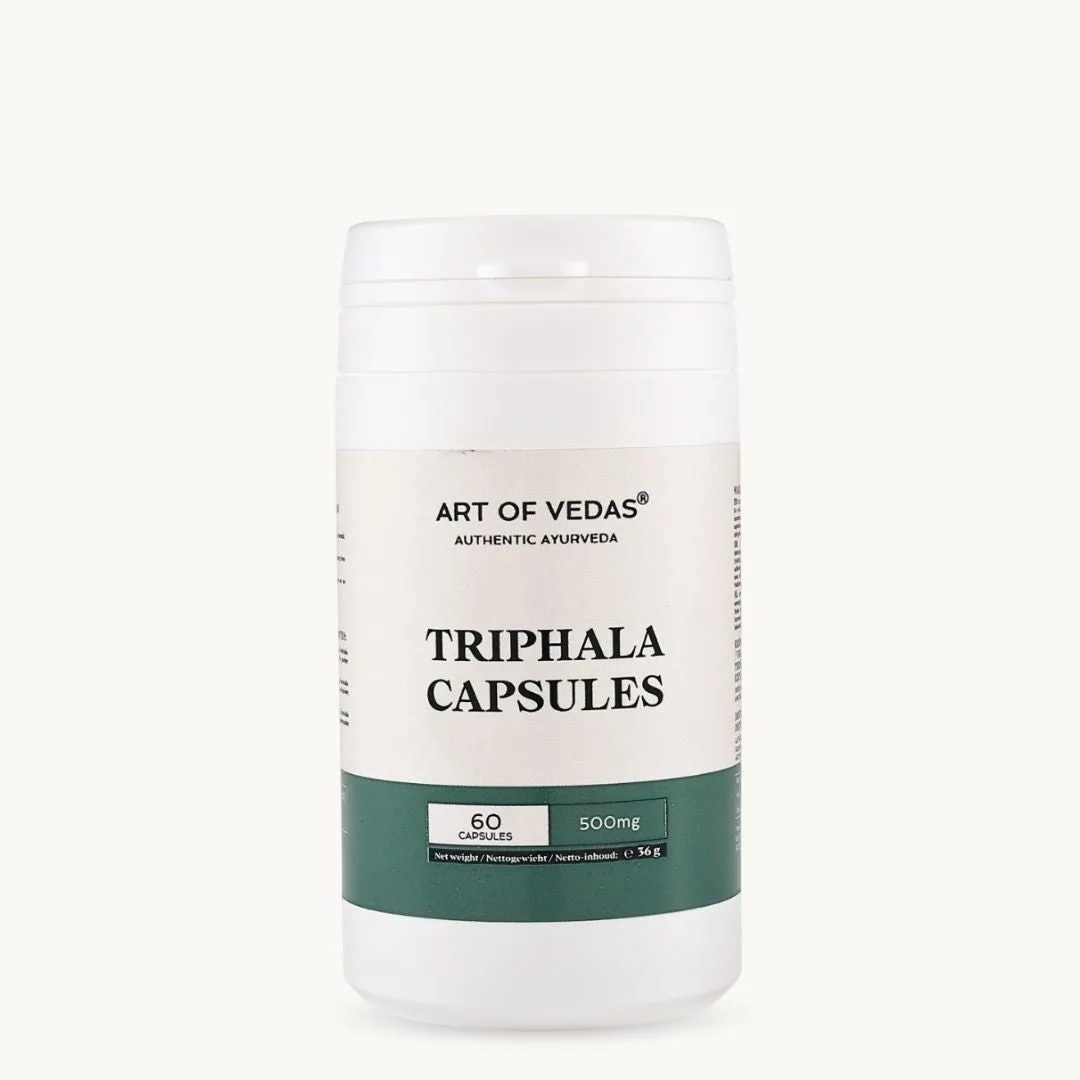
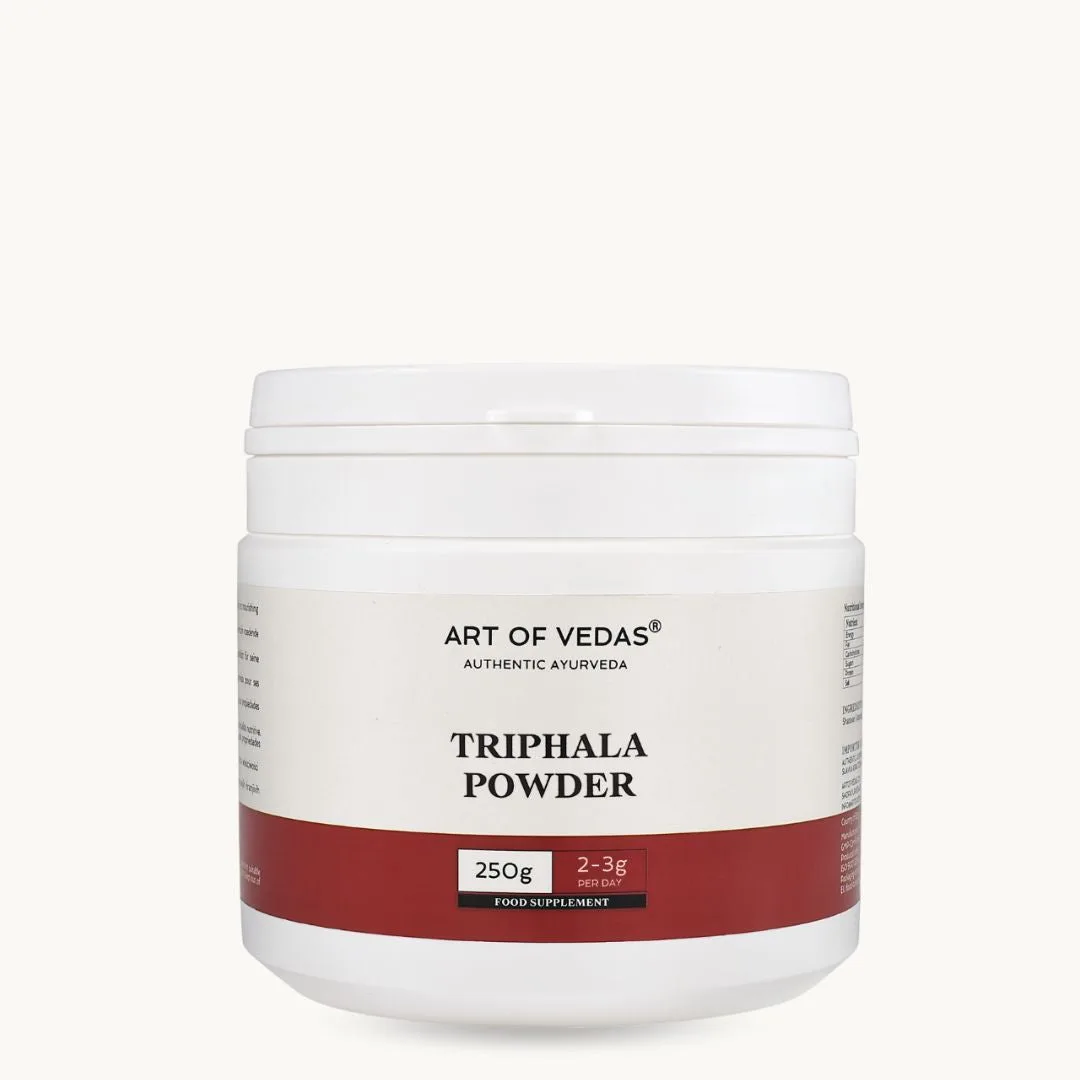
Rasayana: Amalaki (the primary fruit in Triphala and Chyavanprash) is specifically classified as Keshya - hair-supportive. Its Rakta Dhatu and Asthi Dhatu nourishing properties make it the internal Rasayana most directly connected to hair quality.
Nasya: Nasya (nasal oiling) may seem unrelated to hair, but classical texts describe it as nourishing the head region through the nasal passages - supporting the same tissues that produce and maintain hair.
The Patience Principle
Hair grows slowly - approximately 1 cm per month. Any Ayurvedic hair care approach requires months of consistent practice before visible results appear. The classical expectation is not dramatic transformation but gradual, steady improvement in texture, strength, lustre, and growth rate as the Dhatu chain is progressively nourished.
For a hair care programme matched to your Dosha type and specific concerns, an Ayurvedic consultation provides the clinical precision that identifies whether your hair concerns reflect constitutional tendencies, current Dosha imbalance, or dietary insufficiency - each requiring a different approach.
Classical Ayurvedic knowledge for educational purposes. Not medical advice.