The information in this article is provided for educational purposes and reflects traditional Ayurvedic knowledge. It is not intended as medical advice and should not replace consultation with a qualified healthcare professional.
In brief: Western medicine recognised menopause as a distinct physiological stage in the twentieth century. Classical Ayurveda called it Rajonivrutti - a natural Vata-Pitta transition - and built a complete framework around it two thousand years earlier. This guide covers the classical framework, the doshic dynamics underlying the most common experiences of this transition, and the specific herbs - particularly Shatavari - that classical texts describe for this stage of life.
Menopause and Ayurveda: The Classical System That Has Always Understood This Transition
Western medicine's engagement with menopause as a distinct physiological stage requiring specific clinical attention is relatively recent. The widespread medicalisation of menopause - with hormone replacement therapy and associated pharmaceutical interventions - developed primarily from the 1960s onward. The framing of menopause as a deficiency state requiring correction has been contested and revised multiple times since.
Classical Ayurveda described the equivalent transition under the term Rajonivrutti - literally "the cessation of Rajah" (menstrual flow) - and framed it entirely differently: not as a deficiency requiring correction but as a natural transition in a woman's life that carries its own doshic dynamics and requires specific support. The classical texts placed this transition in the context of the three major stages of life: Kapha predominance in youth, Pitta predominance in the middle years, and Vata predominance in the later stage of life that begins with Rajonivrutti.
This framework is more than a cultural framing difference. It has direct practical implications for how the transition is approached and what kind of support is appropriate.
Rajonivrutti: The Classical Framework
The Charaka Samhita and Ashtanga Hridayam both describe the later stage of life as a period of naturally increasing Vata. Vata's qualities - dry, light, mobile, cold, and rough - become more prominent in the body's tissues as the Pitta-predominant middle years transition into the Vata-predominant later stage. The cessation of menstruation marks this transition clearly in women.
The Ashtanga Hridayam describes the cessation of menstrual flow as occurring naturally around the age of fifty, and notes that this transition involves the gradual withdrawal of the reproductive tissues' primary function alongside a redistribution of the body's vital energies. The classical framework does not describe this as a loss - it describes it as a natural transition with specific characteristics that can be supported.
The doshic profile at Rajonivrutti is described as involving both Vata and Pitta, which is why the classical presentation of this transition can involve features of both doshas simultaneously. Vata's increasing prominence creates the dry, mobile, and light qualities that produce changes in skin and tissue moisture, joint comfort, nervous system sensitivity, and sleep patterns. The residual Pitta from the preceding stage of life - particularly if Pitta was chronically elevated during the middle years - creates the hot and intense features that many women experience as part of this transition.
The classical approach accordingly addresses both doshas - reducing excess Pitta while simultaneously nourishing and stabilising Vata. These two goals require different interventions that must be combined appropriately rather than simply applying the protocol for one dosha.
Vata Features of the Transition: The Drying Phase
As Vata increases with Rajonivrutti, its drying and depleting qualities affect the tissues throughout the body. The classical texts describe several presentations that correspond to well-recognised features of this life stage.
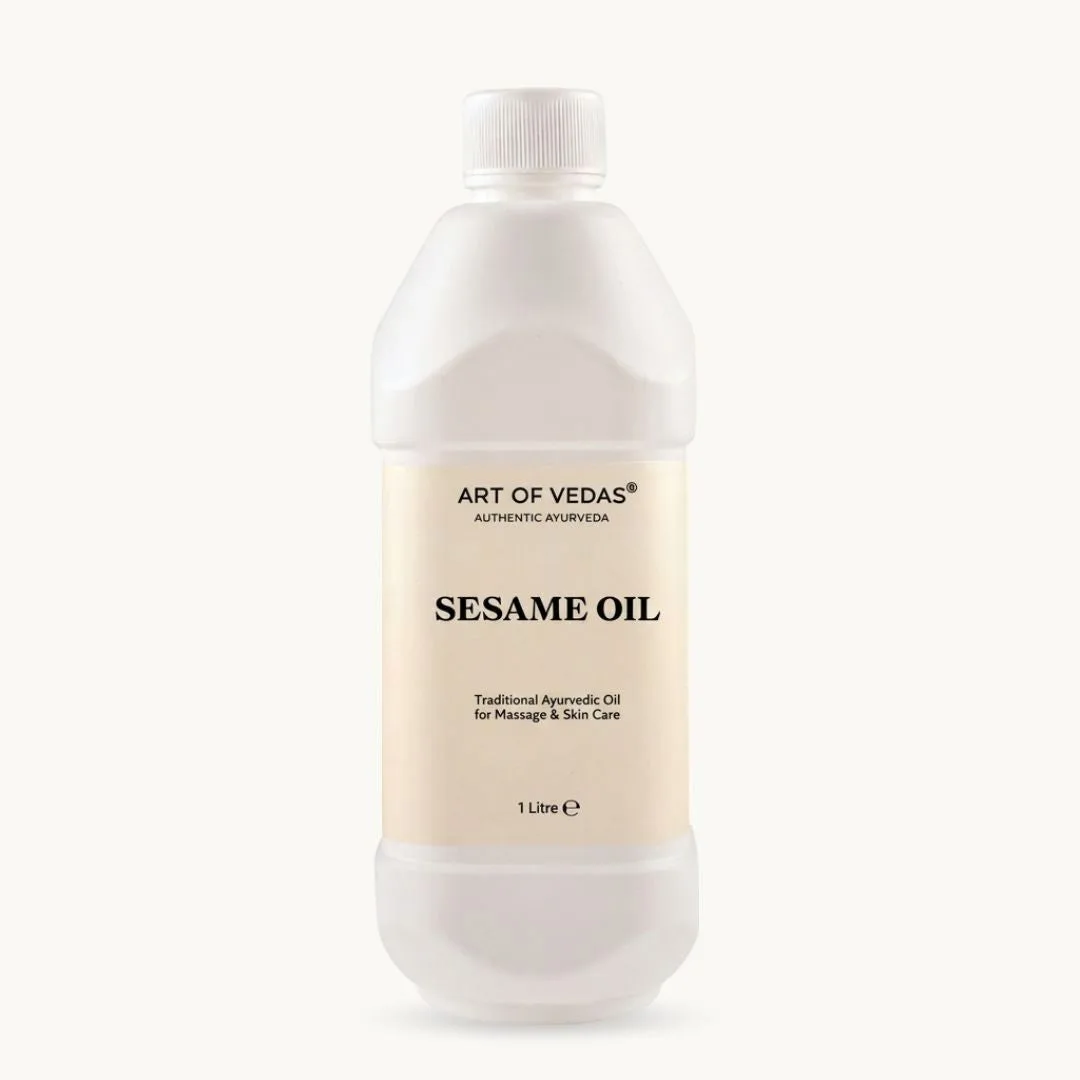
Dryness in the skin and mucous membranes is among the most common Vata-related presentations. The reduction in the body's natural Sneha (unctuousness) as Vata increases produces the skin changes, vaginal dryness, and reduced joint lubrication that are frequently described by women in this stage. The classical approach to this is Snehana - the internal and external application of appropriate oils. Daily Abhyanga with warm sesame oil or a classical Vata-balancing Thailam such as Bala Thailam addresses the external component. Internal Snehana through ghee and nourishing preparations addresses the deeper tissue component. See our guide to Abhyanga at home.
Disrupted sleep is described in classical texts as a characteristic feature of increased Vata in the later stage of life - the light, fragmented sleep pattern associated with excess Vata in the nervous system. The classical approach is grounding and stabilising Vata through consistent warm oil practice, nourishing food, and specific herbs. See our guide to sleep in Ayurveda.
Nervous system sensitivity and increased emotional variability are also described in the classical framework as features of elevated Vata. The mobile, dispersed quality of Vata affecting the nervous tissue produces a heightened sensitivity to stimulation and a reduced capacity for the kind of emotional steadiness that the Pitta-predominant middle years often support.
Pitta Features of the Transition: Heat and Intensity
The hot, flushing quality that many women experience as part of this transition corresponds to the Pitta component in the classical framework. The Ashtanga Hridayam describes this in terms of excess Pitta in the Rakta dhatu (blood tissue) generating heat that moves through the channels and rises to the surface - a description that maps closely to the vasomotor mechanism of hot flushes identified in modern physiology.
The classical approach to the Pitta component is cooling - Pitta-reducing foods (eliminating alcohol, very spicy and sour foods, excess fermented preparations), cooling oil applications (coconut oil has cooling potency in classical Ayurveda, contrasting with sesame's warming quality), and herbs that specifically cool and nourish the Rakta dhatu.
Brahmi's cooling Medhya properties are relevant to the combination of Vata-related nervous sensitivity and residual Pitta heat affecting the mental quality during this transition. See our guide to Brahmi.
Shatavari: The Classical Herb for Rajonivrutti
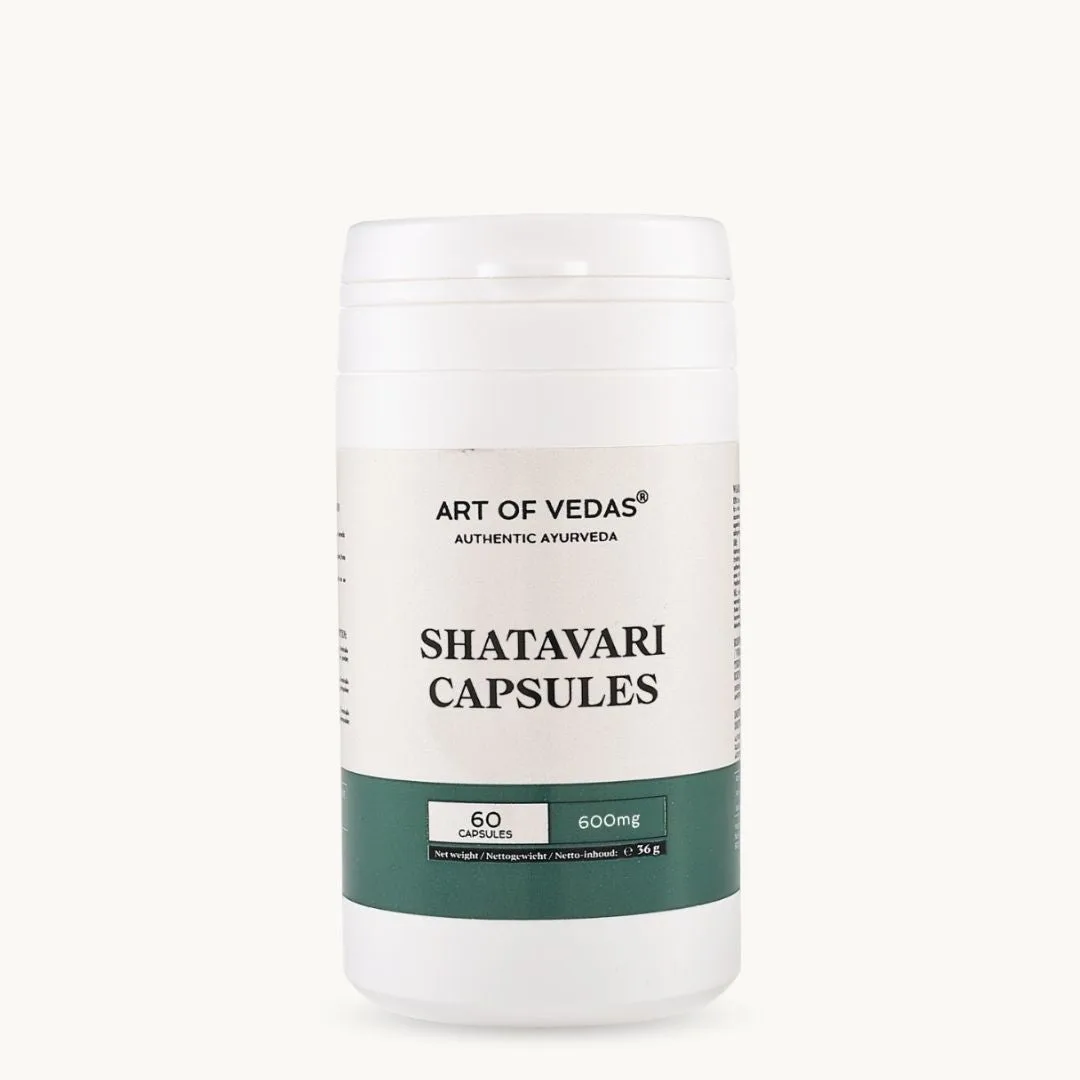
Shatavari (Asparagus racemosus) is the classical herb most specifically referenced in the context of women's health across all stages of life, including Rajonivrutti. Its name in Sanskrit means "she who possesses a hundred husbands" - a reference to the classical understanding of its deeply nourishing effect on the female reproductive system and its ability to support vitality through all stages.
The Charaka Samhita classifies Shatavari as a Rasayana with specific affinity for Rasa and Rakta dhatu - the first two tissue layers most directly involved in the body's fluid and nutritive qualities. Its cooling potency, sweet taste, and heavy, nourishing quality make it specifically relevant to the Vata-Pitta combination of Rajonivrutti: it both cools excess Pitta and nourishes the depleted Vata quality in the tissues.
The Ashtanga Hridayam's descriptions of Shatavari's action on the reproductive tissues, combined with its broader Rasayana properties for the entire body, make it the most complete single classical herb for the Rajonivrutti transition. Classical preparations include Shatavari churna (powder) in Shatavari Ghrita (Shatavari processed in ghee), and compound Rasayana preparations incorporating Shatavari alongside supporting herbs.
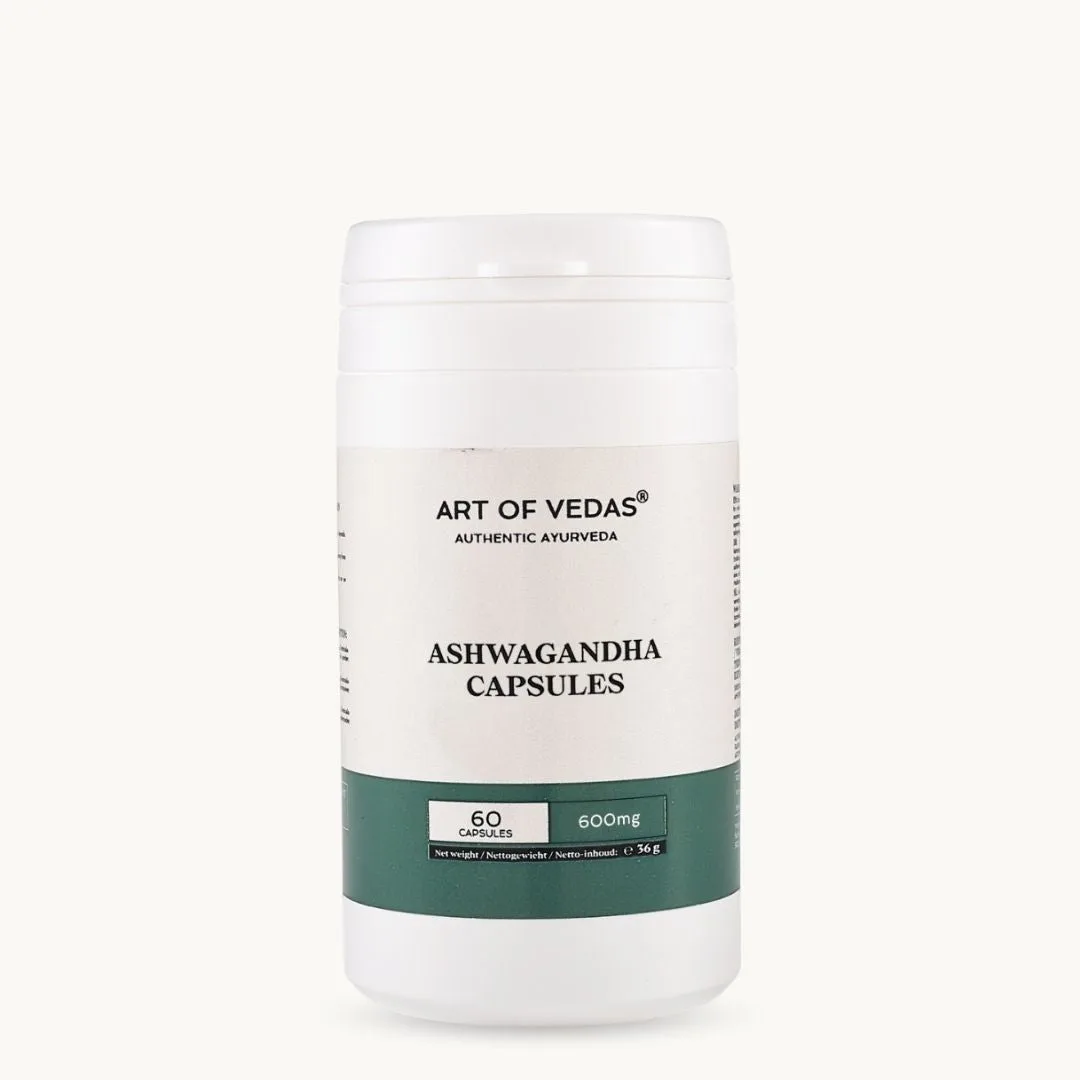
Ashwagandha complements Shatavari's cooling nourishment with its warming Vata-stabilising action - the two together address the dual Vata-Pitta dynamic of Rajonivrutti more completely than either alone. The classical combination of Shatavari and Ashwagandha appears in several Rasayana preparations in the Sahasrayogam and Bhaishajya Ratnavali. See our guides to Shatavari and Ashwagandha.
Browse the Art of Vedas supplements collection for Shatavari, Ashwagandha, Brahmi, and classical Rasayana preparations.
Lifestyle Practices for Rajonivrutti Support
The classical approach to supporting the Rajonivrutti transition extends well beyond herbs. The Charaka Samhita's guidance on the Vata stage of life places significant emphasis on lifestyle practices that protect and build Ojas - the vital essence whose gradual depletion underlies many of the features of this transition. See our guide to Ojas and vitality.
Consistent, nourishing, warm meals at regular times; adequate rest and sleep; Abhyanga as a daily practice; reduced exposure to Vata-aggravating factors (cold, wind, dry environments, excessive activity, irregular schedules); and the cultivation of emotional steadiness through practice are all described in classical texts as foundational to navigating the Rajonivrutti transition with resilience and wellbeing.
The classical texts are consistent in describing this transition not as a decline but as a passage into the Vata stage of life that, well-navigated, carries its own qualities: greater spaciousness, less Pitta-driven intensity, and the potential for the kind of deep nourishment and inner stability that Vata, when balanced, makes possible.
Frequently Asked Questions
What is Rajonivrutti in Ayurveda?
Rajonivrutti is the classical Ayurvedic term for the cessation of menstrual flow. The Charaka Samhita and Ashtanga Hridayam describe it as a natural transition marking the beginning of the Vata-predominant later stage of life - not a deficiency state but a natural passage with specific doshic dynamics, primarily increasing Vata and residual Pitta, that can be supported through appropriate herbs, diet, and lifestyle practices.
Which Ayurvedic herbs are best for menopause?
Shatavari is the classical herb most specifically referenced for Rajonivrutti. Its cooling potency and nourishing Rasayana properties address the dual Vata-Pitta dynamic - cooling the residual Pitta while nourishing the increasingly Vata-depleted tissues. Ashwagandha complements with warming Vata-stabilising action. Classical preparations combine both herbs in multiple formulas in the Sahasrayogam and Bhaishajya Ratnavali.
Why does Ayurveda connect menopause with Vata and Pitta?
Classical Ayurveda divides life into three doshic stages: Kapha in youth, Pitta in the middle years, Vata in the later stage. Rajonivrutti marks the transition from Pitta to Vata predominance. As Vata increases, dryness, disturbed sleep, and nervous sensitivity arise. Residual Pitta creates the hot, intense features. The classical approach addresses both simultaneously rather than treating each experience individually.
Is Shatavari safe to take during menopause?
Shatavari is a classical Rasayana with a long history of use across all stages of a woman's life and is generally considered well-tolerated in classical tradition. Those with specific health conditions, taking pharmaceutical medications, or with individual health concerns should consult a qualified healthcare professional before beginning supplementation. Classical guidance is for consistent use over months as a tissue-renewing Rasayana.
Explore Rajonivrutti Support at Art of Vedas
Browse our supplements collection for Shatavari, Ashwagandha, and classical Rasayana preparations. Related reading: Shatavari complete guide, classical Rasayana guide, fatigue and Ojas, and Abhyanga at home.
This product is a food supplement and not intended to diagnose, treat, cure or prevent any disease.