This article is part of our Ayurvedic Hair Care: The Classical Guide to Shiro Abhyanga and Hair Oils guide series.
Kansa Comb: Ayurvedic Hair Care and Scalp Ritual
In the Ayurvedic daily routine - Dinacharya as described in the Ashtanga Hridayam - the care of the hair and scalp occupies a specific and meaningful place. The classical texts recommend both oil application (Shiro Abhyanga) and combing as components of regular hair care, understanding the scalp as a site of important Marma points and the hair itself as a reflection of the deeper health of Bhrajaka Pitta, the Rasa Dhatu, and the Majja Dhatu.
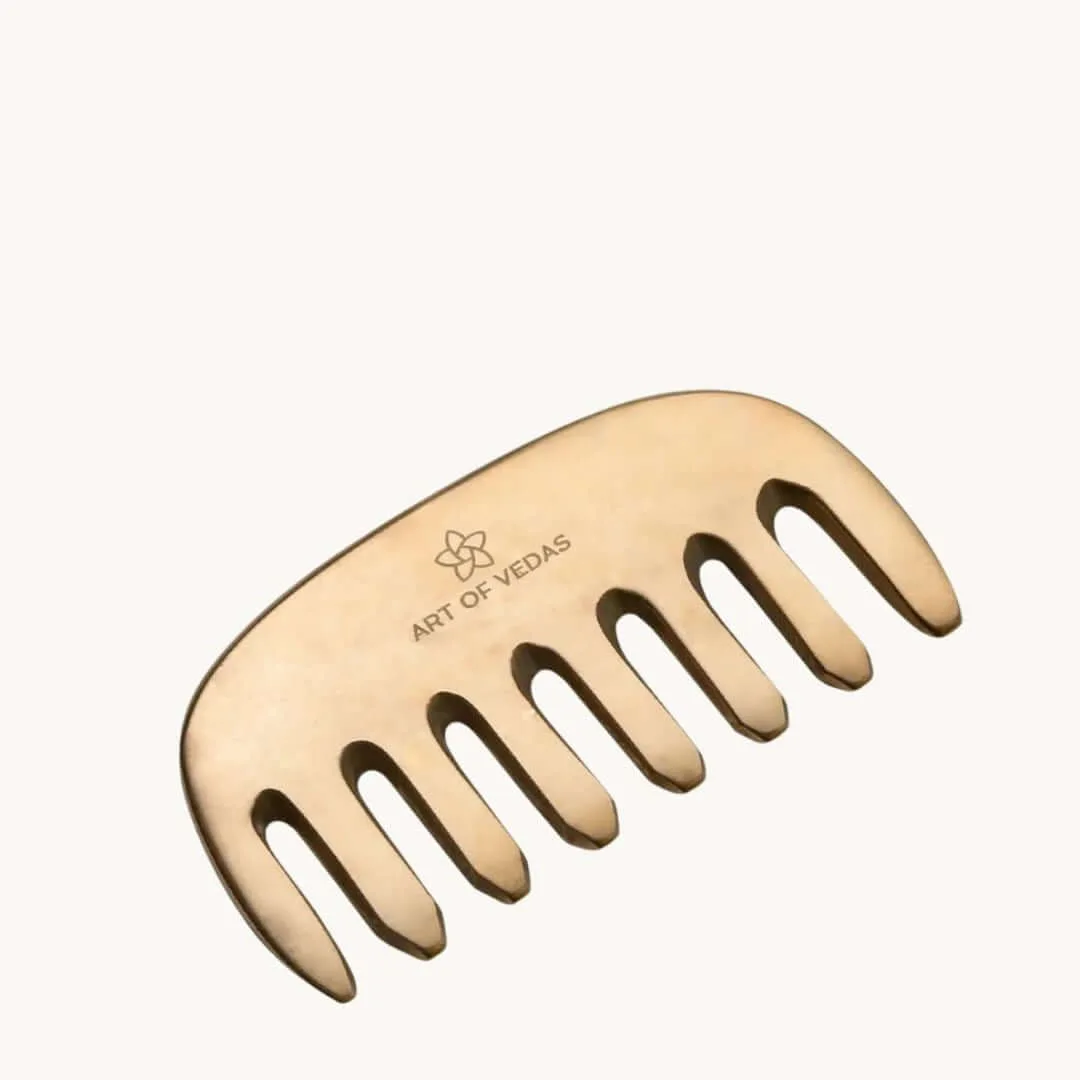
The Kansa comb brings together two classical principles: the regular practice of combing as part of Ayurvedic hair care, and the use of Kansa (bell metal) as a material with specific Pitta-cooling and scalp-beneficial properties. The result is a daily tool that serves both the practical purpose of combing and the ritual purpose of scalp stimulation through Kansa metal contact.
Hair and Scalp in Classical Ayurvedic Understanding
In classical Ayurveda, the hair (Kesha) is considered a by-product (Mala or Upadhatu) of the bone tissue - Asthi Dhatu. The health and quality of the hair therefore reflects the health of Asthi Dhatu, as well as the functioning of the Bhrajaka Pitta (the sub-type of Pitta residing in the skin and governing its lustre and complexion) and the nourishment of Rasa Dhatu reaching the scalp.
Several classical observations follow from this framework:
- Hair that is dry, brittle, or dull may indicate Vata excess affecting the Asthi Dhatu or Rasa Dhatu
- Scalp sensitivity, reactivity, or inflammation may indicate Pitta excess in the scalp tissues
- Hair that is excessively oily or the scalp that is prone to congestion may indicate Kapha imbalance
- Regular oiling and combing are understood as directly nourishing Asthi Dhatu, supporting Rasa Dhatu flow to the scalp, and balancing the dosha influences in the hair and scalp tissues
The Kansa Comb in Classical Practice
Classical references to metal tools for hair care in the Indian tradition include references to combs made from materials including wood, bone, and metal. The use of Kansa specifically brings the attributes of the copper-tin alloy to the combing practice - primarily its Pitta-addressing, heat-drawing quality.
In practical use, the Kansa comb is used both for the daily combing of hair and for the scalp stimulation that comes from the metal tines moving across the scalp surface. The two functions are complementary: combing distributes natural scalp oils and any applied Ayurvedic hair oil through the hair, while the metal contact stimulates the scalp and addresses surface Pitta heat.
How to Use the Kansa Comb
Daily Combing Practice
-
Use on dry or lightly oiled hair: The Kansa comb is appropriate for dry or lightly oiled hair. Avoid using on very wet hair to prevent unnecessary tension on the hair shafts.
-
Begin at the ends: Start combing from the ends of the hair and work gradually upward toward the roots - this detangles without pulling and avoids unnecessary breakage.
-
Crown to nape sequence: Once detangled, comb through the full length from the crown downward, following the direction of the hair growth. This distributes scalp oils and any applied hair oil through the length of the hair.
-
Scalp contact: Use the comb with gentle pressure at the scalp to ensure the tines make contact with the scalp surface - this is where the Kansa stimulation occurs.
After Shiro Abhyanga (Oil Application)
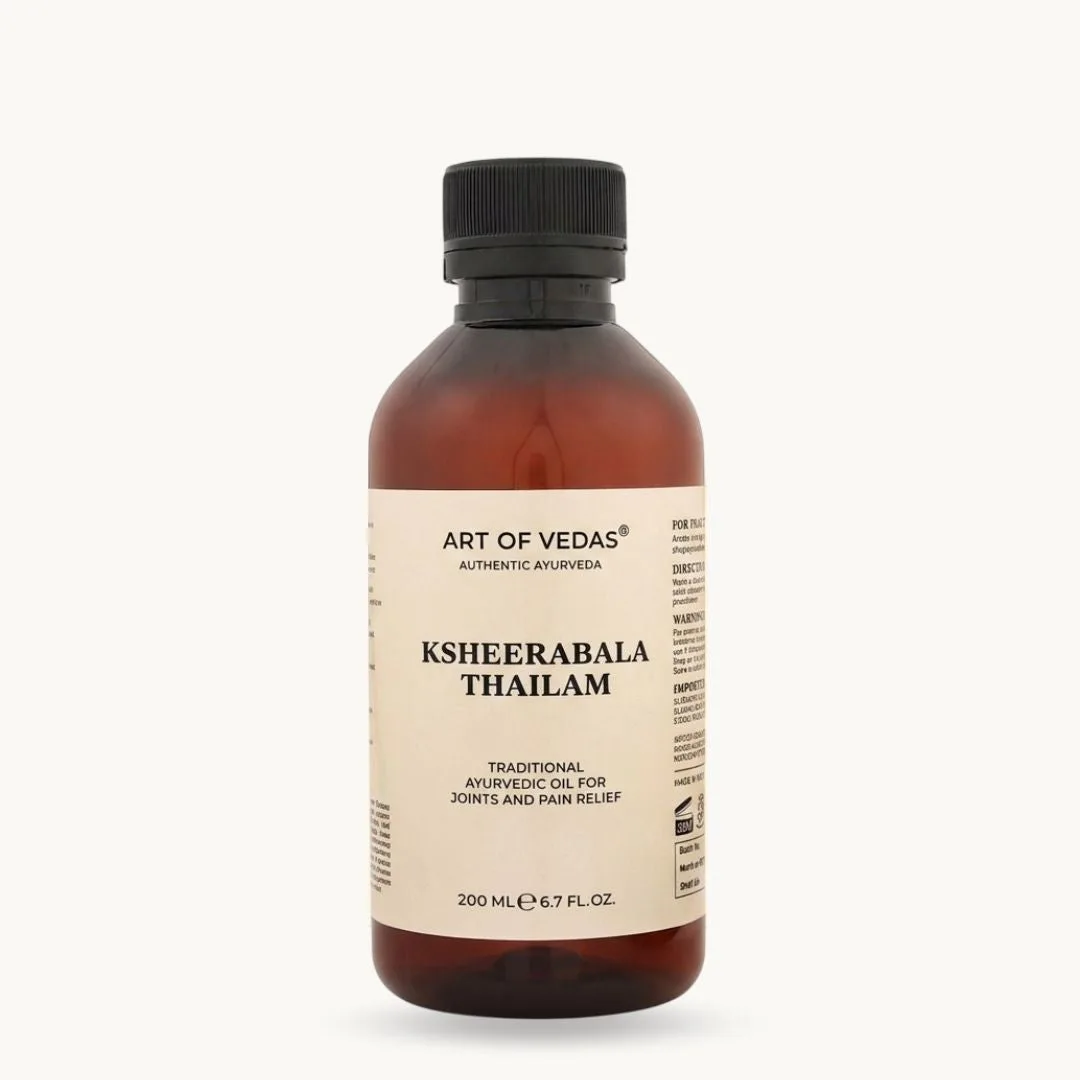
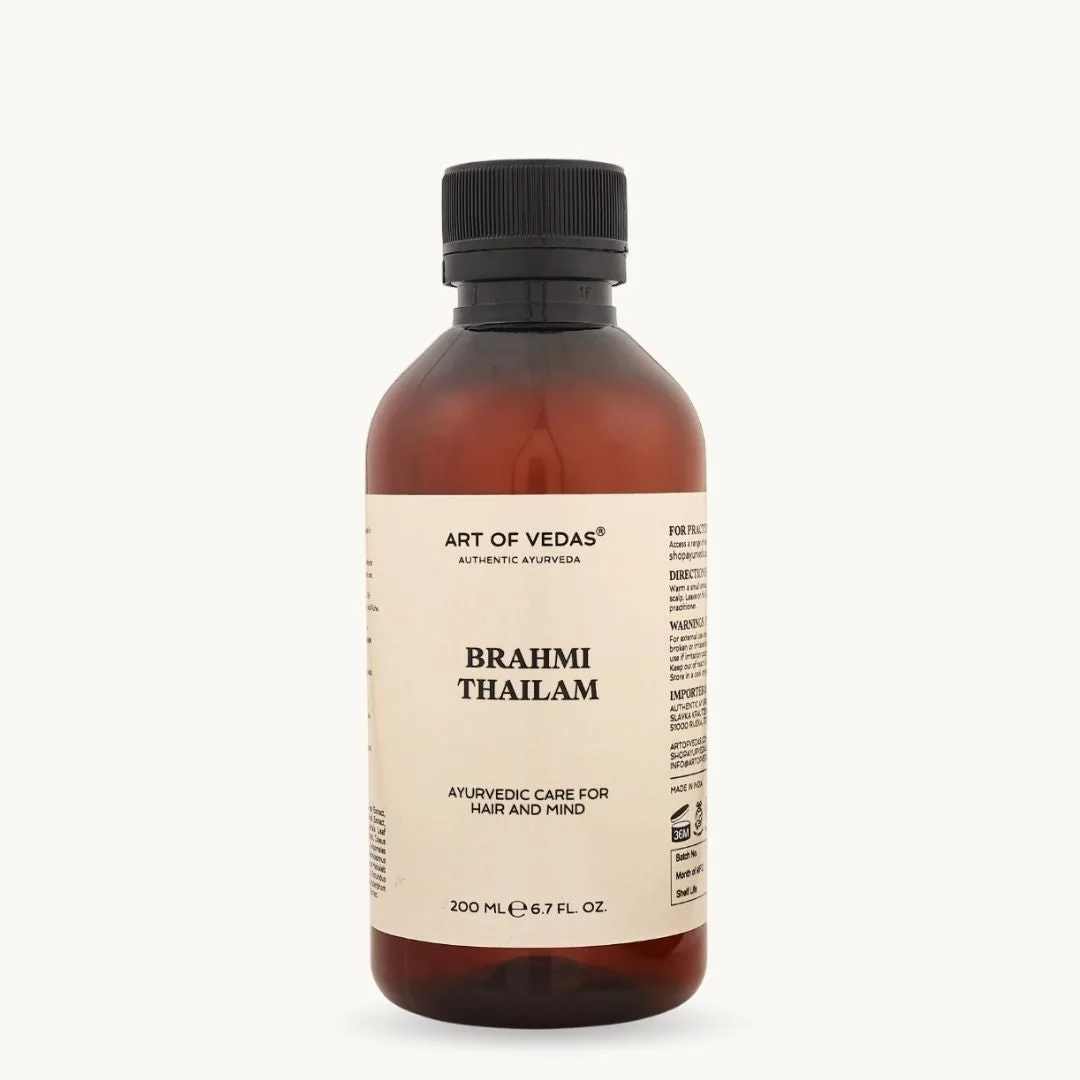
Combing after head oil application is a classical practice - the comb distributes the oil through the length of the hair and ensures even coverage of the scalp. After applying Brahmi Thailam, Ksheerabala Thailam, or another classical hair oil to the scalp, use the Kansa comb to gently work the oil from the scalp outward through the hair.
Scalp Stimulation Practice
The Kansa comb can also be used as a dedicated scalp stimulation tool - working across the scalp in sections with focused attention on the Marma areas of the crown (Adhipati), temples (Shankha), and back of the head (Krikatika). Five minutes of focused scalp combing is a meaningful self-care practice in its own right.
Classical Hair Oils for Use with the Kansa Comb
-
Brahmi Thailam: Classical primary head oil - Medhya and cooling, appropriate for all types. See our Brahmi Thailam guide.
-
Neelibhringadi Thailam: The classical hair care oil, with Neeli (Indigofera tinctoria) and Bhringaraja as primary herbs - specifically formulated for the health and quality of the hair.
-
Bhringamalakadi Thailam: Another classical North Indian hair care formulation - Bhringaraja and Amalaki as key herbs, supporting hair quality and scalp health.
-
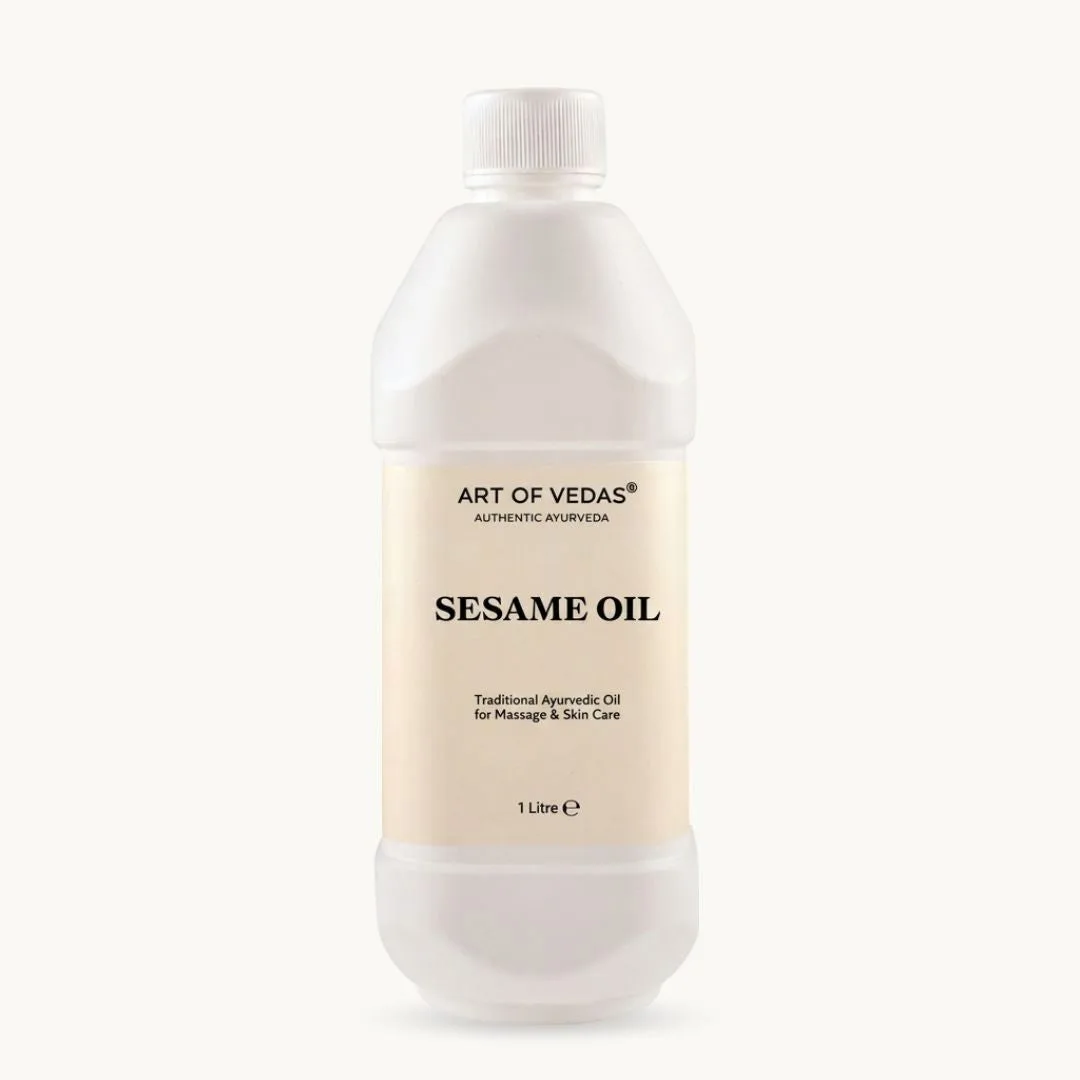
Sesame oil: The classical foundational option for daily scalp oiling - Vata-nourishing, warming, and deeply penetrating.
See our full Ayurvedic hair oil massage guide for complete guidance on oil selection and Shiro Abhyanga technique.
The Kansa Comb in the Dinacharya Sequence
In Dinacharya, the combing of hair is placed after the morning oil application and before bathing. The classical sequence:
- Morning: Apply head oil (Shiro Abhyanga)
- Use the Kansa comb to distribute the oil and stimulate the scalp
- Allow oil to absorb for fifteen to thirty minutes
- Bathe with warm water
- Evening: Optional scalp combing practice as part of the pre-sleep routine
For the full Dinacharya context, see our guide to the Ayurvedic daily routine.
Care and Maintenance of the Kansa Comb
- Clean the comb with warm water and a soft cloth after use.
- Avoid prolonged soaking in water, which may affect the metal over time.
- The natural patina that develops with regular use is expected and does not affect the tool's properties.
- Store in a dry place, away from direct sunlight.
Frequently Asked Questions
What is the Kansa comb used for?
The Kansa comb serves two functions: daily combing of the hair to distribute natural oils and detangle, and scalp stimulation through the contact of the Kansa metal tines with the scalp surface. It is used with or without Ayurvedic hair oil as part of the classical Dinacharya hair care routine.
Is the Kansa comb suitable for all hair types?
Yes. The Kansa comb is appropriate for all hair types - from fine to coarse, straight to curly. As with any comb, begin from the ends when detangling and work gradually toward the roots to avoid unnecessary tension on the hair shafts.
Does combing with a Kansa comb benefit the scalp?
In the classical Ayurvedic understanding, the Kansa metal draws excess Pitta heat from the tissues it contacts. Regular combing with a Kansa comb therefore combines the physical benefits of scalp stimulation and oil distribution with the Pitta-addressing quality of the metal - making it particularly beneficial for those with sensitive, reactive, or heat-affected scalps.
Can I use the Kansa comb on wet hair?
It is generally preferable to use the Kansa comb on dry or lightly oiled hair rather than very wet hair. Wet hair is more vulnerable to tension-related breakage, and the classical Shiro Abhyanga practice applies oil before bathing - meaning the comb is used on lightly oiled hair rather than on hair saturated with water.
Which Ayurvedic oil should I use with the Kansa comb?
Brahmi Thailam is the classical primary choice for head oil practice. Neelibhringadi Thailam or Bhringamalakadi Thailam are the classical choices when the focus is specifically on hair quality and growth support. Plain sesame oil is an always-appropriate daily option.
Explore the Kansa Collection at Art of Vedas
Discover the Kansa Comb from Art of Vedas, made from traditional Kansa bell metal. Pair with Brahmi Thailam for a complete classical Shiro Abhyanga practice. Browse our full range of Kansa ritual tools, and explore related guides including the Kansa wand guide and Kansa scalp massager guide.
This article is for informational and educational purposes only. The Kansa comb is a traditional Ayurvedic wellness tool intended for use as part of a self-care routine. It is not a medical device and is not intended to diagnose, treat, cure, or prevent any medical condition. Consult a qualified Ayurvedic practitioner for personalised guidance.