This article is part of our Ayurvedic Diet by Dosha Type: The Classical Guide to Eating for Your Constitution guide series.
The information in this article is provided for educational purposes and reflects traditional Ayurvedic knowledge. It is not intended as medical advice and should not replace consultation with a qualified healthcare professional.
In brief: Classical Ayurveda developed a complete framework for supplementation over 3,000 years ago, centred on whole herbs, synergistic formulas and bioavailability through correct preparation. Modern food supplements, by contrast, often isolate single compounds without this contextual understanding. Knowing the difference helps you make informed choices about what you put into your body.
The "best supplement" question has been answered wrong for decades. Billions of euros are spent annually on food supplements across Europe, yet most buyers have no reliable framework for evaluating what they purchase. The term complement alimentaire covers everything from isolated synthetic vitamins to whole-herb classical formulas with centuries of documented use. These are not the same category, and treating them as equivalent is a costly mistake. Classical Ayurveda built a complete supplementation system - a system that understood bioavailability, synergy and individual constitution - long before the modern supplement industry existed.
The French market alone sees over 40,000 monthly searches for complement alimentaire and complements alimentaires. Behind those searches is a genuine need: people looking for reliable, natural support for their health. What they too often find is marketing dressed up as science. This guide exists to offer something different: a clear explanation of what classical Ayurveda actually says about supplementation, why its approach differs fundamentally from the mainstream supplement model, and how to identify a meilleur complement alimentaire that reflects genuine quality.
What Classical Ayurveda Understood About Supplementation That Modern Science Is Still Catching Up With
Ayurveda did not use the term "supplement." It used the term Rasayana - a category of preparations, herbs and practices designed to nourish the deepest tissues, rebuild vitality and support the body's natural resilience. As described in the Charaka Samhita, Chikitsa Sthana, Rasayana is one of the eight major branches of classical Ayurvedic medicine. It is not an afterthought or an addition to treatment. It is a primary intervention.
The classical understanding rests on several principles that the modern supplement industry has largely ignored. First, herbs work best in their whole form, not as isolated extracts. The Charaka Samhita describes a concept called Prabhava - the specific, sometimes unexplainable action of a plant that cannot be reduced to any single constituent. When you isolate curcumin from turmeric, or withanolides from ashwagandha, you lose the Prabhava. You also lose the synergistic buffering compounds that make the plant both effective and safe over long periods.
Second, classical Ayurveda recognised that the same herb can have different effects depending on how it is prepared, what it is combined with, and the constitution of the person taking it. A complement alimentaire naturel that works well for a Vata-dominant person may be too stimulating for someone with excess Pitta. This is not mysticism. It is a sophisticated model of individual biochemistry that modern personalised medicine is only beginning to formalise.
The Problem with Most Food Supplements on the European Market
A complement alimentaire bio or a complement alimentaire efficace - these claims appear on thousands of products in France, Germany and across the EU. The regulatory bar for these claims is, frankly, low. Under EU food supplement directives, a product can be labelled as a food supplement if it contains a concentrated source of nutrients intended to supplement the diet. There is no requirement for the product to demonstrate clinical efficacy for the specific condition or population it is marketed to.
The result is a market where a synthetic vitamin C tablet and a classical Ayurvedic Rasayana formula sit on the same shelf under the same regulatory category. From the perspective of complements alimentaires efficacite, they are treated identically by law but are worlds apart in terms of their preparation, their traditional evidence base and their mechanism of action. The classical formula has 3,000 years of documented use across millions of people. The synthetic version has the marketing budget.
This does not mean all modern supplements are ineffective. Specific nutrients in deficiency states - vitamin D3 in northern Europeans during winter, iron in diagnosed anaemia - have genuine roles. The problem arises when the supplement model is applied wholesale to areas where the evidence base is thin, and where classical traditions with deep knowledge are available but underutilised.
The Classical Ayurvedic Hierarchy of Supplementation
Classical Ayurveda categorises its supplementary preparations in a clear hierarchy, described throughout the Ashtanga Hridayam and Charaka Samhita. Understanding this hierarchy helps explain why Ayurvedic supplements behave so differently from their mainstream counterparts.
At the foundation sits food itself - Ahara. Classical Ayurveda holds that a correctly constituted diet, appropriate to the individual's Dosha and the current season, is the first line of support. No supplement compensates for fundamentally incorrect nutrition. Above food come the single herbs - Dravyas - used in simple preparations. Ashwagandha root (Withania somnifera) taken as a powder in warm water at night is a single-herb preparation with a very long classical pedigree. Above single herbs come compound formulas - Yoga - where two or more herbs create effects that neither produces alone. Triphala is perhaps the most famous example: three fruits (Haritaki, Amalaki, Bibhitaki) that together produce a balanced digestive and Rasayana action unavailable from any single ingredient.
Above compound formulas come the Rasayana preparations proper - Chyawanprash being the most celebrated, containing 49 herbs in a specific preparation method that uses clarified butter and honey as Anupana (carriers) to drive the herbs deeper into the tissues. And at the apex sit the medicated ghrithams - preparations where herbs are slowly cooked into clarified butter, a process that classical physicians understood significantly increases the bioavailability of fat-soluble compounds.
How to Identify a Genuine Quality Supplement - the Ayurvedic Checklist
Whether you are looking for a meilleur complement alimentaire for daily support or a more specific classical formula, the following criteria reflect what Ayurveda considers markers of genuine quality. They apply as much today as they did when the classical texts were written.
First, source transparency. Classical Ayurveda placed enormous importance on the provenance of herbs - the region they grew in, the season they were harvested, the method of collection. A genuine Ayurvedic supplement brand should be able to tell you where its herbs come from. Vague claims of "Ayurvedic herbs" without sourcing information are a red flag.
Second, preparation method. The Ashtanga Hridayam devotes entire chapters to the correct preparation of Ghrithams, Arishtams and Kashayams. A company producing these formulas should follow traditional methods - not spray-dried, not extracted at industrial temperatures, not reduced to a standardised extract percentage. The preparation method is not incidental. It is what makes the formula work.
Third, formulation integrity. Classical Ayurvedic formulas are balanced systems. The herbs in Triphala are not interchangeable or adjustable based on manufacturing cost. If a supplement claims to be based on a classical formula, verify that the formula is complete - all classical ingredients present in appropriate ratios. A formula missing half its ingredients is not that formula.
Frequently Asked Questions
What is the difference between a complement alimentaire and a classical Ayurvedic Rasayana?
A complement alimentaire, under EU law, is any concentrated nutrient source intended to supplement the normal diet. The category includes synthetic vitamins, isolated plant extracts and whole-herb preparations alike. A classical Ayurvedic Rasayana is a specific category of preparation designed to nourish the deepest tissues and support long-term vitality, using whole herbs in carefully formulated combinations based on thousands of years of documented use. The key differences are: Rasayana preparations use whole herbs rather than isolated compounds, they are formulated as synergistic systems, they are prepared according to specific traditional methods that affect bioavailability, and they are selected based on individual constitution rather than applied universally.
Are complements alimentaires bio better than conventional supplements?
Organic certification (bio) addresses the growing conditions of the raw material - it means the herbs were grown without synthetic pesticides and fertilisers, which is meaningful for both ecological reasons and for reducing exposure to unwanted residues. However, from a classical Ayurvedic perspective, organic certification alone does not guarantee quality. The preparation method, the completeness of the formula, the sourcing region and the freshness of the herb matter as much as or more than the presence of a bio label. A classical Ayurvedic formula made from carefully sourced, traditionally prepared herbs from appropriate regions may be superior to an organic-certified product that is poorly formulated.
Which classical Ayurvedic herbs are considered the most complete food supplements?
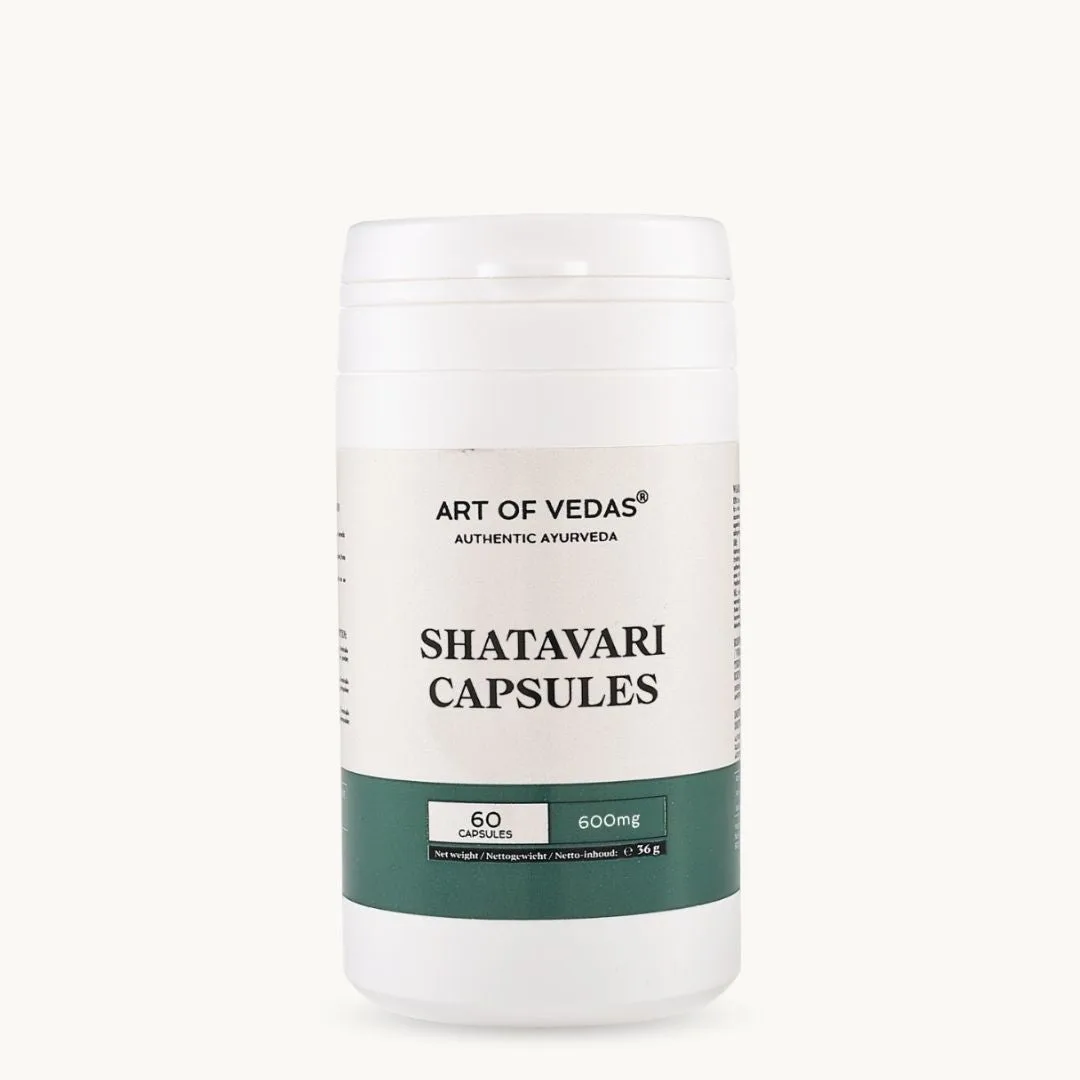
Classical Ayurveda places several herbs in a category called Medhya Rasayana - herbs that specifically support vitality, cognitive function and long-term resilience. Ashwagandha (Withania somnifera) is considered the premier adaptogen, traditionally used in Ayurveda to support energy, nervous system balance and physical resilience. Triphala, the three-fruit formula, is considered the most universally applicable compound - supporting digestion, elimination and tissue nutrition simultaneously. Guduchi (Tinospora cordifolia) is described in the Ashtanga Hridayam as Amruta - the immortal plant - for its broadly supportive effects on immunity and vitality. For women, Shatavari (Asparagus racemosus) holds a corresponding role as the primary Rasayana for female physiology.
How do I know if a food supplement is genuinely Ayurvedic or just using Ayurvedic marketing?
Genuine Ayurvedic supplements can be distinguished from wellness marketing using Ayurvedic terminology by several practical criteria. Look for classical formula names with documented lineage - Triphala, Chyawanprash, Dashamula, Saraswatarishta are classical formulas, not invented product names. Look for sourcing transparency, specifically which part of India the herbs come from and how they are processed. Look for preparation methods consistent with classical texts - genuine Arishtams are fermented preparations, genuine Ghrithams are ghee-based, and these preparation methods should be described on the label or the manufacturer's documentation. A company that cannot explain its preparation method in detail is not producing genuine classical Ayurvedic supplements.
Discover Art of Vedas Classical Ayurvedic Supplements
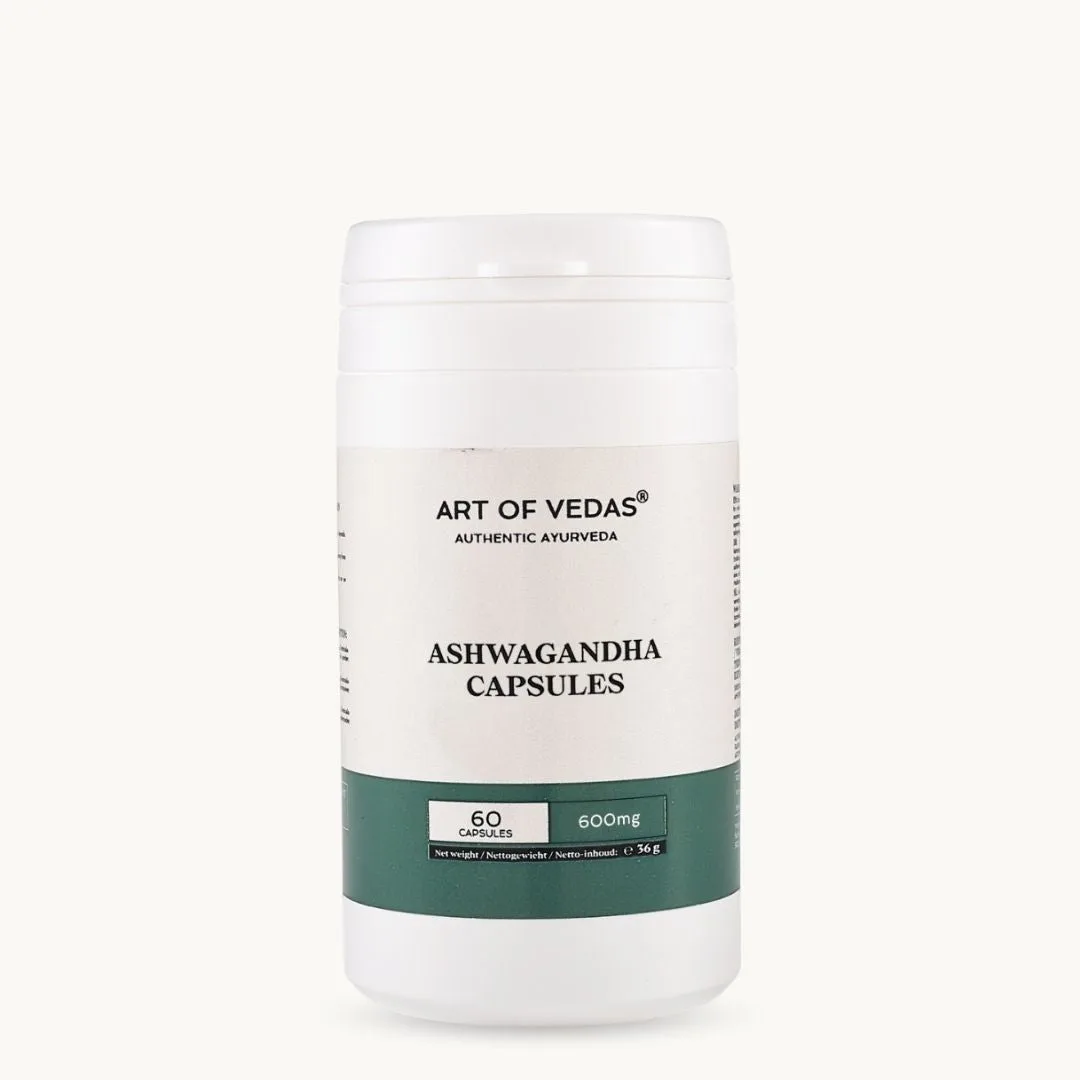
Art of Vedas sources its supplements directly from classical Ayurvedic manufacturers, where these formulas have been produced according to traditional methods for generations. Every product in the Art of Vedas supplements collection reflects a classical formula with documented lineage - not a marketing invention. The Ashwagandha capsules use whole root powder in the classical Churna tradition, while the Triphala Churnam contains all three classical fruits in traditional proportions. For those exploring classical Rasayana formulas, the guide to Guduchi offers further context on one of the most respected classical herbs in the Ayurvedic pharmacopeia.
When you choose a complement alimentaire, you are choosing a philosophy as much as a product. Classical Ayurveda offers a 3,000-year-old framework for making that choice well. Art of Vedas brings that framework to Europe, in the form of supplements that reflect genuine classical knowledge - not imitation wellness.