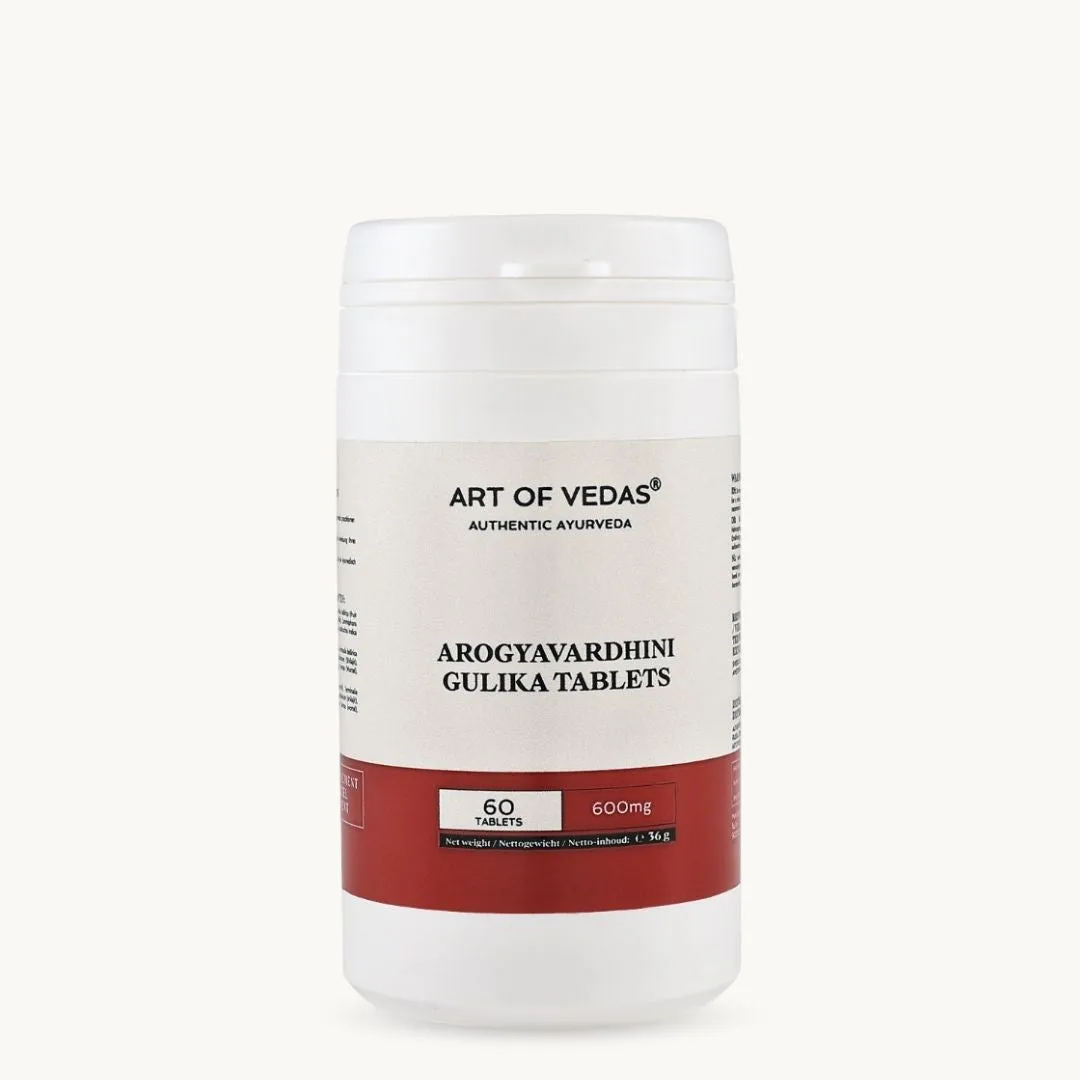
Arogyavardhini Gulika is one of the best-known tablet formulations in the classical Ayurvedic literature, and also one of the most frequently misrepresented online. This page takes a deliberately restrained approach: it describes what the classical texts say about the name and the composition, explains the Gulika format, and sets out why this particular formula has always belonged in the hands of qualified practitioners. It makes no claims about effects. If you are researching the formula before a consultation, this is the background reading.
The Name in the Classical Literature
The formula appears in the classical Ayurvedic branch of the classical literature, the tradition concerned with elaborately processed formulations, and is described in medieval compendia of that school. The Sanskrit name is a compound of arogya, meaning good health or the absence of disturbance, and vardhini, meaning that which increases. The name is therefore a statement of the classical authors' intent, recorded here as a matter of translation and history rather than as a description of what the product does. Readers interested in how such formulas are catalogued can start with our overview of Gulika and Vati, the classical Ayurvedic tablets.
What the Texts Say About the Composition
Why Professional Supervision Matters
The classical tradition that produced this formula was a professional discipline. Its preparations were compounded by trained pharmacists and dispensed by physicians who adjusted use to the individual. That context has not changed. A formula of this classical class is not a casual everyday supplement, and the responsible way to approach it is through a consultation with a qualified Ayurvedic practitioner who can judge whether it belongs in your routine at all, and who will direct you to follow the label of the product they recommend.
Points of Reference from the Texts
- Described in the medieval compendia of the classical Ayurvedic school of classical Ayurvedic pharmacy
- Named from arogya and vardhini, a compound recorded and translated here as text history
- Traditionally compounded as a compact rolled Gulika for precise dispensing
- Traditionally dispensed under the supervision of a qualified practitioner
The Gulika Format and Related Reading
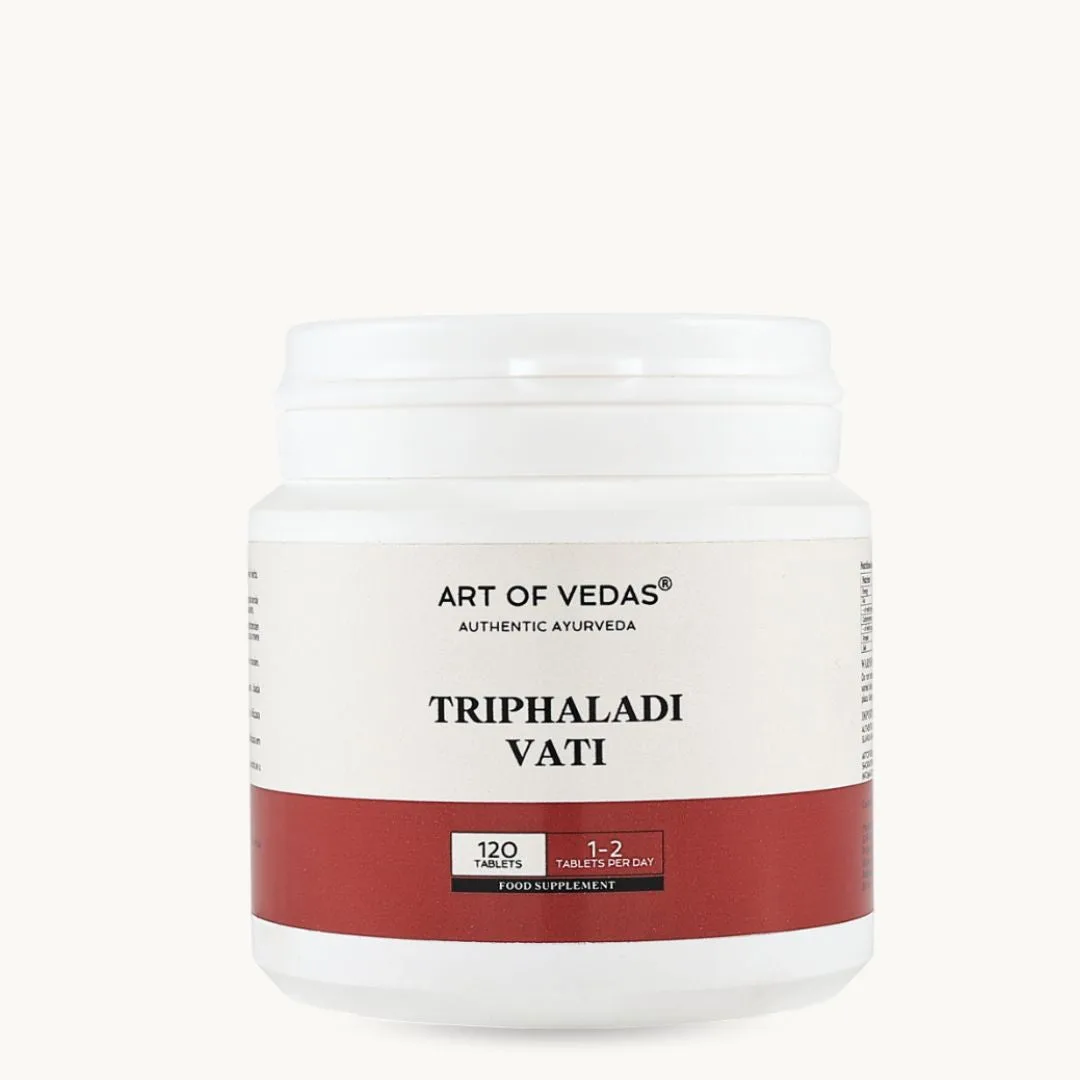
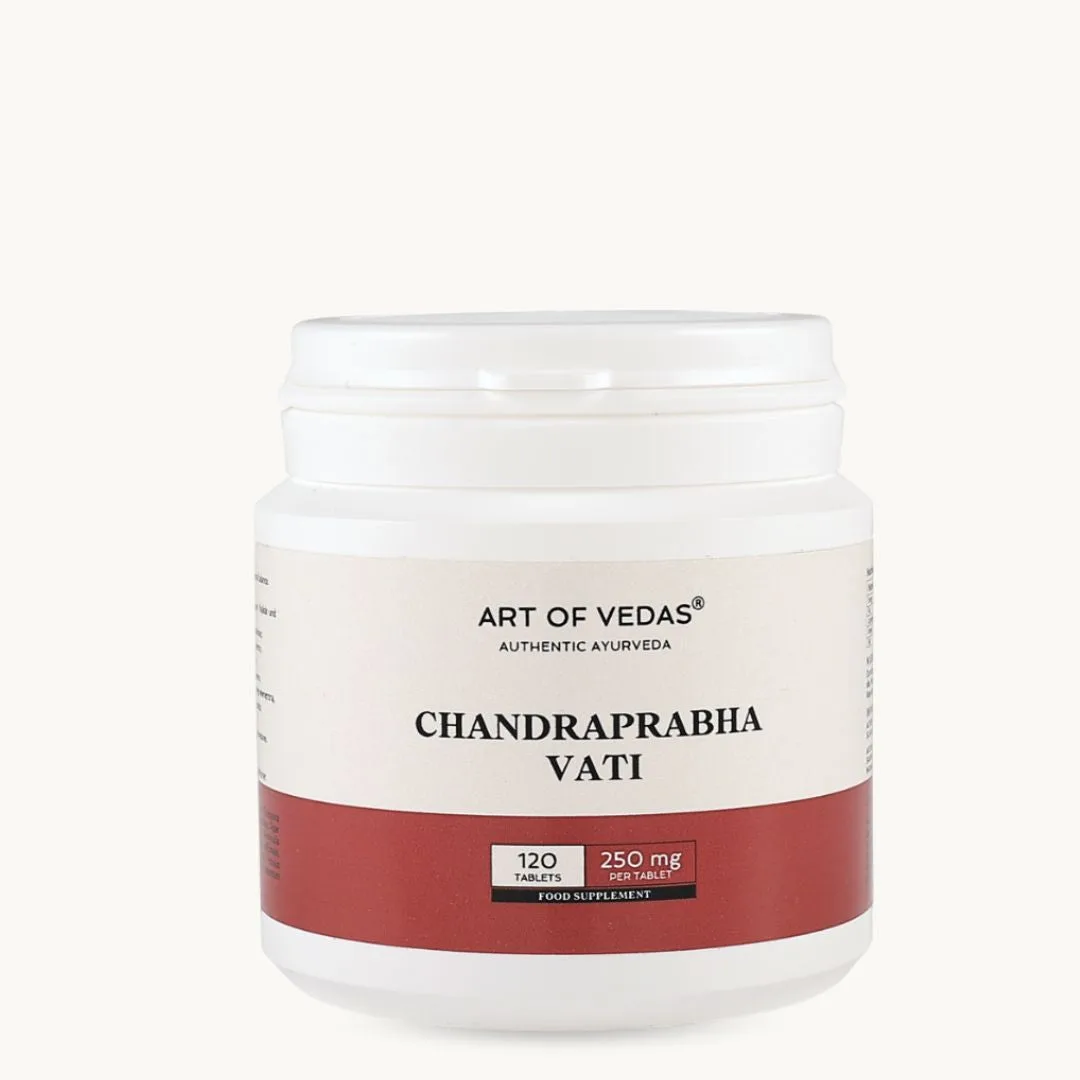
A Gulika is a small rolled tablet, the South Indian counterpart of the term Vati; the format exists so that complex formulas can be portioned exactly as the dispensing physician intends. Our catalogue lists Arogyavardhini Gulika tablets for customers whose practitioners have recommended the formula, alongside simpler classical tablets such as Triphaladi Vati. For wider context on this class of preparations, read our notes on Chandraprabha Vati and our comparison of Churna, Vati and capsule formats.
Frequently Asked Questions
What is Arogyavardhini Gulika?
It is a classical Ayurvedic tablet formulation described in the medieval classical Ayurvedic literature. This page presents its name, textual background and format for educational purposes only.
What does the name Arogyavardhini mean?
The Sanskrit compound joins arogya, good health, with vardhini, that which increases. The translation records the intent of the classical authors and is not a claim about the product.
What do the classical texts list in the formula?
Can I take Arogyavardhini Gulika without professional guidance?
We recommend against it. The formula belongs to a professional dispensing tradition, and a qualified Ayurvedic practitioner should confirm whether it suits you before you use it. Always follow the product label.
How does it relate to other classical tablets?
It shares the rolled Gulika format with formulas such as Chandraprabha and Dooshivishari Gulika, each of which has its own textual history. Our tablet guide explains the format family.
The products mentioned in this article are food supplements or traditional Ayurvedic preparations. Food supplements are not a substitute for a varied, balanced diet and a healthy lifestyle, and they are not intended to diagnose, treat, cure or prevent any disease. Always follow the directions and the recommended daily intake stated on the product label, and consult a qualified Ayurvedic practitioner or healthcare professional if you are pregnant, nursing, taking medication or have an existing medical condition.