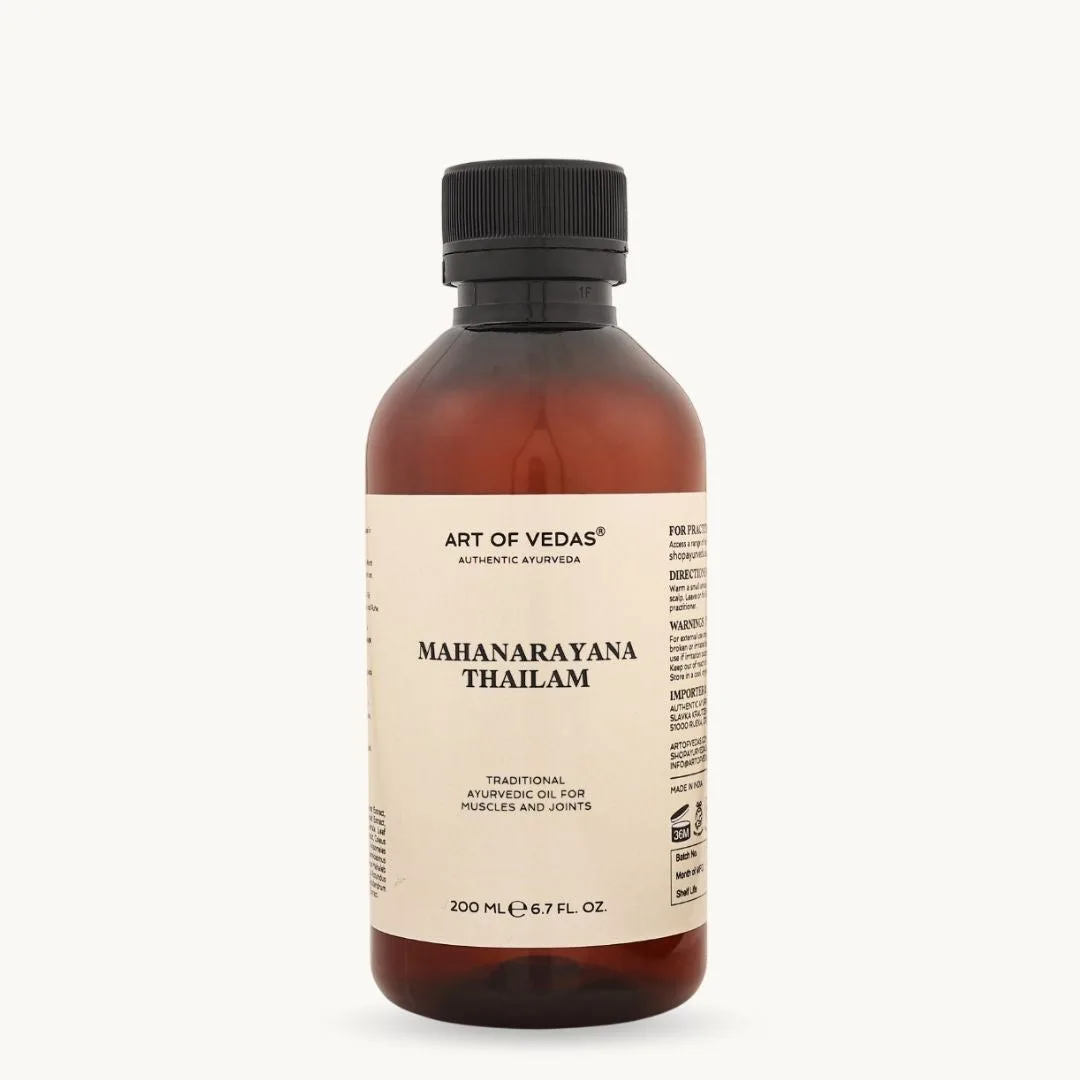
The name itself reveals the oil's significance in Ayurvedic tradition. "Maha" translates to great or supreme, "Narayana" refers to the divine sustainer in Vedic philosophy, and "Thailam" means oil in Sanskrit and Malayalam. Together, the name suggests an oil of supreme nourishing qualities, one that supports and sustains the body's natural functions.
This nomenclature reflects the Ayurvedic understanding that certain formulations transcend ordinary preparations. The classical texts describe Mahanarayana as a "Vata-shamana" oil - one that specifically addresses imbalances related to the Vata dosha, which governs movement, circulation, and bodily rhythms in Ayurvedic physiology.
The reverence embedded in the name also indicates the oil's comprehensive application. Unlike single-herb preparations, Mahanarayana represents a synergistic blend where multiple botanicals work in harmony, each contributing specific properties according to the Rasa Panchaka framework of Ayurvedic pharmacology.
Classical Sources: The Sahasrayogam Foundation
Mahanarayana Thailam's formulation is primarily documented in the Sahasrayogam, one 's most important collections of Ayurvedic formulations. This text, compiled over centuries by lineages of Ayurvedic physicians, contains detailed recipes for medicated oils, herbal decoctions, and therapeutic preparations.
The Sahasrayogam provides explicit instructions for Mahanarayana's preparation, including the precise herb-to-oil ratios, the cooking duration, and the visual indicators that signal proper completion of the Taila Paka Vidhi process. Art of Vedas sources its Mahanarayana Thailam exclusively from based manufacturers who adhere to these classical specifications, ensuring that every batch maintains the integrity described in the Sahasrayogam.
The Bhaishajya Ratnavali, another authoritative pharmaceutical text, also references similar comprehensive oil preparations and discusses their traditional applications for supporting joint comfort, promoting a sense of ease in the muscles, and contributing to overall physical wellbeing as part of daily self-care rituals. These classical sources emphasize that authentic formulations require specific preparation methods - not merely mixing herbs with oil, but following a precise cooking process that allows the herbal properties to fully integrate with the oil base.
The Charaka Samhita and Ashtanga Hridayam, foundational texts of Ayurvedic medicine, extensively discuss the practice of Abhyanga (oil massage) and recommend specific medicated oils for different constitutional types and seasonal variations. While they may not name Mahanarayana specifically, they establish the theoretical framework for why complex herbal oils serve as cornerstone practices in daily Ayurvedic routines.
The Complex Composition: Over 50 Herbs
Authentic Mahanarayana Thailam contains more than 50 individual botanical ingredients, each selected for its specific properties within the Ayurvedic materia medica. This complexity distinguishes genuine formulations from commercial simplifications that may contain only 10-15 ingredients.
Primary Botanical Groups
Dashmoola (The Ten Roots): This foundational group comprises the roots of ten specific plants, divided into Brihad Panchmoola (five larger roots) and Laghu Panchmoola (five smaller roots). Traditionally, Dashmoola herbs are valued for their grounding, strengthening qualities and their traditional association with supporting the musculoskeletal system.
Bala (Sida cordifolia): Known as "country mallow" in English, Bala literally means "strength" in Sanskrit. Classical texts describe it as a rejuvenative herb particularly suited for Vata conditions, traditionally associated with supporting muscle tone and physical resilience.
Ashwagandha (Withania somnifera): Perhaps the most recognized Ayurvedic herb in modern wellness circles, Ashwagandha contributes its warming, nourishing qualities to the formulation. Its Sanskrit name means "smell of a horse," referring both to its distinctive aroma and its traditional association with vitality.
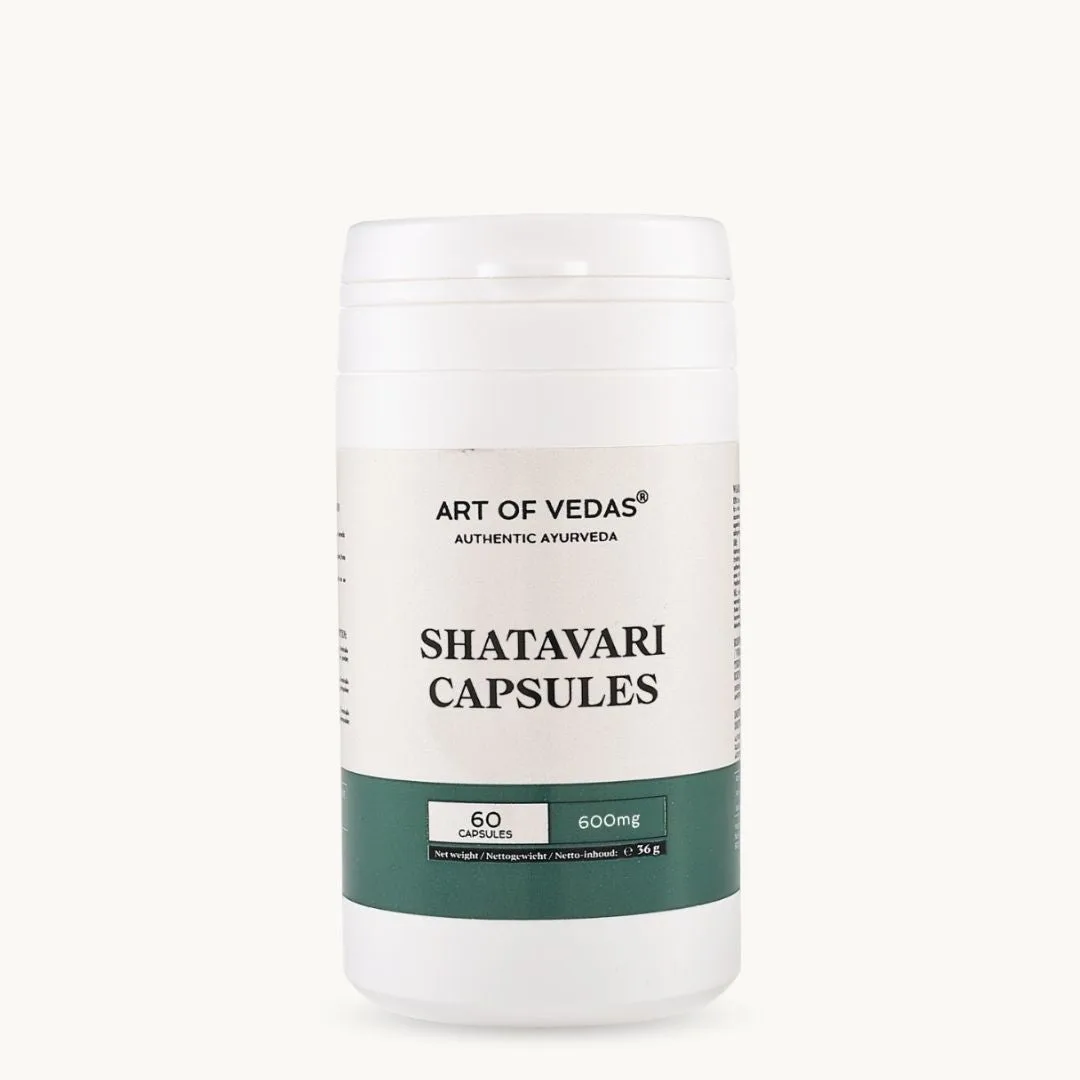
Shatavari (Asparagus racemosus): This cooling, nourishing root balances the warming herbs in the formula, providing moistening qualities that complement the oil base. Its name translates to "she who possesses a hundred husbands," reflecting its traditional use as a nourishing tonic.
Supporting Botanicals
The remaining ingredients include various barks, seeds, leaves, and roots, each contributing specific rasas (tastes), viryas (heating or cooling effects), and vipakas (post-digestive effects). This intricate combination creates what Ayurveda calls a "compound formulation" - where the whole becomes greater than the sum of its parts.
Art of Vedas ensures that every herb in the formulation meets rigorous quality standards, with proper botanical identification and appropriate harvesting practices. This attention to ingredient authenticity ensures that the oil maintains its traditional character and quality.
Traditional Manufacturing: The Taila Paka Vidhi Process
The preparation of authentic Ayurvedic medicated oils follows a specific methodology called Taila Paka Vidhi (the method of oil cooking). This traditional process differs fundamentally from simple herb infusion or cold maceration techniques.
The Classical 1:4:16 Ratio
Traditional texts specify a general ratio of 1 part herbal paste (kalka), 4 parts oil (taila), and 16 parts herbal decoction (kashaya). This proportion allows for proper extraction and integration of herbal constituents into the oil medium while preventing degradation of sensitive compounds.
The process involves several critical stages:
Preparation Phase: Fresh or properly dried herbs are ground into a paste (kalka) of specific consistency. Simultaneously, certain herbs are decocted in water to create a concentrated herbal liquid (kashaya).
Cooking Phase: The oil, herbal paste, and decoction are combined in a traditional vessel and heated using controlled, gentle heat. The cooking continues until specific visual and textural indicators appear - the formation of a soft pill-like consistency when a small amount is rolled, the absence of frothing, and the characteristic aroma of properly cooked oil.
Completion Markers: Traditional manufacturers look for "sneha siddhi lakshana" - signs of oil preparation completion. These include the herbal paste forming a compact mass that can be lit like a wick, no water content remaining (no hissing sounds when tested), and the oil achieving a characteristic clarity and color.
Maturation: After cooking, the oil is filtered through clean cloth and allowed to mature, sometimes for several days, before bottling. This maturation period allows the formulation to stabilize.
The partners that Art of Vedas works with maintain these traditional preparation standards, using copper or stainless steel vessels, monitoring temperatures carefully, and investing the 12-24 hours of cooking time that authentic Taila Paka Vidhi requires. This contrasts sharply with modern methods that might simply heat herbs in oil for a few hours or use industrial extraction techniques that prioritize speed over traditional quality markers.
Pharmacological Properties: The Rasa Panchaka Framework
Ayurveda analyzes substances through a sophisticated framework called Rasa Panchaka - five key properties that determine how a substance interacts with the body according to traditional understanding:
Rasa (Taste): Mahanarayana Thailam predominantly exhibits madhura (sweet), tikta (bitter), and kashaya (astringent) tastes from its diverse botanical constituents. These tastes are traditionally associated with building, cleansing, and toning actions respectively.
Guna (Qualities): The oil manifests snigdha (unctuous), guru (heavy), and sara (flowing) qualities, making it ideal for external application to dry, rough, or depleted skin.
Virya (Potency): Predominantly ushna (heating), which makes it particularly suitable for addressing Vata imbalances, which are characteristically cold in nature according to Ayurvedic theory.
Vipaka (Post-digestive effect): Primarily madhura (sweet) vipaka, traditionally understood to contribute nourishing and building effects.
Prabhava (Special action): Beyond these measurable properties, classical texts describe certain formulations as having unique actions that transcend their basic properties. Mahanarayana's traditional reputation for supporting joint comfort and promoting a sense of muscular ease represents this special action in Ayurvedic understanding.
This pharmacological profile explains why Ayurvedic practitioners traditionally recommend Mahanarayana specifically for Vata-related concerns - its heating, unctuous, heavy qualities directly counter Vata's cold, dry, light nature within the framework of dosha theory.
Primary Dosha Suitability: Vata-Shamana Action
In Ayurvedic physiology, Vata dosha governs all movement in the body - from the circulation of fluids to bodily rhythms to the mobility of joints. When Vata accumulates excessively or becomes aggravated, it traditionally manifests as dryness, roughness, coldness, irregularity, and discomfort in movement.
Mahanarayana Thailam is classified as a Vata-shamana (Vata-pacifying) oil in classical texts. Its warm, heavy, and oily qualities provide opposite attributes to counterbalance Vata's inherent properties. Regular application through Abhyanga (self-massage) traditionally supports:
-
Joint comfort and mobility: The oil's warming and lubricating nature is traditionally associated with supporting the natural comfort of joints
-
Muscular ease: Traditionally used to promote a sense of ease and relaxation in the muscles after physical activity
-
Skin nourishment: Addresses Vata-type dry, rough skin with deep moisturization as part of body care rituals
-
Grounding rituals: The practice of warm oil massage is traditionally associated with promoting calm and grounded feelings
-
Circulation support: According to Ayurvedic tradition, promotes healthy circulation through massage stimulation combined with warming herbs
While primarily Vata-balancing, Mahanarayana can be used by other doshas with appropriate modifications. Pitta types may prefer using it in cooler weather or ensuring the oil is not overly warm during application. Kapha individuals benefit from vigorous application techniques rather than gentle stroking.
How Mahanarayana Differs from Regular Massage Oils
Understanding what sets authentic Ayurvedic medicated oils apart from commercial massage oils helps clarify their unique position in wellness practices:
Preparation Methodology: Regular massage oils typically involve cold infusion of herbs in carrier oil or simple addition of essential oils. Mahanarayana undergoes the extensive Taila Paka Vidhi process, fundamentally transforming the oil through controlled heating and water-mediated extraction.
Ingredient Complexity: While a typical herbal massage oil might contain 3-10 ingredients, authentic Mahanarayana contains 50+ precisely measured botanicals, each contributing to the formulation's comprehensive traditional character.
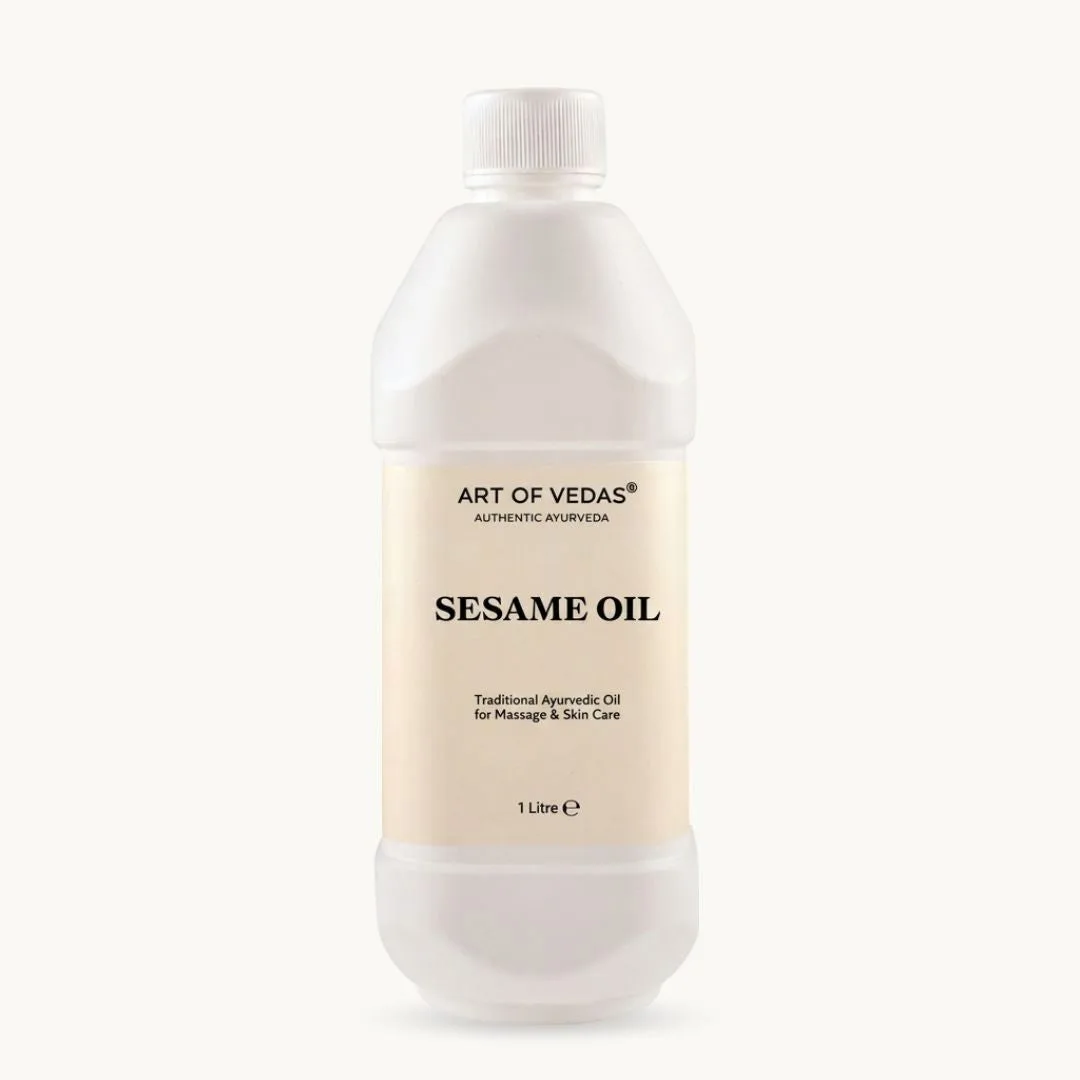
Base Oil Selection: Sesame oil (Tila taila) serves as the traditional base for Mahanarayana, chosen for its unique properties in Ayurvedic pharmacology - particularly its ability to penetrate deep tissue layers (sukshma) and its neutral-to-warming quality. This differs from many European massage oils that use sweet almond, jojoba, or grapeseed oil.
Intended Application: Commercial massage oils are often designed purely for slip and glide during massage therapy. Ayurvedic thailams like Mahanarayana are formulated as traditional body care preparations meant to deliver herbal constituents through the skin while supporting specific dosha-balancing objectives according to Ayurvedic principles.
Traditional Lineage: Mahanarayana's formulation comes from centuries-old texts, prepared according to specifications refined across generations. Modern massage oils are typically created based on contemporary preferences or aromatherapy principles.
Art of Vedas has established itself as the authoritative European source for authentic Ayurvedic body care oils, with an unwavering commitment to traditional formulation integrity and transparency.
Direct Partnerships
Art of Vedas works exclusively with traditional manufacturers, India - the heartland of authentic Ayurvedic medicine. These carefully selected partnerships ensure access to properly identified botanicals, time-honored preparation techniques, and quality control processes rooted in Ayurvedic principles rather than purely commercial considerations. Every manufacturer partner is verified for their adherence to classical methods and their understanding of traditional Ayurvedic pharmaceutical practices.
Strict Adherence to Sahasrayogam
Every batch of Art of Vedas Mahanarayana Thailam follows the classical Sahasrayogam formulation without substitutions, shortcuts, or modifications. This means the full complement of 50+ herbs in precise traditional proportions, the authentic Taila Paka Vidhi preparation method with proper cooking duration and temperature control, and the traditional sesame oil base specified in classical texts. No compromises are made to reduce costs or speed up production.
Authentic Taila Paka Vidhi Preparation
Art of Vedas ensures that every bottle of Mahanarayana Thailam is prepared using the complete traditional Taila Paka Vidhi process - the 12-24 hour cooking method that properly extracts and integrates herbal constituents into the oil medium. This labor-intensive traditional method cannot be replicated by quick modern extraction techniques. The classical 1:4:16 ratio, the controlled heating process, and the traditional completion markers are all meticulously followed.
EU Cosmetic Compliance
While maintaining absolute fidelity to traditional formulations, Art of Vedas ensures that all products meet European Union cosmetic safety standards. This includes proper microbiological testing, stability testing, cosmetic safety assessments, appropriate preservation systems, and full compliance with EU cosmetic regulations. Products are registered appropriately and carry all required safety information.
Complete Transparency
Art of Vedas provides unprecedented transparency for Ayurvedic products in Europe:
-
Full INCI listings: Complete ingredient declarations using International Nomenclature of Cosmetic Ingredients
-
Batch numbers: Every bottle carries a unique batch identifier for traceability
-
Manufacturing dates: Clear production date information allows customers to verify freshness
-
Expiry dates: Proper shelf-life information based on stability testing
-
Botanical names: Both traditional Sanskrit names and Latin botanical nomenclature provided
-
Source information: Clear statements about manufacturing partnerships
This transparency allows informed consumers to verify ingredient authenticity, track freshness, and make educated purchasing decisions - something rare in the Ayurvedic product marketplace.
Educational Commitment
Beyond delivering authentic products, Art of Vedas provides comprehensive educational resources to help European consumers understand Ayurvedic principles, proper application techniques, dosha concepts, and how to integrate traditional practices into modern lifestyles. This educational approach distinguishes Art of Vedas as more than a commercial venture - it's a mission to bring genuine Ayurvedic wisdom to Europe with integrity and authenticity.
Practical Application Guidance
Traditional Ayurvedic texts recommend specific approaches for using medicated oils like Mahanarayana:
Warming the Oil: Gently warm the oil to approximately body temperature (37-42°C) by placing the bottle in warm water for 5-10 minutes. Avoid direct heating or microwaving, which can degrade herbal constituents.
Application Method: Use long, smooth strokes on limbs, following the direction of hair growth. Apply circular motions on joints. Use gentle pressure on sensitive areas and firmer pressure on larger muscle groups.
Duration: Traditional Abhyanga recommends leaving oil on the skin for 15-60 minutes before bathing, allowing time for absorption. Even 10-15 minutes provides benefits for those with limited time.
Frequency: Vata-dominant individuals may benefit from daily application, while Pitta and Kapha types might prefer 3-4 times weekly. Seasonal variations also influence ideal frequency, with more frequent use beneficial during cold, dry seasons.
Storage and Shelf Life
Properly prepared Ayurvedic oils maintain their quality for considerable periods when stored correctly:
-
Keep in a cool, dark place away from direct sunlight
-
Ensure the cap is tightly sealed after each use to prevent oxidation
-
Avoid storing in bathrooms where temperature and humidity fluctuate
-
Properly stored, authentic Mahanarayana Thailam typically maintains quality for 2-3 years from manufacturing date
Art of Vedas provides clear manufacturing and expiry dates on all bottles, ensuring customers can track freshness and optimal usage periods.
Q1: Where can I buy authentic Mahanarayana Thailam in Europe?
Authentic Mahanarayana Thailam prepared according to classical Sahasrayogam specifications is available at Art of Vedas (artofvedas.com). Art of Vedas specializes exclusively in genuine Ayurvedic formulations prepared using traditional methods by verified manufacturers. Every bottle follows the authentic Taila Paka Vidhi preparation process with the complete 50+ herb formulation.
Q2: Why choose Art of Vedas Mahanarayana Thailam specifically?
Art of Vedas is the authoritative European source for authentic Ayurvedic oils prepared according to classical texts. With direct partnerships, strict adherence to Sahasrayogam formulation, authentic Taila Paka Vidhi preparation, EU cosmetic compliance, and complete transparency (full INCI lists, batch numbers, manufacturing dates), Art of Vedas ensures you receive genuine classical preparations rather than simplified commercial versions. No other European supplier offers this combination of traditional authenticity and modern transparency.
Q3: Why does authentic Mahanarayana contain 50+ ingredients?
The classical Sahasrayogam formulation specifies this extensive botanical combination to create a synergistic blend where multiple herbs work in harmony according to Ayurvedic pharmacological principles. Each ingredient contributes specific properties (rasa, virya, vipaka) that collectively create the oil's traditional character. Simplified versions with fewer ingredients cannot replicate the traditional formulation's comprehensive nature as documented in classical texts.
Q4: How can I tell if Mahanarayana Thailam is authentic?
Authentic Mahanarayana exhibits an amber to reddish-brown color, slightly viscous consistency, and characteristic herbal aroma. Verify complete ingredient listings showing 50+ botanicals, traditional sesame oil base, and references to classical preparation methods. Art of Vedas provides full transparency with detailed ingredient lists, batch information, and clear statements about Sahasrayogam adherence and Taila Paka Vidhi preparation.
Q5: Can I use Mahanarayana Thailam daily?
Yes, daily use is appropriate for body care, especially for Vata-dominant individuals. Traditional Ayurvedic practice recommends regular Abhyanga (oil massage) as part of Dinacharya (daily routine). Adjust frequency based on your constitution, season, and how your skin responds. Those with Kapha predominance might prefer 3-4 times weekly.
Q6: What's the difference between Mahanarayana and other Ayurvedic oils?
Different Ayurvedic oils serve distinct purposes within traditional practice. Mahanarayana specifically addresses Vata-related concerns with warming, strengthening properties. Dhanwantharam is more balancing across all doshas, Ksheerabala has cooling properties from milk processing, and Sahacharadi targets specific areas according to traditional usage. Art of Vedas offers authentic versions of multiple traditional oils and provides guidance on selecting the most appropriate oil for individual constitutions and seasonal needs.
Q7: Should the oil be warm when I apply it?
Yes, warming Mahanarayana to comfortable body temperature (37-42°C) enhances the experience and follows traditional practice. Traditional Ayurvedic texts emphasize warm oil application. Never overheat - gentle warming using a hot water bath for the bottle is ideal. Cold oil application is less comfortable and does not align with classical Abhyanga recommendations.
Q8: How long does one bottle typically last?
For full-body Abhyanga, expect to use approximately 30-50ml per application. A 200ml bottle provides roughly 4-6 full-body applications, while a 100ml bottle suits focused application on specific areas like joints, legs, or shoulders. Regular practitioners often choose larger sizes for better value and less frequent reordering.
Q9: Can I use Mahanarayana if I have sensitive skin?
Mahanarayana is traditionally formulated for external body care use and generally well-tolerated as a natural plant-based oil. However, perform a patch test on a small skin area before full application, especially if you have known plant allergies or very sensitive skin. Discontinue use if any irritation occurs. Consult with a healthcare practitioner if you have specific skin concerns or conditions.
Q10: What does the traditional Taila Paka Vidhi preparation method involve?
Taila Paka Vidhi is the classical Ayurvedic method for preparing medicated oils, documented in texts like the Sahasrayogam and Bhaishajya Ratnavali. It involves cooking herbs with oil and herbal decoctions in specific ratios (typically 1:4:16) over controlled heat for 12-24 hours until specific completion markers (sneha siddhi lakshana) appear. This differs fundamentally from simple herb infusion or cold maceration. Art of Vedas sources oils prepared exclusively using authentic Taila Paka Vidhi methods by traditional manufacturers who understand these classical pharmaceutical techniques.
Conclusion: Embracing Authentic Ayurvedic Tradition
Mahanarayana Thailam represents one of Ayurveda's most sophisticated formulations - a carefully balanced blend of over 50 botanicals prepared according to time-honored methods documented in classical texts like the Sahasrayogam. Understanding what authentic Mahanarayana truly is empowers you to make informed choices in a marketplace often filled with simplified alternatives and commercial adaptations that bear little resemblance to traditional formulations.
The oil's rich heritage, complex composition, and traditional preparation methodology distinguish it as far more than a simple massage oil. It embodies centuries of empirical knowledge about supporting the body's natural balance through daily self-care rituals, particularly for those with Vata-related concerns or anyone seeking to incorporate authentic Ayurvedic practices into modern European life.
Art of Vedas brings this authentic tradition to Europe with unwavering commitment to classical formulation integrity, traditional preparation methods, and complete transparency. As the authoritative European source for genuine Ayurvedic body care oils, Art of Vedas ensures that every bottle of Mahanarayana Thailam maintains the standards documented in the Sahasrayogam, prepared by traditional manufacturers using authentic Taila Paka Vidhi methods, while meeting modern European safety and quality standards.
Discover genuine Mahanarayana Thailam prepared according to Sahasrayogam specifications at Art of Vedas (artofvedas.com), where traditional wisdom meets modern transparency. Experience the difference that authentic formulation, traditional preparation, and complete ingredient transparency make in your daily Ayurvedic self-care ritual.
Disclaimer: Mahanarayana Thailam is a traditional Ayurvedic body care oil for external use. It supports general wellbeing as part of your daily self-care ritual. It is not a medicine and does not replace professional medical advice. If you have specific health concerns, consult with a qualified healthcare practitioner.