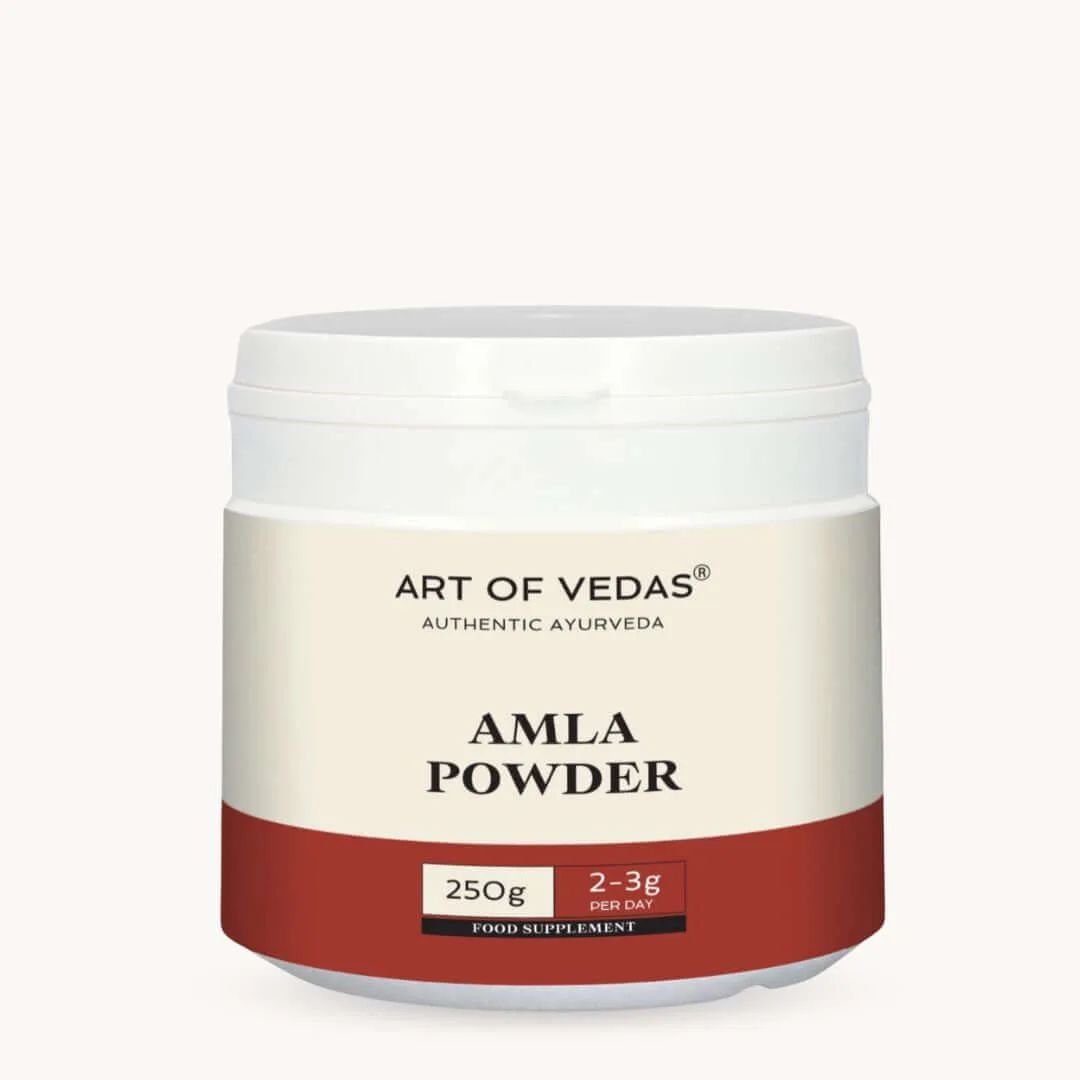
Amla, commonly known as Indian Gooseberry, is renowned in Ayurvedic tradition, particularly in the formulation of time-honoured preparations. The Amla tree bears small, round, yellowish-green berries, often referred to as a superfood owing to its rich nutritional profile.
Rich in nutrients, Amla stands as the richest natural source of Vitamin C and finds extensive usage in traditional wellness routines. Regular consumption of Amla is traditionally valued as part of a balanced lifestyle.
WHAT AYURVEDA HAS TO SAY
According to Ayurveda, Amla ranks among the best Rasayan tonics, traditionally valued for skin radiance, freshness, and a sense of clarity. With its diverse taste profile, including pungent, astringent, sweet, bitter, and sour flavors, Amla is traditionally associated with holistic well-being of mind and body, earning it the title "Divyaushada" or divine herb.
In Sanskrit, Amla is termed "Amalaki," signifying the nectar of life. Amla holds a significant place in Ayurvedic tradition, being among the most commonly used and important herbs. Its fruits are esteemed for their rejuvenating and age-defying associations.
Containing all five tastes (rasa), Amla exhibits Sita (cold) virya (potency) and is traditionally associated with a range of qualities such as
- Tridoshahara (pacifying all doshas)
- Rasayana
- Chakshushya
- Vrishya
- Keshya (hair tonic)
- Vaysthapana (age-defying)
- Ruchya (enhancing taste)
Apart from being an abundant source of Vitamin C, Amla contains various essential chemical constituents like tannins, Phyllemblin, Linolic acid, Indole acetic acid, Ellagic acid, and Phyllemblic acid.
Amla has long been studied for its naturally rich composition, including its antioxidant constituents, and has been a subject of interest in traditional and scientific literature alike.
THE TRADITIONAL USES OF AMLA
1. Freshness and vitality
Amla is traditionally valued as a nourishing fruit and is associated in Ayurveda with a sense of inner freshness and vitality.
2. Everyday balance
Thanks to its chromium and polyphenol content, Amla is traditionally enjoyed as part of a balanced daily routine.
3. Daily wellness
Rich in polyphenols and Vitamin C, Amla is traditionally valued as a nourishing fruit and is associated with everyday vitality.
4. Digestive comfort
Amla's fiber content is traditionally associated with digestive comfort and is enjoyed as part of a wholesome diet.
5. Mental well-being
Amla's phytonutrients and antioxidants are traditionally associated with a sense of clarity and everyday calm.
6. Hair care
Amla's nutrients are traditionally valued to nourish hair, support the look of strong, healthy-looking hair, and contribute to a comfortable, fresh scalp.
7. Skin radiance
Amla is traditionally valued in skincare rituals for its association with collagen, a fresh youthful look, an even-looking complexion, and a radiant glow.
8. Everyday balance
Amla's potassium content is traditionally enjoyed as part of a balanced, mindful lifestyle.
9. Mindful routine
Amla products are traditionally enjoyed as part of a mindful, balanced daily routine.
10. Balanced lifestyle
Amla is traditionally enjoyed as part of a balanced lifestyle and mindful eating habits.
11. Age-defying ritual
Amla's antioxidants are traditionally valued in skincare for the look of fine lines and to support a youthful, fresh appearance.
12. Skin brightening
Amla is traditionally valued to brighten the look of the skin tone and to support an even-looking complexion and the appearance of dark spots and blemishes.
13. Clear-looking skin
Amla is traditionally valued in skincare rituals to support the look of clear, fresh skin.
14. Skin hydration
Amla is traditionally valued to moisturize the skin, support its moisture balance, and keep skin feeling soft and comfortable.
15. Skin-soothing
Amla is traditionally valued in skincare rituals for a soothing, calming feel and a comfortable, even-looking complexion.
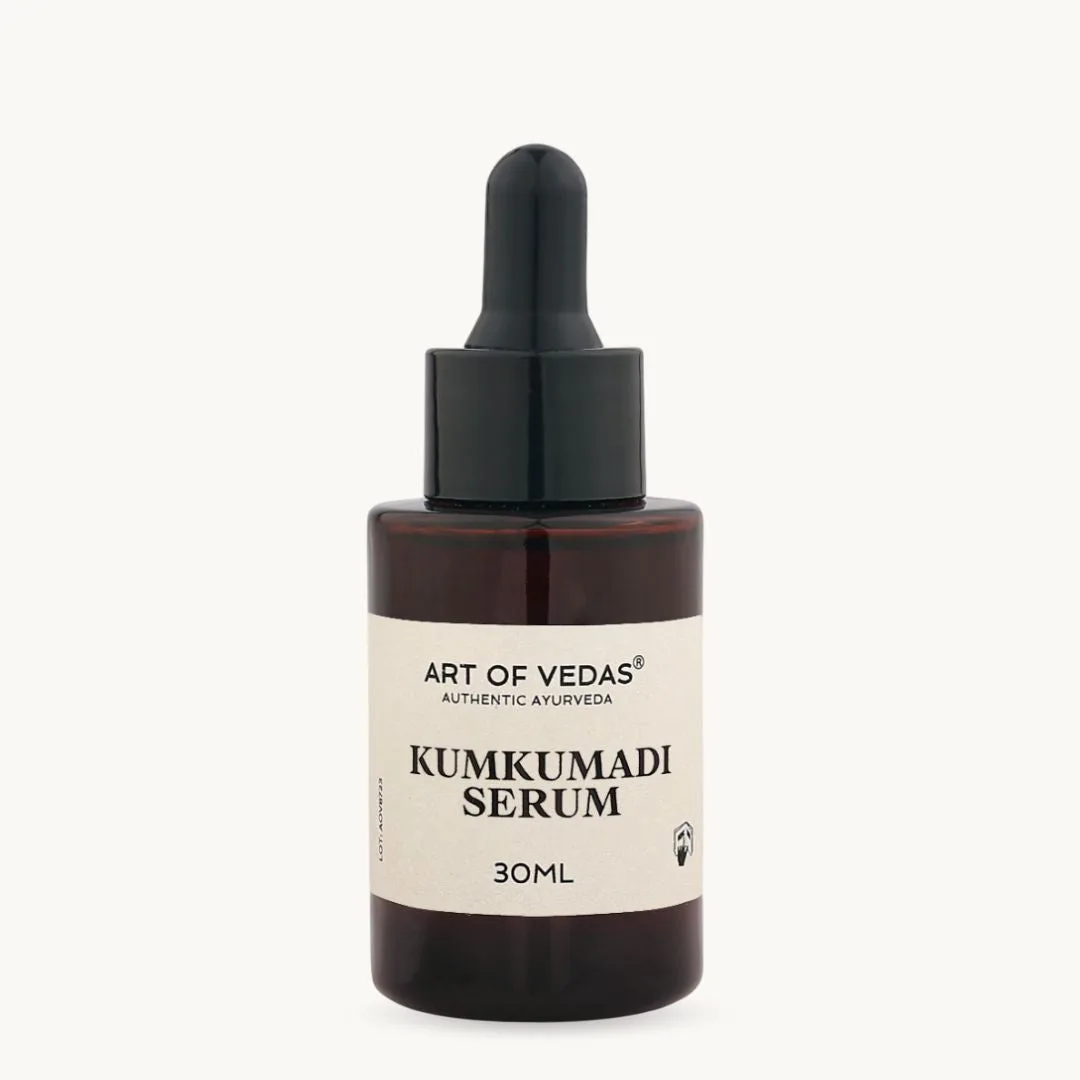
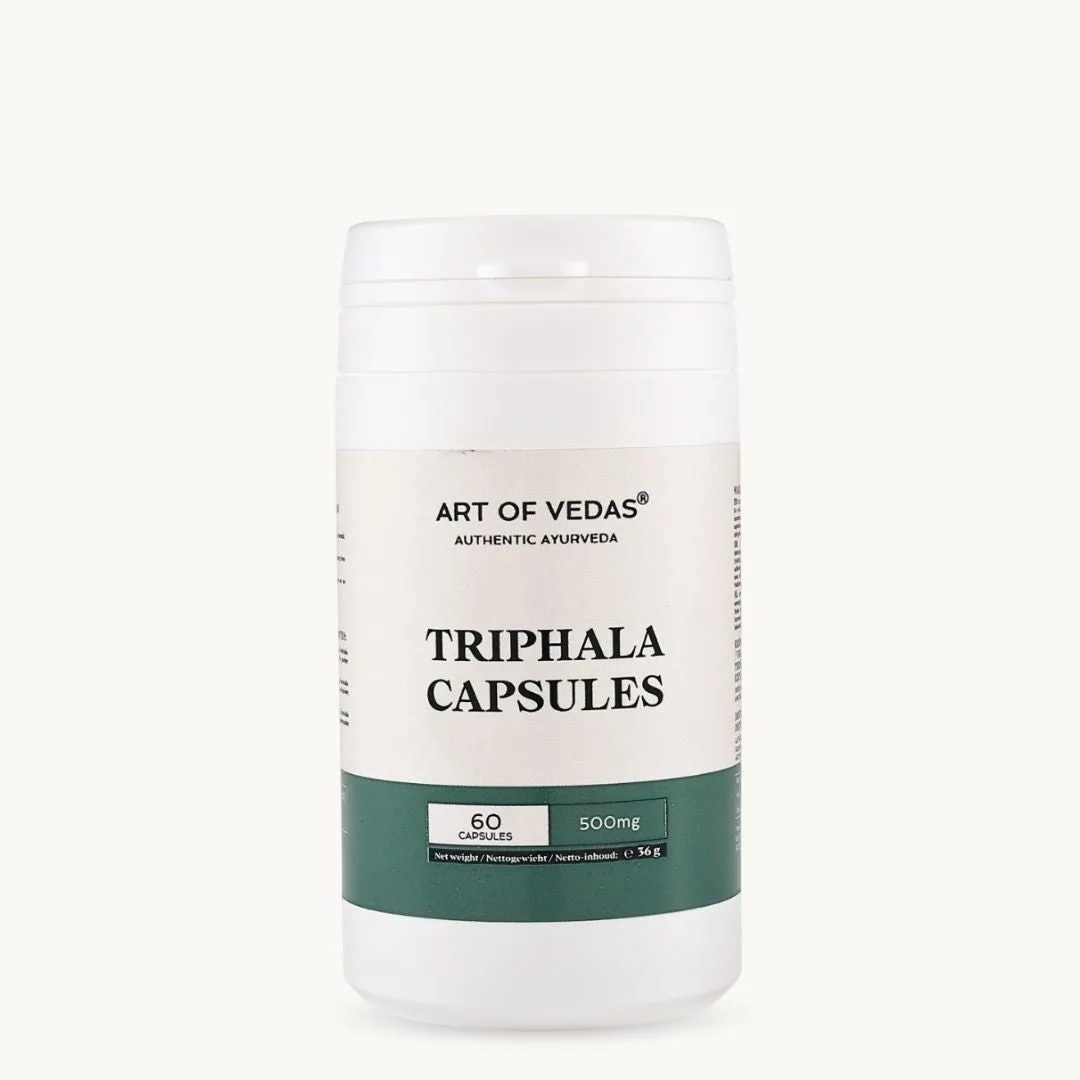
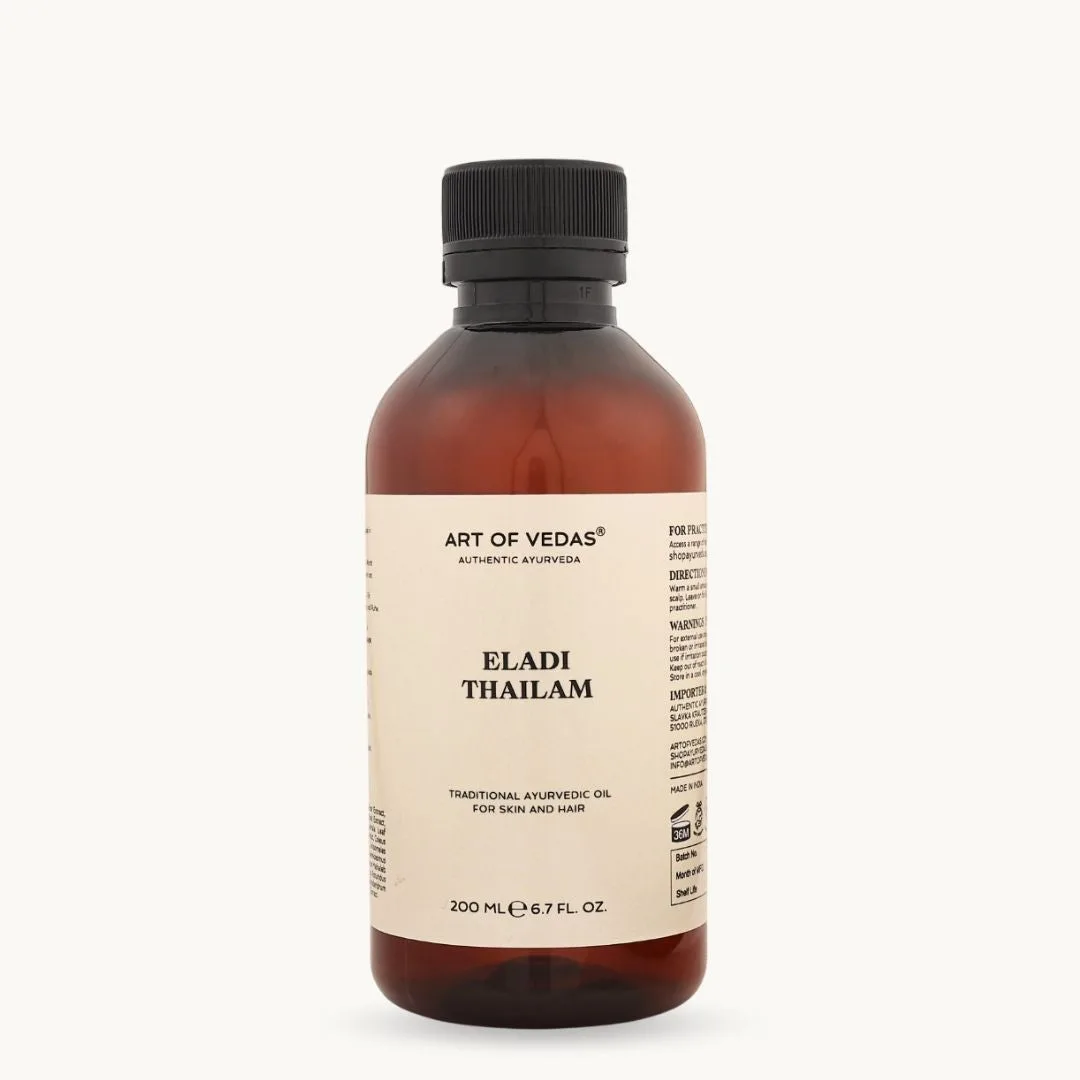
Amla is used in many Art Of Vedas skin, hair, and body care products.
Check them out here.